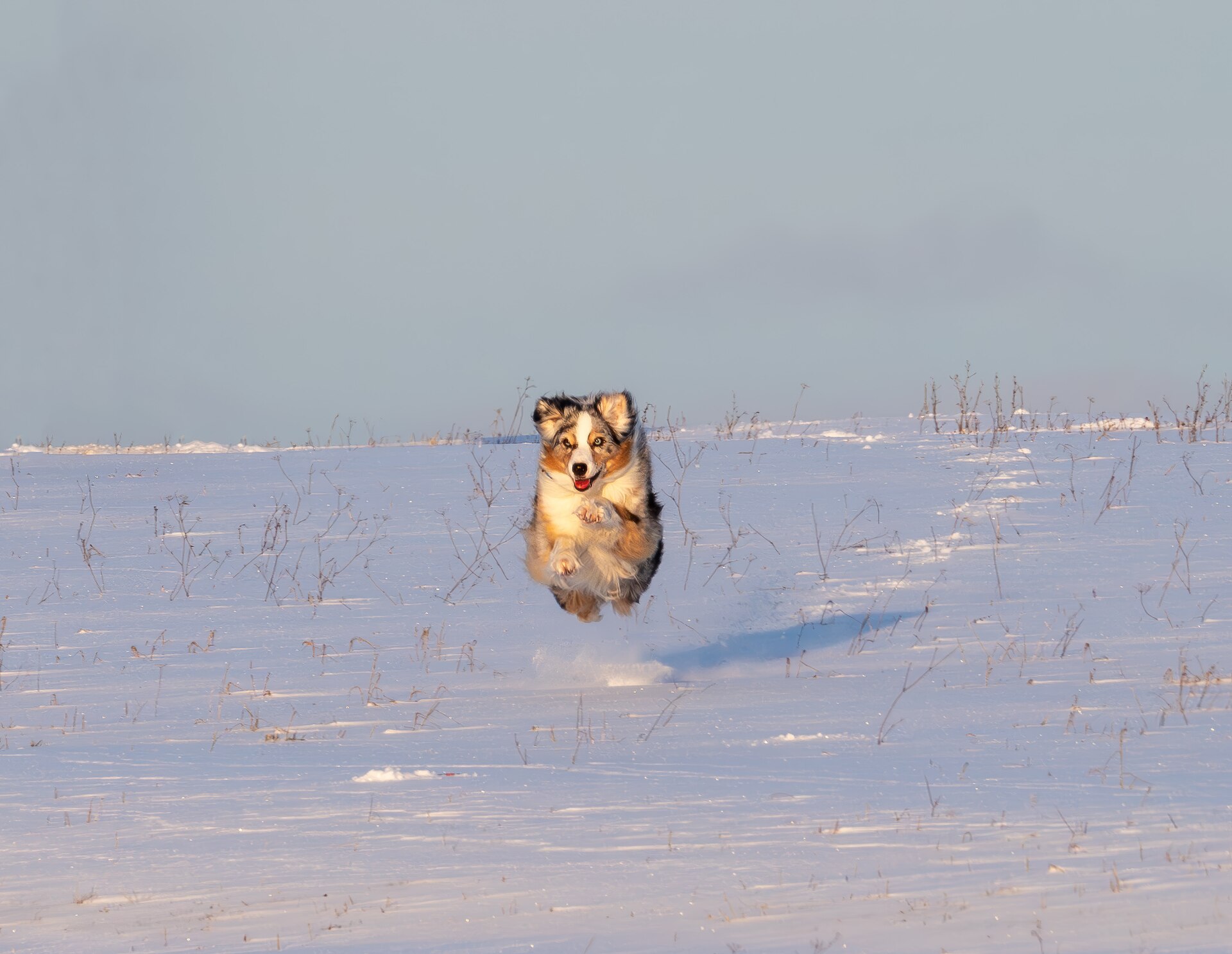
Australian Shepherd vs Border Collie: Energy, Training, and Fit
Australian Shepherds and Border Collies are both intelligent, athletic herding dogs, but they are not interchangeable. A Border Collie usually brings more relentless work focus, motion sensitivity, and need for precise mental engagement. An Australian Shepherd is often more physically robust, more watchful of home and family, and a little easier to live with after the work is done—though still far too demanding for a casual owner.
Choose the individual dog, not a stereotype. Breeding line, early experience, health, age, and temperament can matter as much as the breed name. In either case, a yard is not an exercise plan and intelligence does not make training automatic.
Australian Shepherd vs Border Collie at a glance
| Trait | Australian Shepherd | Border Collie | |---|---|---| | Typical energy | Very high | Very high, often more sustained and work-focused | | Working style | Close, physical, confident herder | Intense, responsive, motion-sensitive herder | | Training feel | Quick, enthusiastic, sometimes pushy | Extremely quick, precise, easily shaped—for better or worse | | Stranger tendency | Often reserved or watchful | Often neutral or reserved; highly individual | | Off-switch | Must be taught; often achievable with routine | Must be taught; may be harder in high-drive lines | | Best fit | Active, structured home wanting an involved all-rounder | Training-focused home that enjoys giving a dog detailed jobs | | Poor fit | Sedentary or chaotic home | Sedentary home or one that finds constant dog management tedious |
Neither breed wins. The better dog is the one whose daily needs still sound reasonable on a wet Tuesday in February.
Why these breeds feel different
Both breeds developed to move livestock and respond closely to people, but their histories emphasized somewhat different working styles.
The Border Collie emerged from working sheepdogs along the border country of Britain. Good dogs needed stamina, responsiveness at distance, and the ability to control stock through position, movement, and an intense gaze often called “eye.” Modern Border Collies may notice tiny changes in motion and learn complex sequences remarkably fast.
Despite the name, the Australian Shepherd was developed largely in the United States as a versatile ranch and stock dog. Aussies often work more upright and physically, staying close enough to influence cattle or sheep. Many also developed watchful, protective tendencies around property and family.
History is not destiny, but it explains why a pet Border Collie may stare at bicycles and a pet Aussie may announce every delivery like the crown jewels have arrived.

Which breed has more energy?
Both need substantial daily activity. The practical difference is often how the energy is expressed.
Australian Shepherds commonly enjoy hiking, running, fetch, agility, obedience, scent games, and active family outings. Many are energetic in bursts and can learn to settle when their physical exercise, thinking work, and social needs are met.
Border Collies often seem built for longer concentration. Repetitive ball throwing may make the body tired while leaving the brain more obsessed with the ball. They tend to do best when activity includes rules, communication, and changing problems: directional cues, searching, careful tricks, agility foundations, or appropriately managed herding work.
Exercise needs vary, especially in puppies, seniors, and dogs with medical limitations. Avoid forced high-impact mileage with a growing puppy. If a dog has pain, lameness, breathing trouble, collapse, or a sudden drop in stamina, stop and seek veterinary guidance.
Training: brilliant does not mean easy
Border Collies are famously trainable because they notice patterns and respond quickly. That speed cuts both ways. If you reward barking at the cupboard once, a Border Collie may submit the behaviour for peer review before breakfast. Poor timing, inconsistent rules, and frantic games can build habits just as efficiently as thoughtful training.
Australian Shepherds also learn rapidly, but some test boundaries more openly or use their body and voice when excited. Calm repetition, clear criteria, and reinforcement for four paws on the floor are useful. Heavy-handed methods can create conflict, avoidance, or defensive behaviour in either breed.
For both breeds, prioritize:
- recall around movement and wildlife
- loose-leash walking before strength becomes a problem
- calm greetings and doorway manners
- settling on a mat while nothing interesting happens
- comfort with grooming, handling, and veterinary care
- gradual, positive alone time
- disengaging from bikes, runners, cars, children, and other dogs
- stopping a game without frustration
Short sessions work well. End while the dog can still think, then include genuine rest. Constant entertainment can produce an athlete who has never learned how to be bored safely.
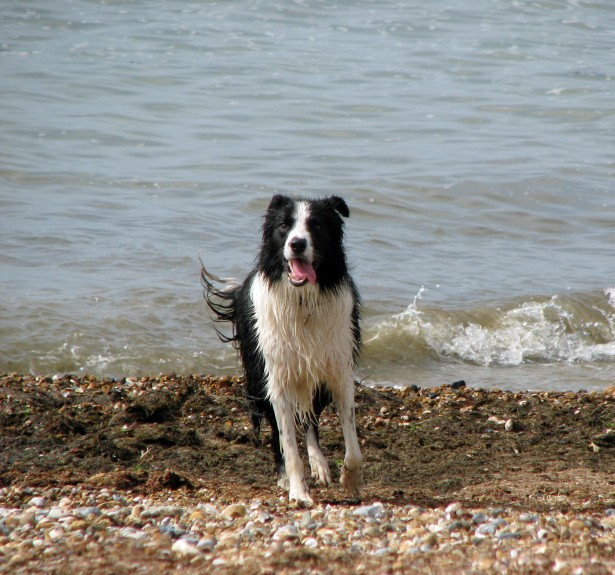
The herding behaviours owners actually notice
Herding ancestry may appear without livestock. Either breed may stalk, chase, circle, block movement, bark, or nip at heels. Border Collies are often especially sensitive to fast, repetitive motion; Aussies may be more inclined to body-block, bark, or control a busy group.
Do not encourage chasing children, cars, or bicycles. Management comes first: use leashes, gates, distance, secure fencing, and supervised interactions. Then reward the dog for orienting back to you, moving away from the trigger, or settling at a safe distance.
Children should never be responsible for managing a highly aroused herding dog. If chasing or nipping is escalating, or the dog cannot disengage, consult a qualified reward-based trainer or veterinary behaviour professional. “He’s just herding” describes the origin of the behaviour; it does not make the behaviour safe.
Home life and the off-switch
An Australian Shepherd often suits an active household that wants the dog woven into daily life. Many are affectionate with their people and capable of relaxing indoors once taught, but they can become noisy, destructive, territorial, or pushy when under-stimulated.
A Border Collie often suits someone who genuinely enjoys training as a hobby. A long walk is useful, but the dog may also want detailed communication and meaningful tasks. High-drive individuals can struggle in visually chaotic homes, around constant traffic outside windows, or with owners who accidentally reinforce fixation.
Apartment living is possible for either breed if the routine is excellent. A farm is not automatically better: access to acreage does nothing if the dog spends the day inventing a fence-running career. The important factors are structured activity, rest, noise management, safe outlets, and human involvement.
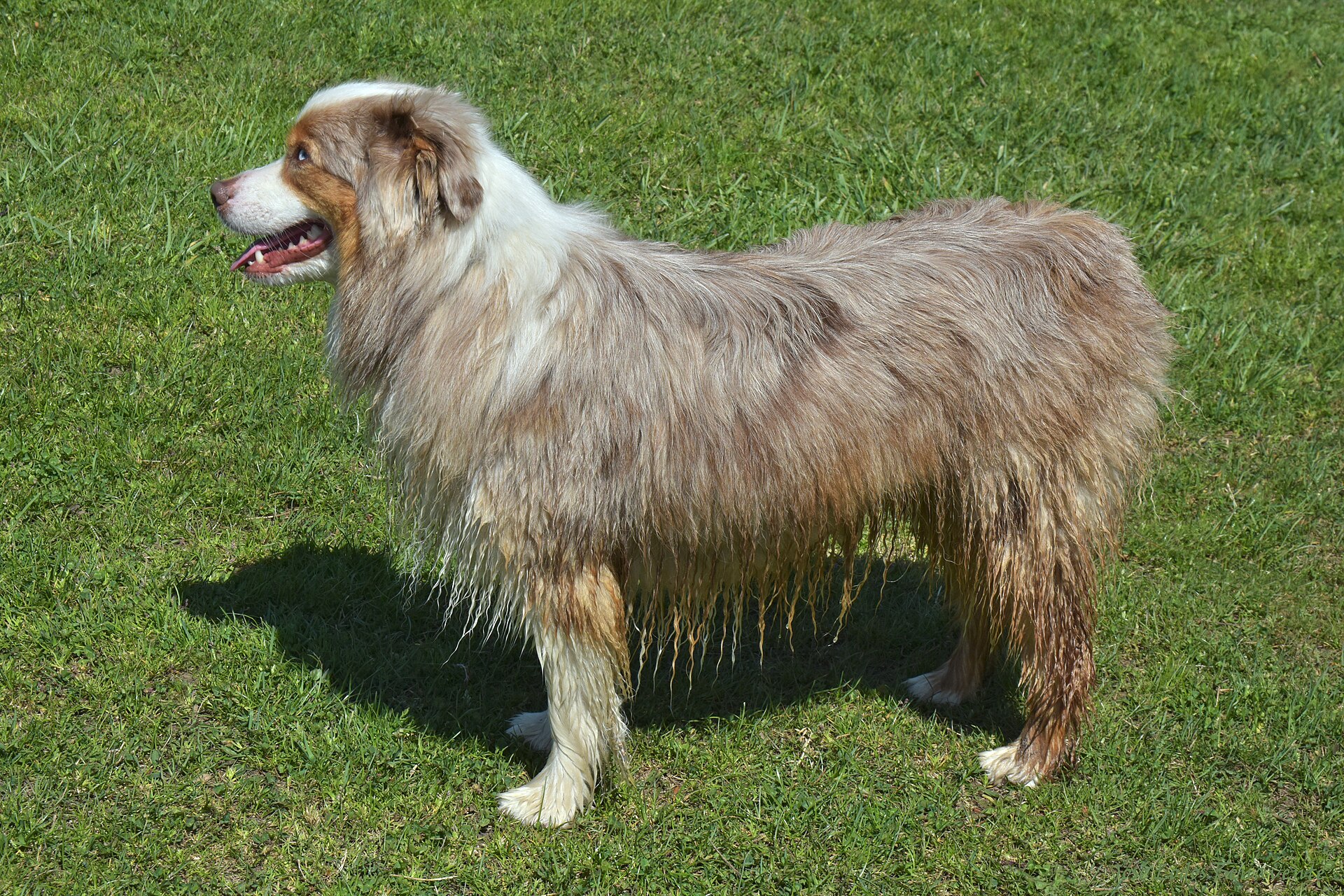
Families, strangers, and other animals
Both breeds can live successfully with considerate children, but neither is a hands-off family accessory. Fast play and shrieking can trigger chasing or controlling behaviour. Adults should supervise, teach children to respect rest and food, and give the dog an exit.
Australian Shepherds are often more naturally watchful and may need deliberate, positive exposure to visitors. Border Collies may be reserved, environmentally sensitive, or intensely focused rather than socially outgoing. Individual temperament matters more than marketing labels such as “perfect family dog.”
With cats or smaller pets, assess the specific dog’s chase and fixation. Introduce animals gradually with barriers and leashes, provide separate resources, and never assume friendliness cancels predatory or herding behaviour.
Grooming and practical care
Both have weather-resistant double coats and shed. Australian Shepherd coats are commonly fuller and may require more routine brushing through feathering, behind the ears, and around the legs. Border Collies can have rough or smooth coats; grooming needs vary accordingly.
Plan for brushing, nail care, dental care, ear checks, and coat checks after outdoor activity. Neither breed should be shaved merely to reduce shedding unless a veterinarian directs it for a medical reason; clipping does not switch off the coat cycle.
Responsible breeders should discuss breed-relevant health screening and provide verifiable results rather than saying only that parents were “vet checked.” Ask what was tested, who performed it, when it was done, and where the result can be confirmed. A rescue may have limited family history, but it should be candid about what is known.
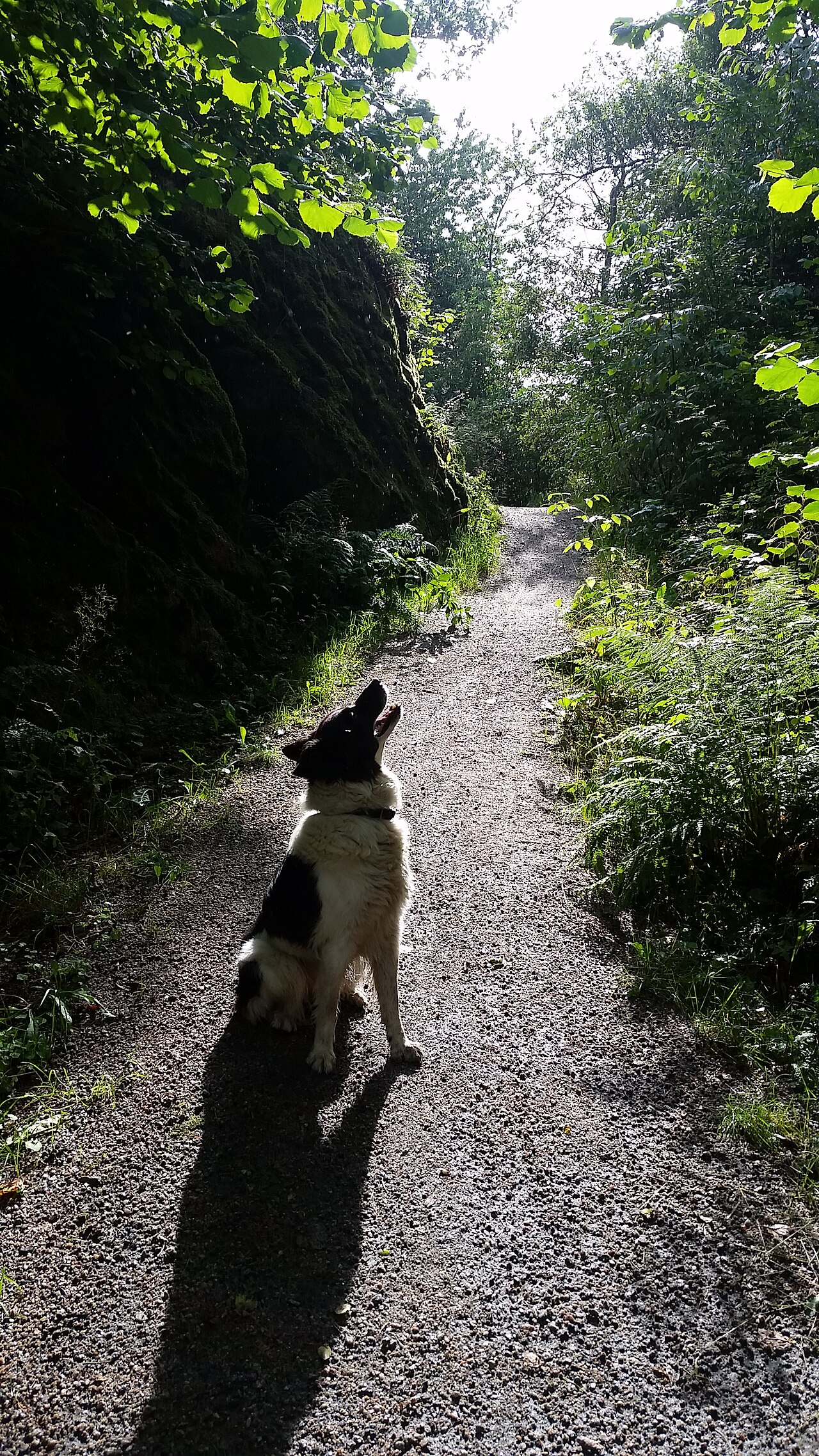
Which dog fits you better?
An Australian Shepherd may fit better if you:
- want a highly active all-round companion
- enjoy training but do not want training to become your main hobby
- can manage a dog that may be vocal, physical, and watchful
- want hiking, dog sports, and family activities in the same dog
- will teach calmness as deliberately as action
A Border Collie may fit better if you:
- enjoy precise daily training and problem-solving
- can manage motion sensitivity and possible fixation
- want a dog for advanced sports or demanding work
- notice subtle stress and arousal before they become chaos
- are comfortable arranging life around a dog with a serious work ethic
Consider another type of dog if you:
- mainly want a relaxed walking companion
- are away for long, unpredictable hours
- dislike training, shedding, barking, or management
- expect a yard or weekend hike to cover the whole week
- want a dog that ignores household movement and visitors
Adult dogs can make fit easier to judge because energy, sensitivity, sociability, and off-switch are already more visible. A reputable breeder or rescue should ask about your routine and be willing to say that a particular dog is wrong for it.
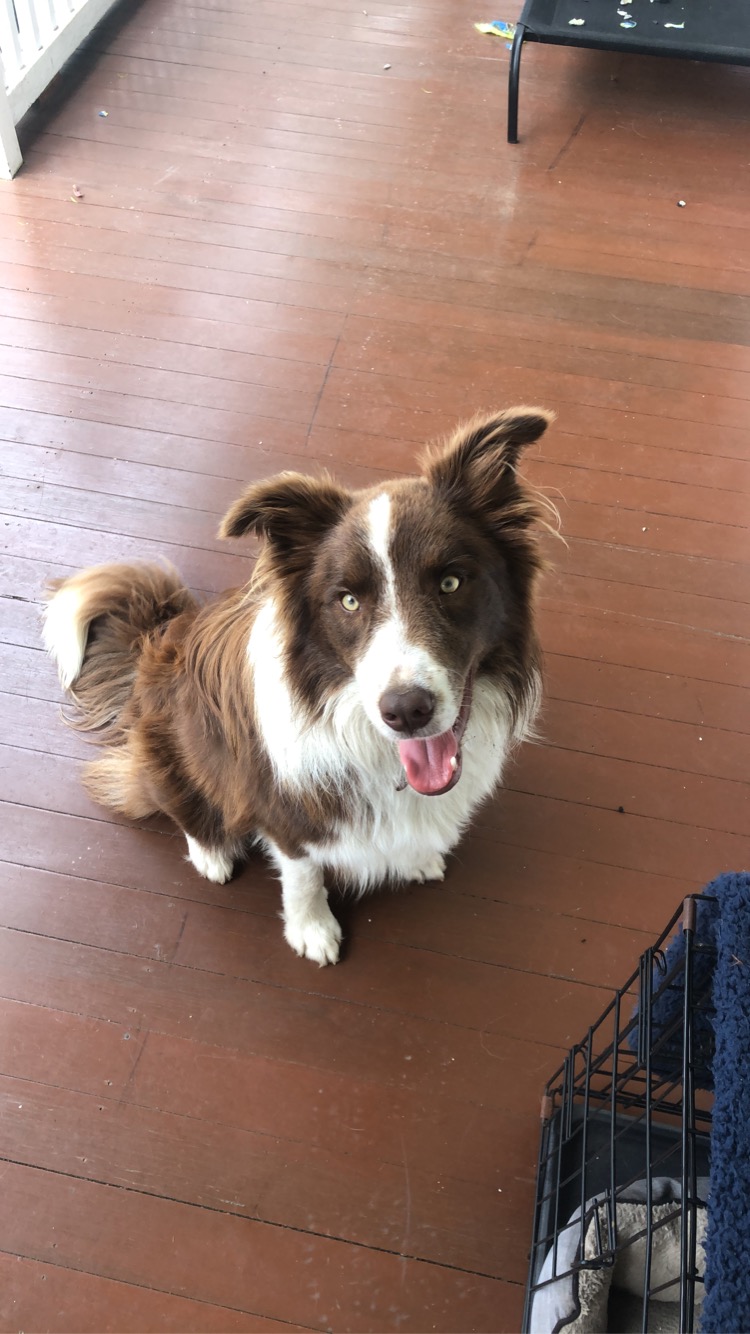
Frequently asked questions
Is an Australian Shepherd calmer than a Border Collie?
Often, but not reliably. Many Aussies develop a more accessible off-switch than high-drive Border Collies, while some working-line Aussies are extremely intense. Judge the individual, breeding line, and daily routine.
Which breed is easier for a first-time owner?
An Australian Shepherd may be the more forgiving choice for a very active, training-minded first owner, but neither is beginner-easy. A lower-drive adult with a known temperament is often safer than choosing either breed as a puppy based on appearance.
Can Australian Shepherds and Border Collies be left alone?
Both can learn reasonable alone time gradually, but neither suits routine, prolonged isolation. Exercise alone does not prevent distress or boredom. Build independence in small steps and arrange help when the schedule exceeds what the individual dog handles comfortably.
Which breed needs more mental stimulation?
Both need it, but Border Collies commonly demand more precise and varied cognitive work. Useful enrichment includes training, scent searches, food puzzles, controlled exploration, and tasks with clear rules—not endless high-arousal fetch.
Are Border Collies more intelligent than Australian Shepherds?
Intelligence rankings oversimplify dogs. Border Collies are exceptional at rapid pattern learning and handler-responsive work. Aussies are also highly trainable and may be better suited to a broader, busier family routine. The useful question is whether you enjoy living with the way that dog thinks.
Methodology and update note
This is a source-informed editorial comparison, not veterinary, breeder, or professional training advice. Breed purpose and broad trait framing were checked against current American Kennel Club breed information and public breed-history material; individual variation and conservative management are emphasized throughout. Image licensing was checked at source. Review the page when official breed-club health guidance or major breed standards change.