Bernese Mountain Dog Size, Lifespan, and Family Fit
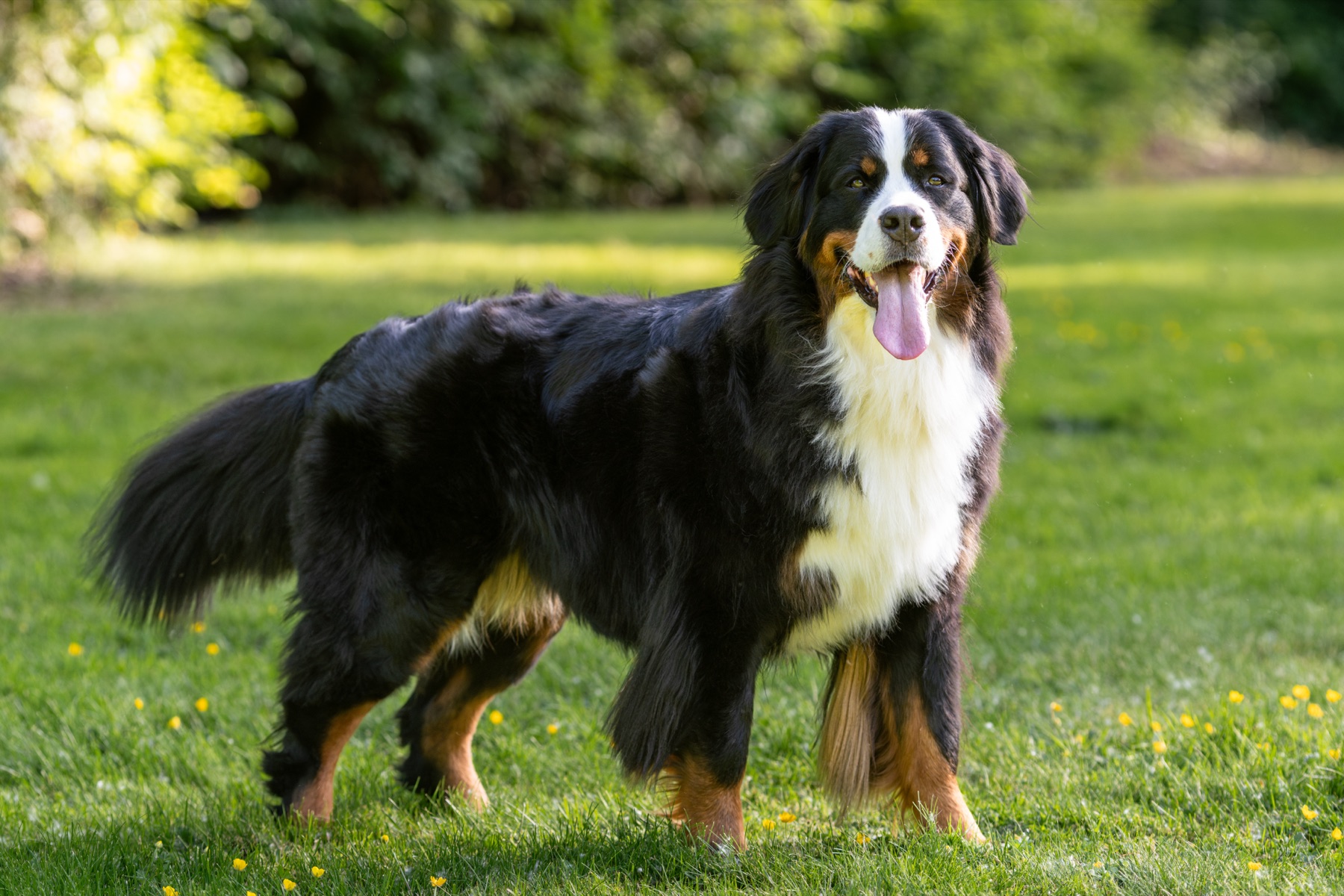
Bernese Mountain Dogs are large, affectionate working dogs that often weigh roughly 70 to 115 pounds and stand about 23 to 27.5 inches at the shoulder. Their commonly listed lifespan is only about 7 to 10 years. They can be excellent family companions, but the right home needs room for a very large dog, time for training and companionship, tolerance for heavy shedding, and a realistic plan for health care.
The short version: a well-matched Berner is gentle, devoted, and wonderfully involved in family life. A poor match is a household choosing one for the teddy-bear appearance while underestimating the size, coat, strength, expense, and heartbreak that can come with a shorter-lived giant breed.
Bernese Mountain Dog size at a glance
Adult Bernese Mountain Dogs are substantial. Typical breed ranges are:
- Males: about 25 to 27.5 inches at the shoulder and 80 to 115 pounds
- Females: about 23 to 26 inches at the shoulder and 70 to 95 pounds
These are useful ranges, not target weights for every dog. Build, sex, age, and individual condition matter. A veterinarian can help assess body condition more usefully than a number on a breed chart.
Size affects daily life in ordinary ways. A Berner occupies most of a back seat, can reach a countertop without staging an expedition, and may be too heavy for one person to lift safely after an injury. Beds, crates, gates, vehicles, medication doses, boarding, and some veterinary procedures also tend to cost more at this scale.
How quickly do Bernese Mountain Dogs grow?
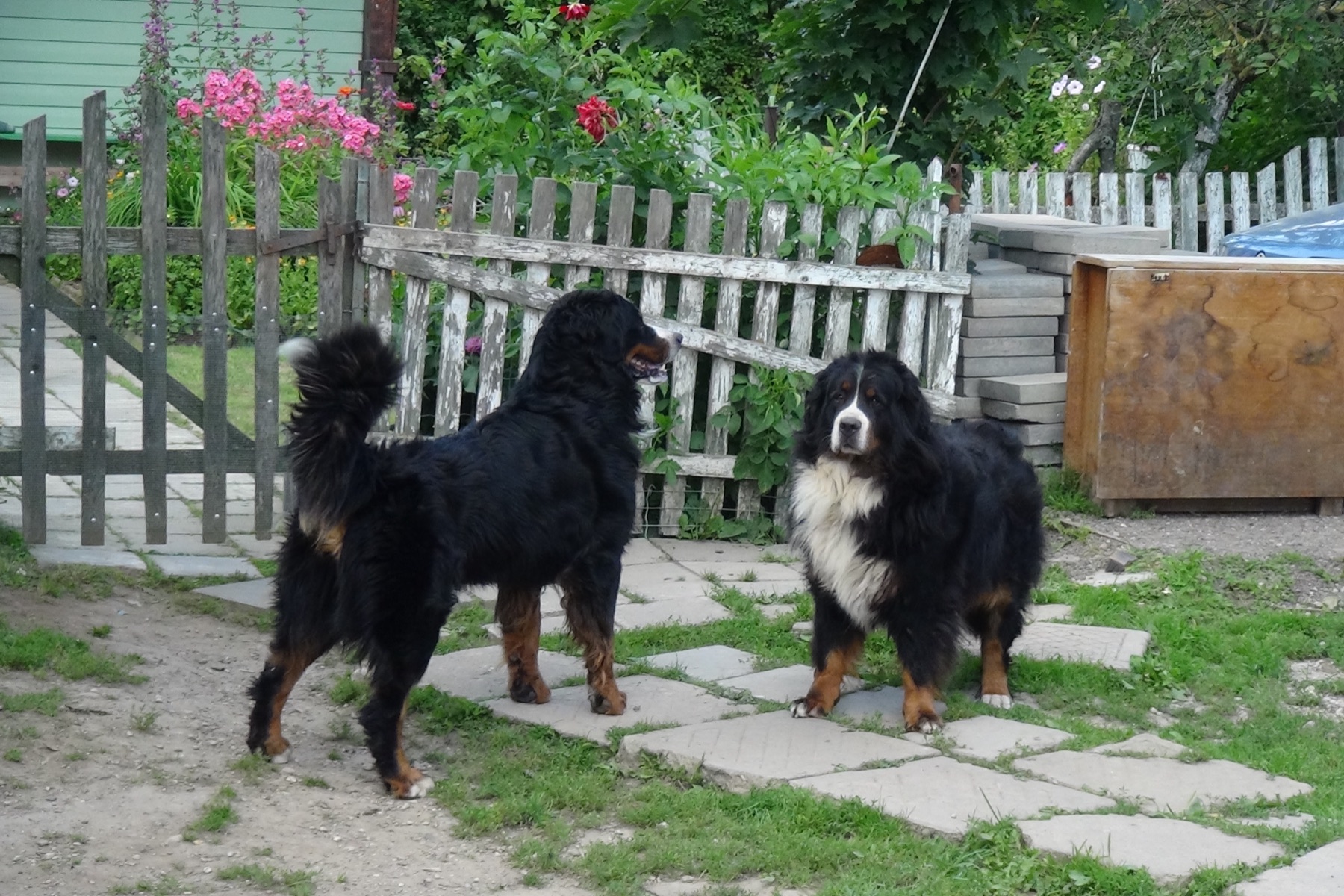
Bernese puppies grow rapidly, but they are not physically mature just because they look enormous. Their bones, joints, coordination, and judgment are still developing. Keep exercise appropriate to the individual puppy, provide traction on slippery floors, prevent repeated high-impact jumping, and ask a veterinarian about body condition and activity as the dog grows.
Avoid trying to make a puppy grow as fast or as large as possible. Feed a complete diet appropriate for the dog’s life stage and follow veterinary guidance rather than adding supplements on guesswork. More size is not a health achievement.
Large puppies also need manners early. A 25-pound puppy that jumps on guests is charming for approximately eleven minutes; the same habit at 95 pounds becomes a structural engineering problem. Reward four paws on the floor, loose-leash walking, calm handling, recall, settling, and polite greetings from the start.
Bernese Mountain Dog lifespan
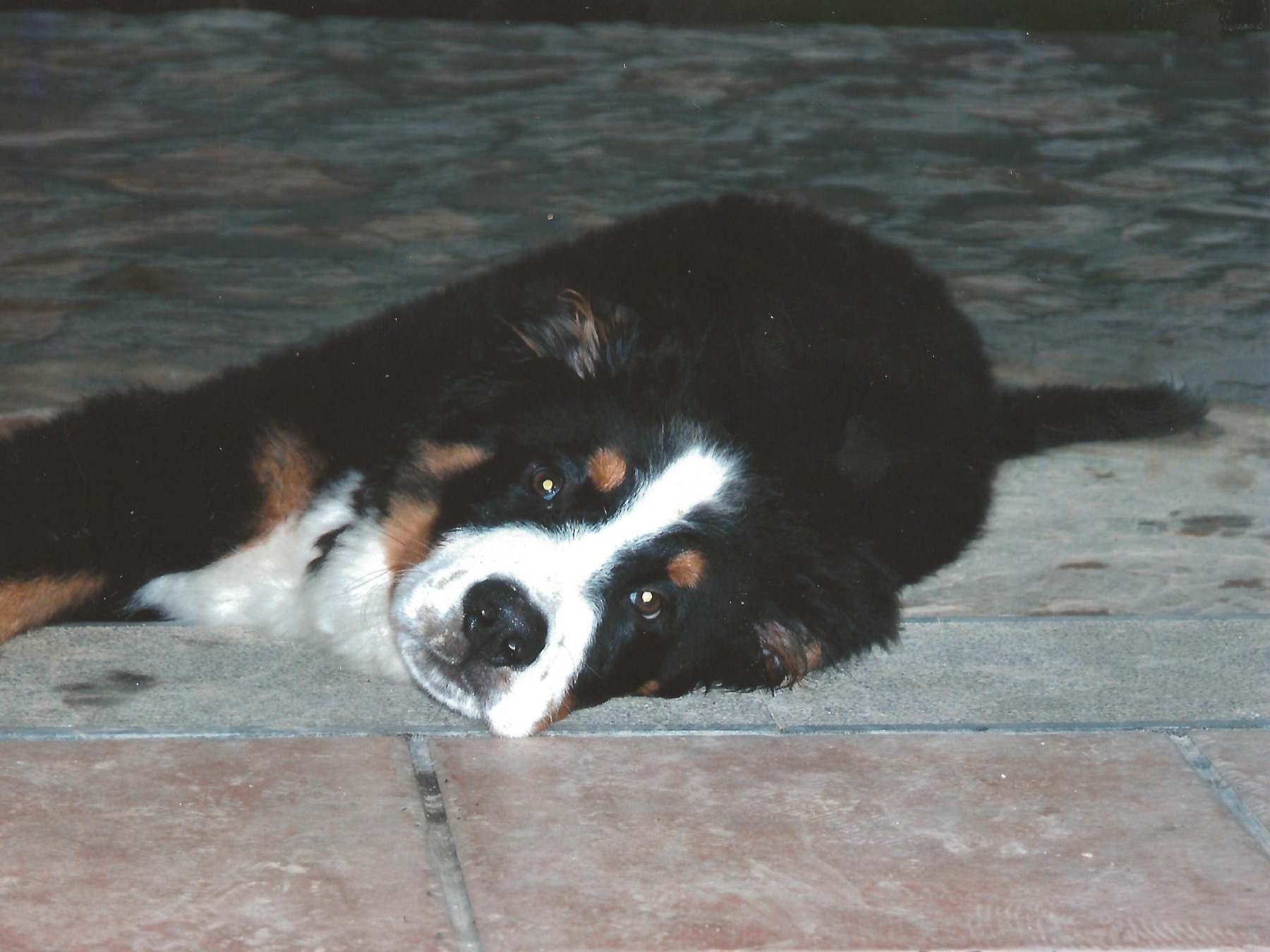
The Bernese Mountain Dog’s commonly published life expectancy is about 7 to 10 years, although individual dogs may live shorter or longer lives. That is a difficult reality compared with many smaller breeds.
A lifespan range is not a countdown clock and cannot predict one dog’s future. Genetics, cancer and other disease risks, weight, accidents, preventive care, and plain luck all play roles. Responsible breeding and good care can improve the odds; neither offers a guarantee.
Prospective owners should consider the emotional and financial meaning of this lifespan before bringing a puppy home. You may be planning for fewer years together and for significant medical decisions during those years. That does not make the breed a bad choice. It makes an informed choice especially important.
Health planning matters from the beginning
Bernese Mountain Dogs have recognized risks involving cancer as well as hips, elbows, eyes, heart, and other systems. Bloat, or gastric dilatation-volvulus, is an emergency risk in large, deep-chested dogs. This article cannot diagnose, prevent, or predict those conditions.
When considering a breeder, ask for verifiable results from breed-relevant health screening on both parents. Ask what health and longevity look like in related dogs, what problems have occurred in the line, and what support or return policy applies throughout the dog’s life. “Vet checked” is not the same as documented screening of breeding dogs.
For a rescue dog, family health history may be unavailable. Ask what is known, arrange a veterinary examination, and budget for uncertainty rather than pretending it is not there.
Know the signs that require urgent veterinary attention. A swollen or painful abdomen, repeated unproductive retching, collapse, marked restlessness, pale gums, or sudden breathing difficulty warrants immediate emergency advice. For new lumps, limping, reduced stamina, appetite changes, unexplained weight loss, or persistent behavior changes, contact your veterinarian rather than diagnosing by breed reputation or internet anecdotes.
Are Bernese Mountain Dogs good family dogs?
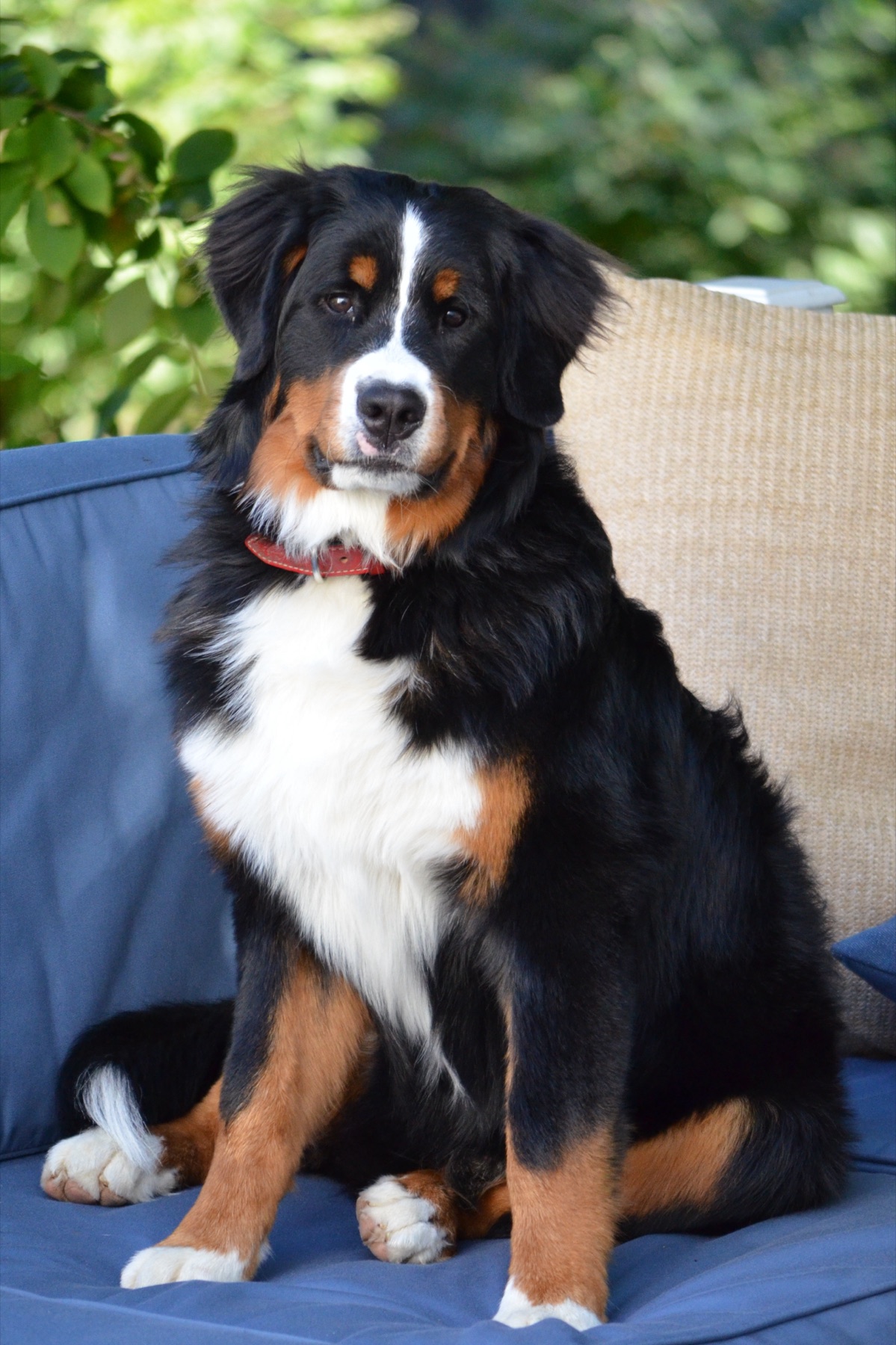
They often can be. Many Berners are affectionate, steady, people-oriented dogs that enjoy staying close to their household. They are commonly gentle with considerate children and can live well with compatible pets when introductions and management are sensible.
But “good family dog” describes a possible fit, not an automatic feature installed at birth. Individual temperament, breeding, early experience, health, training, and the behavior of family members all matter.
The best family fit usually includes:
- adults who want an involved companion rather than an independent yard dog
- enough time for daily walks, training, grooming, and company
- children who can interact calmly under active adult supervision
- secure space and physical control around doors, visitors, and wildlife
- a cool indoor place during warm weather
- a realistic budget for a giant dog’s food, equipment, insurance, and veterinary care
Their size changes child safety even when the dog is friendly. A happy tail, shoulder bump, or enthusiastic greeting can flatten a small child. Supervise interactions, give the dog a quiet retreat, and never allow climbing, hugging, food theft, or disturbance while the dog sleeps.
Temperament and everyday life
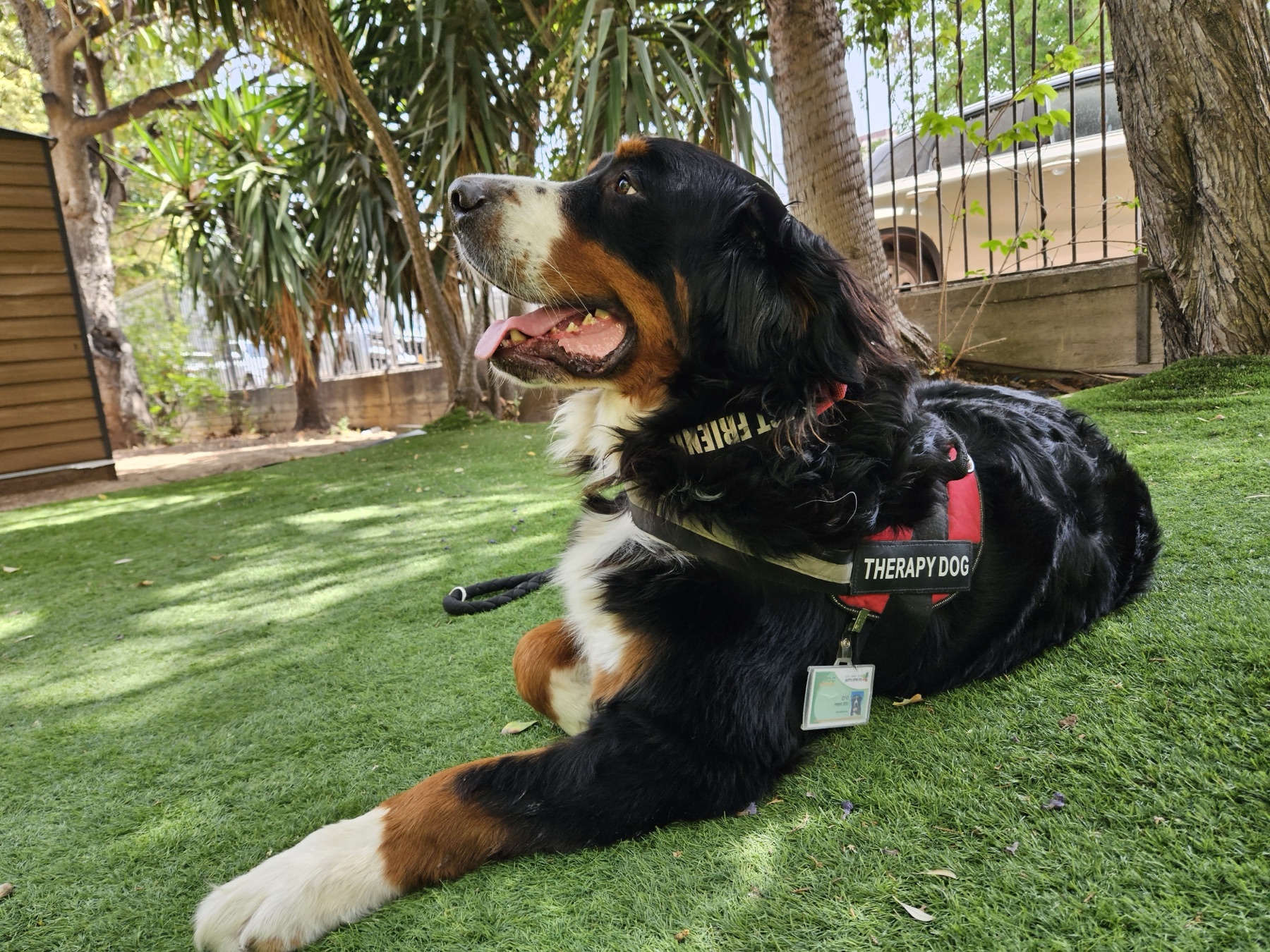
Bernese Mountain Dogs were developed as versatile Swiss farm dogs, doing work such as moving cattle, guarding farmsteads, and pulling carts. Modern pets may never haul milk cans, but the history helps explain their combination of strength, attentiveness, and attachment to people.
Many are calm indoors once their needs are met, yet they still need daily activity and mental engagement. Walks, sniffing, reward-based training, food puzzles, and carefully conditioned carting or other suitable activities can provide useful outlets. Puppies and unconditioned adults should not be pushed into strenuous work.
Some Berners are reserved with strangers. Socialization should build calm confidence, not force every puppy to accept touching from every person. Let the dog observe at a comfortable distance, pair new experiences with good outcomes, and protect the option to disengage.
Training matters because strength magnifies small problems. Use rewards and clear routines for leash walking, greetings, recall, handling, and settling. If fear, aggression, or separation distress appears, involve a veterinarian and a qualified reward-based behavior professional early.
Exercise, weather, and space
A healthy adult Berner generally benefits from moderate daily exercise rather than endless high-speed mileage. The exact routine should reflect age, health, conditioning, weather, and veterinary advice. Several walks, sniffing time, play, and short training sessions often make more sense than one punishing weekend outing.
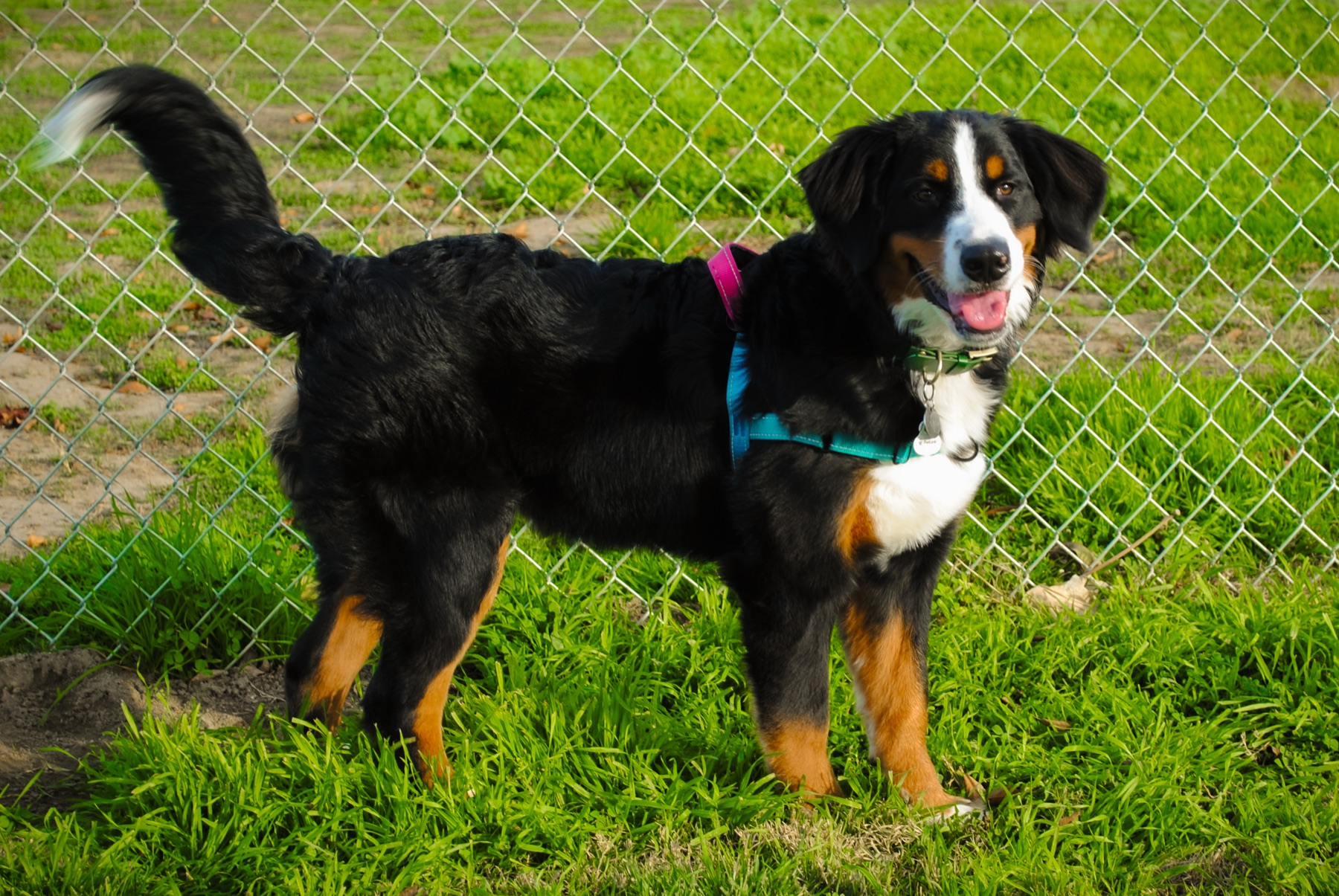
The heavy double coat sheds throughout the year and more heavily during seasonal coat changes. Brush regularly, work through the undercoat without scraping the skin, keep nails comfortable, and check ears, teeth, and skin as part of routine care.
That coat also makes heat management important. Schedule activity for cooler parts of the day, provide shade and water, keep the dog in a cool indoor environment, and stop if the dog struggles. Heavy panting that does not settle, weakness, confusion, vomiting, collapse, or abnormal gum color requires urgent veterinary help.
A large yard is useful but not mandatory. A Berner can live in a smaller home if the household reliably supplies exercise, toilet breaks, training, and room to rest without blocking every hallway. A yard does not exercise a dog by itself; it is merely an outdoor room with worse furniture.
Who should probably choose another breed?
A Bernese Mountain Dog may be a poor fit if:
- nobody has time for regular companionship and training
- heavy shedding or wet, muddy coat is a deal-breaker
- the dog would spend hot weather outdoors without reliable cooling
- household members cannot safely control or transport a 70-to-115-pound dog
- veterinary costs for a large breed would be unmanageable
- a long-distance running partner is the main goal
- the household wants a naturally detached, low-involvement pet
- the breed’s shorter lifespan is emotionally unacceptable
There is no prize for forcing a beloved breed into the wrong household. Choosing a smaller, longer-lived, less heavily coated, or more independent dog may be the kinder decision.
A practical family-fit checklist
Before choosing a Berner, answer these honestly:
- Can we manage a dog that may exceed 100 pounds?
- Can we train polite greetings and leash skills before the dog is fully grown?
- Will the dog live indoors with the family and receive daily company?
- Can we provide moderate exercise without overworking a growing puppy?
- Are we prepared for heavy shedding and regular brushing?
- Can we keep the dog cool during warm weather?
- Can children follow safe interaction rules under supervision?
- Can we verify breed-relevant screening or accept a rescue dog’s unknown history?
- Can we budget for large-dog veterinary care and emergencies?
- Have we accepted that the breed commonly lives about 7 to 10 years?
Mostly yes suggests the breed may fit. Several hard no answers are not a personal failure; they are the decision doing its job.
Frequently asked questions
How big is a full-grown Bernese Mountain Dog?
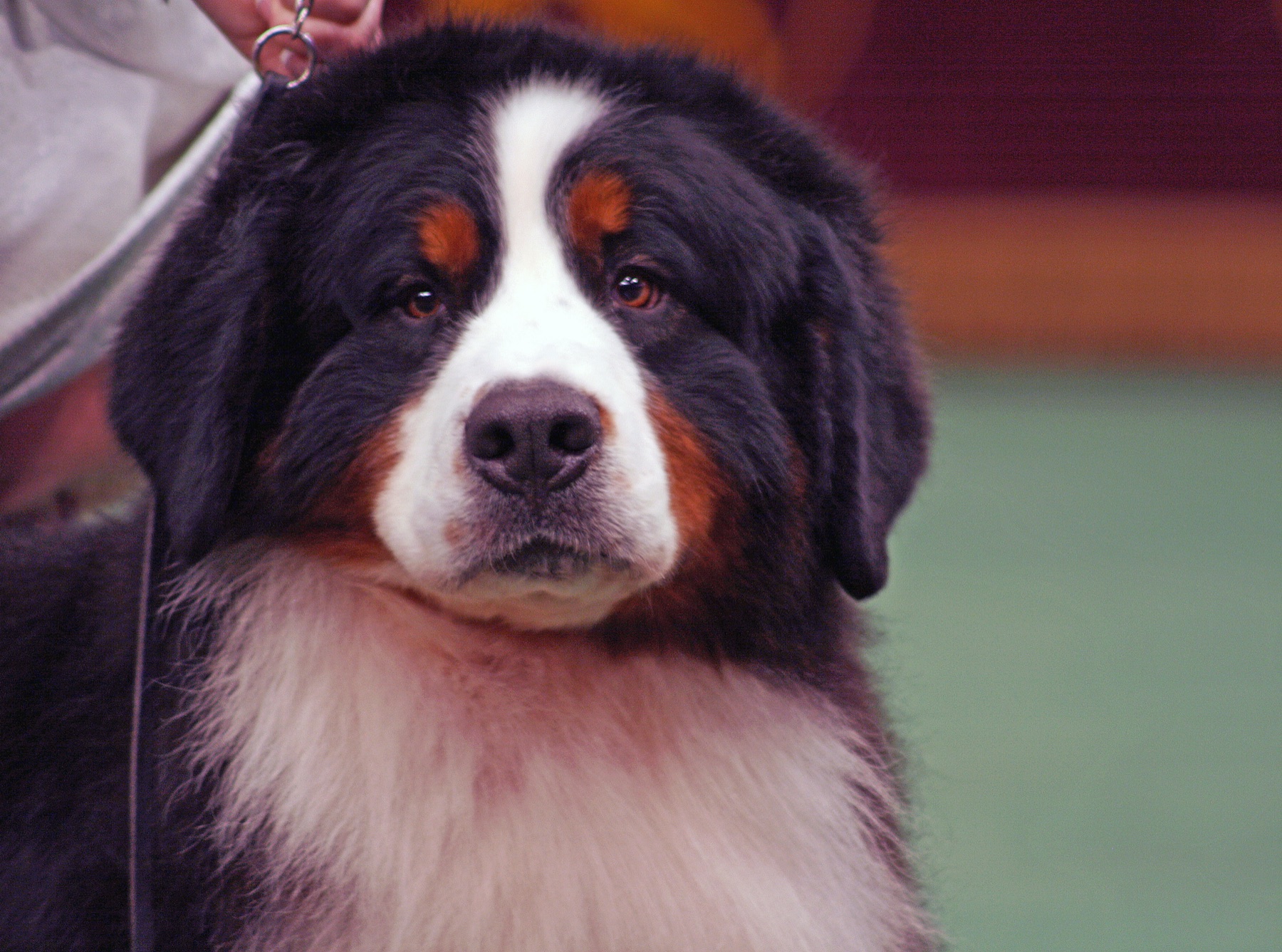
Adults commonly stand about 23 to 27.5 inches at the shoulder and weigh roughly 70 to 115 pounds. Males are generally larger than females, but healthy condition matters more than chasing a particular number.
How long do Bernese Mountain Dogs live?
Their commonly listed lifespan is about 7 to 10 years. Individual lifespan varies, and no screening or care routine can guarantee an outcome.
Are Bernese Mountain Dogs good with children?
Many are gentle and affectionate with considerate children. Their size can still cause accidental injuries, so adults should supervise, teach calm interaction, and give the dog a protected resting place.
Do Bernese Mountain Dogs need a big yard?
Not necessarily. They need adequate indoor space, daily walks and engagement, reliable toilet access, and cool conditions in warm weather. A yard is helpful but does not replace shared activity.
Do Bernese Mountain Dogs shed a lot?
Yes. Their thick double coat sheds year-round and typically more during seasonal coat changes. Regular brushing and acceptance of dog hair as a decorative material are part of ownership.
Are Bernese Mountain Dogs easy to train?
Many are responsive and eager to work with people, but they mature into powerful dogs. Early reward-based training, gentle consistency, and socialization are essential.
Methodology and update note
This article is a source-informed editorial synthesis, not veterinary, breeder, or professional training advice. Size, lifespan, temperament, and breed-history framing were checked against current American Kennel Club and Royal Kennel Club information; health-planning language was informed by Bernese Mountain Dog Club of America resources. Recommendations remain conservative because individual dogs and medical circumstances vary.
Review this page when official breed or health-screening guidance changes materially. For decisions about a particular dog, use that dog’s records and qualified veterinary or behavior advice.