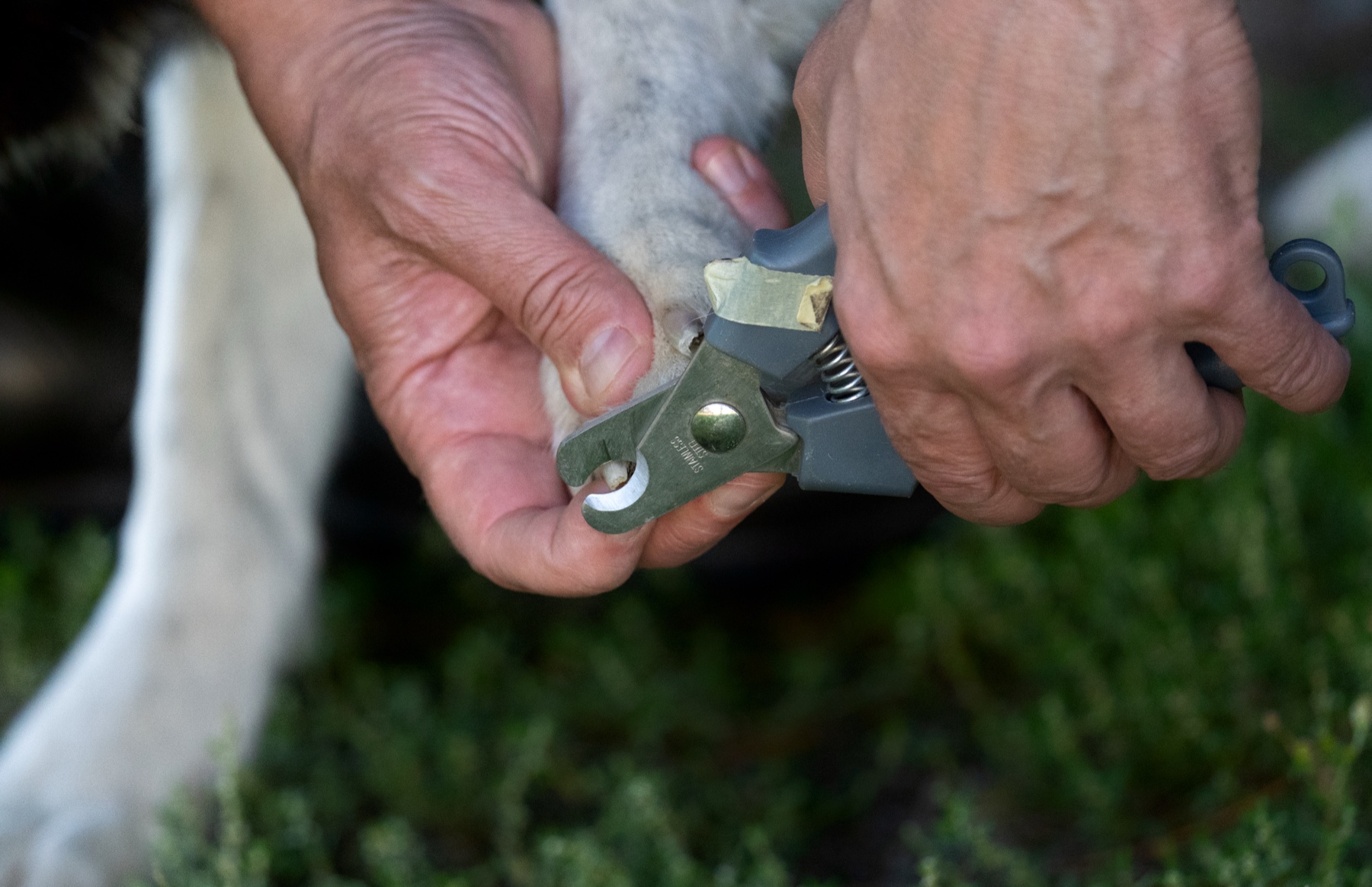
Best Dog Nail Clippers and Grinders for Nervous Dogs
The best nail tool for a nervous dog is usually the one that makes each session shorter and more predictable. A quiet grinder gives you gradual control and smooth edges, but its sound and vibration bother some dogs. A sharp scissor-style clipper is fast and nearly silent, but one decisive cut leaves less room for error. For most homes, our practical starting points are the Dremel PawControl for gradual grinding, Millers Forge Professional for a simple durable clipper, and Safari Professional Nail Trimmer for an accessible general-purpose option.
Dogthread may earn a commission if you buy through links on this page. That does not affect which products we include. This is an editorial buyer guide based on current product information, tool design, and practical fit criteria. We did not perform hands-on testing for this article, so prices, noise claims, battery performance, blade life, and fit should be checked before buying.
Quick Picks
| Pick | Best for | Who should skip it | | --- | --- | --- | | Dremel PawControl 7760-PGK | Owners who want gradual removal, variable speed, and a nail guard | Dogs frightened by motor noise or vibration; owners who need the fastest possible trim | | Casfuy 6-Speed Grinder | Budget-minded homes wanting multiple speeds and LED illumination | Anyone relying on an unverified decibel claim as proof their dog will tolerate it | | Millers Forge Professional Nail Clip | Medium and large dogs with owners comfortable making clean cuts | Tiny nails, limited hand strength, or anyone anxious about judging the quick | | Safari Professional Nail Trimmer | General-purpose scissor clipping in an appropriate size | Dogs that react to the squeeze or snap of clippers | | Resco Original Deluxe | Small and medium nails when a guillotine tool feels easier to position | Very thick nails or owners who find it hard to see exactly where the blade will land |
Clippers or Grinder: Which Is Better for a Nervous Dog?
Choose based on what your dog fears, not what the packaging calls “stress-free.” If motor sound and vibration cause the problem, a sharp clipper may be easier. If the sudden pressure and snap of a clipper cause the problem, a grinder may let you remove tiny amounts at a time.
A grinder usually fits: dogs that tolerate a low motor hum, dogs with dark nails where gradual work feels safer, and owners who want rounded edges.
A clipper usually fits: noise-sensitive dogs, dogs that can hold still for one quick cut, multi-dog homes that need speed, and owners who can clearly identify a safe cutting point.
Neither fits yet: a dog that panics, bites, thrashes, or cannot tolerate paw contact. In that situation, buying a quieter gadget is not the whole answer. Ask a veterinarian or qualified fear-free groomer about a safe handling plan. Never force the dog through a dangerous struggle.
Best Overall Grinder: Dremel PawControl 7760-PGK
Dremel's PawControl is the strongest all-around grinder choice because it combines a rechargeable cordless body, variable speed, and a nail-guard attachment with a 45-degree paw guide. Those features give cautious owners more control than a fixed-speed rotary tool.
Who it fits: medium and large dogs, thick nails, owners who prefer gradual trimming, and dogs that can be conditioned to sound and vibration.
Who should skip it: dogs that flee from electric toothbrushes, clippers, or other buzzing tools. The guard can help positioning, but it does not make contact foolproof or eliminate heat.
Home context: good for a planned grooming station where you can charge the tool and work in brief rounds. Long coats must be kept clear of the rotating drum.
Uncertainty: we verified the official guard, rechargeable 4V battery, and variable-speed positioning, but did not independently measure noise, runtime, torque, or temperature. Use light contact for a second or two at a time and keep checking the nail.
Best Budget Grinder: Casfuy 6-Speed Dog Nail Grinder
Casfuy's current six-speed model is appealing on paper: several speed settings, two LED lights, three grinding ports, a dust cap, and a rechargeable battery. The lower settings may help introduce a dog gradually, while the lights can improve visibility around pale nails.
Who it fits: small-to-large dogs whose owners want adjustability without moving to a full rotary-tool ecosystem.
Who should skip it: dogs already distressed by buzzing, and buyers who assume “quiet” means silent. Manufacturer and retailer noise figures are marketing claims, not a promise of how a particular dog will react.
Breed and coat fit: ports can help position small nails, while the exposed area may suit larger nails. Keep long fur away from every rotating part.
Uncertainty: Dogthread did not verify the advertised decibel level, battery life, motor torque, or long-term durability. Confirm the exact model because Casfuy sells several similar-looking versions.
Best Heavy-Duty Clipper: Millers Forge Professional Nail Clip
The red-handled Millers Forge Professional is a straightforward plier-style clipper often chosen for medium and large dogs. Its main advantage for a nervous dog is speed: with a sharp blade and correct placement, the cut itself is over immediately and there is no motor running beside the paw.
Who it fits: medium and large dogs with substantial nails, noise-sensitive dogs, and owners already comfortable clipping.
Who should skip it: very small dogs, people with weak grip, and anyone who freezes when choosing a cut line. A powerful clipper is useful only when the person can use it calmly.
Home context: a durable choice for a household with larger dogs and no desire to manage batteries or sanding bands.
Uncertainty: blade sharpness changes with use, storage, and maintenance. We did not test cutting force or blade longevity. Replace a tool that crushes, twists, or takes excessive pressure.
Best Easy-to-Find Scissor Clipper: Safari Professional Nail Trimmer
Safari's Professional Nail Trimmer is a conventional stainless-steel scissor-style tool sold in multiple sizes. It is a sensible first comparison for owners who want familiar handles and a quick cut without grinder vibration.
Who it fits: small, medium, or large dogs when you select the matching tool size; dogs calmer with silent tools; owners who want a readily available clipper.
Who should skip it: dogs startled by the pressure or clipping sound, and owners who may treat the safety stop as a substitute for seeing the nail. Stops are only positioning aids; nail anatomy varies.
Buying note: choose by nail thickness and hand control, not merely the dog's weight. Oversized jaws are clumsy on toy nails, while undersized clippers can squeeze thick nails instead of cutting cleanly.
Best Guillotine Option: Resco Original Deluxe
The Resco Original Deluxe uses a replaceable blade in a guillotine-style head. Some owners find it easier to place a small or medium nail through the opening than to line up opposing scissor blades.
Who it fits: small and medium nails, people who prefer a guillotine grip, and homes that value a replaceable blade.
Who should skip it: very thick nails, dogs that jerk their paw once the nail enters the opening, or owners who cannot get a clear sightline. The enclosed head can make the exact cut location feel less obvious.
Uncertainty: comfort is unusually personal with this tool shape. It is not automatically safer than scissor clippers; it is simply easier for some hands and worse for others.
Match the Tool to Dog Size and Nail Type
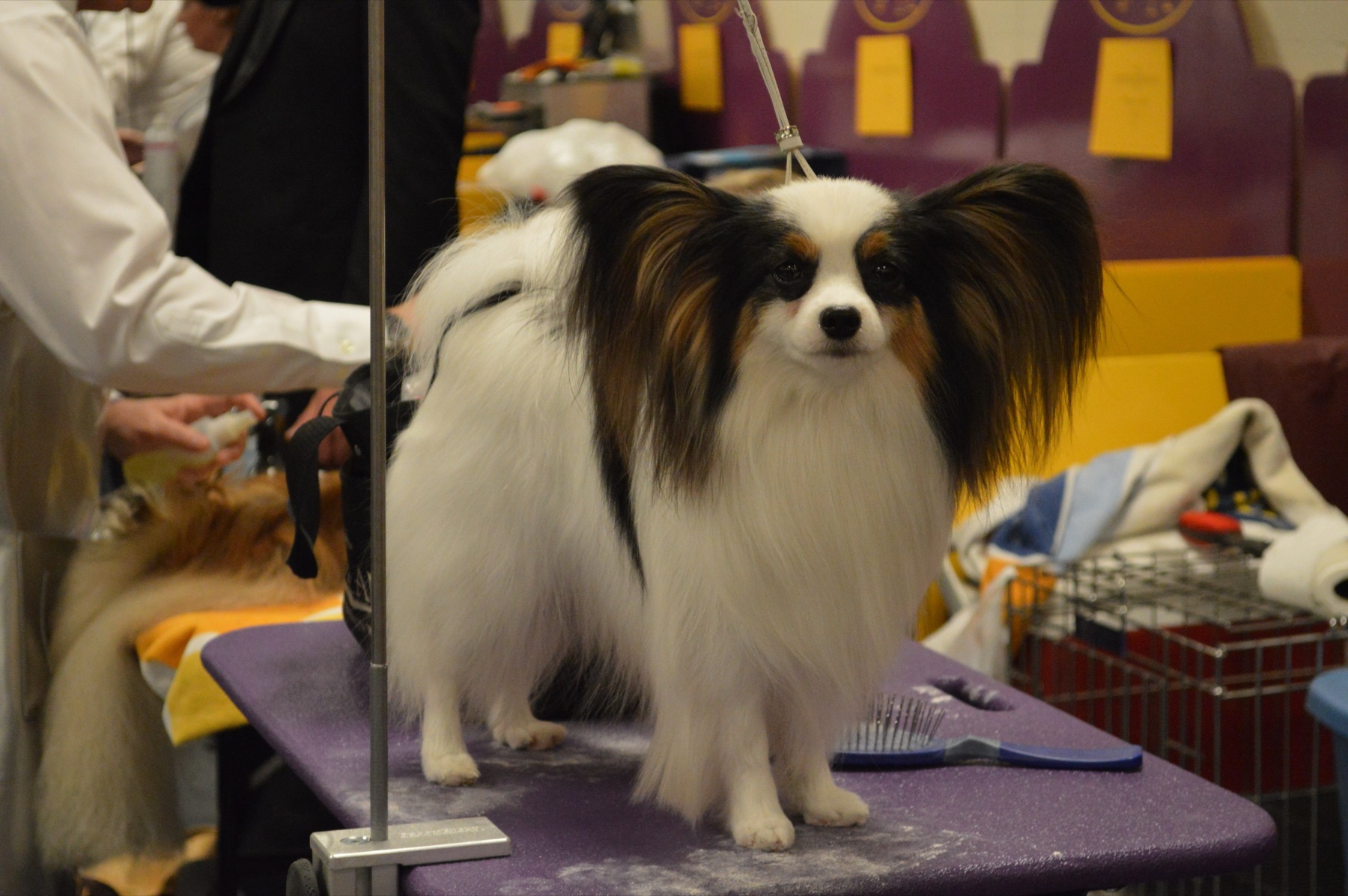
Toy and small breeds: prioritize a compact clipper jaw or a grinder port that does not swallow the nail. Fine nails need precision, not brute force. A small Safari or Resco can be easier to control than a heavy-duty clipper.
Medium dogs: most standard scissor clippers and pet grinders can work. Let behavior decide: clip for silence and speed, grind for gradual shaping.
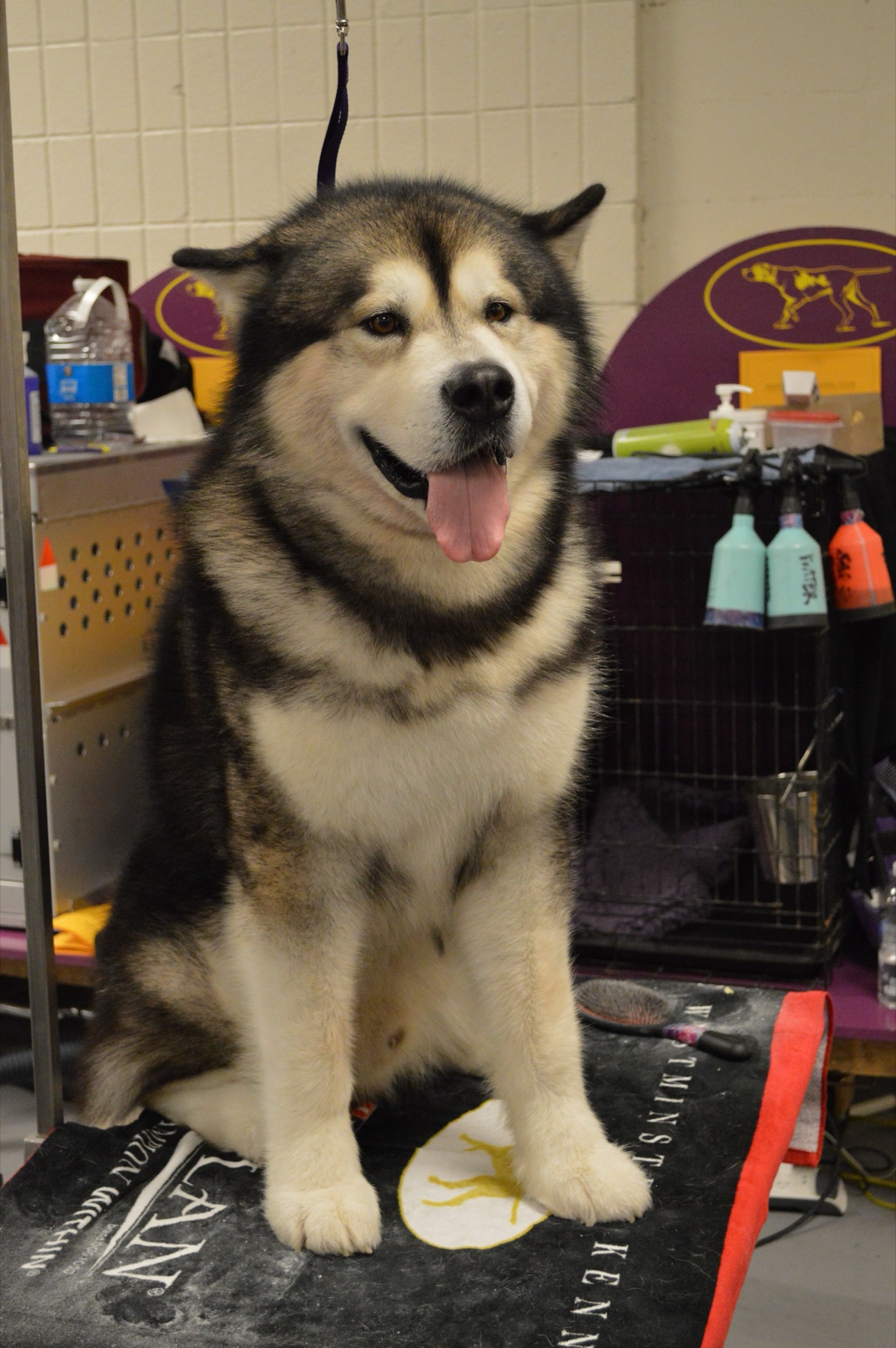
Large and giant breeds: thick nails demand sharp, correctly sized clippers or a grinder with enough torque to work without prolonged contact. Millers Forge and Dremel are the first two styles to compare.
Dark nails: no tool reveals the quick perfectly. Take very small amounts, inspect the cut surface frequently, and stop early if uncertain.
Long-haired paws: clippers avoid rotating parts. If using a grinder, restrain hair safely away from the drum; never let fur wrap around it.
What Matters More Than Brand
- Your dog's trigger: buzzing, vibration, paw restraint, pressure, or the clipping sound.
- Correct size: jaws and ports should match nail thickness.
- Visibility: you need a clear view and good lighting; LEDs help but do not identify the quick for you.
- Sharpness and control: dull clippers crush. Weak grinders prolong contact and heat.
- Session speed: nervous dogs often do better with one or two successful nails than a forced marathon.
- Consumables: check whether blades, sanding bands, drums, and batteries are replaceable.
- Return policy: tolerance cannot be predicted from specifications.
How to Introduce a Nail Tool Without Starting a Wrestling Match
Start below the dog's fear threshold. Put the tool on the floor, reward investigation, and stop. On another session, touch a shoulder or paw with the tool turned off. For a grinder, run it across the room before bringing it closer. For clippers, pair the sound of clipping a dry piece of pasta with food before approaching a nail.
Progress may mean one nail, or merely one calm paw touch. Use a non-slip surface, keep sessions short, and stop before either of you becomes frustrated. If a nail bleeds, apply styptic powder with gentle pressure and contact a veterinarian if bleeding does not stop promptly. If the dog may bite or cannot be handled safely, get professional help rather than escalating restraint.
Our Verdict
For a nervous dog that tolerates buzzing, start with the Dremel PawControl because gradual removal and variable speed give the handler room to be conservative. For a dog that hates motors but allows brief paw handling, use a correctly sized, sharp scissor clipper: Millers Forge Professional for thicker nails or Safari Professional for a broader range of sizes. Casfuy is the value grinder to compare, but treat its quietness and runtime as claims to verify. Resco makes sense only if the guillotine grip genuinely improves your sightline and control.
The best purchase is the tool that lets you end on a calm success. A premium grinder your dog considers a household demon is just an expensive paperweight.
Frequently Asked Questions
Are grinders safer than dog nail clippers?
Not automatically. Grinders remove nail gradually but can create heat, catch long fur, and frighten dogs with sound or vibration. Clippers are fast and quiet but can remove too much in one cut. Correct technique and your dog's tolerance matter more than the category.
What is the quietest option for a nervous dog?
A manual clipper has no motor hum, though it still makes a small snap and creates pressure. Among grinders, “quiet” is relative; published decibel claims do not predict an individual dog's response.
How often should I trim my dog's nails?
There is no universal schedule. Growth rate, surfaces walked on, nail shape, and gait all matter. Check regularly and ask your veterinarian or groomer to show you an appropriate length for your dog.
Can I use a human nail clipper on my dog?
Human clippers may work on the tiniest puppy nails, but dog-specific tools provide better leverage and geometry as nails thicken. Use a properly sized pet tool rather than forcing a human clipper through a substantial nail.
What if my dog will not let me touch a paw?
Do not jump straight to cutting. Work on brief, rewarded paw contact first. If your dog growls, bites, panics, or has painful paws, consult a veterinarian or qualified behavior/grooming professional before attempting a trim.