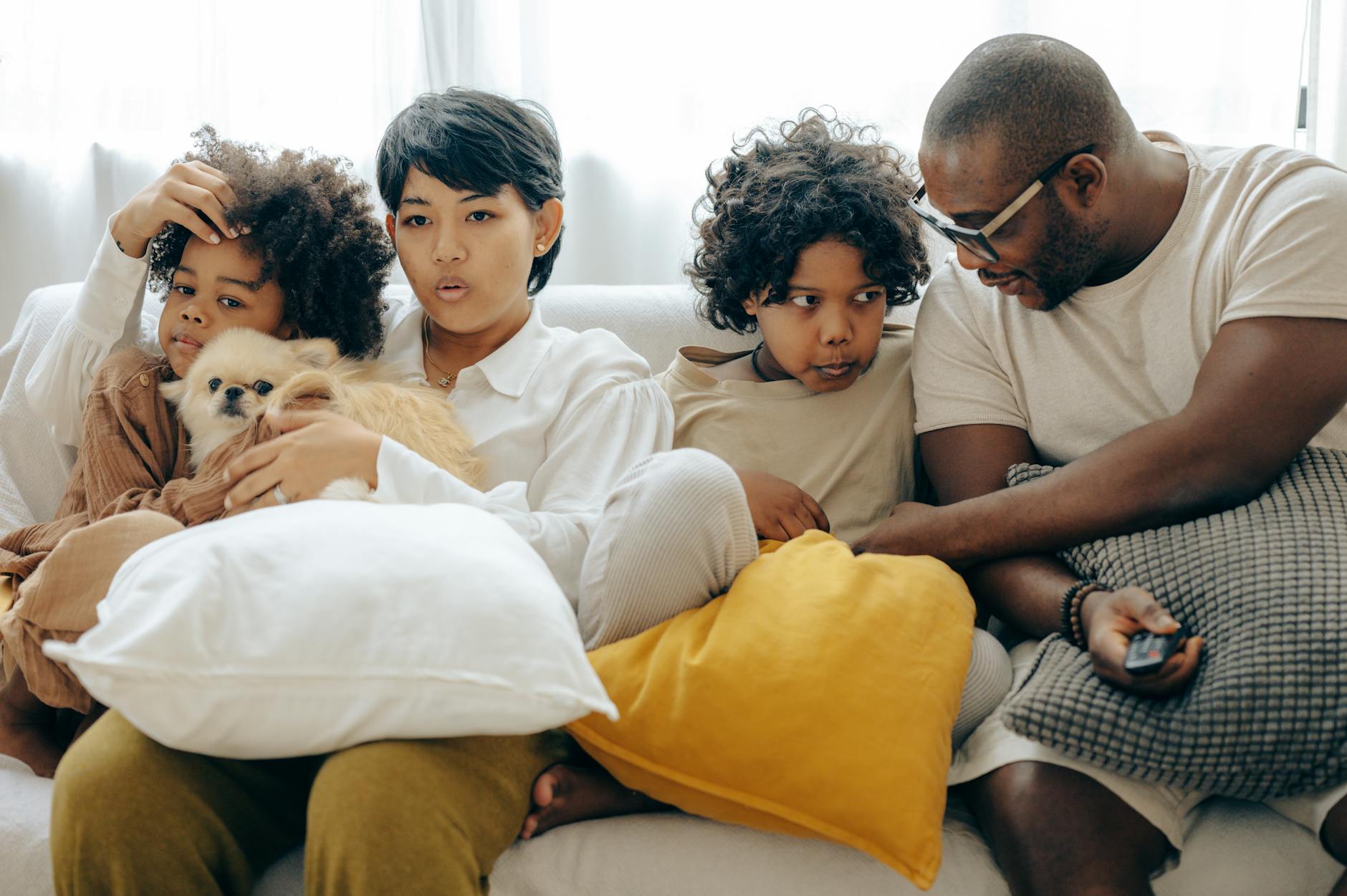
Best Dogs for Families: How to Choose the Right Breed for Your Home
The best family dog is not the breed with the cutest puppy photo, the softest ears, or the strongest lobby on the internet. It is the dog whose size, energy, temperament, grooming needs, training demands, and adult personality fit the actual humans in your house — not the fantasy version of your house where everyone wakes up early, vacuums cheerfully, and nobody leaves socks on the floor like tiny surrender flags.
Some breeds are famous for being family-friendly: Golden Retrievers, Labrador Retrievers, Beagles, Cavalier King Charles Spaniels, Poodles, Bernese Mountain Dogs, Collies, Boxers, and many mixed-breed dogs can be wonderful with children. But “good with families” is not a magic label. Individual temperament, socialization, training, age, health, breeder or rescue history, and household habits matter just as much as breed reputation.
Quick answer: The best dogs for families are usually friendly, tolerant, trainable, stable, and matched to your home’s energy level. Active families often do well with Golden Retrievers, Labrador Retrievers, Standard Poodles, Collies, or some sporting and herding breeds. Lower-key homes may prefer Cavalier King Charles Spaniels, Bichon Frises, some smaller companion breeds, or mature adult dogs. Families with young kids should prioritize predictable temperament, manageable size, safe supervision, and realistic grooming/exercise needs over popularity.
Start with your family, not the breed list
Most “best family dogs” lists start with breeds. That is useful, but it can also trick people into shopping by reputation. The better first step is to map your household.
Ask:
- How old are the children?
- Is anyone nervous around dogs?
- How much daily exercise can the adults truly provide?
- Do you have a fenced yard, apartment, townhouse, acreage, or shared outdoor space?
- How much shedding can you tolerate?
- How much barking will your neighbors tolerate?
- Who will train the dog every day?
- Who will handle grooming, vet visits, food, walks, and cleanup?
- How often is the house empty?
- Do you want a puppy, adolescent, adult, or senior dog?
This is where many families get painfully honest. A high-energy puppy sounds adorable until it is raining, the kids are late for school, someone stepped in an accident, and the puppy is chewing a chair leg with the focus of a tiny union carpenter.
Breed matters, but lifestyle fit matters first.
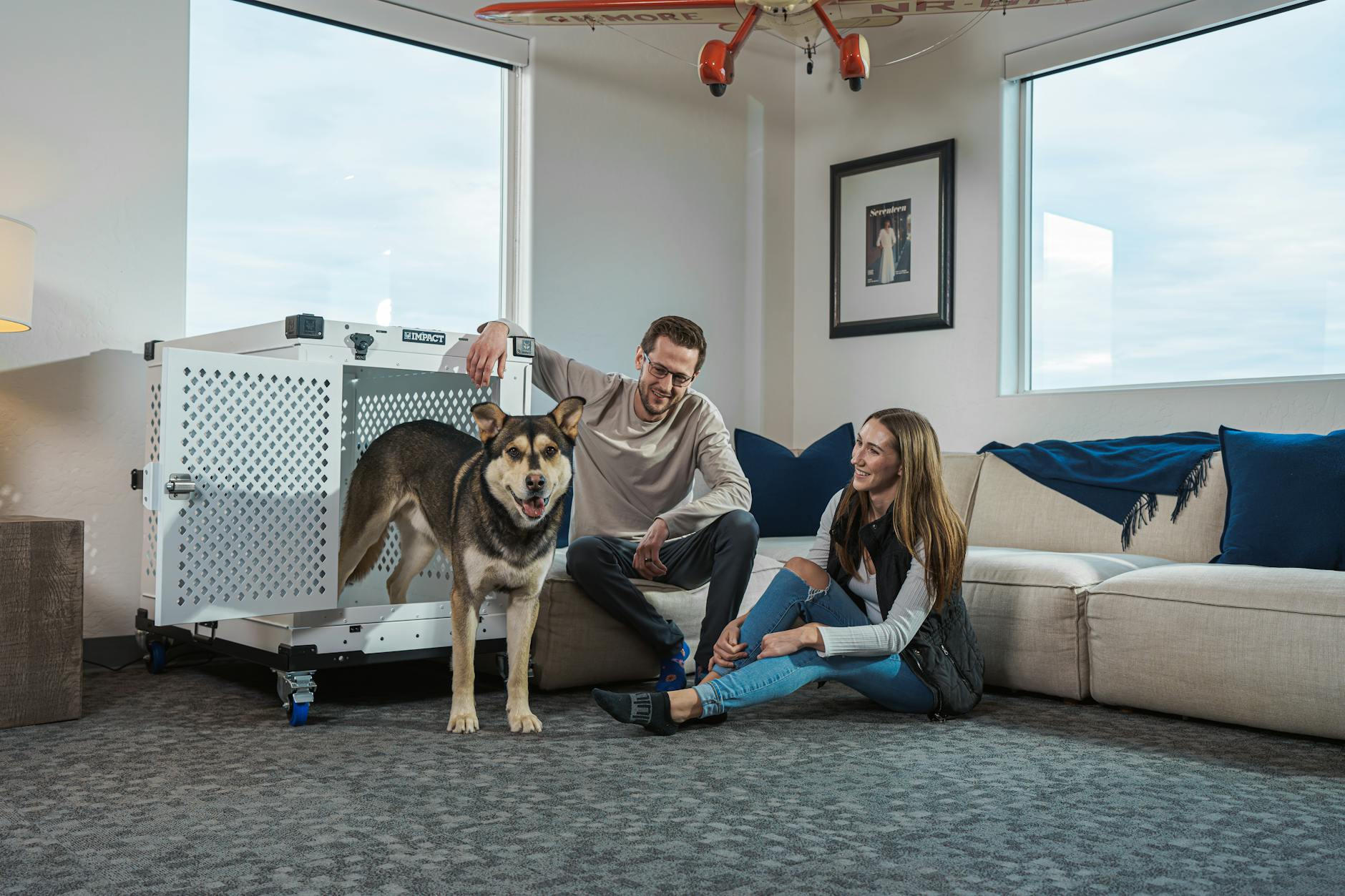
Choose the dog around your actual household rhythm first; breed reputation comes after that.
What makes a dog good for families?
A good family dog is usually not just “nice.” The best fit tends to combine several traits.
Stable temperament matters most. Family life is noisy, unpredictable, and full of dropped snacks, fast movements, doorbells, guests, and emotional weather systems disguised as children. A family dog should be reasonably steady, not easily overwhelmed by normal household activity.
Trainability matters because the dog must learn manners around children, guests, food, toys, doors, and walks. A loving dog with no impulse control is still a lot of dog.
Tolerance is helpful, but not unlimited. No dog should be expected to tolerate ear pulling, climbing, chasing, hugging, or harassment. “Good with kids” does not mean “available for toddler-based product testing.”
Energy level must match reality. Active dogs can be brilliant in active homes. In under-exercised homes, they can become barky, destructive, mouthy, or frantic. Lower-energy dogs can be easier day to day, but they still need walks, enrichment, training, and social contact.
Manageable size matters. Large dogs can be gentle and wonderful, but they can also knock over small children accidentally. Tiny dogs can be sweet, but some are fragile around rough play. Match size to your kids’ ages, coordination, and ability to follow rules.
Best family dog breeds by household type
There is no single winner. The best family dog depends on the family.
Active families who want an outdoorsy companion
Good breeds to research include Golden Retrievers, Labrador Retrievers, Standard Poodles, Collies, Australian Shepherds, and some mixed-breed sporting or herding dogs. These dogs can be fun for families who hike, walk, swim, train, play fetch, or want a dog involved in daily life.
The tradeoff is exercise and mental work. A Lab or Golden is not a self-operating stuffed animal. A bored retriever can become a counter-surfing philosopher of food. A bored herding dog may begin reorganizing the children like livestock, which is funny until it is your child.
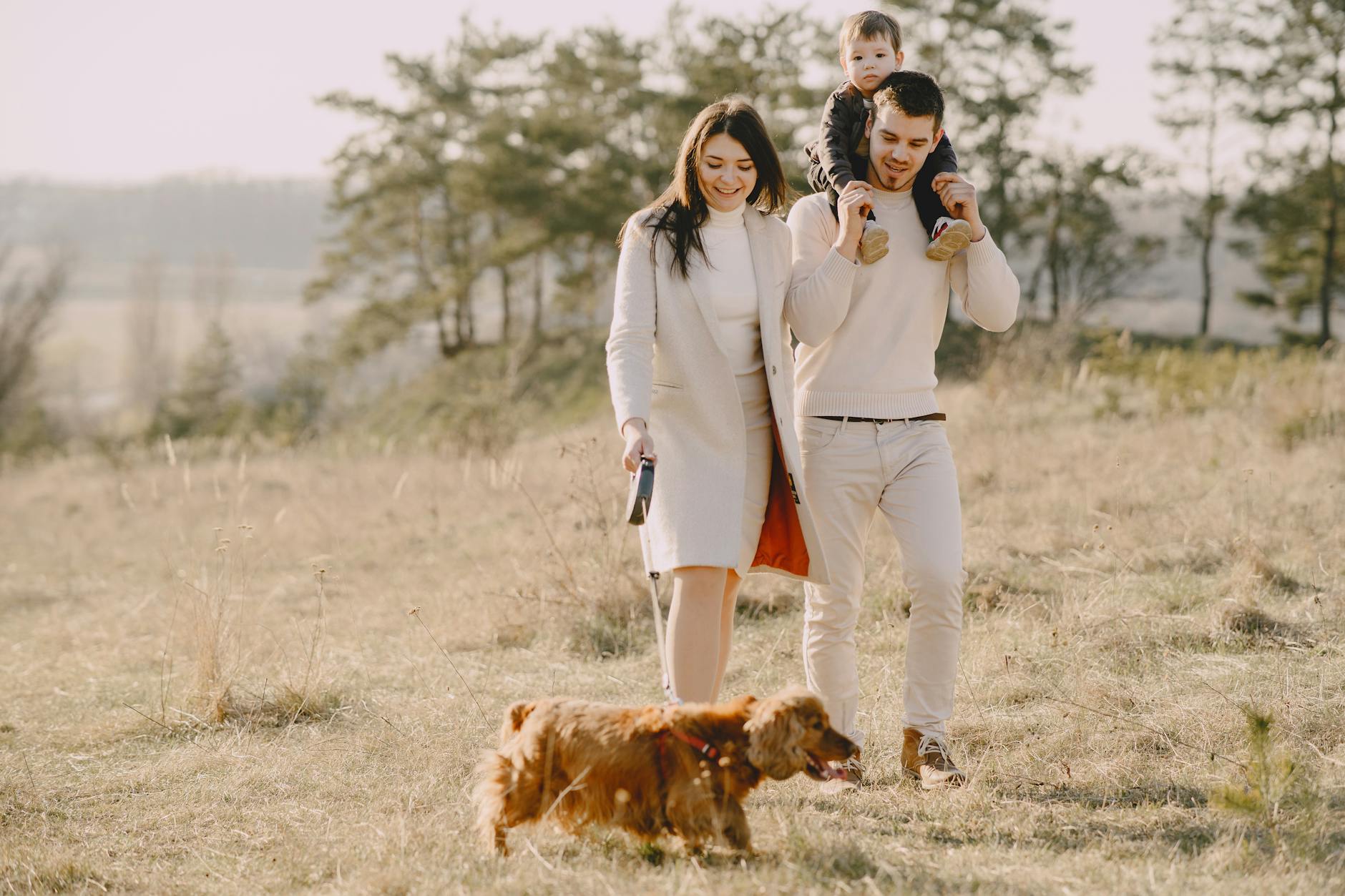
Active breeds work best when the family already has the time and energy to keep them moving.
Families with young children
Look for predictable, tolerant, people-oriented dogs with moderate energy and good early socialization. Golden Retrievers, Labradors, Cavaliers, Bichons, some Poodles, and many calm adult mixed-breed dogs may fit well.
For young children, an adult dog with a known temperament may be easier than a puppy. Puppies bite, jump, steal toys, and need constant management. This is normal puppy behavior, not moral failure, but it can overwhelm families already deep in snack logistics.
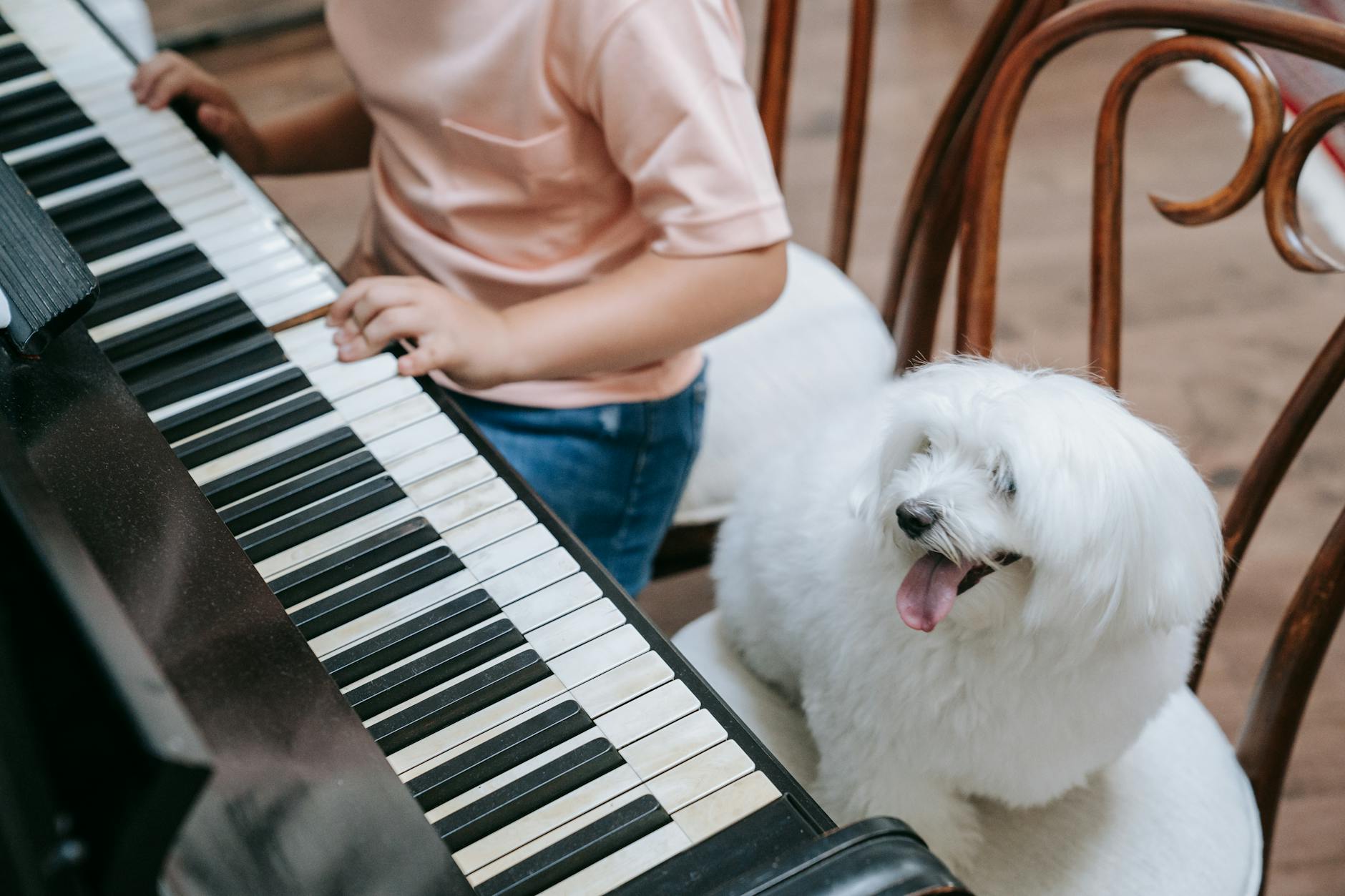
For young kids, supervision and a predictable temperament matter more than a breed’s reputation.
Families in apartments or smaller homes
Smaller space does not automatically mean smaller dog. It means you need to manage exercise, noise, and routine. Cavalier King Charles Spaniels, Bichon Frises, Havanese, some smaller Poodles, Whippets, and calm adult dogs may be worth researching.
Be careful with high-barking breeds or dogs bred for intense work if your building has thin walls and neighbors with the patience of a smoke alarm.
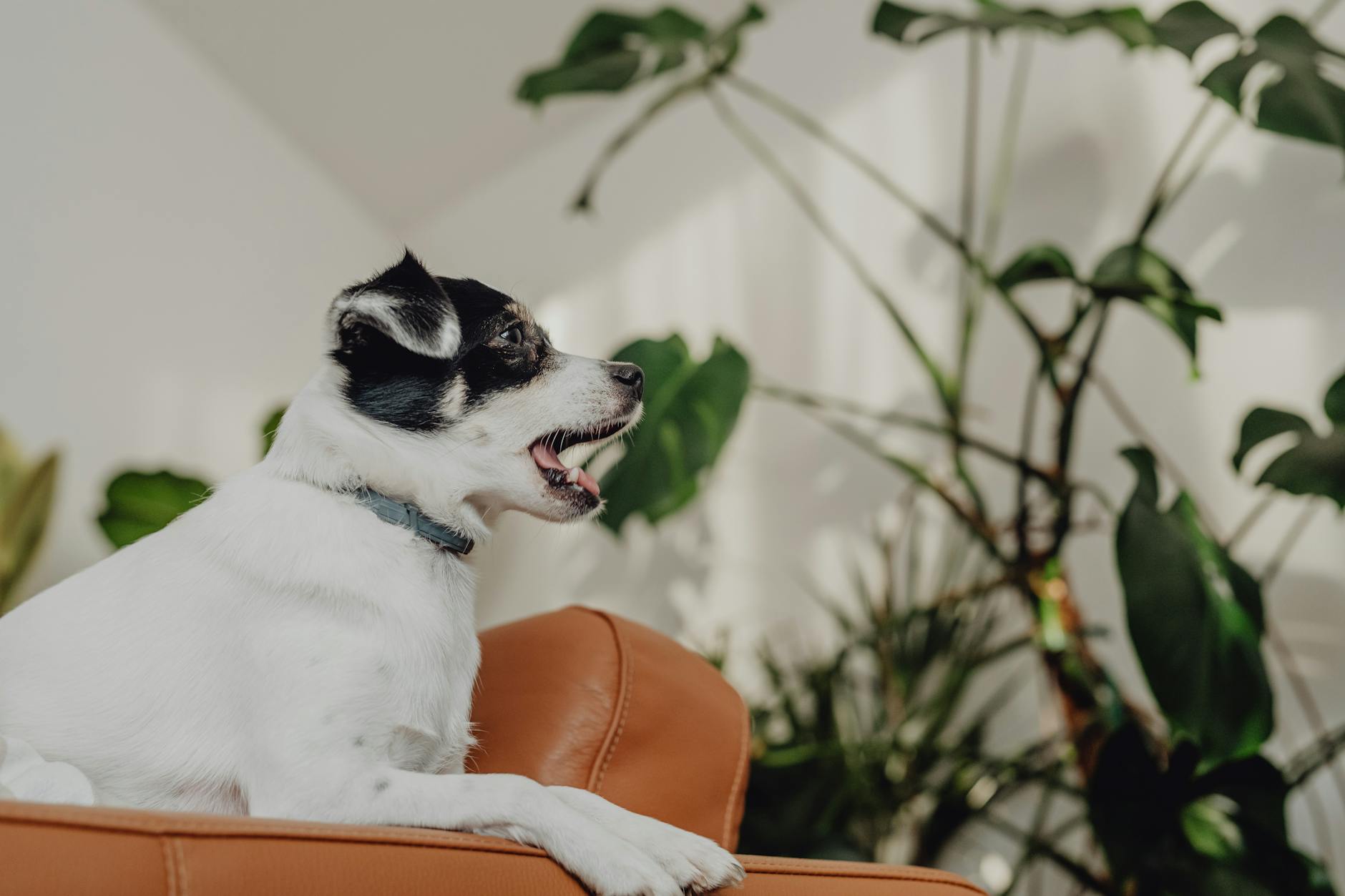
Smaller homes can work well for dogs when exercise, noise, and routine are handled honestly.
Families with allergies or low-shedding needs
No dog is truly hypoallergenic for everyone, but some breeds shed less or spread less hair around the home. Poodles and some Poodle mixes, Bichon Frises, Portuguese Water Dogs, and other low-shedding breeds are commonly considered by allergy-sensitive families.
The tradeoff is grooming. Low-shedding coats often require professional grooming, brushing, trimming, and mat prevention. Hair does not disappear. It sends an invoice.
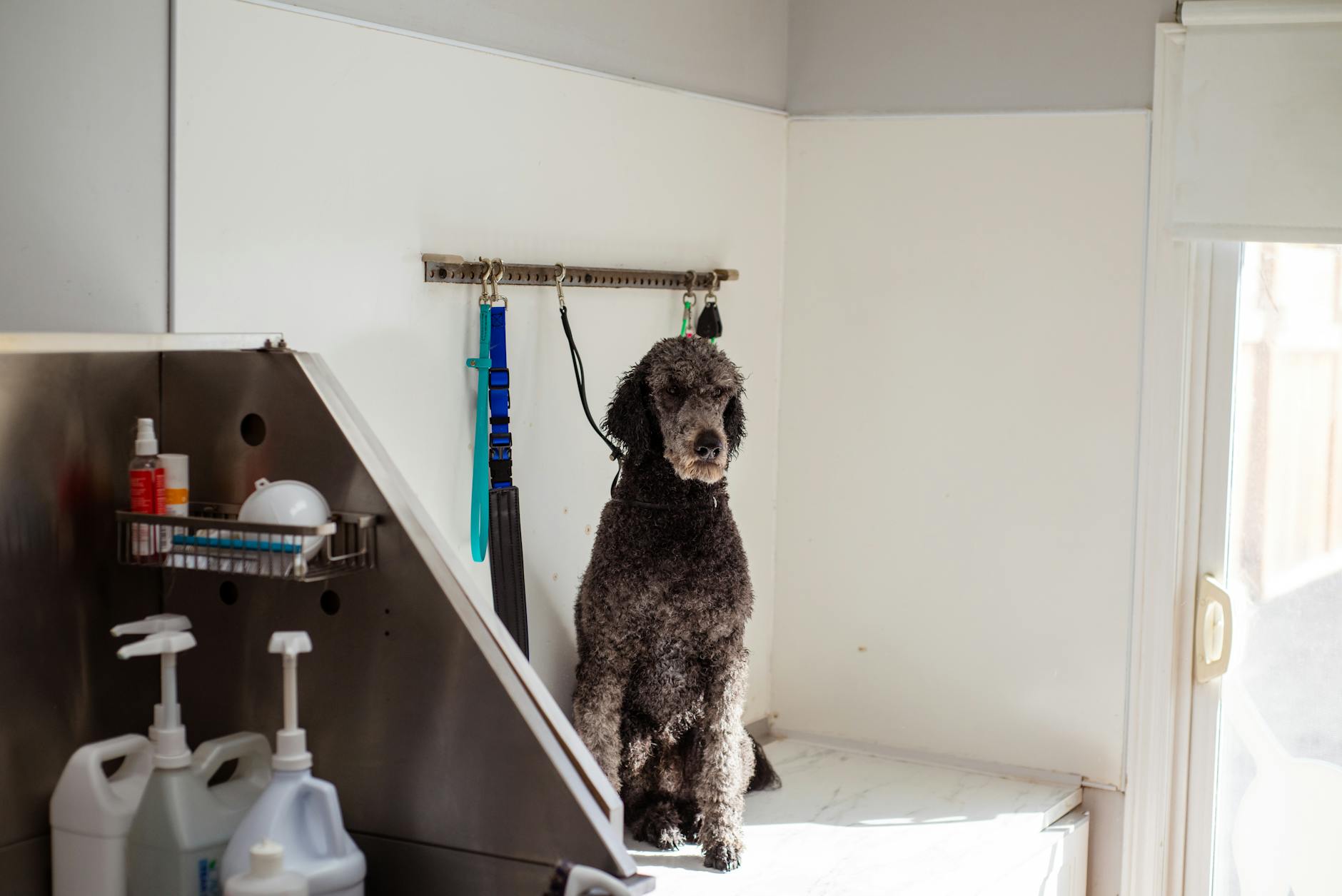
Low-shedding usually means more brushing, trimming, and grooming budget — not less maintenance.
Families who want a calmer first dog
Consider adult dogs, breed mixes with known foster histories, Cavaliers, Bichons, Havanese, older Labradors or Goldens, or other dogs whose individual temperament has been observed in a home setting.
A calm adult rescue or rehome can be a better family fit than a famous family breed puppy from a poor source. The word “puppy” does a lot of emotional crimes in decision-making.
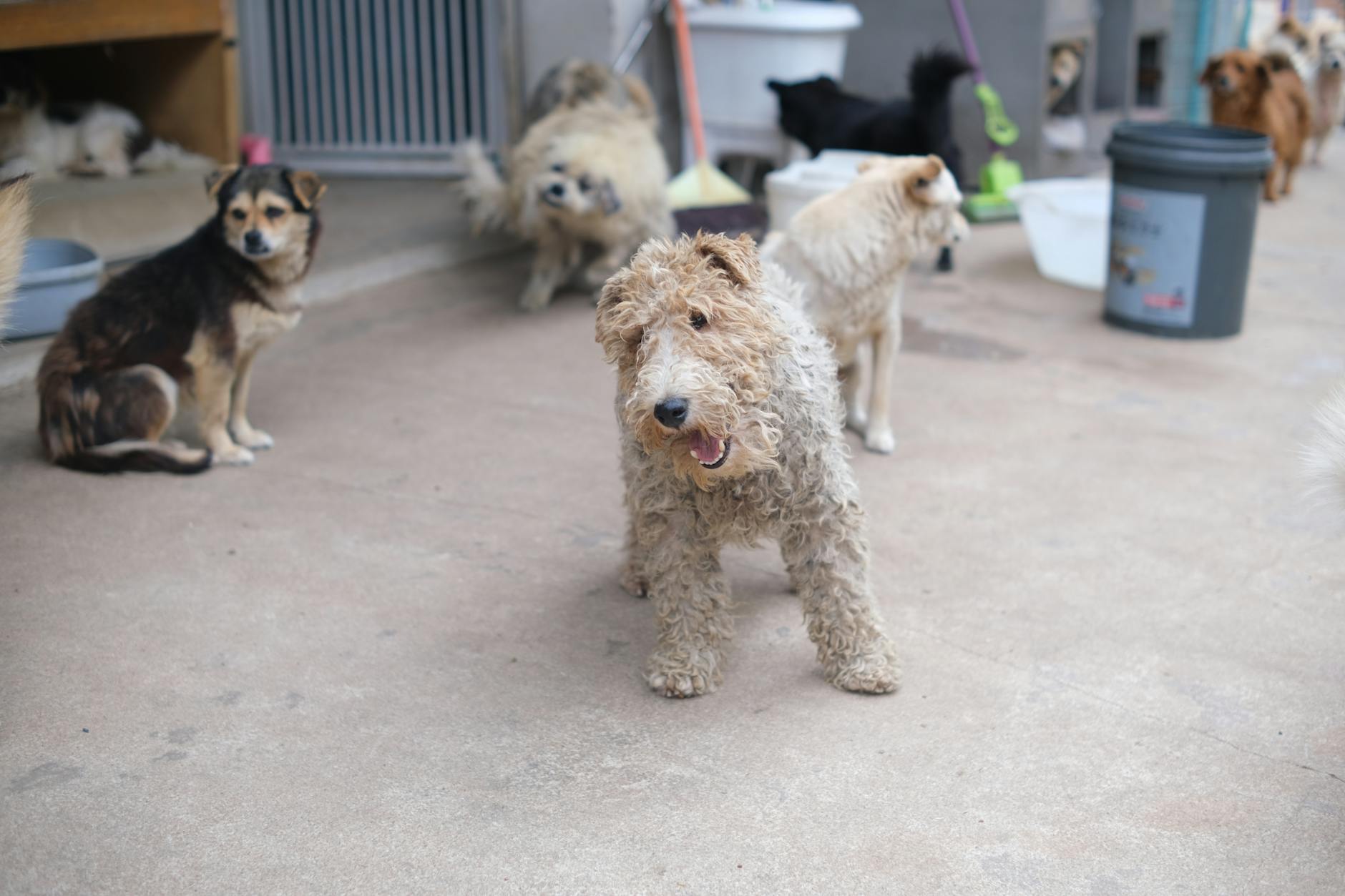
Popular family breeds can be wonderful, but each one comes with tradeoffs in size, energy, grooming, noise, or training.
Popular family breeds and their real tradeoffs
Golden Retriever
Golden Retrievers are friendly, affectionate, trainable, and often excellent with families. They are also active sporting dogs that shed heavily, need exercise, and may be mouthy as puppies. A Golden fits families who want a social, involved dog and can handle hair, mud, training, and daily attention.
Labrador Retriever
Labradors are social, sturdy, playful, and commonly great family dogs. They can also be intense, food-motivated, energetic, and physically strong. Labs need training for jumping, leash pulling, counter surfing, and polite greetings. “Friendly” is lovely. “Friendly at 70 pounds with no brakes” is a furniture event.
Beagle
Beagles can be cheerful, compact, social, and funny family dogs. Their noses are not hobbies; they are operating systems. Beagles may follow scent, bark or bay, raid food, and treat recall as a legal suggestion unless training and management are consistent.
Cavalier King Charles Spaniel
Cavaliers are often affectionate, gentle, and manageable in smaller homes. They can be lovely companion dogs for calmer families. Health considerations are important with this breed, so responsible sourcing and veterinary care matter. They are not rugged backyard equipment; they are soft little emotional interns.
Poodle
Poodles come in toy, miniature, and standard sizes and are intelligent, trainable, and low-shedding compared with many breeds. They can fit many family types when well matched. The tradeoff is grooming and mental stimulation. A smart dog with no outlet becomes a tiny project manager with teeth.
Bernese Mountain Dog
Bernese Mountain Dogs are gentle, affectionate, and often wonderful with families who have space and can handle a giant breed. They shed, drool, mature slowly, and can have significant health considerations. They are beautiful dogs, but they are not small decisions.
Collie
Collies can be gentle, intelligent, and family-oriented, with a classic reputation around children. They may be vocal, sensitive, and need grooming depending on coat type. Herding instincts vary, and training matters.
Boxer
Boxers are playful, affectionate, and clownish. They can be great with active families, but they are strong, bouncy, and slow to mature. Their enthusiasm may be too much for toddlers unless managed carefully.
Mixed-breed dogs
Mixed-breed dogs can be outstanding family companions. The advantage, especially with adults in foster homes, is that you may get real information about temperament, energy, kid comfort, and home manners. Do not overlook them because they do not arrive with a breed brochure and a publicist.
Puppy or adult dog for a family?
Families often default to puppies because puppies are adorable and because everyone wants the dog to “grow up with the kids.” That can work beautifully, but it is not always the easiest route.
Puppies require potty training, bite inhibition, sleep routines, socialization, supervision, safe chewing, vet visits, and months of consistency. They are not blank slates. They are tiny chaos interns learning office policy by shredding it.
Adult dogs can be easier if their temperament is known. A foster-based rescue or thoughtful rehome may tell you whether the dog has lived with children, cats, other dogs, stairs, crates, apartments, or busy households. Adult dogs still need transition time and training, but you may avoid the hardest puppy phase.
For families with toddlers, an adult dog with a calm, observed temperament can be safer and more practical than a mouthy large-breed puppy. For families with older children who want to help with training, a puppy may be rewarding if the adults are truly ready to manage it.
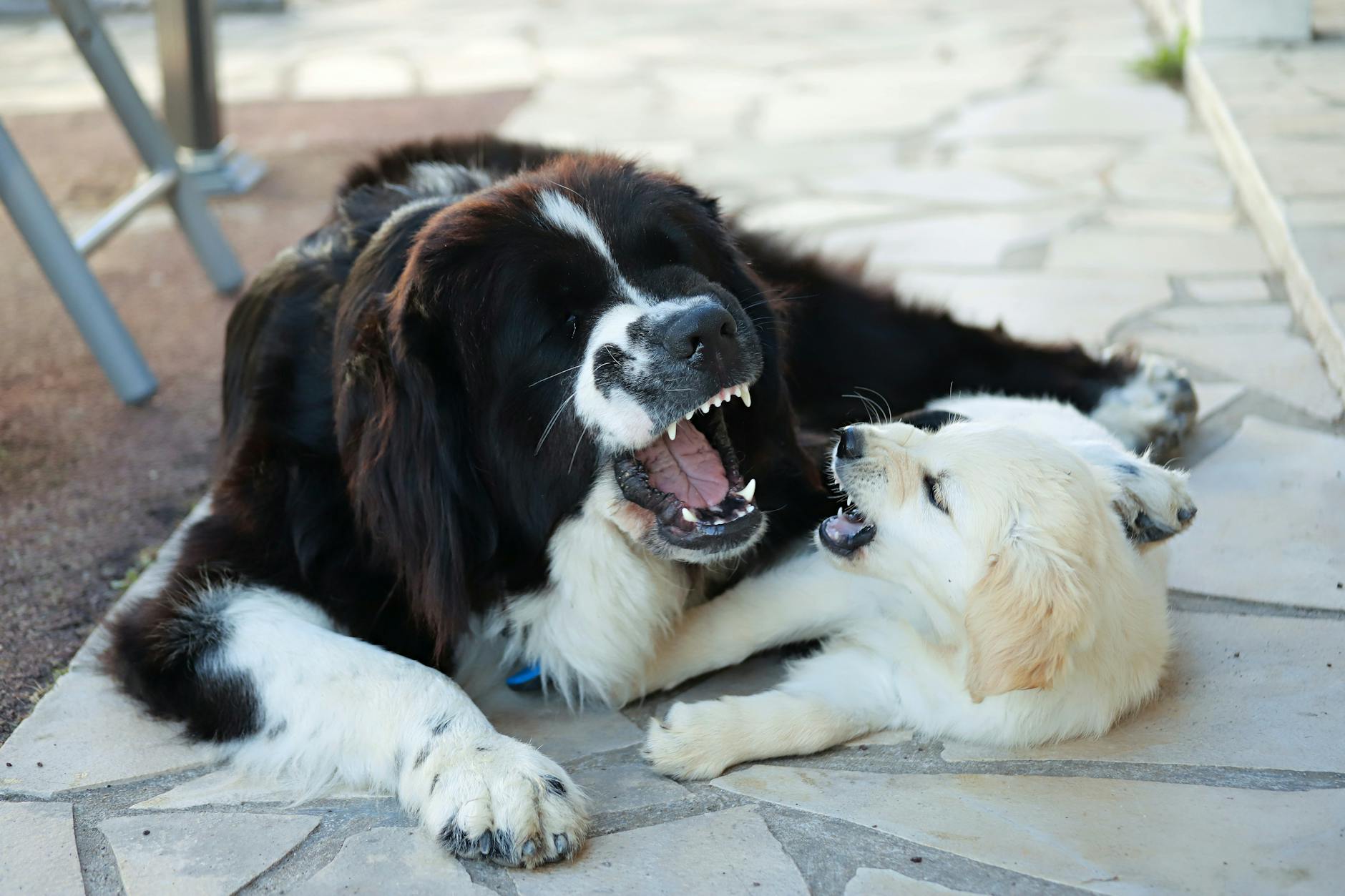
Puppies are adorable, but a calm adult dog with known behavior can be the easier fit for many families.
Safety rules for dogs and kids
No breed choice replaces supervision. Children and dogs both need rules.
Teach kids:
- do not climb on dogs
- do not pull ears, tails, lips, or fur
- do not bother dogs while eating or sleeping
- do not take toys or chews from the dog
- do not hug dogs who are trying to move away
- do not chase or corner the dog
- call an adult if the dog seems scared, stiff, growly, or overwhelmed
Teach dogs:
- calm greetings
- settle on a mat or bed
- drop it and trade
- leave it
- gentle mouth habits
- walking manners
- waiting at doors
- safe separation from children when needed
A family dog needs safe zones: crate, gated room, bed, or quiet area where children do not bother them. Everyone deserves a break, including the dog. Especially the dog.
How to choose a responsible source
Whether you choose a breeder, rescue, shelter, or rehome, the source matters.
A responsible breeder should be open about temperament, health screening, breed tradeoffs, puppy socialization, parent dogs, and whether the breed fits your home. They should not sell every puppy as perfect for every family. That is not breeding; that is retail with fur.
A good rescue or shelter process should help match temperament and household fit. Ask whether the dog has been around kids, other pets, traffic, crates, grooming, visitors, and normal home routines. If history is unknown, be honest about your risk tolerance and management ability.
Avoid sources that pressure you, dodge health or temperament questions, refuse basic transparency, or treat breed popularity as proof of fit.
A simple family dog decision checklist
Before choosing a dog, work through this checklist:
- Children’s ages: toddler, preschool, school-age, teen?
- Adult commitment: who walks, trains, feeds, cleans, and schedules vet care?
- Energy match: daily exercise you can actually provide, not aspirational hiking content
- Size match: safe around your children and manageable for adults
- Shedding/grooming: hair tolerance, grooming budget, brushing routine
- Noise: barking tolerance in your home and neighborhood
- Alone time: how long the dog is left and what enrichment/support exists
- Training style: are adults ready to be consistent?
- Health considerations: breed risks, vet budget, insurance, preventive care
- Source quality: responsible breeder, rescue, shelter, or rehome with honest information
If a breed looks perfect except for one deal-breaking daily reality, believe the daily reality. It shows up every day. That is why they call it daily.
Best dogs for families by quick category
Best classic family all-rounders: Golden Retriever, Labrador Retriever, Poodle, Collie, many adult mixed-breed dogs.
Best for active families: Labrador Retriever, Golden Retriever, Standard Poodle, Collie, Australian Shepherd for very committed homes, some sporting mixes.
Best for smaller homes: Cavalier King Charles Spaniel, Bichon Frise, Havanese, Miniature Poodle, Whippet, calm adult mixed-breed dogs.
Best for lower shedding needs: Poodle, Bichon Frise, Portuguese Water Dog, some Poodle mixes — with the major caveat that grooming demands go up.
Best gentle giants for prepared homes: Bernese Mountain Dog, Newfoundland, Great Pyrenees in the right setting, and other large breeds only when space, training, grooming, and health costs make sense.
Best underrated option: a calm adult dog whose temperament has been observed around families. The best family dog may not be the breed you searched first.
FAQ
What is the best dog breed for families?
There is no single best breed for every family. Golden Retrievers, Labrador Retrievers, Poodles, Collies, Cavaliers, Beagles, Bernese Mountain Dogs, and many mixed-breed dogs can be excellent family dogs when matched to the right home.
What dog is best for families with small children?
Families with small children should prioritize a stable, tolerant temperament, manageable size, and safe supervision. A calm adult dog with known kid experience may be easier than a young puppy, even if the puppy belongs to a famously family-friendly breed.
Are small dogs better for kids?
Not always. Small dogs can be easier to manage physically, but some are fragile or uncomfortable with rough handling. Large dogs can be gentle but may knock over children accidentally. Match size to your children’s age and behavior.
Are mixed-breed dogs good family dogs?
Yes. Mixed-breed dogs can be wonderful family companions, especially when their temperament has been observed in a foster or previous home. Individual fit matters more than whether the dog is purebred.
Should families get a puppy or an adult dog?
Puppies can be rewarding but require intense supervision and training. Adult dogs can be easier when their temperament is known. Families with toddlers may find a calm adult dog more practical than a mouthy puppy.
What is the biggest mistake when choosing a family dog?
The biggest mistake is choosing by breed popularity or puppy cuteness instead of daily reality: energy, training, grooming, size, noise, alone time, and who in the household will actually do the work.