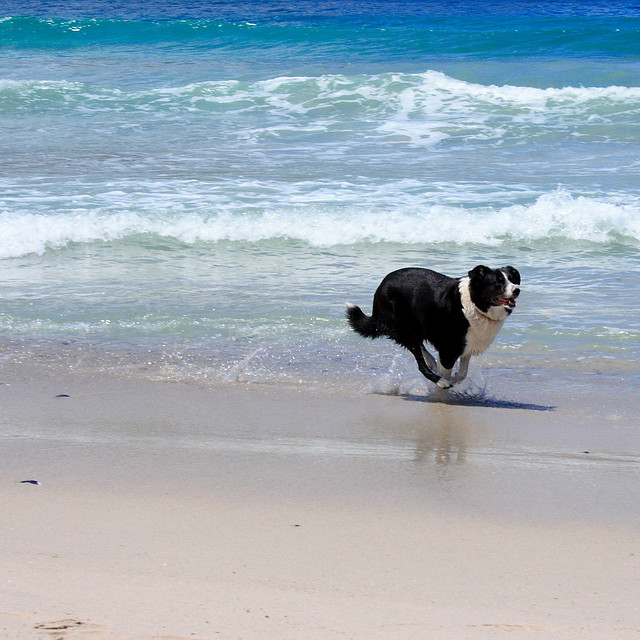
Border Collie Energy: What Owners Should Know Before Getting One
Border Collies are high-energy dogs, but the bigger commitment is their need for purposeful mental work. Most need substantial daily exercise, short training sessions, chances to sniff and explore, and practice settling down. A long walk alone may leave the dog physically tired but mentally unemployed.
Before getting one, ask whether you can provide a structured routine every day—not merely a huge weekend hike. A well-matched Border Collie can be an attentive, athletic companion. A bored one may invent work by chasing movement, barking, pacing, dismantling the garden, or organizing children who did not request management.
Why Border Collies have so much energy
Border Collies were developed to move and control livestock over demanding ground along the border country of Britain. Shepherds valued dogs that could notice small changes at a distance, respond quickly to direction, work independently when needed, and keep going.
That history explains more than stamina. Modern Border Collies often bring a package of traits:
- intense awareness of motion
- quick learning and strong pattern recognition
- persistence when a task is unfinished
- sensitivity to handler cues and environmental changes
- a desire to control movement through stalking, circling, staring, or chasing
These traits vary by individual and breeding line, but they are the reason “just add another walk” is an incomplete energy plan. The breed was selected to make decisions while working with a person, not simply to run until the battery icon turns red.
How much exercise does a Border Collie need?
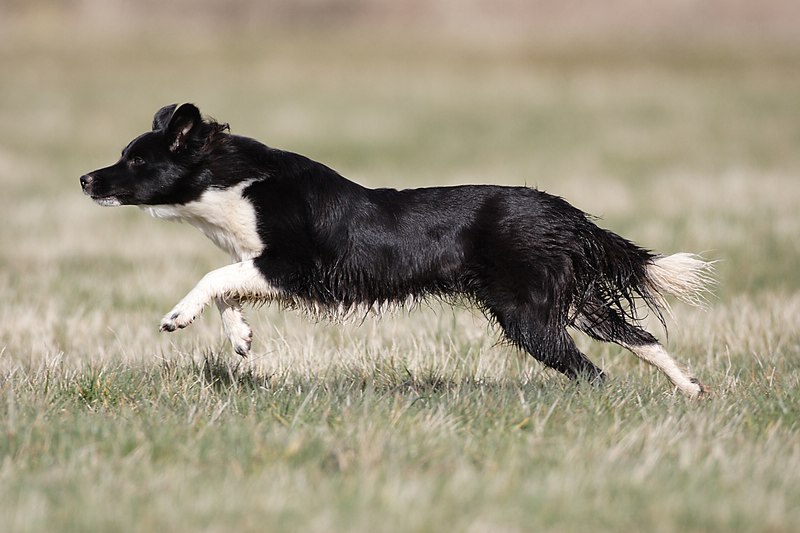
There is no honest minute count that fits every Border Collie. Age, health, temperament, weather, training history, and the intensity of the activity all matter. Many healthy adults need considerably more daily activity and engagement than the average companion dog, usually spread across the day rather than delivered in one exhausting burst.
A useful adult routine might combine:
- a brisk walk or safe off-leash movement where permitted
- a slower sniff-focused outing
- two or three brief training or problem-solving sessions
- interactive play with clear start and stop cues
- ordinary household time and deliberate rest
Running beside a bike, repetitive jumping, and endless high-speed fetch are not automatic shortcuts to a calm dog. They can build fitness without teaching an off-switch, and repetitive impact may be unsuitable for growing dogs or dogs with health concerns. Ask your veterinarian about age-appropriate exercise, especially for puppies, senior dogs, or dogs starting a new high-impact activity.
Mental work matters as much as mileage
A Border Collie can finish a fast game and still scan the room for the next assignment. Mental enrichment gives that attention somewhere useful to go.
Good options include:
- scent searches for food or a favorite toy
- short obedience, trick, or cooperative-care sessions
- food puzzles adjusted to avoid frustration
- hide-and-seek with a family member
- learning names for toys or household routines
- controlled tug, retrieve, or disc foundations
- dog sports such as agility, rally, nose work, tracking, or herding with qualified instruction
Rotate activities instead of making every day an entertainment arms race. Five thoughtful minutes of learning can be more useful than repeatedly launching a ball until everyone loses judgment.
The off-switch is a skill, not factory equipment
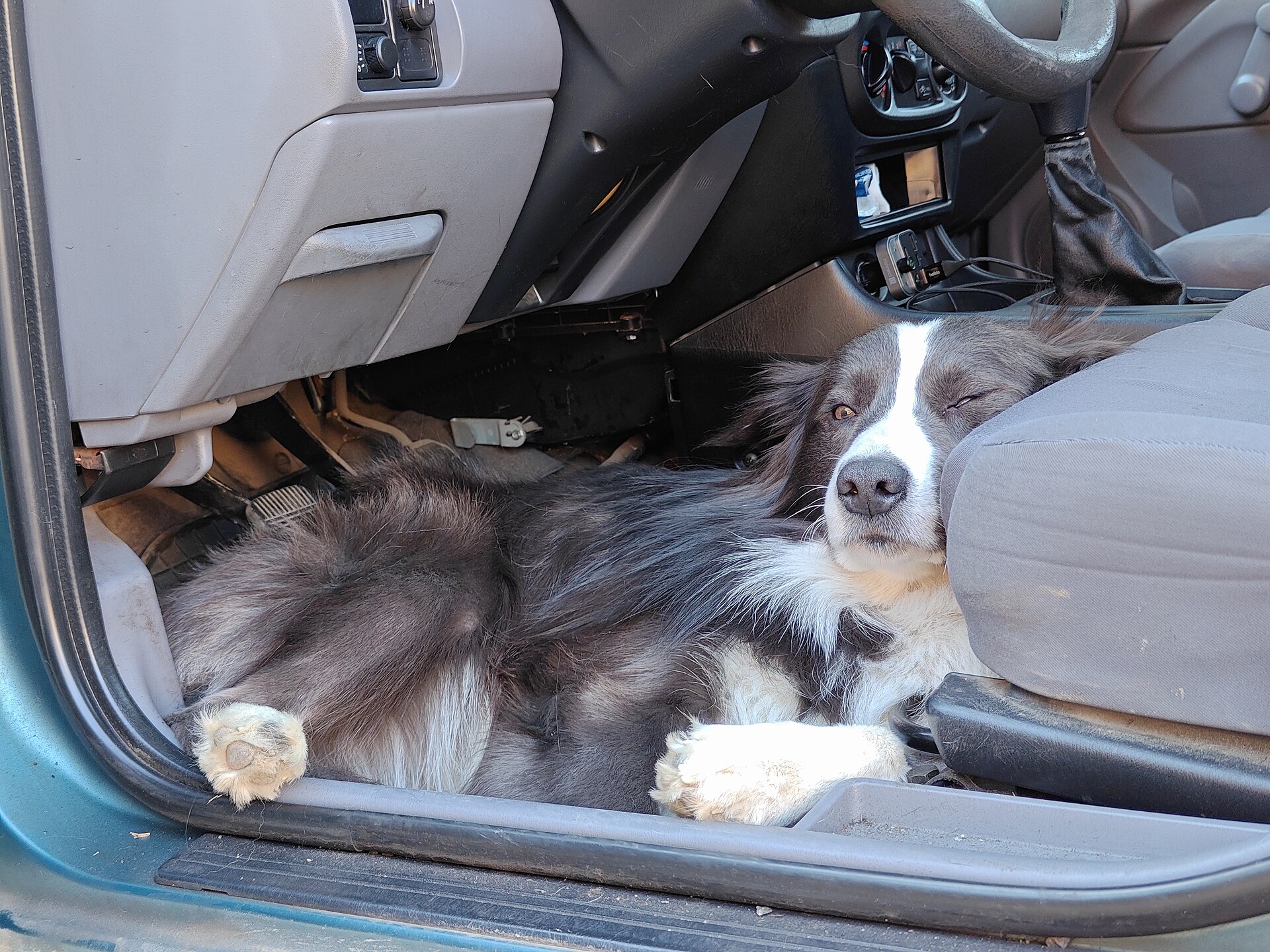
Some Border Collies settle naturally; others need help learning that nothing happening is also a legitimate event. Constantly responding to restlessness with more exercise can accidentally create a dog who expects nonstop service.
Teach calmness alongside activity:
- Give the dog a comfortable bed or mat away from busy windows.
- Reward quiet choices such as lying down, softening the body, or disengaging from movement.
- Keep high-arousal games brief and finish with a predictable cue.
- Follow exciting activity with water, a calm sniff, chewing, or rest.
- Protect regular sleep and downtime, especially for puppies.
If a dog cannot settle, start by checking basic needs and the environment. Persistent pacing, panting, vocalizing, destructive behavior, or sudden restlessness can also have medical or anxiety-related causes; discuss changes with a veterinarian rather than assuming the dog simply needs a harder workout.
What understimulation can look like
Boredom is not the only possible cause of difficult behavior, but an underworked Border Collie may show:
- chasing cars, bicycles, runners, shadows, or other pets
- nipping at heels or trying to gather children
- demand barking or repeatedly dropping toys at people
- digging, chewing, escaping, or fence running
- staring, pacing, spinning, or difficulty disengaging
- overreacting to normal household movement
Do not punish herding behavior as if the dog plotted it out of spite. Prevent rehearsal first: use secure fences, leashes, gates, visual barriers, and distance from triggers. Then teach an incompatible response such as checking in, going to a mat, searching for scattered food, or moving with you.
Chasing vehicles is immediately dangerous. Use physical management and work with a qualified reward-based trainer or behavior professional. Compulsive-looking behaviors, self-injury, or abrupt behavior changes deserve prompt professional and veterinary assessment.
Is a big yard enough?
No. A yard is useful for toileting, play, and training, but it does not provide a job by itself. Many high-drive dogs simply patrol the fence, rehearse barking, or wait at the door for a person to make something happen.
Apartment life is possible for the right dog and committed owner because routines matter more than lot size. The tradeoff is that every toilet trip, sniff walk, training session, and exercise outlet must be deliberately supplied. A rural property is not a free pass either; livestock, roads, wildlife, and machinery make reliable management essential.
Puppies should not follow an adult workout plan
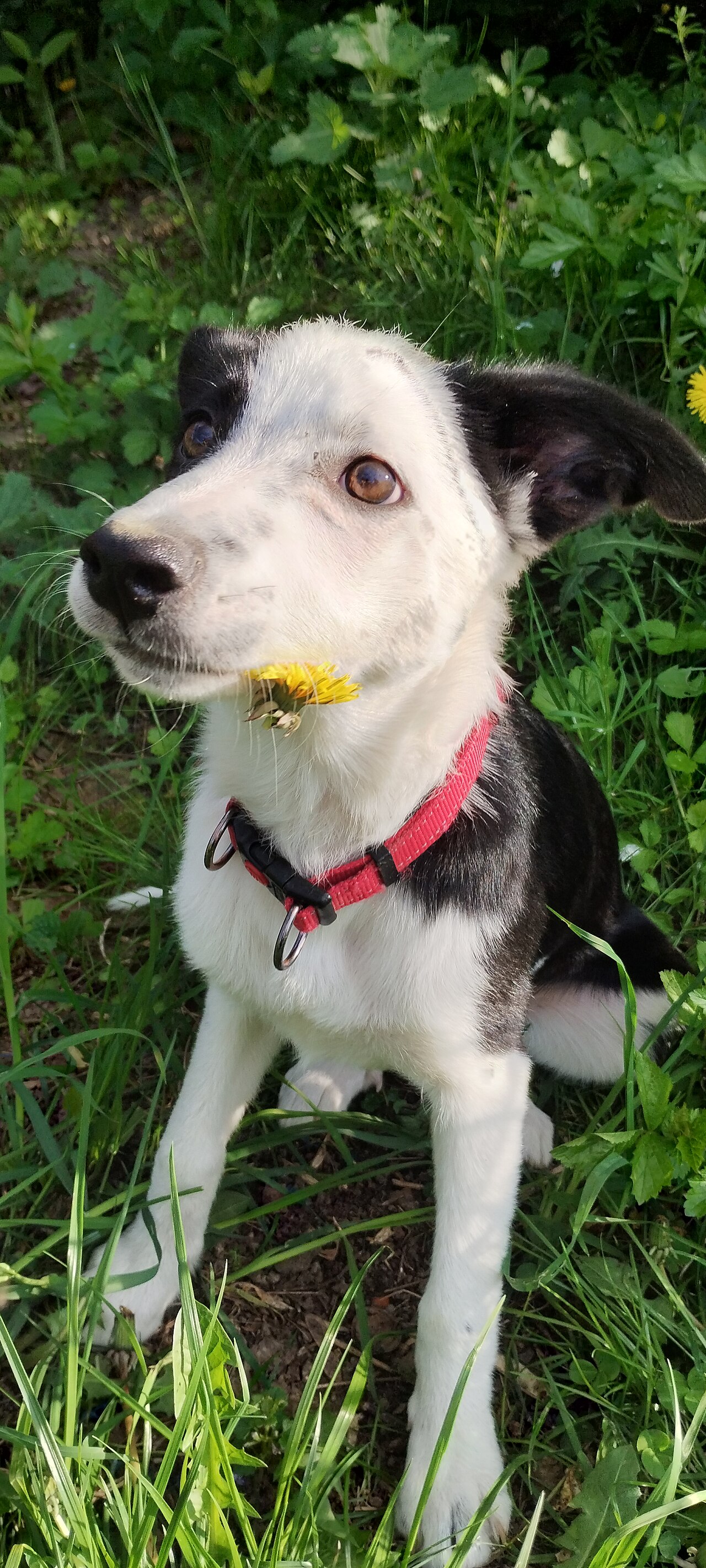
Border Collie puppies may look ready to run forever, but enthusiasm is not evidence that growing joints and minds need adult workloads. Favor short, varied outings on appropriate surfaces, exploration at the puppy’s pace, gentle skill building, socialization without flooding, and lots of sleep.
Avoid using forced-distance running, repeated jumping, sharp turns, or endless fetch to “take the edge off.” Your veterinarian can help tailor exercise to the puppy’s development and health. The most valuable early lessons are often recall, leash skills, handling, disengaging from motion, and settling—not athletic conditioning.
Who is a Border Collie a good fit for?
A Border Collie may fit you if you genuinely enjoy training, can build dog activities into ordinary weekdays, and are comfortable managing sensitivity and motion-driven behavior. You do not need sheep, but you do need a plan.
The breed is often a strong match for someone who:
- wants an interactive working partnership
- enjoys hiking, training, or dog sports
- can provide consistent routines and safe outlets
- values a highly responsive dog more than an easygoing one
- is willing to teach calmness, not only activity
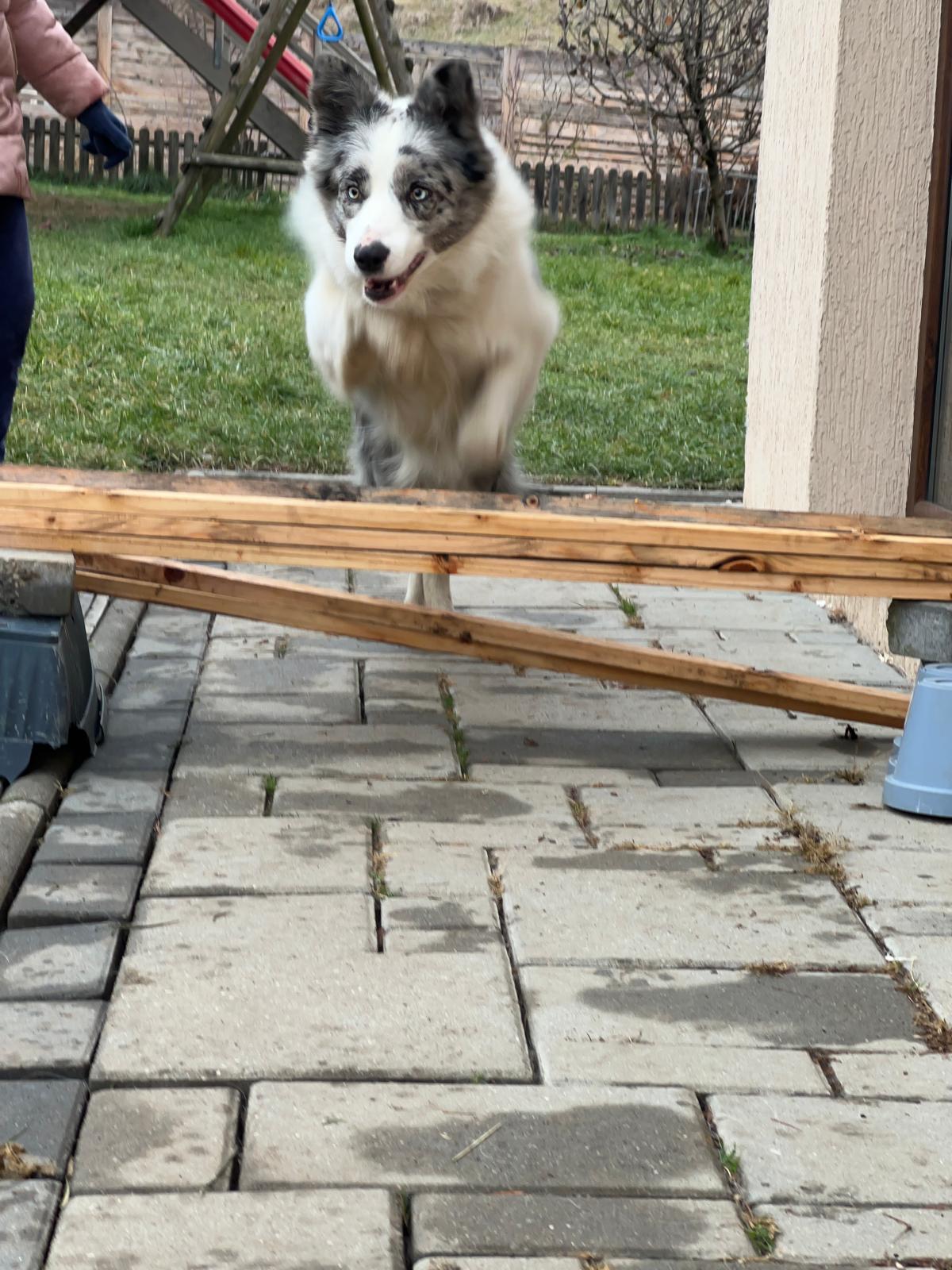
Who should think twice?
Think carefully if you want a dog who is content with occasional walks, spend long unpredictable hours away, dislike daily training, or expect children and another dog to provide exercise. Border Collies can live in families, but chasing and nipping may make young children or fast-moving pets a difficult match without careful selection, supervision, and management.
Also remember that the breed label does not guarantee a personality. Working lines, sport lines, show lines, rescue histories, and individual temperaments can differ substantially. Speak honestly with a responsible breeder or rescue about your normal Tuesday—not the heroic outdoors version of yourself who appears twice a year.
Questions to ask before bringing one home
Use these questions as a reality check:
- Who handles morning exercise when it is dark, cold, or raining?
- What will the dog do while the household works or attends school?
- Which safe places allow running, sniffing, or training?
- Can the home prevent chasing of traffic, livestock, cats, or children?
- What calm activities can replace high-arousal play?
- Is there access to veterinary care and a qualified trainer if problems appear?
- Can this routine continue for years, including during busy seasons?
If the answers rely on a yard, another pet, or “we will tire the dog out,” the plan needs work.
A realistic weekday routine
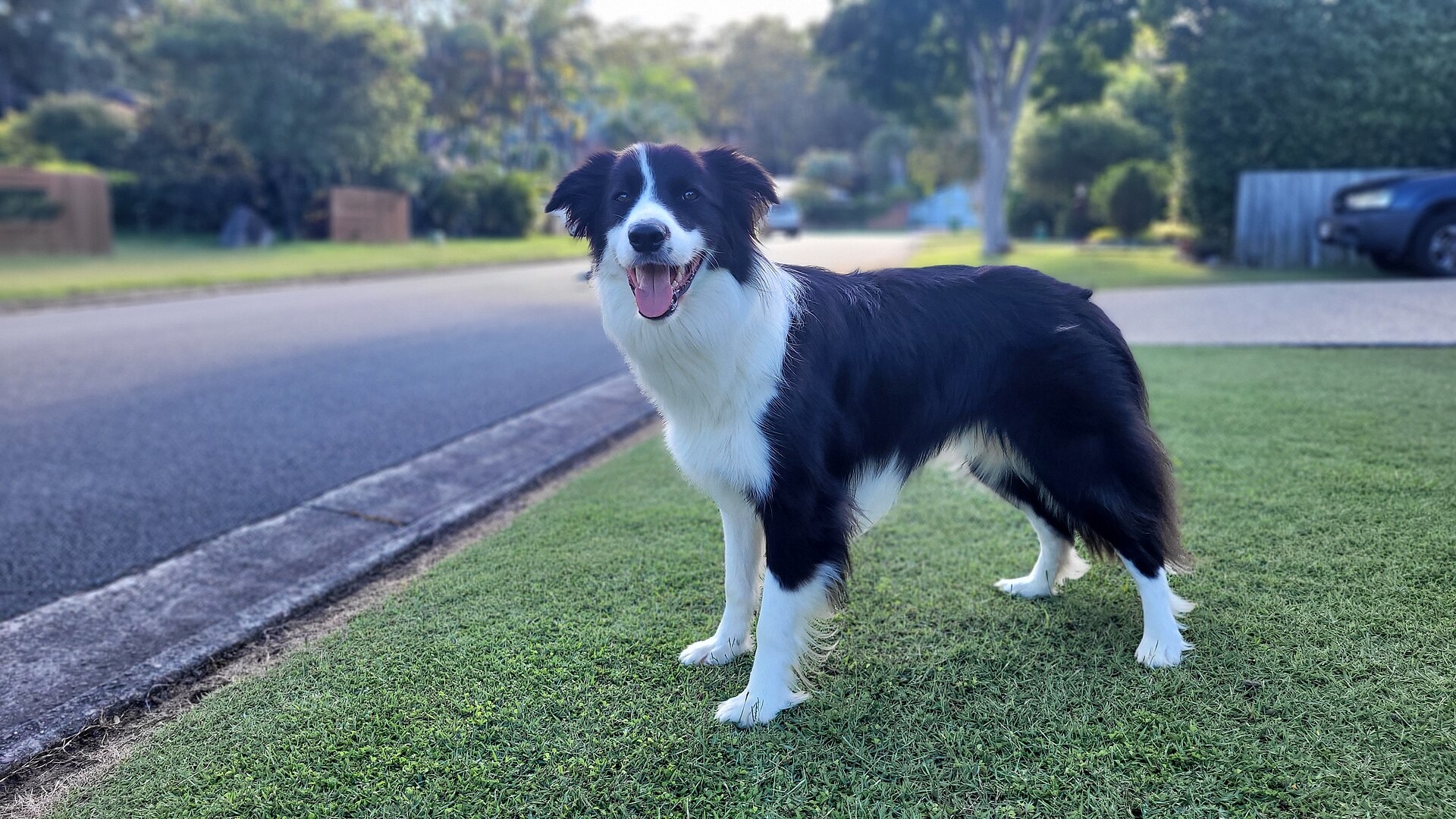
One workable pattern for a healthy adult might be a purposeful morning outing with sniffing and a few training repetitions, a midday toilet and enrichment break, and a longer evening walk or structured activity. Add several minutes of calm practice and let the dog sleep between events.
The exact routine matters less than the balance:
- move the body without relying entirely on repetitive intensity
- use the brain through learning, scent, and problem solving
- meet breed tendencies safely without letting the dog chase everything
- practice recovery so arousal can come back down
- adjust for the individual rather than chasing an internet quota
For broader breed context, pair this owner-fit assessment with Dogthread’s Border Collie feature. Our dog body language guide can help you spot stress and overarousal, while the recall and loose-leash guides cover two foundations that make an energetic dog easier to live with.
Frequently asked questions
Can a Border Collie be a family dog?
Yes, for a family prepared to provide structured activity, training, supervision, and calm time. Motion sensitivity and herding behavior can be challenging around young children, so individual temperament and household management matter.
Do Border Collies calm down with age?
Many mature and become easier to settle, but age does not erase the breed’s working traits. Training an off-switch and maintaining appropriate outlets are more reliable than waiting for a birthday to fix the routine.
Can you tire out a Border Collie by running?
Running may meet part of the dog’s physical needs, but it can also create a fitter dog who still wants mental work. Combine suitable exercise with sniffing, learning, problem solving, and recovery. Introduce sustained or high-impact exercise only when appropriate for the dog’s age and health.
Can a Border Collie live in an apartment?
Yes, some can, if the owner deliberately provides outdoor access, exercise, enrichment, training, and quiet rest. Apartment size does not replace the daily routine, and noise or motion outside windows may require management.
Are two Border Collies easier than one?
Usually not. A second dog adds individual exercise, training, cost, management, and the possibility that the dogs amplify each other’s arousal. Get another dog because you can meet both dogs’ needs, not as a self-operating enrichment device.
Methodology and update note
This article is an editorial synthesis of the Border Collie’s livestock-working history, current breed guidance, and conservative exercise and behavior principles. It does not claim veterinary, breeder, or professional training expertise. Exercise should be adjusted to the individual dog, and medical or serious behavior concerns require an appropriate professional.
Review this page when major veterinary exercise guidance or breed-welfare recommendations change.