
Cavalier King Charles Spaniel Temperament and Owner Fit
Cavalier King Charles Spaniels are typically affectionate, gentle, sociable dogs that want to be involved in daily family life. They often suit first-time owners, apartment dwellers, families with considerate children, and older adults—but only when the home can provide plenty of company, moderate daily exercise, regular grooming, and realistic veterinary planning.
The poor fit is a household that wants an independent dog, leaves the dog alone for long stretches, or chooses the breed for its small size without preparing for its health risks. A Cavalier is easy to love. That does not automatically make one easy to own.
Cavalier temperament at a glance
Most Cavaliers combine two sides:
- Companion dog: affectionate, people-oriented, physically close, and often friendly with visitors
- Spaniel: curious, playful, responsive, interested in scents, birds, movement, and outdoor exploring
That mix is the breed’s appeal. A Cavalier may happily walk through the neighbourhood, investigate every hedge, and then spend the evening pressed against somebody on the sofa.
Breed tendencies are useful starting points, not guarantees. Genetics, early experience, health, training, and the individual dog all affect temperament. A shy Cavalier is still shy even if a breed description says “friendly,” and a confident one still needs polite introductions.
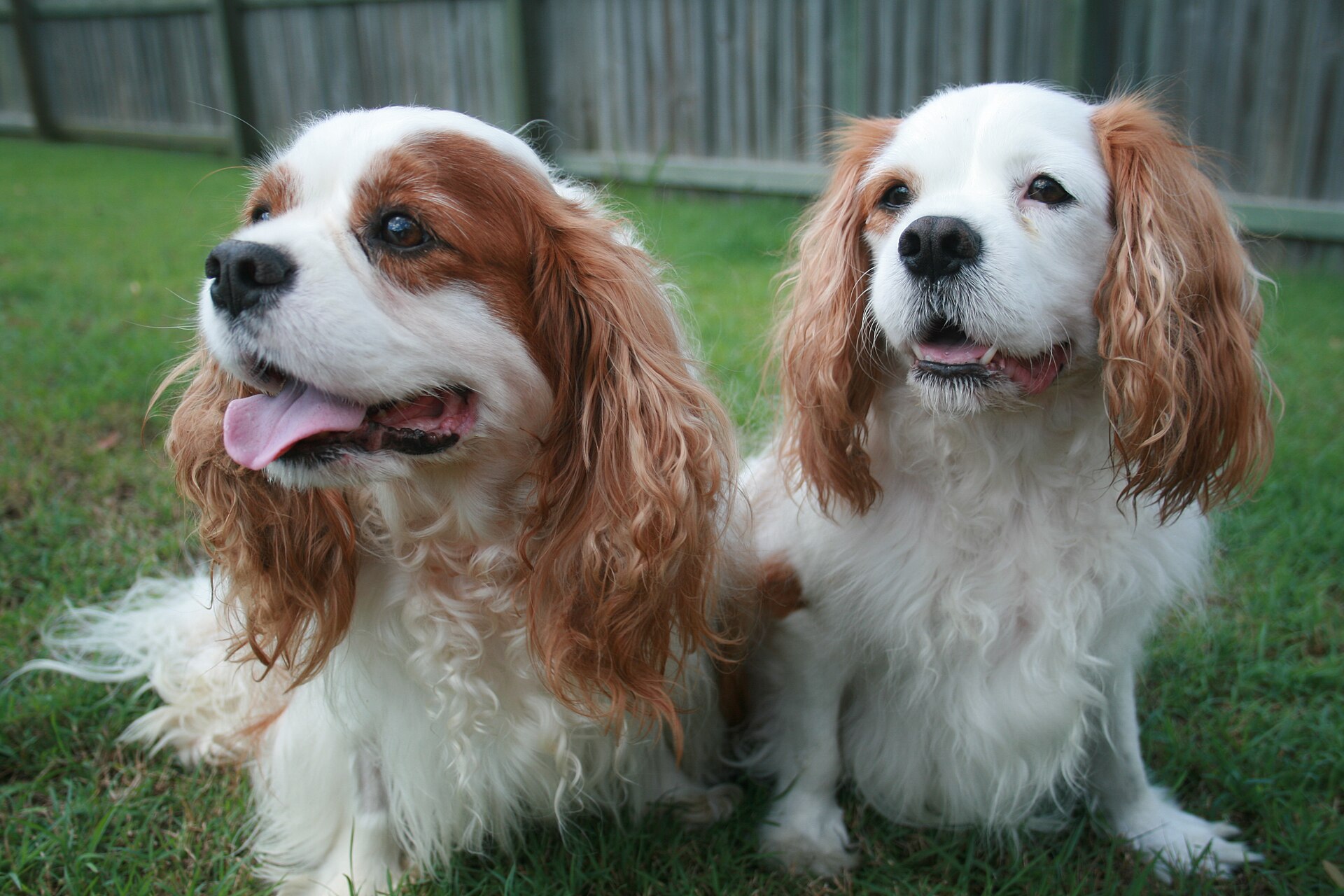
What living with a Cavalier usually feels like
Cavaliers tend to notice where their people are and arrange themselves accordingly. They are commonly described as “velcro dogs” because many follow family members from room to room, seek laps, and prefer shared activities over solitary entertainment.
That closeness can feel wonderful in a home that wants an interactive companion. It can become difficult when the dog has never learned that brief, calm separation is safe. Owners should practise short periods of independence from puppyhood rather than waiting until the first full workday.
Many Cavaliers are soft-natured and responsive. Reward-based training generally suits them well: show the dog what earns food, play, access, or praise, and keep sessions short enough to stay enjoyable. Harsh handling can undermine trust without teaching a clearer alternative.
They are not usually chosen as guard dogs. Some will alert bark when a person arrives or a sound changes, but many consider strangers to be friends whose introductions are inexplicably overdue.
Who is a Cavalier a good fit for?
First-time dog owners
A Cavalier can be a reasonable first dog for someone prepared to learn. Their manageable size and interest in people often make everyday training approachable.
“Beginner-friendly” should not be confused with automatic. House training, recall, loose-leash walking, calm greetings, grooming cooperation, and alone-time skills still require repetition. The owner also needs enough confidence to ask breeders or rescues detailed health questions.
Apartment and condo households
Cavaliers can live comfortably in smaller homes because they do not require a private estate to process their feelings. They do need reliable toilet breaks, walks, sniffing time, play, and company.
Noise tolerance varies. A dog that reacts to hallway sounds or struggles when alone can create apartment problems regardless of size. Gradual sound exposure and calm-alone practice matter more than the floor plan.
Families with children
Many Cavaliers enjoy family life, but their small body changes the safety equation. Children should not carry, chase, corner, climb on, or disturb a sleeping or eating dog. Adults need to supervise actively and give the dog a quiet place to leave the interaction.
This breed often fits best with children who can follow those rules. No breed label can replace watching the individual dog’s body language.
Older adults
The breed’s moderate activity level and portable size may suit an older owner who wants close companionship. The full routine still includes walks, brushing, dental care, training, and veterinary appointments.
Before choosing any dog, consider who can help if lifting, transport, exercise, or medical care becomes difficult. A good match is built around the next decade, not only next Tuesday.
Multi-pet homes
Many Cavaliers live successfully with other compatible dogs, and some do well with cats after careful introductions. Their sociability can help, but prey interest and play style vary.
Use barriers, leashes, separate resources, and gradual exposure. Do not put two animals together and call the resulting committee meeting “socialization.”

Who should probably choose another breed?
A Cavalier may be a poor fit when:
- the dog would routinely be alone for most of the day
- the owner wants a detached or highly independent pet
- regular brushing and coat checks will not happen
- off-leash reliability is expected without patient training
- the household cannot safely manage a small dog around rough play
- significant veterinary costs would be unmanageable
- appearance matters more than health records and temperament
People seeking a robust running partner for long, hard mileage should also look carefully at individual health and conditioning. Cavaliers enjoy activity, but they are small companion spaniels, not equipment for somebody else’s endurance plan.
Energy, exercise, and the hidden spaniel
Healthy adult Cavaliers generally need moderate daily exercise. A useful routine can include two walks, sniffing, play, and a few minutes of training. Some enjoy rally, scent games, trick training, or other low-pressure dog sports.
The sporting ancestry matters most around distractions. Birds, squirrels, scents, and movement can switch on pursuit. Until recall is reliable, use a leash, long line, or securely fenced area. Small and friendly does not mean immune to traffic.
Puppies need age-appropriate activity and substantial sleep. Senior dogs and dogs with heart, joint, or neurological concerns may need shorter or modified outings. Ask a veterinarian about strenuous exercise when a dog has symptoms or a diagnosed condition.

Train the dog you actually live with
The most useful early priorities are practical:
- Name response: reward the dog for turning toward you.
- Recall: begin indoors, then add distance and distraction gradually.
- Loose-leash walking: reinforce the position and pace you want.
- Handling comfort: pair gentle ear, paw, mouth, and coat checks with rewards.
- Settle skills: teach the dog to relax on a mat while the household is busy.
- Alone-time foundations: start with seconds or minutes before expecting hours.
- Leave it and trade: prevent conflict over unsafe or stolen objects.
Because many Cavaliers are food-motivated, treats make teaching easier. Count training rewards as part of the daily food intake and monitor body condition. Those eyes have overturned stronger governments than yours.
If a dog shows panic when left—such as persistent vocalizing, destruction around exits, frantic pacing, drooling, or inability to settle—avoid punishment. Record what happens, speak with a veterinarian, and consider qualified behaviour support.
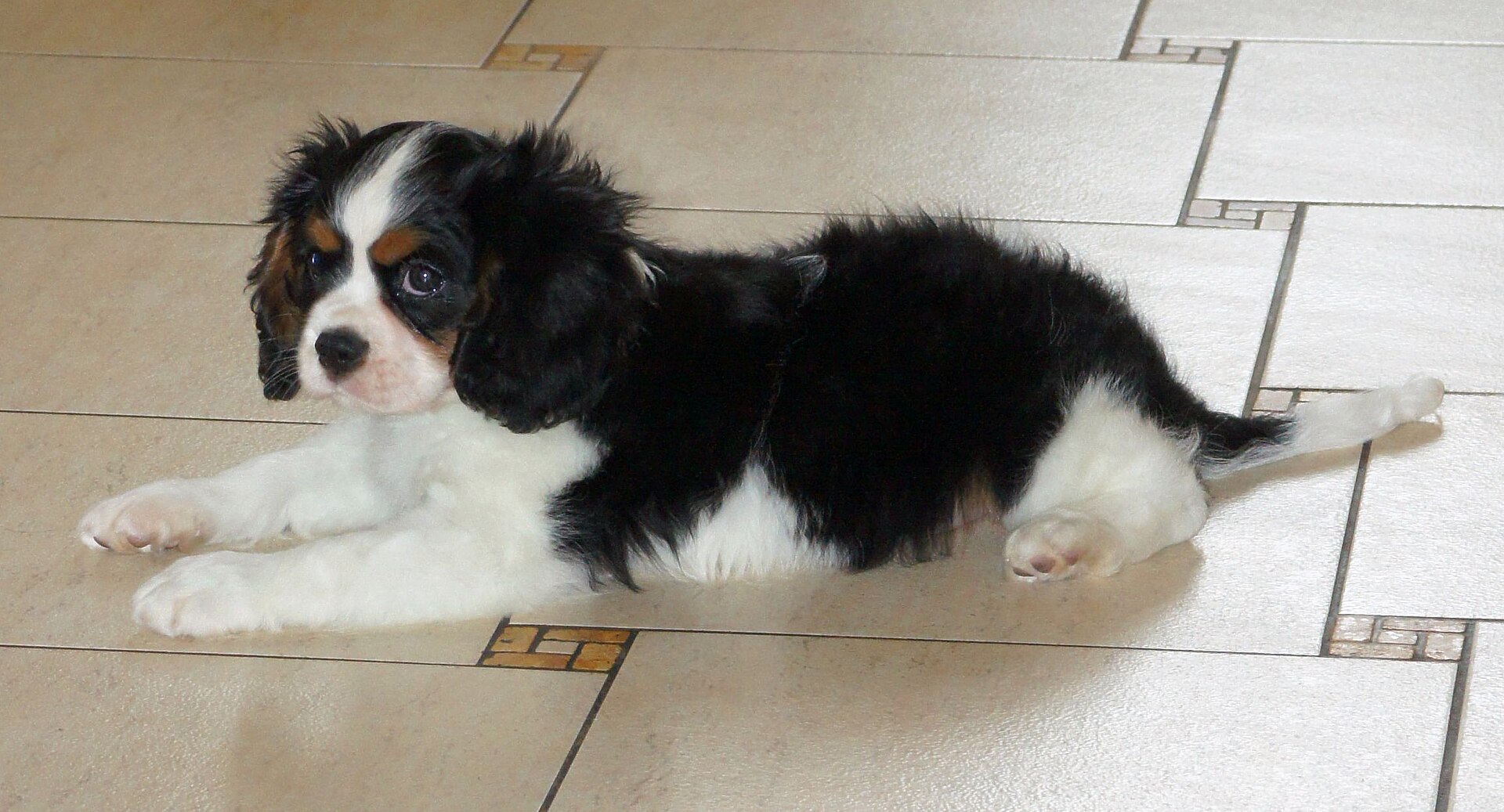
Grooming and everyday maintenance
The Cavalier’s silky coat needs regular brushing, especially behind the ears, under the legs, and through the feathering. Check the coat after walks because burrs, seeds, and damp debris can hide in long hair.
Routine care also includes:
- nail trims before nails become overgrown
- tooth brushing with dog-safe toothpaste
- ear checks and veterinary advice for redness, discharge, odour, or discomfort
- bathing as needed with dog-appropriate products
- routine weight and body-condition monitoring
Long ears have a remarkable ability to enter water bowls, food dishes, and mud moments before a photograph. Practical management beats surprise.
The health reality should affect owner fit
Health is not a side note with this breed. Cavaliers have recognized inherited concerns, including mitral valve disease. Breed and veterinary resources also discuss conditions involving the nervous system, eyes, knees, hips, and other areas.
Not every Cavalier develops every condition, and an article cannot predict an individual dog’s future. The practical point is that prospective owners should expect careful screening questions and lifelong veterinary costs.
When considering a breeder, ask:
- which breed-relevant tests were completed on both parents
- who performed each test and when
- whether results can be independently verified
- how heart health is assessed over time
- what health problems have appeared in related dogs
- what support and return policy applies throughout the dog’s life
“Vet checked” usually means a dog received an examination. It is not a substitute for documented, breed-relevant screening of breeding dogs. A rescue may not have family records, but it should disclose what is known and what remains unknown.
Once the dog is home, maintain routine veterinary visits. Seek veterinary advice for coughing, breathing changes, fainting, reduced stamina, unexplained pain, weakness, persistent unusual scratching, or a sudden change in movement or behaviour. Those signs have multiple possible causes and should not be diagnosed from a breed article.

Does coat color affect temperament?
No recognized Cavalier color—Blenheim, tricolor, ruby, or black and tan—provides a dependable shortcut to personality. Owners may share anecdotes, but health, breeding decisions, early experience, and the individual dog are more useful than color folklore.
Choose the dog whose temperament and needs fit the household. Color should come after health evidence, sound structure, and responsible placement.
A practical owner-fit checklist
Before bringing home a Cavalier, answer these honestly:
- Can someone provide meaningful company most days?
- Can we build alone time gradually instead of suddenly?
- Will the dog get daily walks, sniffing, play, and training?
- Can we brush the coat and maintain teeth, ears, and nails?
- Are children able to interact gently under supervision?
- Will we use a leash or secure area around traffic and wildlife?
- Can we verify health information rather than accept vague assurances?
- Can we budget for insurance, routine care, and unexpected treatment?
- Do we want an involved companion rather than an independent pet?
Mostly yes means the breed may fit. Several hard no answers are useful information, not a moral failure. Choosing a different dog is kinder than trying to negotiate with the wrong temperament for twelve years.

Frequently asked questions
Are Cavalier King Charles Spaniels calm?
Many adults are affectionate and able to settle indoors after appropriate activity, but Cavaliers are not inert lap dogs. Puppies can be busy, and healthy adults still need walks, play, training, and enrichment.
Do Cavaliers tolerate being left alone?
Individuals vary, but this people-oriented breed may find long isolation difficult. Teach calm separation in very small steps and arrange the daily routine so the dog is not routinely left beyond what it can handle.
Are Cavaliers good for first-time owners?
They can be, provided the owner commits to training, grooming, companionship, safe management, and careful health research. Their agreeable nature does not remove those responsibilities.
Are Cavaliers good with cats?
Some live very well with cats, especially after gradual introductions. Others may chase. Compatibility depends on the individual dog and cat, their histories, and how the household manages early interactions.
Do Cavalier King Charles Spaniels bark a lot?
Some are quiet, while others alert to visitors, hallway noises, wildlife, or separation. Environment, learning, health, and individual temperament all influence barking.
What is the biggest drawback of owning a Cavalier?
For many homes, it is the combination of strong companionship needs and significant breed-related health concerns. Prospective owners should plan for both before being distracted by the face—which, admittedly, is conducting a highly professional distraction campaign.
Methodology and update note
This article is a source-informed editorial synthesis, not veterinary, breeder, or professional training advice. Temperament and breed framing were checked against current American Kennel Club and Royal Kennel Club breed information, while health-screening language was informed by Cavalier King Charles Spaniel Club, USA guidance. Recommendations remain conservative because individual dogs and medical circumstances vary.
Review this page when official breed-club screening guidance changes materially. For decisions about a particular dog’s health, exercise, or behaviour, use that dog’s records and qualified professional advice.