Corgi Personality: Big-Dog Confidence in a Small Body
Confident, clever, alert, and often hilariously opinionated, a Corgi is a herding dog in a compact frame—not a quiet lapdog with unusually large ears. Many Corgis are affectionate with their people, quick to learn, eager to join every household activity, and completely unconvinced that their short legs should limit their authority.
The short answer: Corgi personality combines working-dog intelligence with boldness, playfulness, and a strong awareness of movement. That can produce a delightful companion, but it can also mean barking, ankle-chasing, stubborn negotiations, and self-appointed security duties unless the dog gets clear training and useful outlets.
Breed tendencies are useful starting points, not personality guarantees. Pembroke and Cardigan Welsh Corgis are distinct breeds, and every dog is also shaped by genetics, early experience, training, health, age, and daily life.
Why Corgis act bigger than they look
Corgis were developed to help move livestock. A dog working cattle could not wait politely for an animal many times its size to cooperate. The job rewarded awareness, quick reactions, persistence, courage, and enough independence to make decisions while staying responsive to a handler.
That history explains the famous “big dog in a small body” description better than appearance does. The same dog that once watched hooves and controlled movement may now watch bicycles, running children, visitors, vacuum cleaners, or everyone walking toward the kitchen.
Their low build was functional, too. It helped these dogs work close to livestock while remaining nimble. Short stature did not select for a passive temperament. Corgis were small enough to work low and substantial enough to work with confidence.
For more on the link between canine jobs and modern behavior, Dogthread’s dog breed history guide explains why function usually came before looks.
The Corgi personality at a glance
Many Corgis tend to be:
- Confident: willing to investigate and participate rather than watch life from a cushion
- Intelligent: quick to notice routines, patterns, and loopholes
- Alert: attentive to sounds, movement, visitors, and neighborhood developments
- Affectionate: closely involved with family without necessarily being passive or clingy
- Playful: often enthusiastic about games, training, and anything with an audience
- Vocal: ready to announce important events, including some events of questionable importance
- Persistent: capable of repeating a behavior that worked once with the dedication of a tiny claims department

These qualities can appear in different proportions. One Corgi may greet strangers eagerly; another may be reserved. One may settle easily after exercise; another may invent work. “Typical” describes a pattern across a breed, not a promise attached to an individual puppy.
Pembroke and Cardigan personalities are not identical
“Corgi” commonly refers to the Pembroke Welsh Corgi, but the Cardigan Welsh Corgi is a separate breed. Both have Welsh herding roots, short legs, alert expressions, and working-dog character. They should not be treated as color or tail variations of one breed.
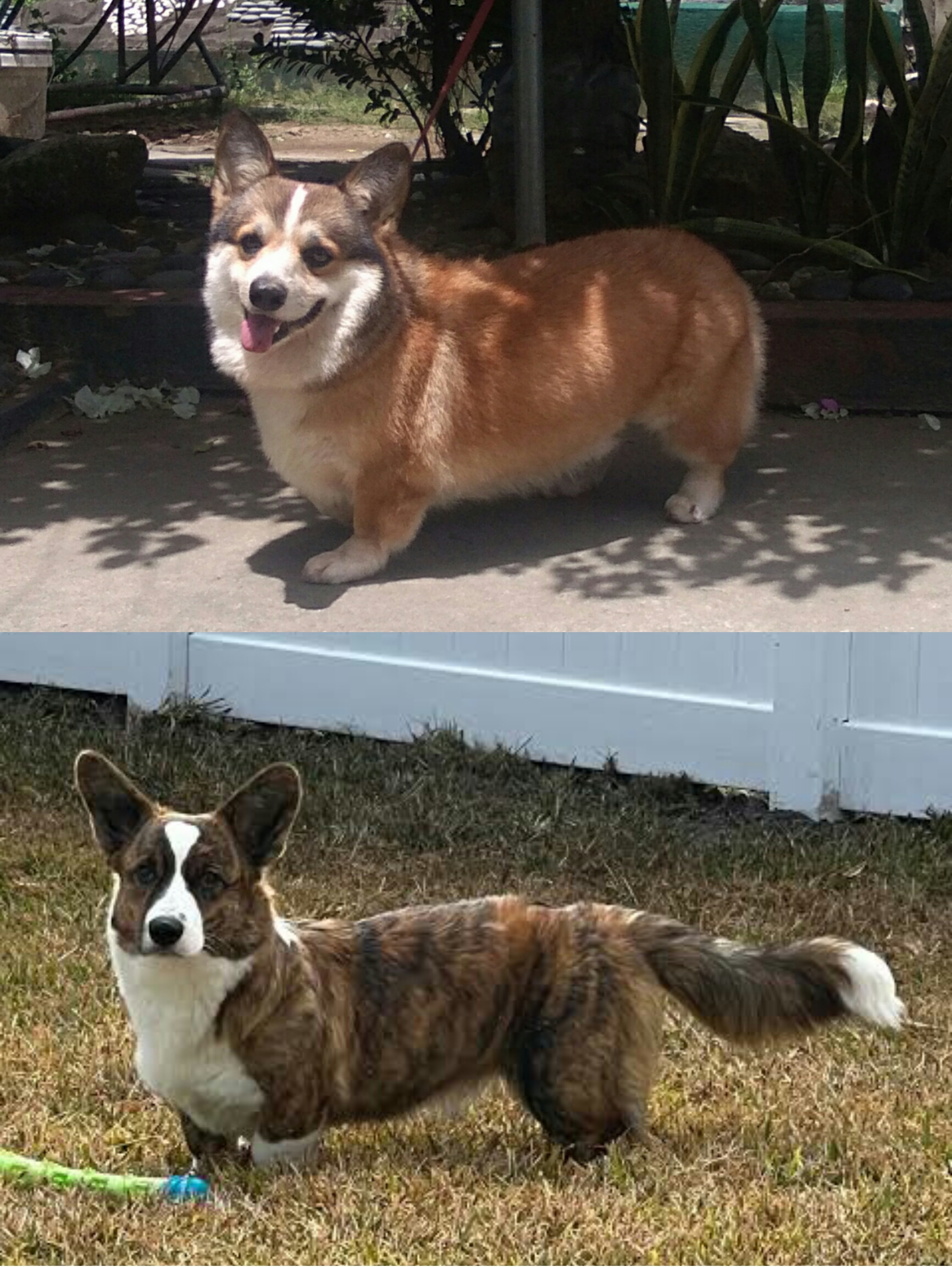
Breed descriptions often characterize Pembrokes as especially outgoing, busy, and socially engaged, while Cardigans are sometimes described as a little more reserved or deliberate. Those are broad tendencies. Individual dogs overlap substantially, and breeding, socialization, and home environment matter more than a tidy internet stereotype.
If temperament fit matters, meet adult relatives when possible and ask a responsible breeder or rescue specific questions: How does this dog recover after a surprise? Can the dog settle indoors? How does it respond to strangers, handling, other animals, and frustration? Concrete observations are more useful than “friendly” printed on a profile.
Are Corgis affectionate family dogs?
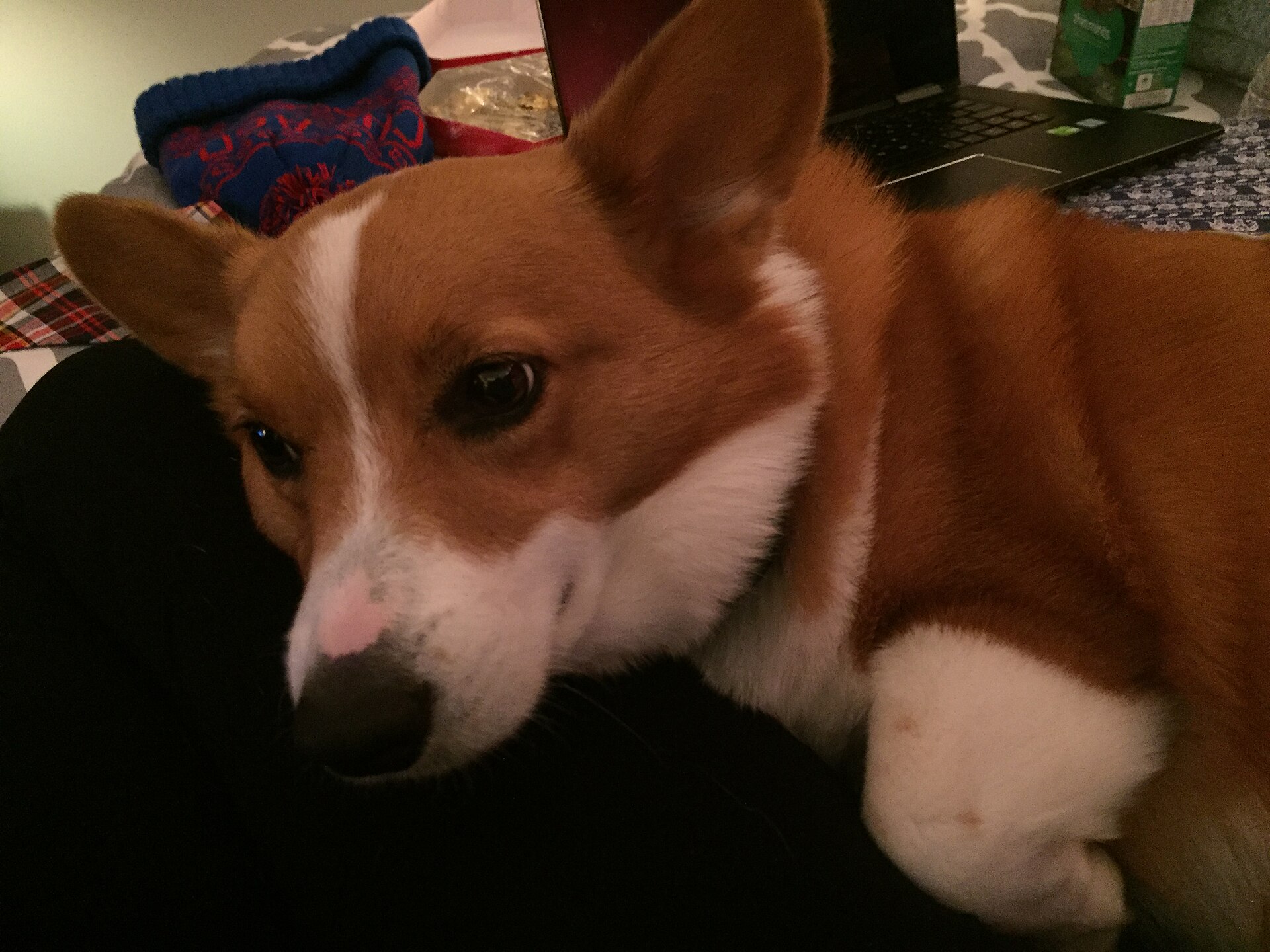
Many are deeply attached to their households. A Corgi may follow people from room to room, supervise chores, bring toys, lean against a leg, or settle nearby while remaining ready for the next event. Affection often looks like participation rather than hours of motionless cuddling.
Corgis can live well with respectful children, but the match requires adult supervision. Fast feet and loud play can trigger chasing or herding behavior, and some dogs may nip at ankles. Children should not climb on, corner, tease, or disturb a resting dog. Adults should interrupt chasing calmly, separate when excitement rises, and reward an alternative such as coming to a mat or carrying a toy.
Living with cats or other dogs can also work, especially with careful introductions and management. A confident Corgi may try to control access, movement, or resources. Do not force interaction, and address guarding or escalating conflict with a qualified reward-based professional.
Smart does not always mean obedient
Corgis often learn quickly. They also learn what pays, which household member drops food, and whether “come” actually means anything when a squirrel has filed a competing offer.
This is not necessarily stubbornness in the human sense. A working dog was selected to notice the environment and act. Training works best when rewards are meaningful, expectations are consistent, and sessions are brief enough to stay successful.
Useful everyday priorities include:
- Name response and check-ins before distractions become intense
- Recall practiced in safe places, with a long line in unfenced areas
- Loose-leash walking so pulling does not become the normal route forward
- Settle on a mat to make calm behavior a real skill
- Leave it and drop for low-level scavenging specialists
- Cooperative handling for brushing, nails, teeth, ears, and veterinary care
Reward the behavior you want rather than relying on corrections after the dog has rehearsed the wrong one. Dogthread’s puppy training schedule is a practical starting point for early skills.
Barking, herding, and the need to manage movement
Alert barking made sense on a farm. In a condo hallway, it can turn every elevator into breaking news. The most useful plan combines management and training: reduce access to constant window patrol, use background sound where appropriate, reward quiet check-ins, and teach a predictable response to doors and visitors.
Avoid shouting over barking; to a dog, that can sound like the household has joined the announcement. Sudden new vocalization or restlessness can also have a medical cause, particularly in an older dog, so discuss abrupt changes with a veterinarian.
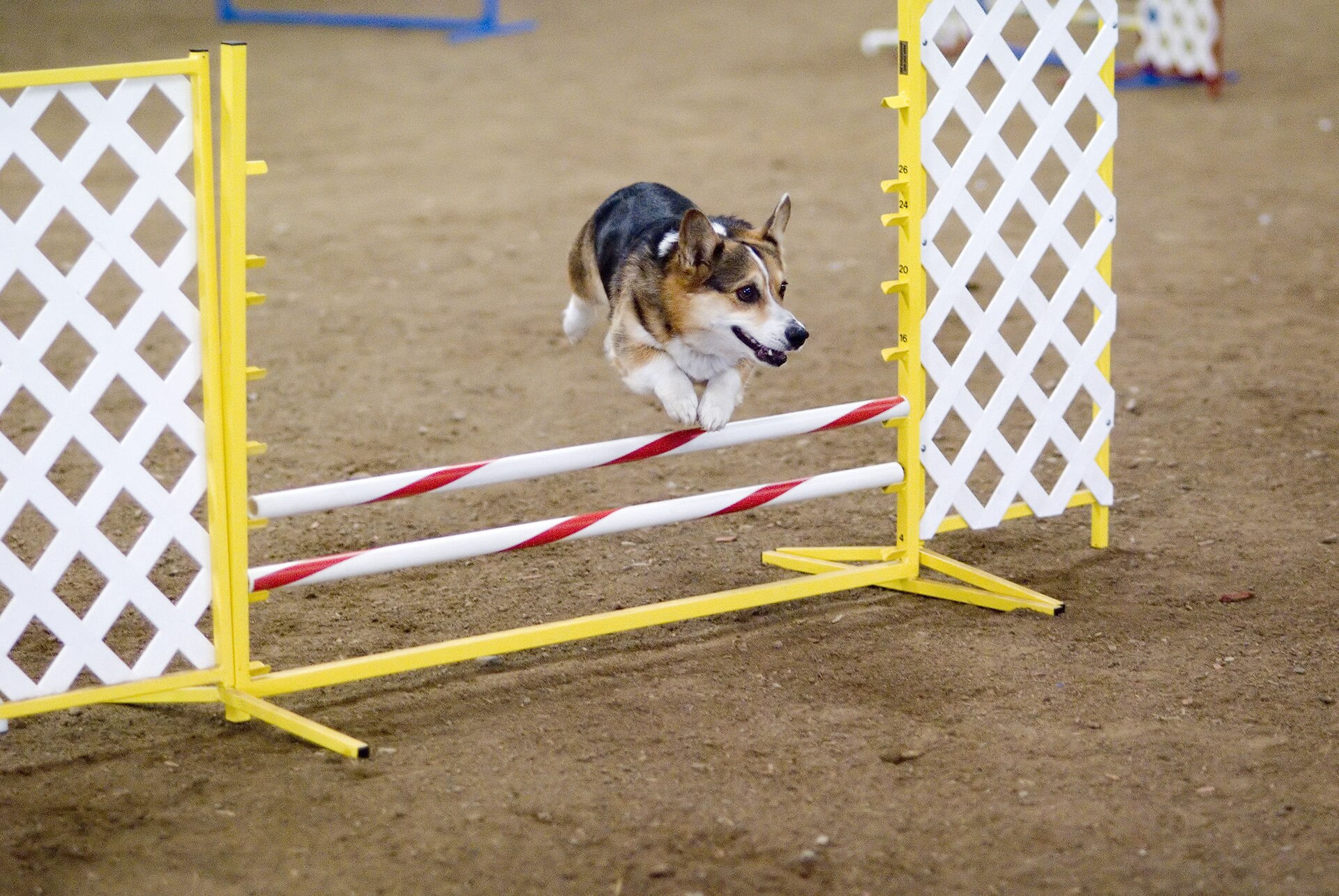
Herding behavior can show up as circling, blocking, staring, chasing, or nipping at moving feet. Give the dog legal ways to use its brain—structured play, scent searches, short training games, appropriate dog sports, and controlled movement games—while preventing rehearsal around children, cyclists, or other pets.
Corgi energy: active, but not indestructible
Short legs do not equal low energy. Many adult Corgis enjoy brisk walks, training, sniffing, retrieving, and well-designed activities. What they need is a balanced life: physical movement, mental work, and the ability to settle.
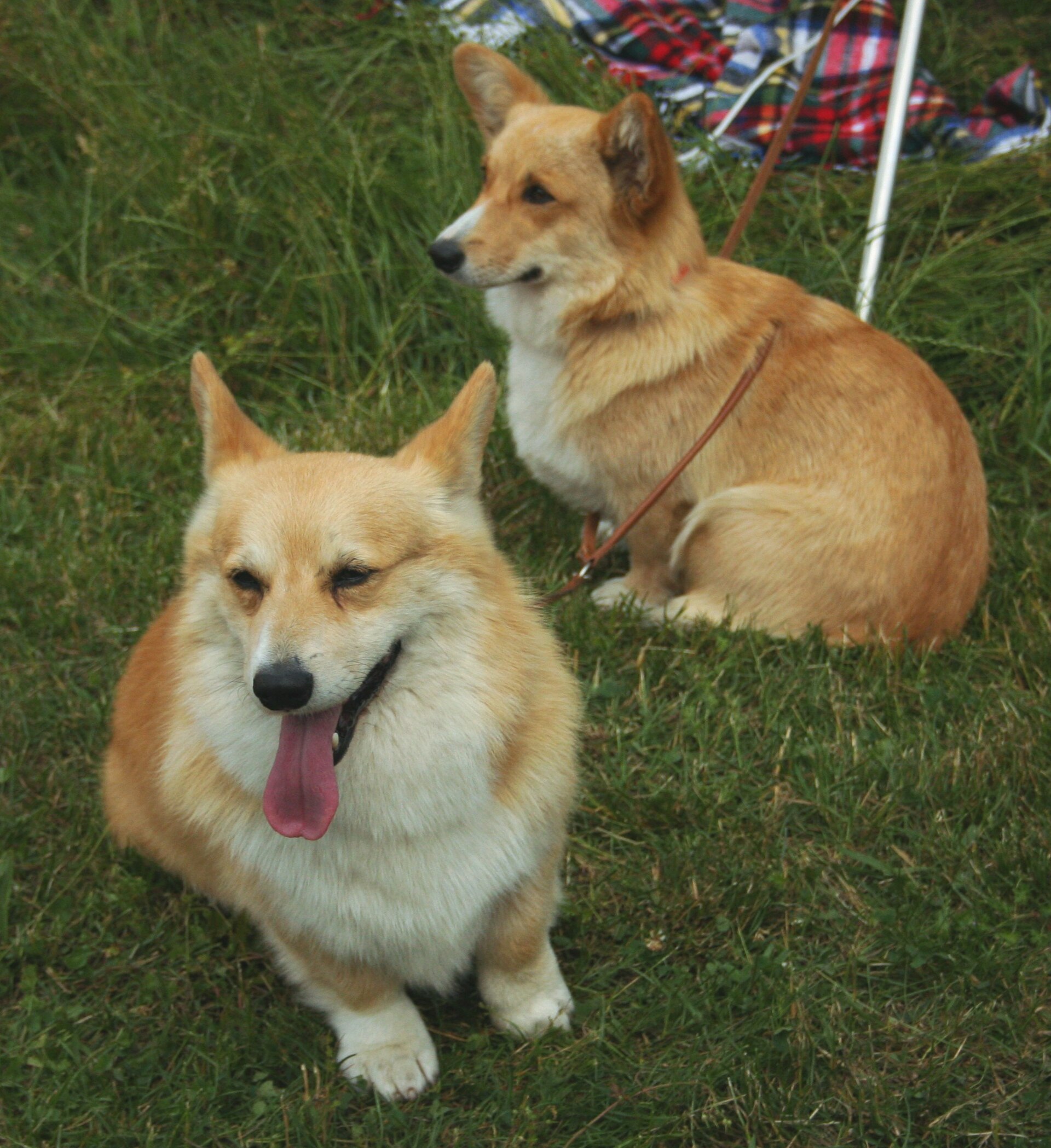
There is no single exercise quota for every dog. Age, conditioning, weather, body condition, health, and individual drive all matter. Puppies need age-appropriate activity and plenty of rest; seniors may prefer shorter, more frequent outings.
Because Corgis have long backs and short legs, owners should be sensible about body weight, slippery floors, uncontrolled stair racing, and repetitive high jumping. That is general risk reduction, not a diagnosis or a claim that normal activity is dangerous. Ask a veterinarian about exercise if a dog has pain, weakness, reluctance to move, or a known orthopedic or spinal condition. Sudden trouble walking, severe pain, loss of coordination, or collapse needs prompt veterinary attention.
The owner habits that bring out their best
A good Corgi home does not need to manufacture all-day entertainment. It does need structure.
- Give the dog daily chances to walk, sniff, play, and solve small problems.
- Reinforce quiet behavior before barking becomes the only effective strategy.
- Keep rules consistent across family members.
- Prevent chasing and nipping from becoming a practiced game.
- Build independence gradually so constant involvement does not become an inability to settle alone.
- Keep food portions appropriate; training treats still count as food.
- Provide regular grooming and handling practice for the double coat, nails, teeth, and routine care.
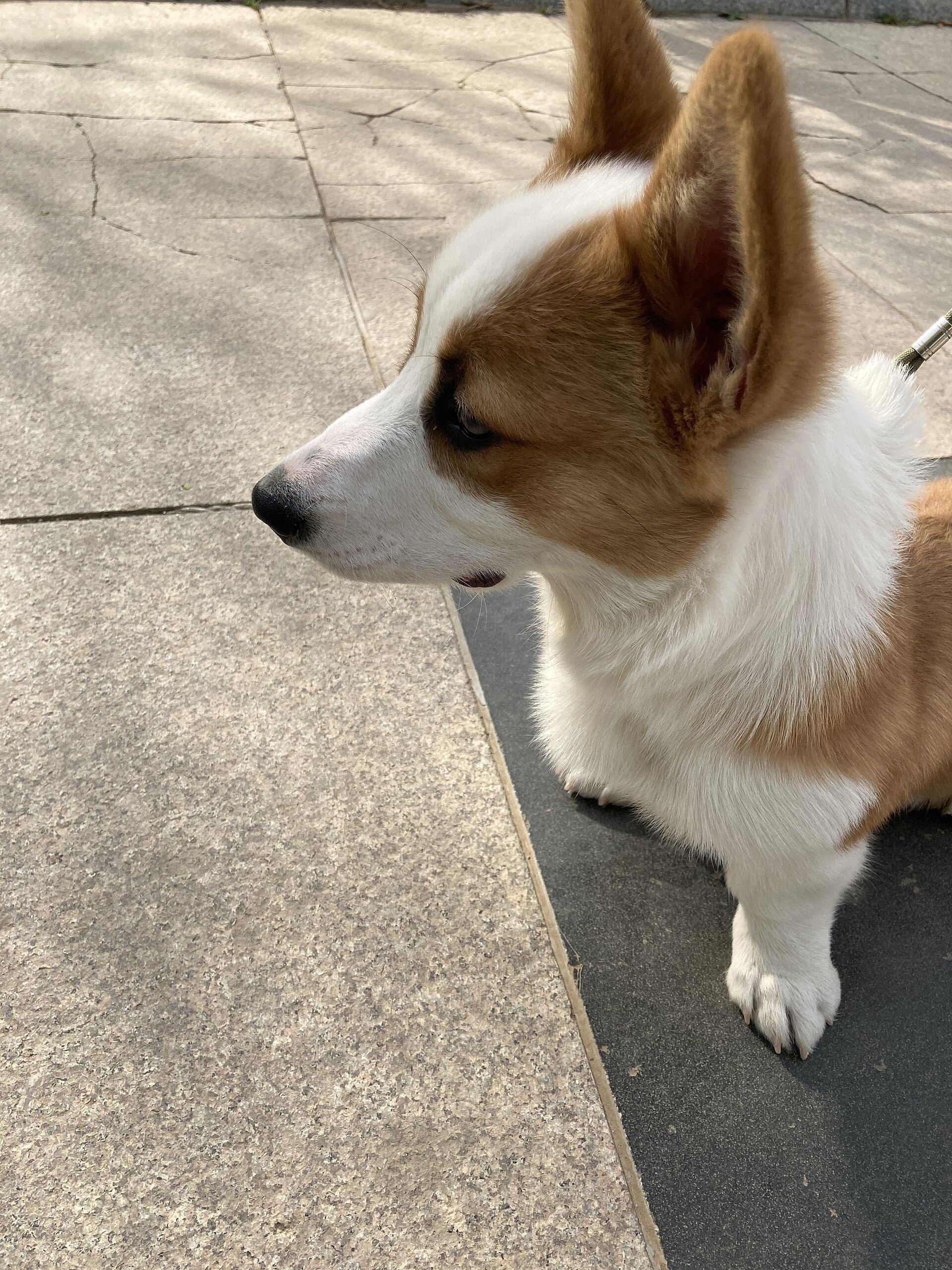
Early socialization should be positive and controlled, not a campaign to make the puppy greet everything. The goal is calm recovery and confidence around ordinary life. A puppy can observe a new person, surface, sound, or dog without being pushed into contact.
Who should—and should not—get a Corgi?
A Corgi may be a strong fit if you want a compact but active companion, enjoy teaching skills, can tolerate shedding and vocal opinions, and like a dog that wants a role in daily life.
Think carefully if you need a naturally quiet dog, dislike loose hair, want minimal training, have uncontrolled rough play in the home, or expect a small dog to be satisfied with little exercise. A yard is useful but does not replace walks, training, or time with people.
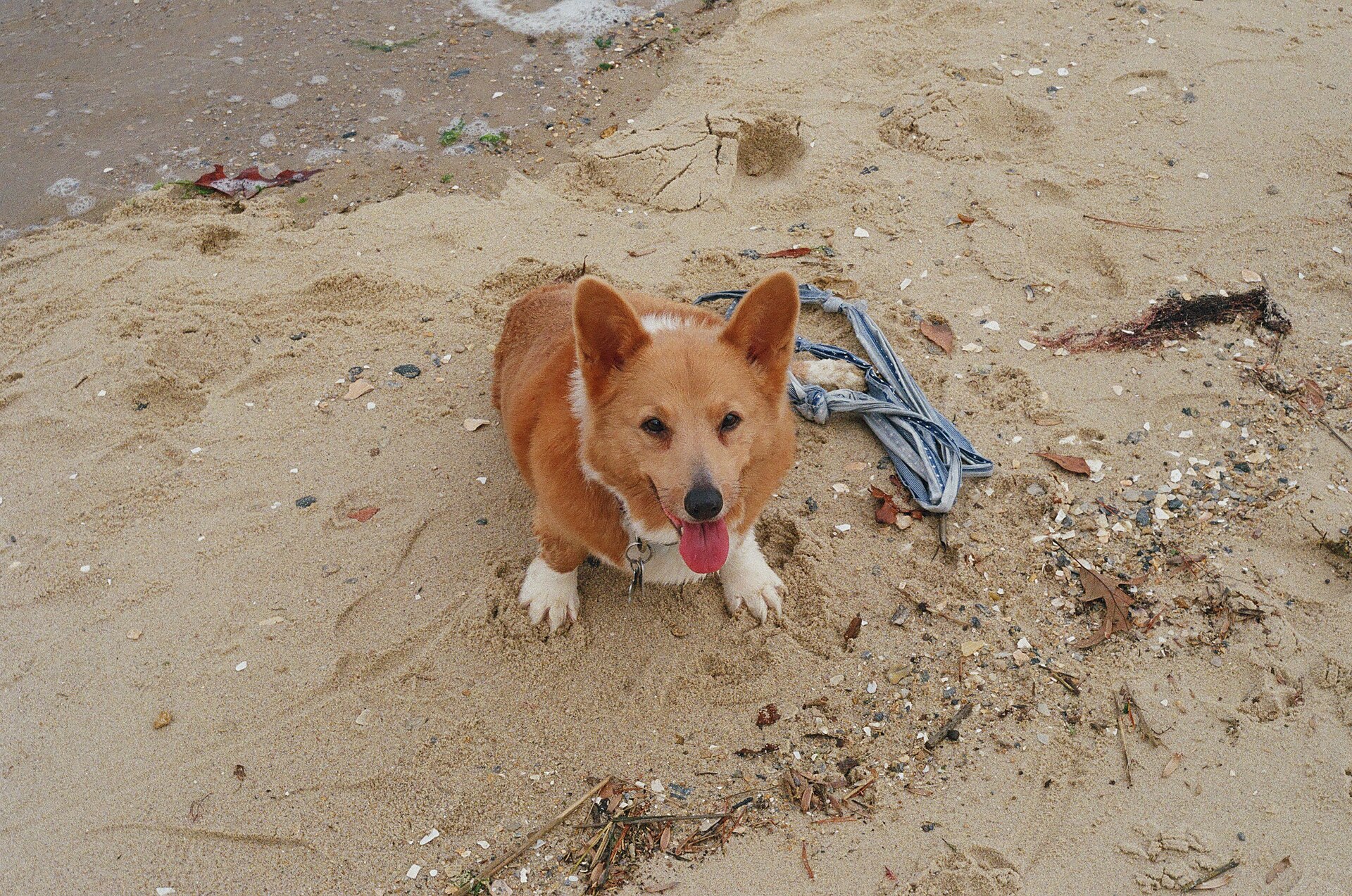
The best match is not simply “active owner.” It is an owner who appreciates working-dog traits and will channel them without turning every day into an athletic competition. A well-supported Corgi can work, play, and then switch off.
Frequently asked questions
Are Corgis aggressive?
Aggression is not a useful one-word breed verdict. Corgis can be confident, alert, vocal, and inclined to control movement, but individual behavior varies. Fear, pain, guarding, poor social experience, and repeated rehearsal can affect any dog. Growling, snapping, or biting should be taken seriously; use management and seek help from a veterinarian or qualified reward-based behavior professional.
Do Corgis bark a lot?
Many are naturally vocal and quick to alert. Training, enrichment, predictable routines, and reducing access to triggers can help. Anyone who requires a consistently quiet dog should consider whether an alert herding breed is the right fit.
Are Corgis good first dogs?
They can be, for a first-time owner ready to train consistently, manage barking and herding behavior, provide daily engagement, and handle substantial shedding. They are less forgiving of the assumption that a small dog requires little work.
Do Corgis like to cuddle?
Many enjoy physical affection, but not every Corgi wants prolonged cuddling. Some show attachment by staying close, following routines, playing, or resting nearby. Respect the individual dog’s body language and choice.
Can a Corgi live in an apartment?
Yes, if the dog receives adequate activity, mental engagement, toilet access, and training around hallway noise and barking. Square footage matters less than whether the owner meets the dog’s needs and considers nearby neighbors.
The bottom line
Corgi confidence is not a costume draped over a cute body. It is part of a working heritage that rewarded awareness, persistence, quick decisions, and the nerve to move livestock. In modern homes, those traits can produce an affectionate comic, an enthusiastic student, and a very short supervisor.
The right owner channels that confidence with training, purposeful activity, calm boundaries, and realistic care. Do that, and the big personality becomes the best part of the small package.