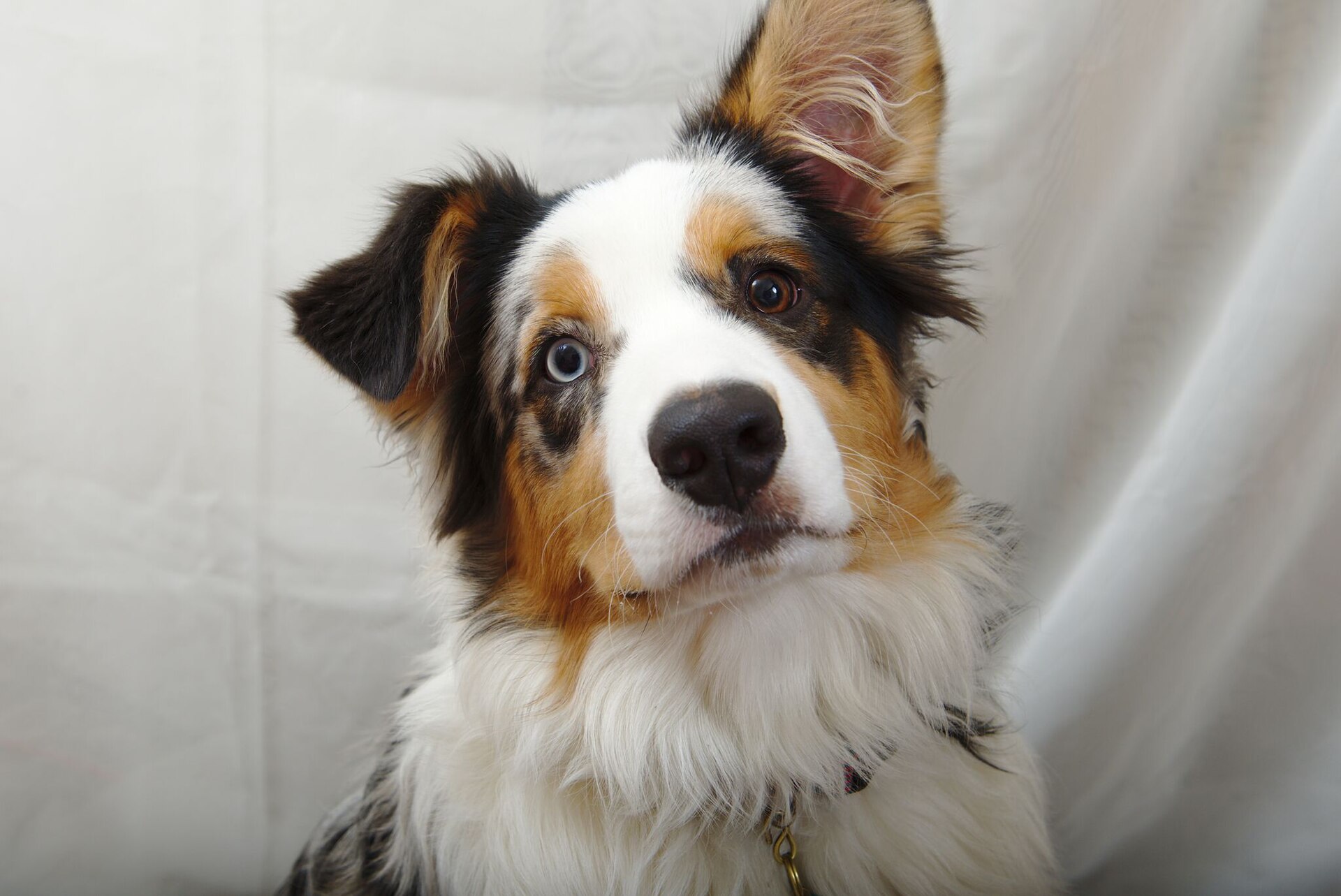
Dog of the Day: Australian Shepherd
The Australian Shepherd is a bright, athletic herding dog built to notice movement, work closely with people, and stay busy. Aussies can be affectionate and deeply engaged family companions, but they are rarely a low-effort choice. Their best home offers daily exercise, short training sessions, useful mental work, and a deliberate chance to switch off.
Despite the name, the modern breed was developed in the United States. That is only the first of several Australian Shepherd quirks: some have naturally short tails, their coat colors can look completely different from dog to dog, and many act as though every moving object has arrived without adequate supervision.
Australian Shepherd quick facts
- Breed group: Herding
- Origin: Developed in the United States, especially in the American West
- Traditional work: Moving and managing livestock on farms and ranches
- Typical height: About 18–23 inches at the shoulder, with females generally smaller than males
- Typical weight: Roughly 40–65 pounds, depending on sex and build
- Life expectancy: Commonly around 12–15 years
- Coat: Medium-length double coat; straight to wavy
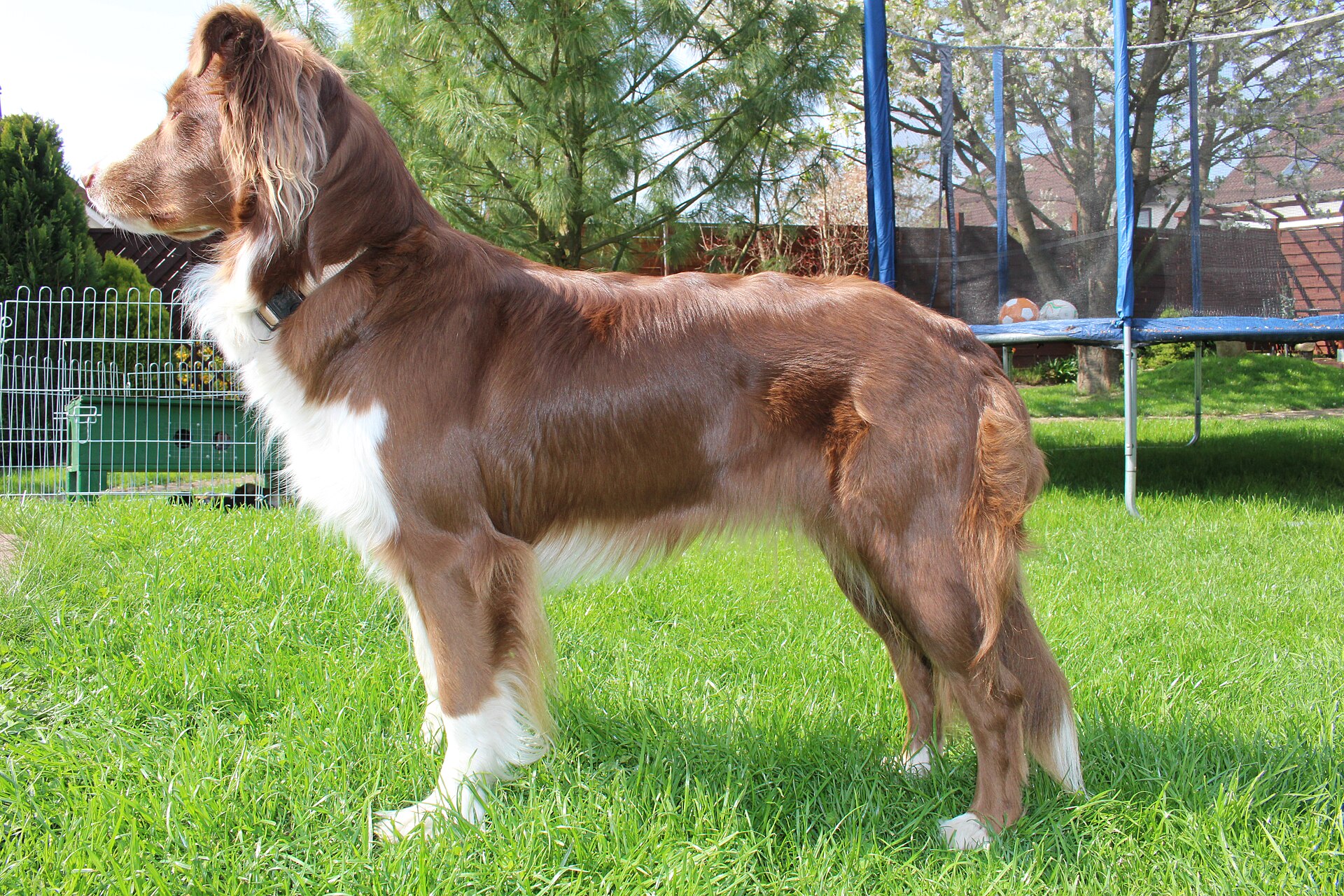
- Common colors: Black, red, blue merle, and red merle, with or without white and tan markings
- General character: Intelligent, energetic, responsive, watchful, and often reserved with strangers
- Best fit: Active owners who enjoy training and want an involved canine partner
Published ranges vary slightly among major breed references, and an individual dog can fall outside them. Health, temperament, and daily fit matter more than hitting an exact number.
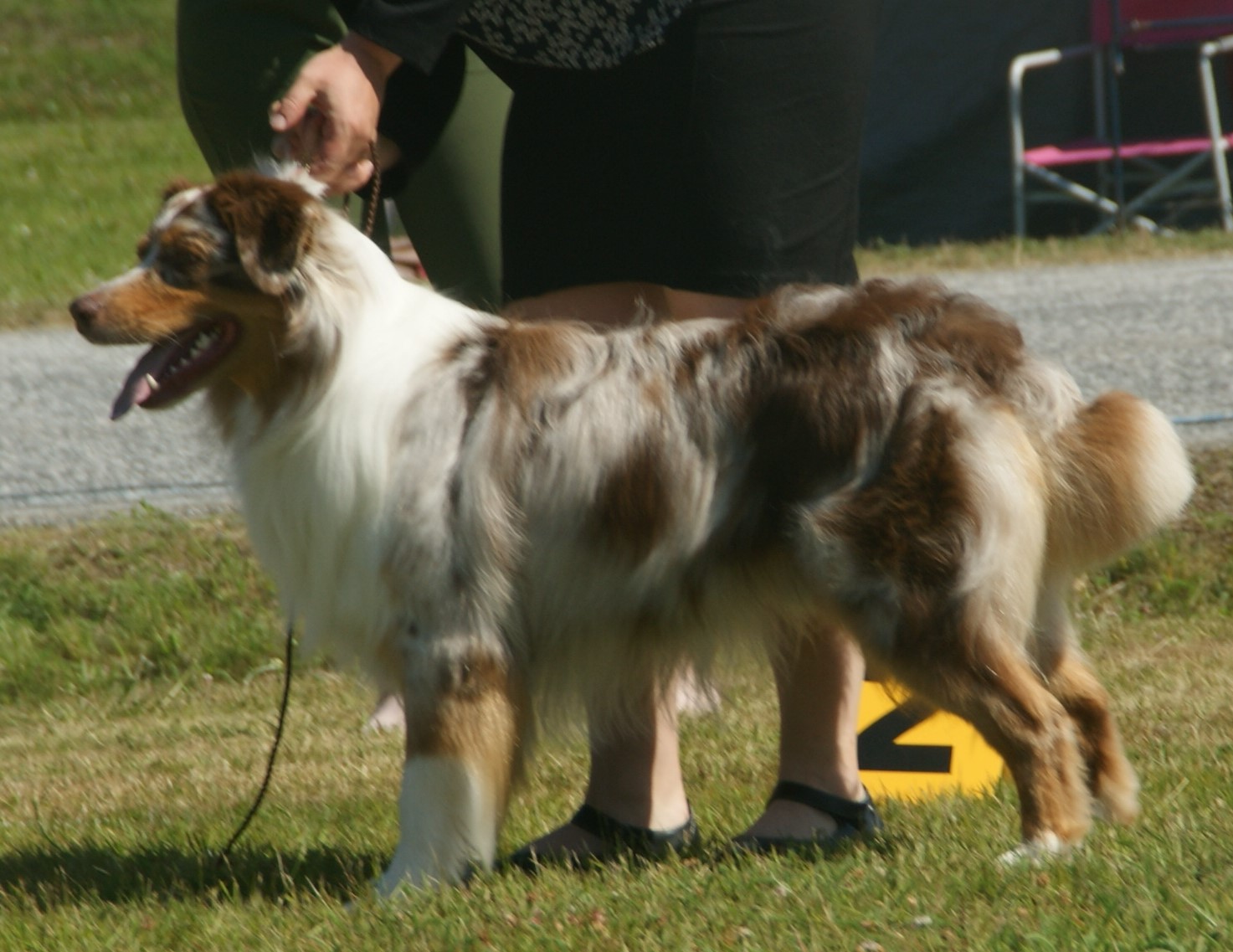
Temperament: smart, connected, and always taking notes
Australian Shepherds were selected to cooperate with a handler while also making quick decisions around livestock. In a modern home, that can look like fast learning, intense eye contact, sensitivity to routines, and a suspiciously accurate knowledge of where every family member is.
Many Aussies are affectionate with their people and polite but reserved with strangers. They may alert-bark when something changes. Herding tendencies can appear as circling, chasing, staring, or nipping at heels, especially around running children, bicycles, or other pets. Those behaviors vary by individual, but they should be anticipated rather than treated as a charming surprise after adoption.
An Aussie may suit you if you enjoy teaching skills, can provide structured activity most days, and want a dog involved in family life. Think twice if you prefer an independent couch companion, have no plan for weekday exercise, or expect a yard to entertain the dog automatically. A bored Australian Shepherd is not unemployed; it is self-employed, and management may not enjoy the new initiatives.
Who does an Australian Shepherd fit?
A well-matched Aussie owner usually likes interaction more than convenience. Hiking, scent work, rally, agility foundations, trick training, herding with qualified instruction, and thoughtful games can all provide useful outlets. The dog does not need competitive sports, but it usually needs more than repetitive ball throwing.
Families can succeed with Aussies when adults supervise dog-child interactions, prevent chasing from becoming a habit, and teach both children and dog how to take breaks. Other pets may fit too, depending on temperament, introductions, and management. Breed tendencies are useful planning information, not a guarantee about one dog.
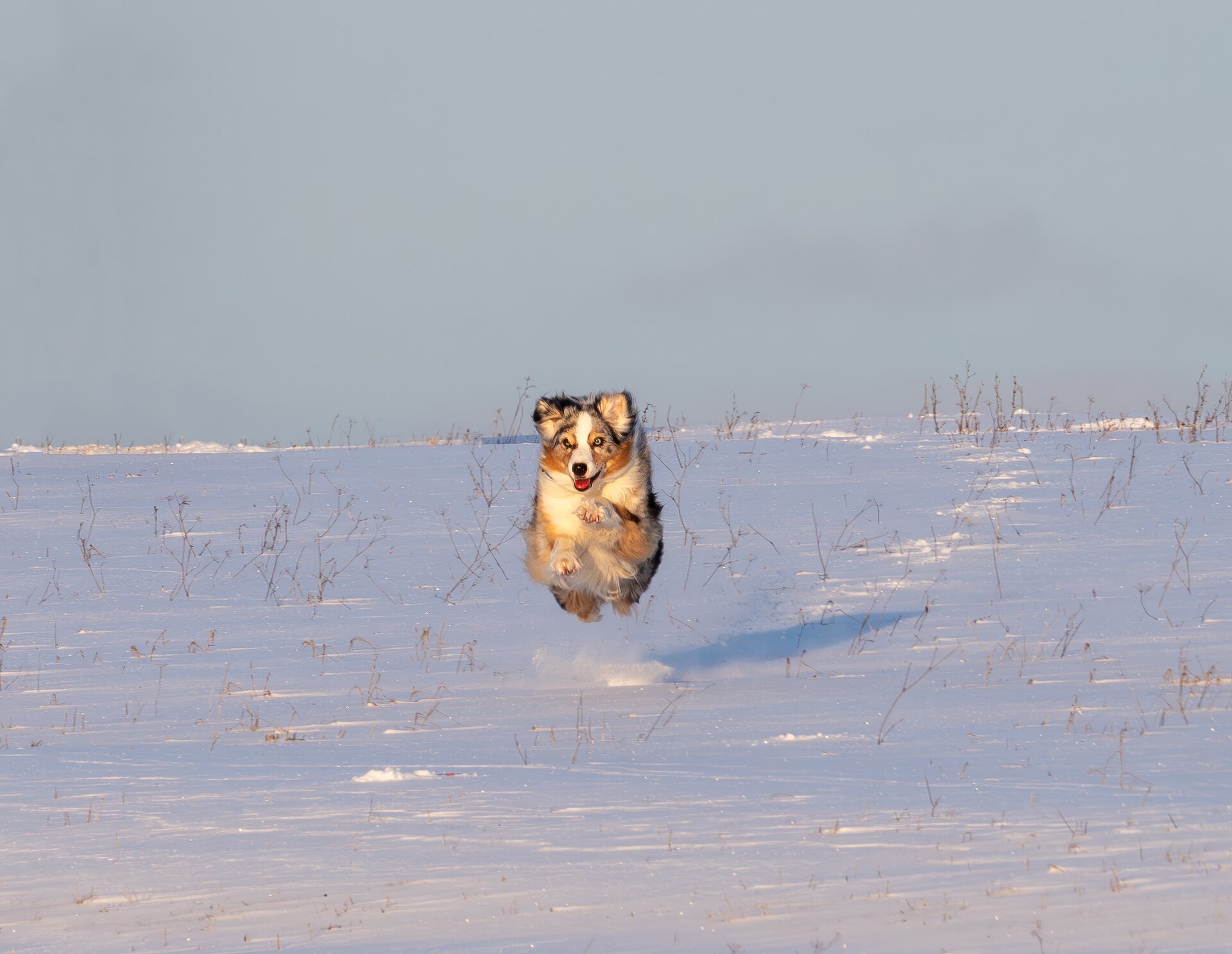
The American history behind the Australian name
The Australian Shepherd’s precise ancestry is not a tidy single-country story. Its modern form developed in the United States, where ranchers valued versatile dogs that could handle livestock across demanding Western terrain. The “Australian” name is generally linked to associations with imported sheep and shepherds, including routes that involved Australia, rather than the breed having been created there in its modern form.
What ranchers needed mattered more than a polished origin legend. They selected for stamina, agility, trainability, awareness, and enough independence to respond when stock moved unexpectedly. The result was a practical working dog that later became familiar at rodeos, ranches, farms, and eventually dog-sport venues and suburban parks.
That working past still explains the modern Aussie’s strongest traits. Motion matters. Patterns matter. Cooperation matters. A person who gives the dog sensible jobs is working with the breed’s history rather than trying to exhaust it out of existence.
Owner reality: exercise is only half the assignment
Healthy adult Australian Shepherds often need substantial daily movement, but there is no responsible universal minute count. Age, health, weather, temperament, and exercise intensity change what is appropriate. A balanced day might include a brisk outing, a slower sniff walk, brief training, interactive play, and quiet recovery.
Mental work is just as important. Useful choices include finding hidden food, learning toy names, practicing recall, settling on a mat, solving an adjustable puzzle, or helping with simple household routines. Constant high-arousal play can create a fitter dog who still has no idea how to rest.
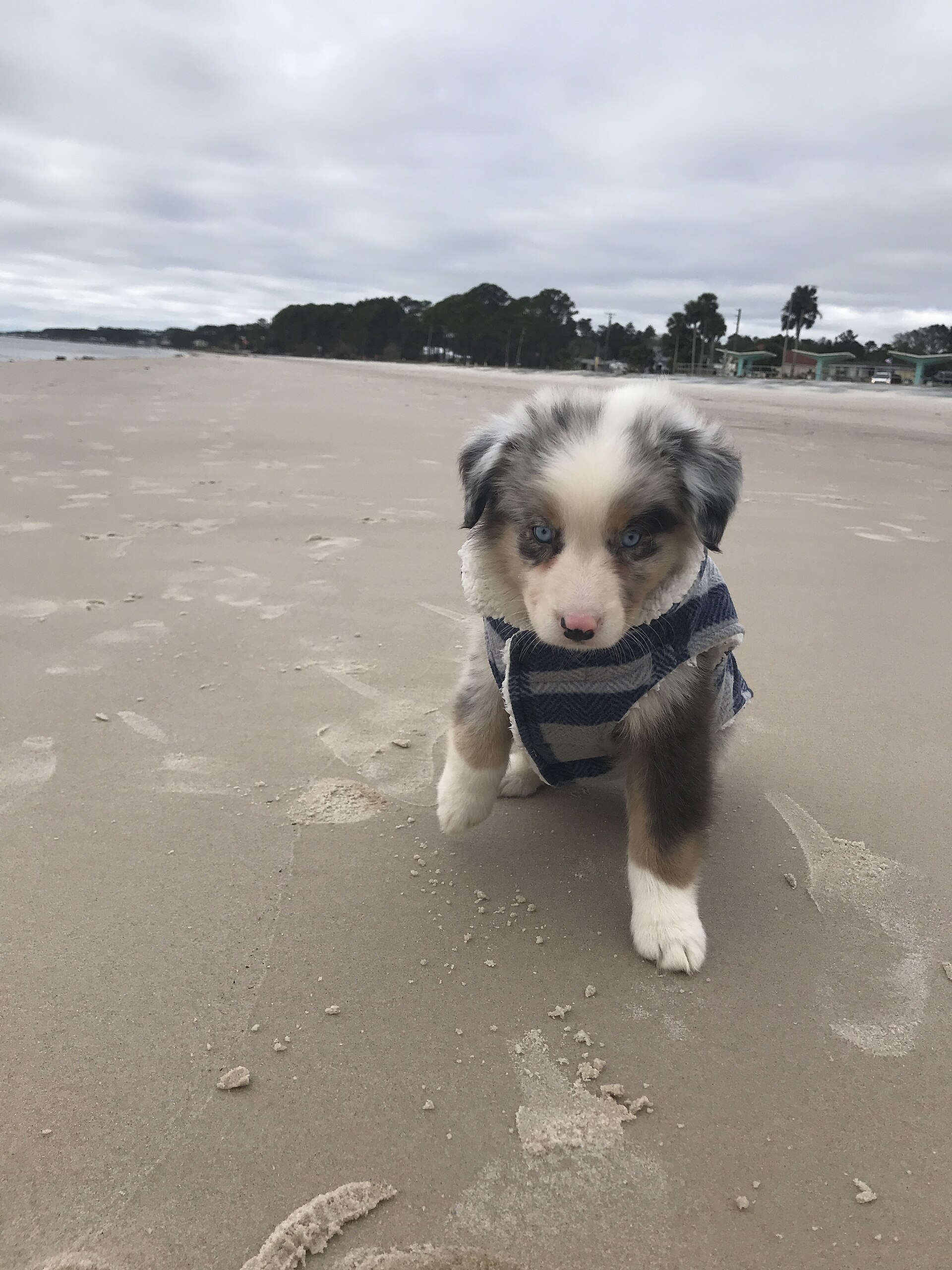
Puppies should not follow an adult conditioning plan. Favor short exploration, age-appropriate play, gentle skill building, positive exposure to the world, and plenty of sleep. Ask a veterinarian before beginning sustained running or repetitive high-impact activity, particularly with a growing, senior, or medically affected dog.
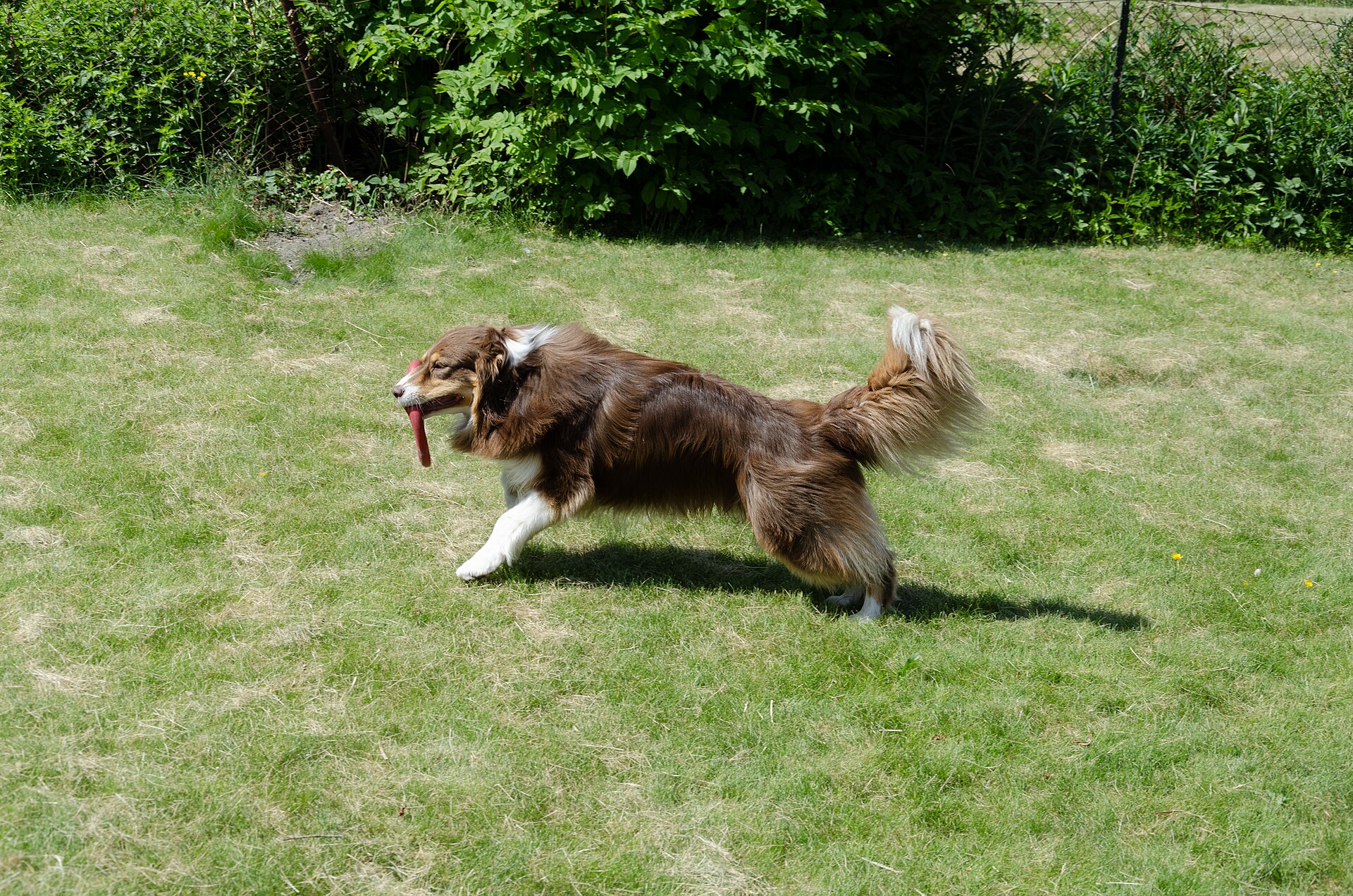
Training an Australian Shepherd without creating a tiny lawyer
Aussies learn patterns quickly—including patterns you did not intend to teach. Clear cues, short sessions, consistent household rules, and reward-based methods make that intelligence easier to live with.
Prioritize:
- Recall: build it gradually around distractions and use a long line where needed.
- Settle skills: reward calm behavior before the dog demands another activity.
- Leash manners: teach check-ins and reinforce a loose leash before pulling becomes the daily commute.
- Disengagement from motion: create distance from bikes, cars, livestock, and running children; reward turning back to the handler.
- Cooperative handling: make brushing, paw checks, and veterinary-style handling predictable and positive.
Chasing vehicles is dangerous and needs physical prevention, not optimistic shouting. Use secure fencing and leashes, and seek a qualified reward-based trainer or behavior professional if chasing, fear, guarding, or persistent overarousal is difficult to manage. Sudden behavior changes also warrant veterinary attention.
Coat care, shedding, and routine health
The Australian Shepherd has a weather-resistant double coat that sheds year-round and often more heavily during seasonal coat changes. Brushing once or twice a week is a reasonable starting point for many dogs, with more frequent work during heavy shedding. Pay attention behind the ears, around the legs, and anywhere friction encourages tangles.
Baths are needed when the dog is dirty rather than on an aggressive schedule. Keep nails comfortable, check ears without inserting products or tools deeply, and build tooth care into the routine. The coat generally should not be shaved simply to manage shedding; discuss unusual matting, skin trouble, or medical clipping needs with a veterinarian or experienced groomer.
Responsible breeders screen breeding dogs for relevant inherited conditions and eye concerns. Ask for verifiable health-test results rather than accepting “vet checked” as a substitute. For an individual dog, a veterinarian is the right source for preventive care, weight, exercise, and symptom questions.
Fun Australian Shepherd quirks
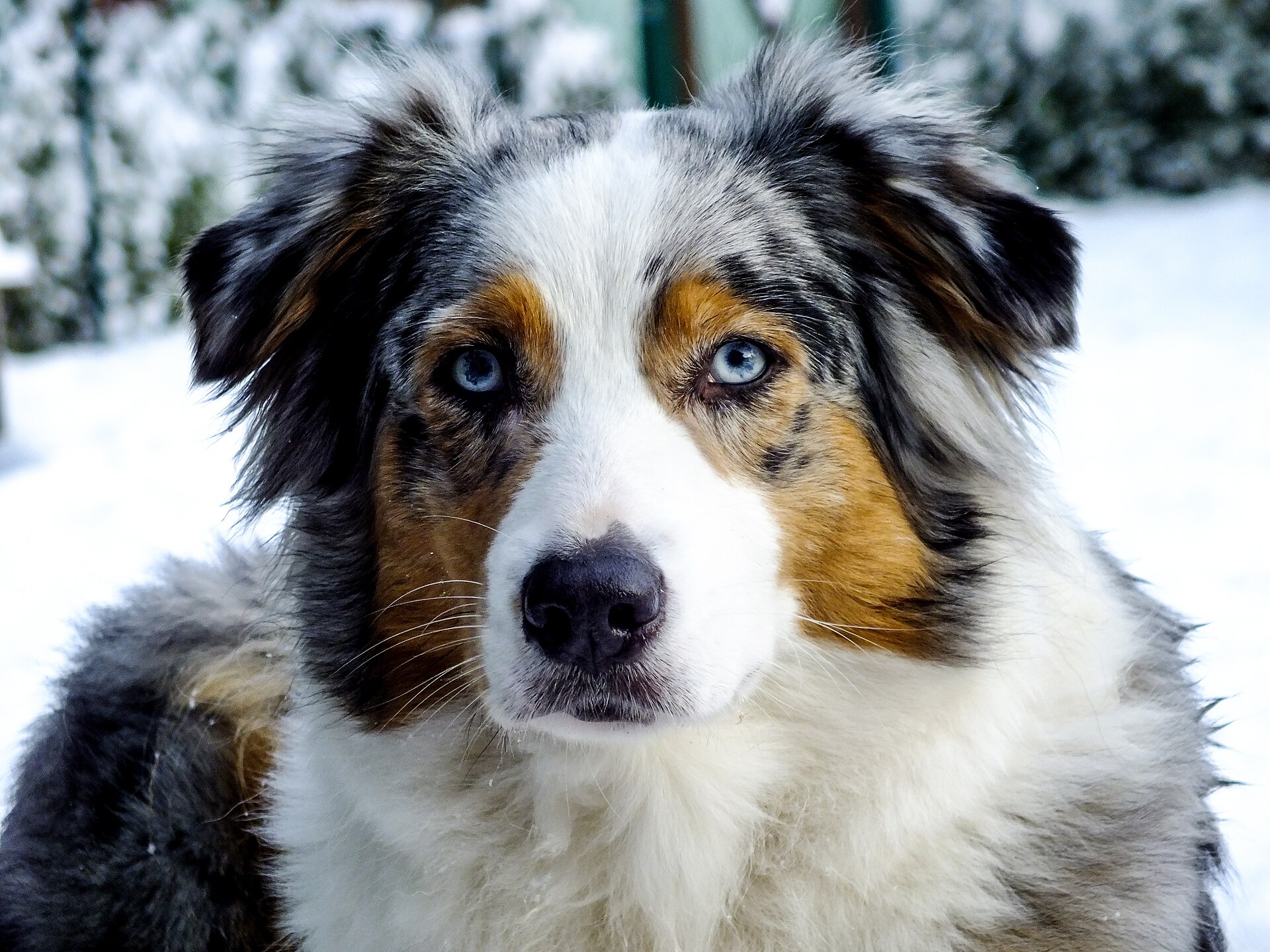
- The eyes can be striking. Brown, blue, amber, or combinations can occur, including two different-colored eyes.
- Merle is a coat pattern, not a personality type. Color does not tell you how calm, driven, friendly, or trainable a dog will be.
- The tail varies. Aussies may be born with a naturally bobbed tail or a full-length tail; docking rules and customs vary by place.
- They notice routines fast. Put on one particular pair of shoes twice before a hike and the dog may consider it a binding contract.
- They often stay close. Many Aussies follow their people from room to room, sometimes with the solemn focus of a junior ranch foreman.
Before bringing an Aussie home
Choose the individual dog, source, and support system as carefully as the breed. A responsible breeder should discuss temperament honestly, show relevant health testing, explain how puppies are raised, and be willing to take a dog back if circumstances change. A good rescue or foster home can provide equally useful detail about the dog’s real behavior.
Ask yourself what happens on an ordinary wet Tuesday. Who provides the morning outing? What does the dog do during work hours? How will chasing be prevented? Where will training and quiet rest fit? The Australian Shepherd is at its best when the answers are concrete.
For the broader cluster, Dogthread’s upcoming guide to Australian Shepherd vs. Border Collie will compare energy, training style, and household fit. Our guides to recall, loose-leash walking, dog body language, enrichment for smart dogs, and at-home grooming cover the practical skills that make life with a clever herding dog easier.
Frequently asked questions
Are Australian Shepherds from Australia?
The modern Australian Shepherd was developed in the United States. Its name is generally associated with sheep and shepherding routes connected to Australia, but the breed became established as an American Western ranch dog.
Are Australian Shepherds good family dogs?
They can be excellent family dogs in active homes that provide training, supervision, mental work, and rest. Herding behavior and sensitivity to motion can make young children or fast-moving pets a management challenge, so individual temperament matters.
How much exercise does an Australian Shepherd need?
Many healthy adults need substantial daily physical activity plus mental engagement, usually split across the day. There is no single correct quota. Adjust the routine for age, health, weather, temperament, and activity intensity, and include calm recovery.
Do Australian Shepherds shed?
Yes. Their double coat sheds throughout the year and often more heavily during seasonal changes. Regular brushing helps remove loose coat and catch tangles early.
Are Australian Shepherds easy to train?
They are often quick learners and responsive to consistent, reward-based training. Quick learning also means they can acquire unwanted routines fast, so clear cues, short sessions, and deliberate calm training are valuable.
What is the difference between an Australian Shepherd and a Miniature American Shepherd?
They are separate breeds, not simply two size labels for the same dog. The Miniature American Shepherd was developed from smaller herding dogs and has its own breed standard. Confirm the actual breed rather than relying on informal terms such as “mini Aussie.”
Methodology and update note
This feature is a source-informed editorial synthesis of established breed standards, history, and conservative care and training guidance. It draws on public breed information from the Australian Shepherd Club of America and the American Kennel Club, with licensed Wikimedia Commons photographs. Dogthread does not claim veterinary, breeder, or professional trainer authority. Individual health and behavior questions belong with an appropriate professional.
Review this page when major breed-standard, health-screening, or welfare guidance changes.