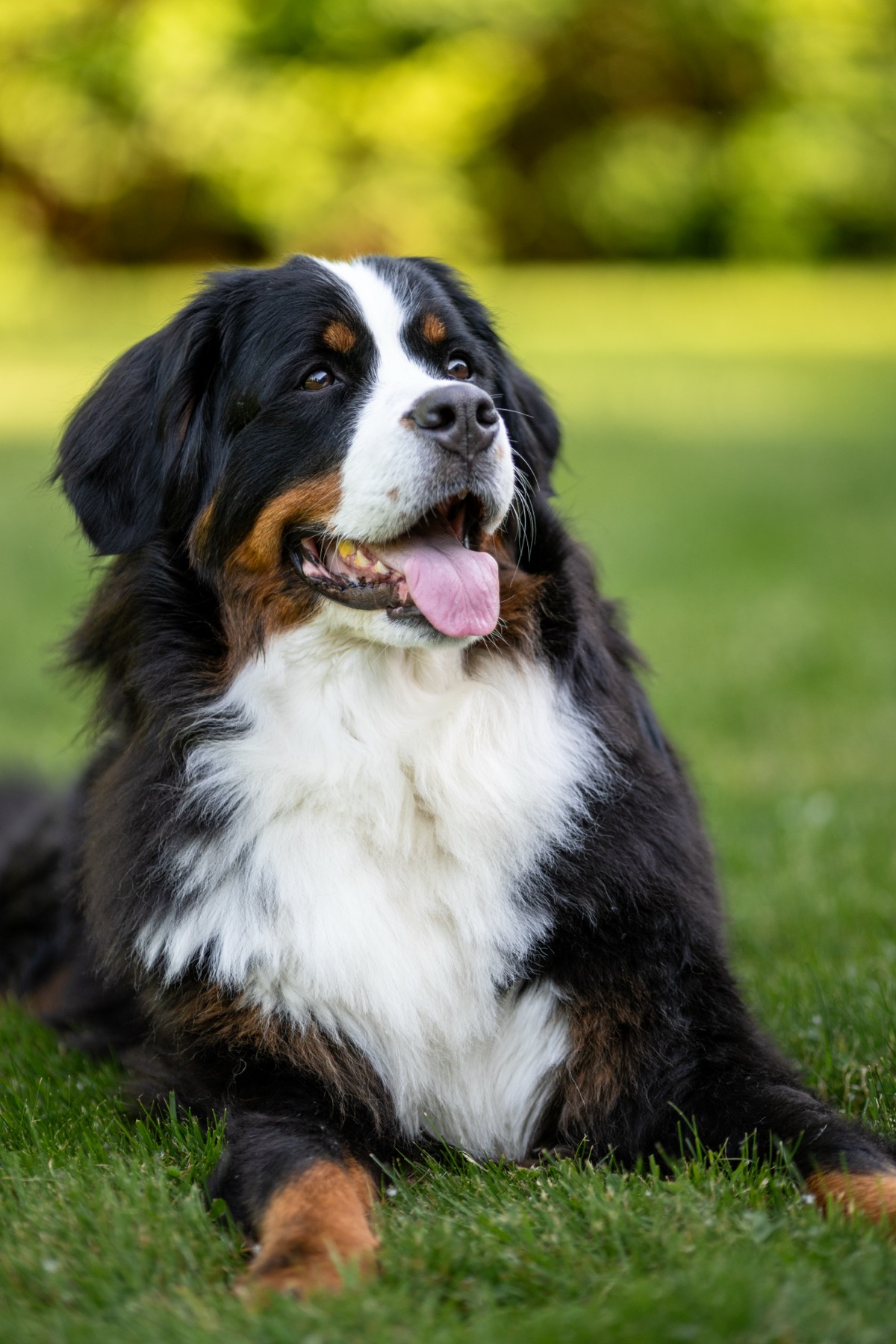
Dog of the Day: Bernese Mountain Dog
The Bernese Mountain Dog looks like someone ordered a farm dog in formalwear: glossy black coat, white shirtfront, rust-colored trim, and enough fluff to make every doorway feel slightly smaller.
Behind that handsome tricolor coat is a powerful Swiss working breed developed to help around farms. Berners are typically affectionate, steady, and closely attached to their people. They can be wonderful family companions, but “gentle giant” should never be mistaken for “easy appliance.” This is a very large dog with heavy shedding, meaningful training needs, limited tolerance for heat, and a heartbreakingly short typical lifespan.
For a home that wants an involved, good-natured companion and can manage the size, hair, expense, and daily care, a Bernese Mountain Dog can be magnificent. For a hot climate, tiny budget, spotless house, or schedule built around long absences, the match is much harder.
Quick facts about the Bernese Mountain Dog
- Origin: Switzerland, especially the agricultural areas around Bern
- Original work: All-purpose farm dog used for tasks such as moving cattle, guarding farmsteads, and pulling carts
- Breed group: Working
- Typical height: About 23-27.5 inches at the shoulder
- Typical weight: Roughly 70-115 pounds, with males commonly larger
- Typical lifespan: Often about 7-10 years; individuals vary
- Coat: Long, thick, tricolor double coat
- Shedding: High, with heavier seasonal shedding
- Temperament: Affectionate, calm, loyal, sensitive, and often reserved rather than hostile with strangers
- Exercise: Moderate daily activity, adjusted for age, weather, and health
- Best fit: People who want a large, social companion and can commit to training, grooming, cool-weather management, and substantial lifetime costs
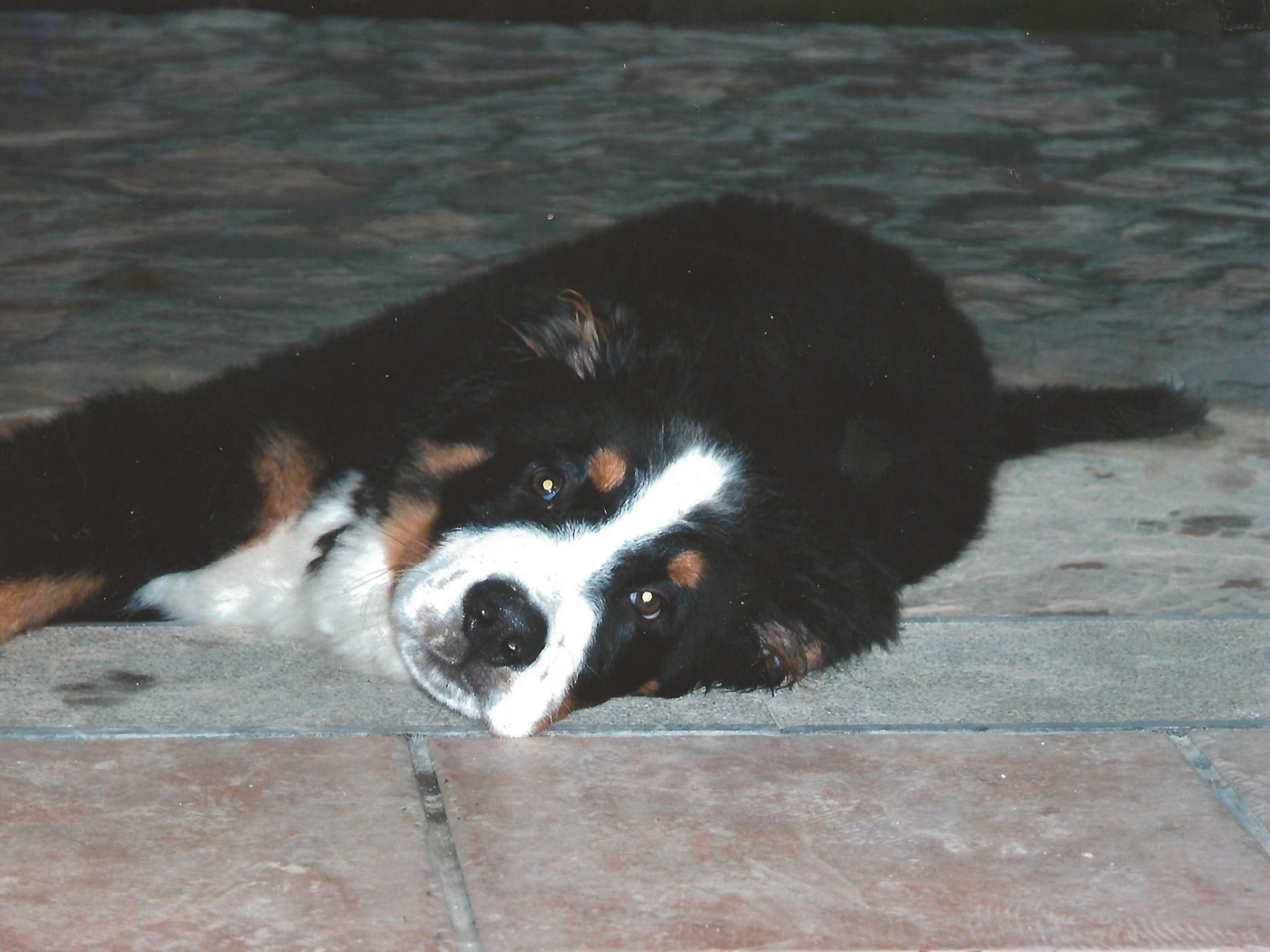
That puppy grows fast. Early manners matter because a behavior that seems funny at 20 pounds becomes structural engineering at 90.
Temperament: affectionate, sensitive, and close to home
Bernese Mountain Dogs are widely loved for their warm, steady nature. Many are deeply affectionate with family and prefer being near their people. They are often described as gentle, but every dog is an individual, and genetics, socialization, training, health, and experience all influence temperament.
Their sensitivity is part of their appeal. Berners often respond well to calm, reward-based training and clear routines. Harsh handling can make a sensitive dog worried or shut down; it does not create a better working relationship. Short, upbeat sessions are usually more productive than drilling until everyone regrets owning a clicker.
Many Berners are friendly or politely reserved with strangers. Their size and deep bark may discourage an uninvited visitor, but they should not be chosen as an aggressive protection dog. A stable Berner is generally valued for confidence and composure, not suspicion.
Who does a Bernese Mountain Dog fit?
A Berner can suit families, couples, or individuals who want a large dog woven into daily life. They often enjoy children, but supervision is essential: even a kind 100-pound dog can flatten a small child with one enthusiastic turn. Children should also learn to leave dogs alone while eating or resting and never climb on them.
Bernese Mountain Dogs tend to fit best with owners who can offer:
- regular companionship and a predictable routine
- room for a large dog to move and rest comfortably
- daily walks, sniffing, training, and moderate outdoor activity
- early socialization and polite-leash practice
- frequent brushing and acceptance of dog hair
- reliable access to shade, water, and cooling in warm weather
- a realistic budget for food, grooming, preventive care, and large-dog veterinary costs
They may be a poor fit for people who want a low-shedding dog, live in persistent heat without dependable cooling, expect a serious endurance athlete, or leave the dog alone most of the day. Apartment life is possible when exercise, stairs, temperature, elevator access, and sheer floor space are handled thoughtfully; a yard does not replace engagement.
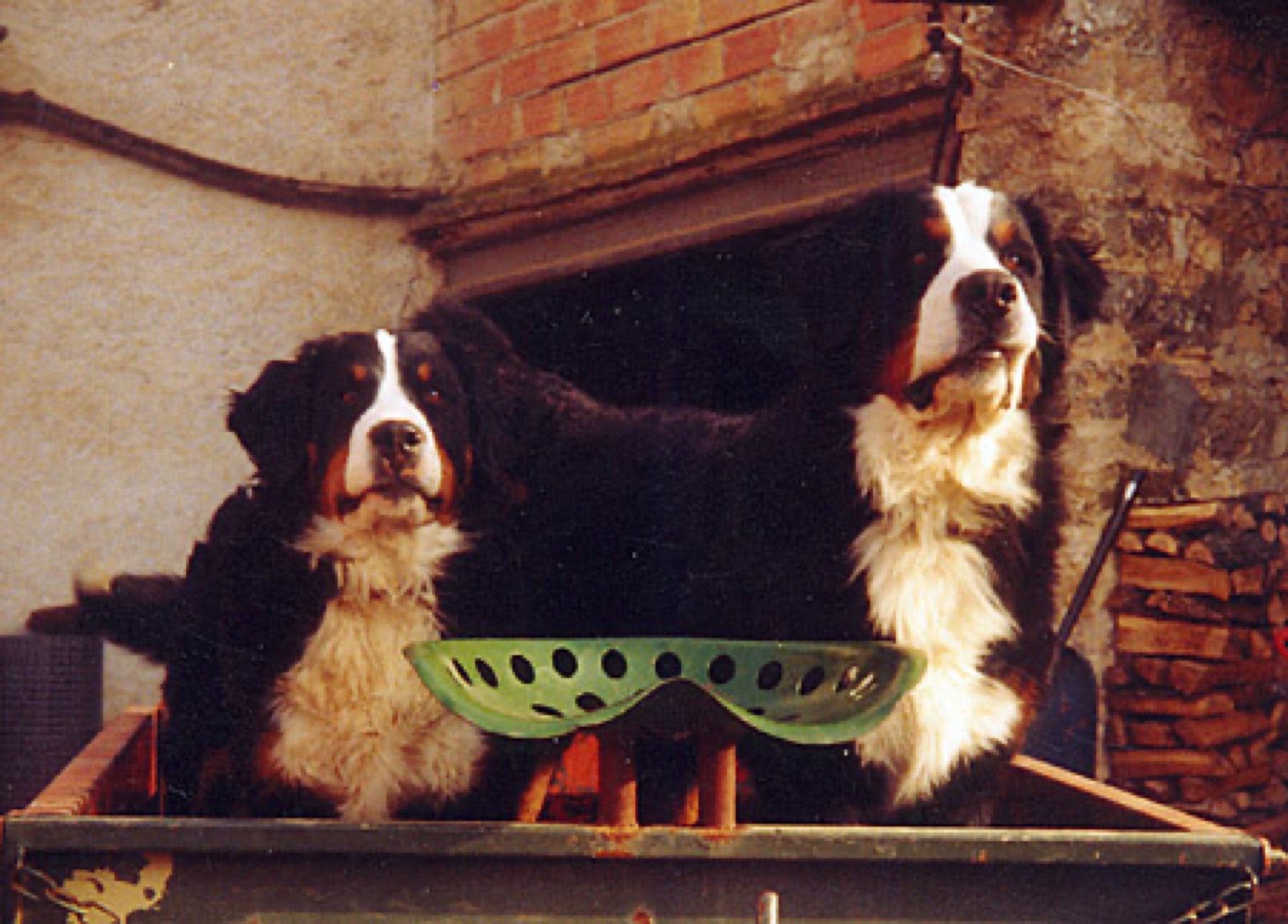
Many Berners enjoy canine company, but size, play style, introductions, and individual temperament matter more than breed slogans.
From Swiss farm dog to family companion
The Bernese Mountain Dog is one of Switzerland's four traditional Sennenhund breeds. Its name points to the canton of Bern, while Sennenhund refers broadly to the dogs associated with Alpine herders and dairymen.
On farms, these dogs were useful generalists. They could help drive livestock, watch the property, accompany the family, and pull small carts loaded with goods. Their broad build supplied power; the thick coat suited cool conditions; and a cooperative temperament helped them work around people and animals.
Industrialization reduced demand for traditional farm dogs, and breed enthusiasts worked to preserve and standardize the Berner in the early 20th century. The breed eventually spread far beyond Switzerland. Today, most Bernese Mountain Dogs are companions, although carting and draft activities still give modern owners a window into the breed's working past.
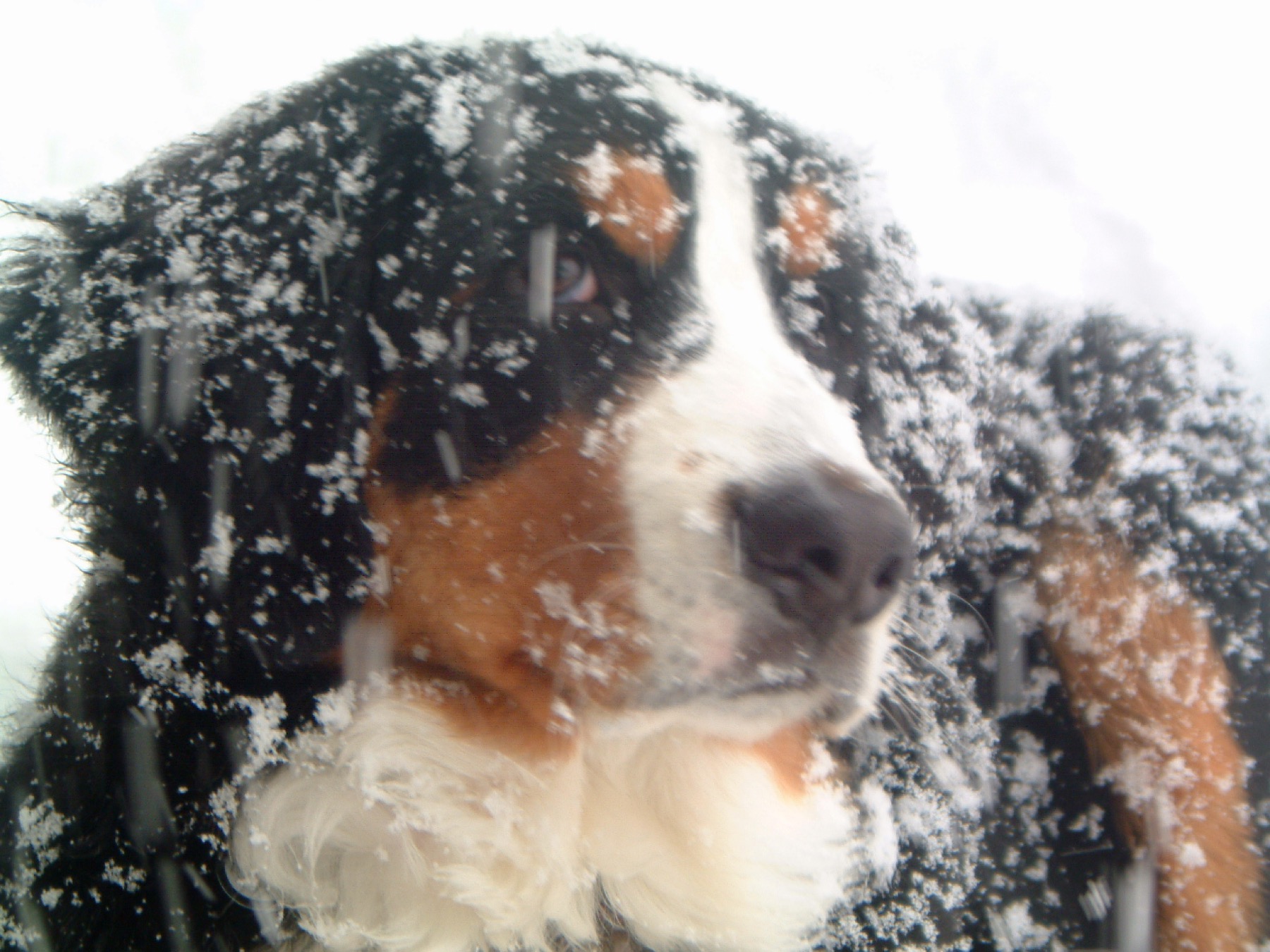
The dense double coat makes sense in a cold landscape. In summer, it becomes a management responsibility, not a fashion statement.
Owner reality: the size, the hair, and the short clock
The first reality is scale. Food, beds, crates, vehicles, medications, boarding, and veterinary procedures can all cost more for a giant dog. Counter-surfing reaches a new level when the counter is barely an obstacle. Leash manners are not optional.
The second reality is coat. Berners shed throughout the year and often shed more heavily with seasonal changes. Brushing controls loose hair and catches tangles, but no brush negotiates a complete surrender. Black trousers will simply become a collaborative art project.
The hardest reality is lifespan. Bernese Mountain Dogs are not generally a long-lived breed, and they have recognized risks for serious health problems, including cancers and orthopedic disease. Prospective owners should ask breeders for documented health testing relevant to the breed, learn about longevity in the family line, and avoid anyone who replaces evidence with assurances. Rescue adopters may not have a full history, making regular veterinary care and close observation especially important.
No checklist can guarantee health. It can only improve the quality of the decision.
Exercise without overheating or overdoing it
Most adult Berners benefit from moderate daily exercise: walks, sniffing, easy hikes in suitable weather, play, and training games. Some enjoy draft work, rally, obedience, tracking, or therapy activities. They generally need activity, but they are not designed for relentless speed or long-distance work in heat.
Because their coat and large body can make hot weather difficult, schedule summer activity for cooler periods, provide water and shade, and stop if the dog seems distressed. Heavy panting, weakness, confusion, vomiting, collapse, or other signs of heat illness require urgent veterinary help. Never leave a dog in a warm vehicle.
Growing puppies also need sensible exercise. Avoid forced long runs, repetitive jumping, and workouts built for mature dogs. Ask a veterinarian for individual guidance if you are unsure about growth, joints, body condition, or safe activity.
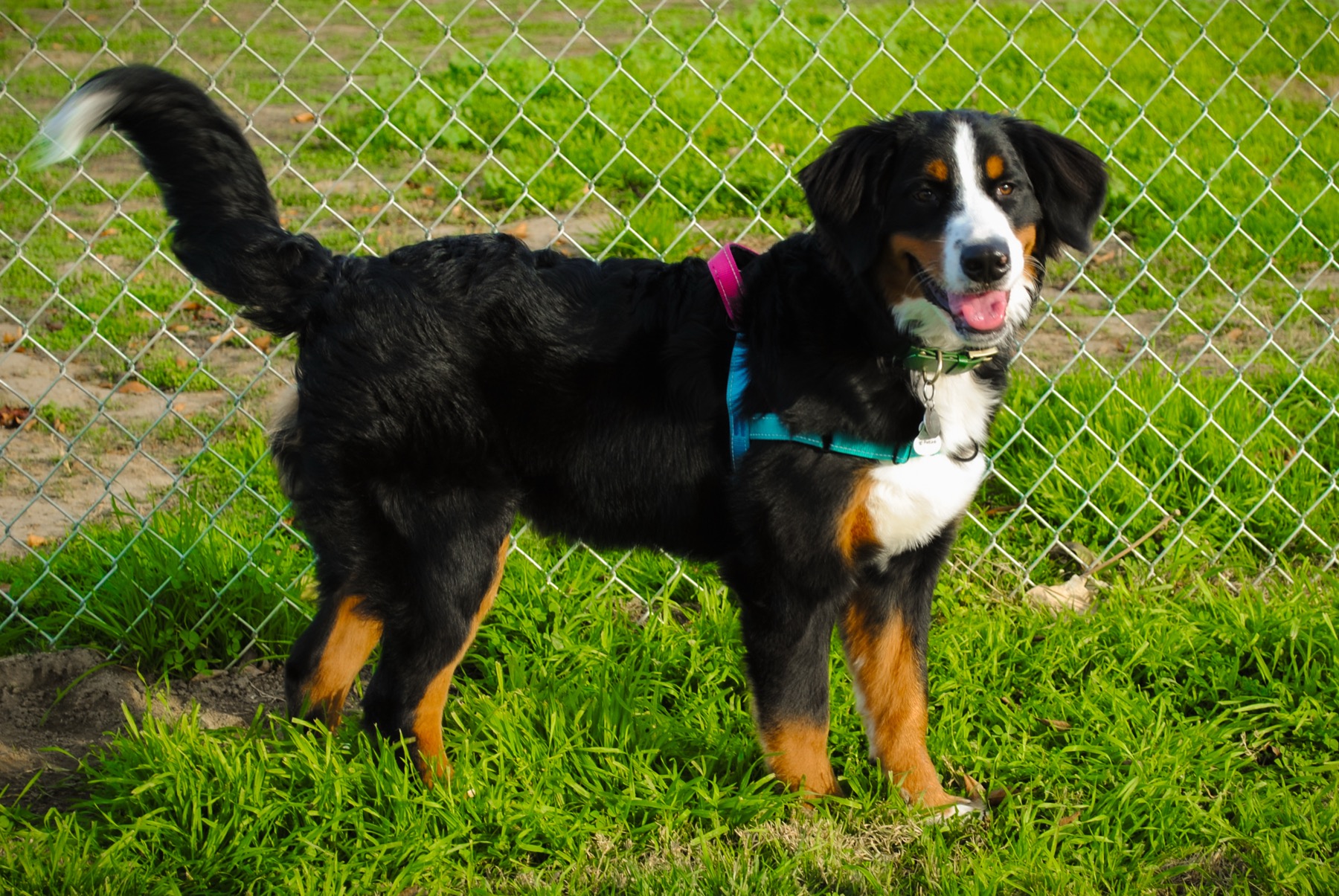
A fit Berner should be powerful without carrying unnecessary weight. Your veterinarian can help assess body condition beneath the coat.
Training a very large, very soft-hearted dog
Start early and make useful behavior rewarding. A Berner puppy should learn that four paws on the floor, a loose leash, calm handling, and settling quietly all pay better than launching a full-body greeting.
Prioritize:
- name response and recall
- loose-leash walking
- polite greetings without jumping
- leave it, drop it, and trading objects
- waiting at doors and getting out of vehicles calmly
- settling on a mat
- cooperative brushing, nail care, and veterinary handling
- comfortable time alone in age-appropriate amounts
Socialization should mean safe, positive exposure—not forcing a puppy to meet every dog and stranger. Let the puppy observe surfaces, sounds, people, animals, vehicles, and environments at a manageable distance. Quality beats quantity, especially with a thoughtful breed that may mature slowly.
Grooming and routine care
Brush the coat thoroughly at least weekly and more often during heavy shedding. Pay attention behind the ears, around the collar, in the feathering, under the legs, and around the tail. Check the skin as you work; a dense coat can hide irritation, lumps, parasites, or injuries.
Keep nails at a functional length, maintain dental care, and check ears regularly. Bathing frequency depends on activity and coat condition. Shaving a healthy double coat is not a shortcut to summer comfort and may interfere with its protective function; discuss coat or skin problems with a veterinarian or qualified groomer.
Watch for changes in appetite, energy, breathing, gait, swelling, unexplained weight change, persistent digestive trouble, or new lumps. These signs have many possible causes, but a breed's health risks are a reason to call a veterinarian sooner—not a reason to diagnose the dog yourself.

The dignified portrait is only half the story. Many Berners are shameless clowns once they feel at home.
Fun Bernese Mountain Dog quirks
- They may try to sit on your feet, lean against your legs, or otherwise confirm that personal space has been discontinued.
- Many carry the expression of an old Swiss philosopher while doing something spectacularly unserious.
- Their slow physical and emotional maturation can leave you with an enormous adolescent who has not received the memo about being enormous.
- Snow can unlock puppy mode in dogs who looked half-asleep indoors.
- Some retain an instinctive interest in pulling; structured carting should use proper equipment and only begin when the dog is physically mature and appropriately conditioned.
- They are remarkably good at blocking the exact doorway you need.

Size does not decide sociability, but it does raise the stakes. Calm introductions and considerate play protect both dogs.
Is the Bernese Mountain Dog your dog of the day?
Choose a Bernese Mountain Dog for the dog in front of you—not just the beautiful markings. The right home values companionship, patient training, cool-weather planning, routine grooming, and honest health preparation. It can afford a giant dog's needs and can accept that the relationship may be shorter than anyone would like.
In return, the Berner offers a rare combination: farm-dog substance, family-dog warmth, and the comic timing of a bear who has misplaced the mountains.
Frequently asked questions
Are Bernese Mountain Dogs good family dogs?
They often can be. Many are affectionate and gentle with family, but their size requires training and supervision around children. Individual temperament and responsible socialization still matter.
How much do Bernese Mountain Dogs shed?
A lot. Their long double coat sheds year-round and usually more heavily during seasonal coat changes. Frequent brushing helps manage loose hair and tangles but does not make the breed low-shedding.
How much exercise does a Bernese Mountain Dog need?
Most healthy adults need moderate daily exercise plus mental engagement. The exact amount depends on age, fitness, weather, and health. Avoid strenuous activity in heat and get individual veterinary guidance for puppies or dogs with medical concerns.
Are Bernese Mountain Dogs easy to train?
They are often cooperative and responsive to calm, reward-based training. Their size makes early leash manners, greetings, handling, and impulse control especially important.
Can a Bernese Mountain Dog live in an apartment?
It is possible if the building and routine genuinely accommodate a very large dog. Consider exercise, stairs or elevators, indoor temperature, floor space, noise, and bathroom access. A small home is not automatically disqualifying; an unsuitable lifestyle is.
How long do Bernese Mountain Dogs live?
Their typical lifespan is often cited around 7-10 years, though individuals vary. The breed has meaningful risks for cancer and orthopedic disease, so health screening, preventive care, and prompt veterinary attention matter.