
Dog of the Day: Cavalier King Charles Spaniel
The Cavalier King Charles Spaniel is a small companion dog with a sporting-dog spark. Cavaliers are typically affectionate, sociable, eager to stay close to their people, and adaptable enough for many homes—as long as “small” is not mistaken for “maintenance-free.”
This breed usually fits people who want a gentle, interactive companion and can provide daily walks, regular coat care, reward-based training, and plenty of company. The serious owner reality is health: anyone considering a Cavalier should ask detailed questions about health screening and budget for lifelong veterinary care.
Cavalier King Charles Spaniel quick facts
- Breed group: Toy
- Typical height: about 12–13 inches at the shoulder
- Typical weight: about 13–18 pounds
- Coat: medium-length, silky, with feathering on the ears, chest, legs, and tail
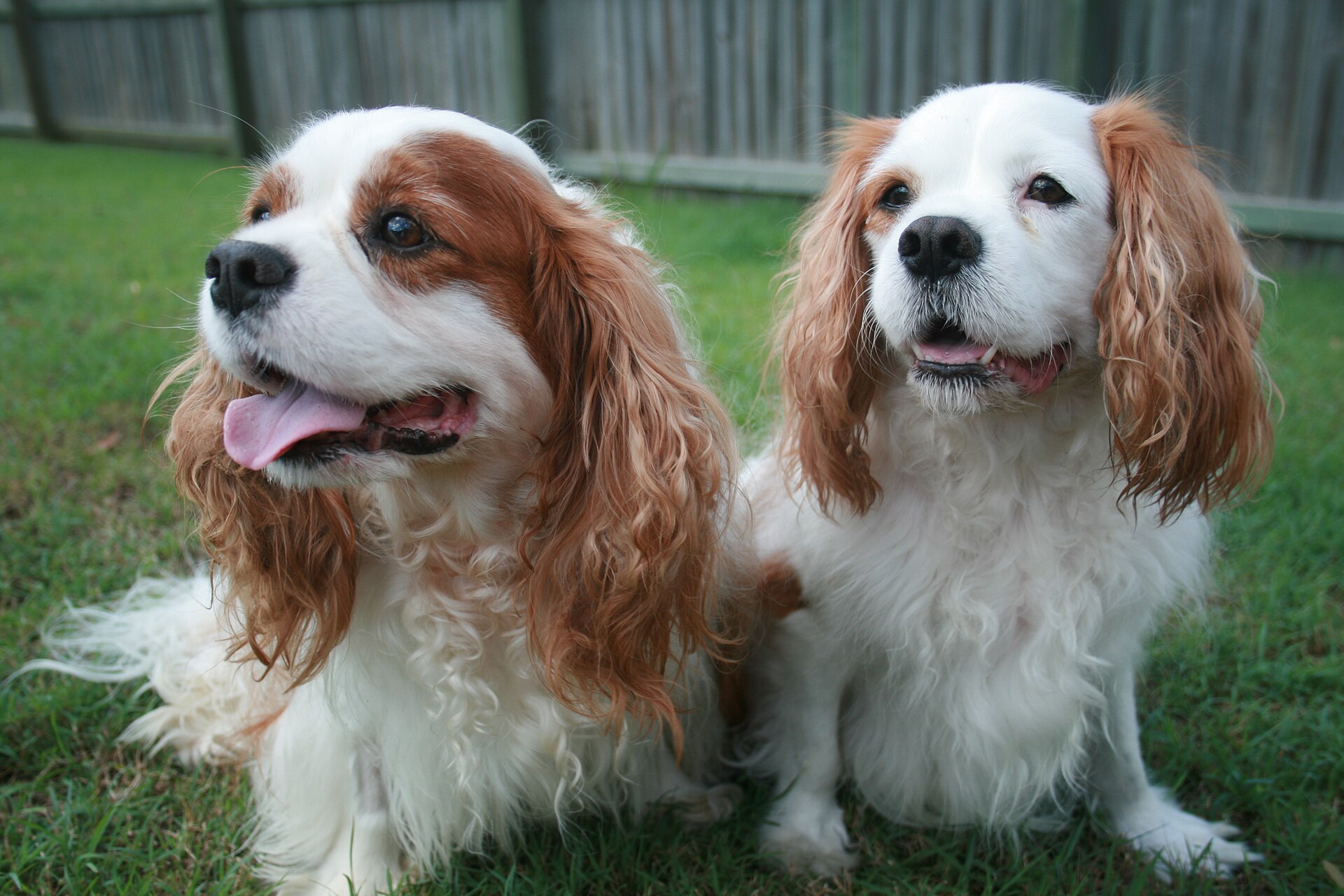
- Recognized colors: Blenheim, tricolor, ruby, and black and tan
- General temperament: affectionate, gentle, sociable, responsive
- Exercise needs: moderate daily activity, adjusted for age and health
- Grooming: regular brushing, plus routine ear, nail, and dental care
- Best known for: large expressive eyes, close companionship, and a surprisingly game spaniel side
Breed averages describe a population, not a promise about one dog. Adult size, energy, confidence, sociability, and health can all vary.
Temperament: a companion who wants to participate
Cavaliers were shaped to live close to people, and many behave like cheerful shadows. They often prefer being in the same room, joining a walk, curling up on the sofa, and monitoring any activity that might accidentally become snack-related.
The typical Cavalier is friendly and soft-natured, but “friendly breed” does not mean every individual loves every person or dog. Early, positive socialization matters. So does allowing a dog to move away instead of forcing greetings.
Many Cavaliers learn quickly with food, play, and praise. Harsh corrections are unnecessary and may be especially counterproductive with a sensitive dog. Short reward-based sessions work well for house training, recall, loose-leash walking, polite greetings, and calm handling.
Who does a Cavalier fit?
A well-matched Cavalier can suit:
- a person who wants a highly companionable indoor dog
- a family able to supervise respectful child-dog interactions
- an older adult who can manage grooming, walks, and veterinary costs
- a first-time owner willing to learn basic training and coat care
- an apartment household with reliable outdoor access and a daily routine
- a moderately active home that wants walks and play rather than an endurance athlete
They are not decorative sofa cushions. Healthy adults commonly enjoy walks, sniffing, games, basic training, and some dog sports. Their spaniel ancestry can appear when a bird moves, a scent trail begins, or somebody throws a toy.
Who should think twice?
This breed may be a difficult fit if the dog would regularly spend long stretches alone, the household wants an independent pet, grooming will be neglected, or veterinary costs would be hard to absorb. A yard does not replace company or daily engagement.
Think carefully around very small children. Cavaliers are not toys, and their modest size makes rough handling or falls risky. Interactions should be calm and actively supervised. Compatibility with cats and other dogs depends on the individuals and on careful introductions, not simply the breed label.
Their friendly appearance can also produce lazy assumptions about recall. A Cavalier following an interesting scent or moving animal may ignore the family biography entirely. Use a leash or securely fenced area until recall is genuinely reliable.
From royal toy spaniel to modern Cavalier
Small spaniels appear in British art and court life centuries before today’s breed standard. They became particularly associated with King Charles I and King Charles II, which explains the royal name. These dogs were companions, but the broader spaniel family’s sporting heritage never disappeared completely.
During the late 1800s, shorter-faced toy spaniels became fashionable. In the 1920s, Crufts offered special prizes for dogs resembling the longer-muzzled “old type” seen in historic paintings. Enthusiasts formed the Cavalier King Charles Spaniel Club in 1928, and the UK Kennel Club recognized the Cavalier as a separate breed in 1945.
The name now distinguishes the Cavalier King Charles Spaniel from the smaller, shorter-faced King Charles Spaniel, called the English Toy Spaniel in the United States. Similar names; different breeds. Dog naming has never met an avoidable complication it didn’t enjoy.

The four Cavalier colors
The four recognized color patterns are:
- Blenheim: rich chestnut markings on a white background
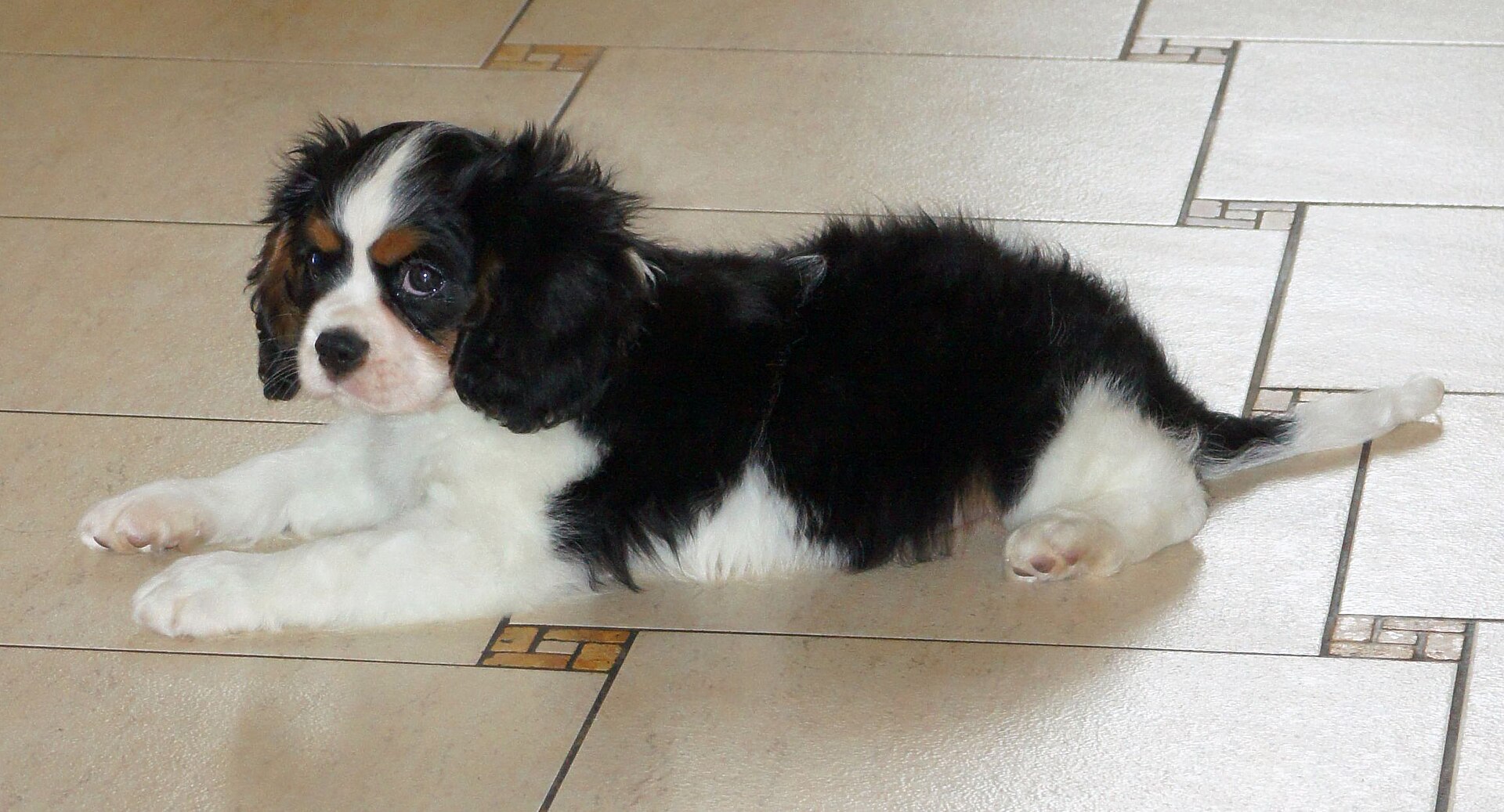
- Tricolor: black and white with tan markings
- Ruby: solid rich red
- Black and tan: black with tan markings in characteristic areas
Color is visually interesting but should sit well below health, temperament, structure, and responsible breeding when choosing a dog. No coat color guarantees a particular personality.
The word “Blenheim” comes from the historic association between red-and-white toy spaniels and Blenheim Palace, home of the Dukes of Marlborough.
Owner reality: the health conversation matters
Cavaliers can be wonderful companions, but the breed has significant inherited health concerns. Mitral valve disease is a major concern, and breed organizations also discuss syringomyelia, eye disease, patellar luxation, hip problems, and other conditions.
That does not mean every Cavalier will develop every problem. It does mean prospective owners should avoid anyone who treats health questions as an insult or waves around a generic “vet checked” claim. A basic puppy exam is not the same as documented screening of breeding dogs.
Ask a breeder which breed-relevant tests were completed on both parents, who performed them, when they were performed, and how you can verify the results. Heart screening is especially important. Responsible breed-club or kennel-club guidance can help you understand which records to request. A rescue should share all known veterinary information while being honest about anything unknown.
Once the dog is home, keep routine veterinary appointments and mention the breed’s known risks. Seek veterinary advice for symptoms such as coughing, breathing changes, fainting, reduced stamina, unexplained pain, repeated neck or shoulder scratching without an obvious skin cause, weakness, or a sudden behavior change. An article cannot diagnose those signs.

Exercise without turning life into boot camp
Most healthy adult Cavaliers benefit from daily walks, sniffing, play, and brief training. Some enjoy longer outings and dog sports; others are happiest with a moderate routine. Weather, fitness, age, and medical status all affect what is appropriate.
A practical day might include:
- a relaxed morning walk with time to sniff
- a few minutes of recall, trick, or handling practice
- indoor play or a food-search game
- another walk or outdoor break later
- quiet time with the household
Puppies need shorter, age-appropriate activity and plenty of sleep. Senior dogs may need slower routes or more frequent short outings. Ask a veterinarian before starting sustained running or other strenuous exercise, especially if the dog has symptoms or a known heart, joint, or neurological condition.
Because many Cavaliers are food-motivated and extremely persuasive, measure meals and account for treats. Maintaining a healthy body condition is more useful than arguing that the eyes made you do it.
Training priorities for a small spaniel
Start with skills that make daily life safer:
- Name response and check-ins: reward the dog for turning toward you.
- Recall: practice in easy places before adding distractions.
- Loose-leash walking: reinforce staying near you instead of waiting for pulling to become a habit.
- Comfort with handling: pair gentle ear, paw, mouth, and coat handling with rewards.
- Alone-time foundations: build very gradually so independence does not arrive as a sudden eight-hour surprise.
- Settle on a mat: teach that companionship can include resting while nothing exciting happens.
House training may take consistency. Use frequent outdoor trips, supervision, and rewards for getting it right. Punishing accidents teaches very little beyond the fact that humans become bizarre near puddles.
Grooming and routine care
The silky coat needs regular brushing, especially behind the ears, under the legs, and around feathering where tangles form. Work gently from the ends rather than pulling through a mat. Dogs that hike through wet grass or brush may need more frequent checks.
Routine care should include:
- checking and cleaning ears only as directed by a veterinarian
- keeping nails at a comfortable length
- brushing teeth with dog-safe toothpaste
- checking paws and feathering after outdoor adventures
- bathing as needed with a dog-appropriate product
- watching for skin changes, lumps, soreness, or unusual odor
Long, feathered ears can dip into water or food, a design decision made by elegance without consulting housekeeping. A narrow bowl or washable snood may help some owners, provided the dog is comfortable and supervised.
Fun Cavalier quirks
Many Cavalier households recognize a few recurring themes:
- The dog can move from brisk outdoor explorer to lap specialist with remarkable efficiency.
- Those long ears collect leaves, burrs, water, and occasionally dinner.
- A Cavalier may greet a visitor as though they were separated during wartime.
- The sporting side often appears around birds, scents, and moving toys.
- Personal space can become a theoretical concept.
- Their expression is excellent at opening refrigerators by proxy.
These are affectionate generalizations, not rules. The best way to know an individual dog is to watch the dog in front of you.

Is the Cavalier King Charles Spaniel right for you?
Choose this breed for the real routine, not only the beautiful face. The best Cavalier home offers close companionship, gentle training, daily activity, regular grooming, safe management, and realistic veterinary planning.
Before committing, ask:
- How many hours will the dog usually be alone?
- Who handles walks and grooming on busy days?
- Can the household supervise children and dog interactions?
- Are secure walking areas available?
- Can the budget handle insurance or unexpected veterinary care?
- Can health-screening records be independently verified?
- Does the individual dog’s temperament match the household?
If those answers are solid, the Cavalier’s combination of affection, adaptability, and quiet sporting enthusiasm can be hard to beat.

Frequently asked questions
Are Cavalier King Charles Spaniels good family dogs?
Many are affectionate family companions, but fit depends on the individual dog and the household. Children should interact gently under active adult supervision, and the dog needs training, exercise, rest, and the option to move away.
Do Cavaliers bark a lot?
Some are relatively quiet; others alert to visitors, noises, or separation. Breeding, learning history, environment, and individual temperament all matter. Persistent new vocalization can also signal stress or a medical issue.
Can a Cavalier live in an apartment?
Yes, many can if they receive regular outdoor breaks, daily walks, enrichment, training, and company. Apartment suitability depends more on the routine and the individual than on square footage alone.
How often does a Cavalier need brushing?
Regular brushing several times a week is a practical starting point, with extra attention to feathering and friction areas. Coat length, outdoor activity, and the individual dog may require more frequent care.
Are Cavaliers easy to train?
Many respond enthusiastically to rewards and gentle, consistent teaching. Recall, house training, calm alone time, and grooming cooperation still require deliberate practice.
What is the difference between a Cavalier King Charles Spaniel and a King Charles Spaniel?
They are separate breeds. The Cavalier is generally larger with a longer muzzle and flatter skull. In the United States, the King Charles Spaniel is known as the English Toy Spaniel.
Methodology and update note
This feature is a source-informed editorial synthesis. Breed history, size, coat, and temperament framing were checked against current public guidance from the American Kennel Club and Royal Kennel Club; health cautions were checked against Royal Kennel Club and Cavalier King Charles Spaniel Club, USA materials. It does not claim veterinary, breeder, or trainer expertise.
Health information is intentionally conservative. Readers should use verifiable screening records and their own veterinarian for decisions about a particular dog. Review this page when breed-club health guidance or screening recommendations materially change.