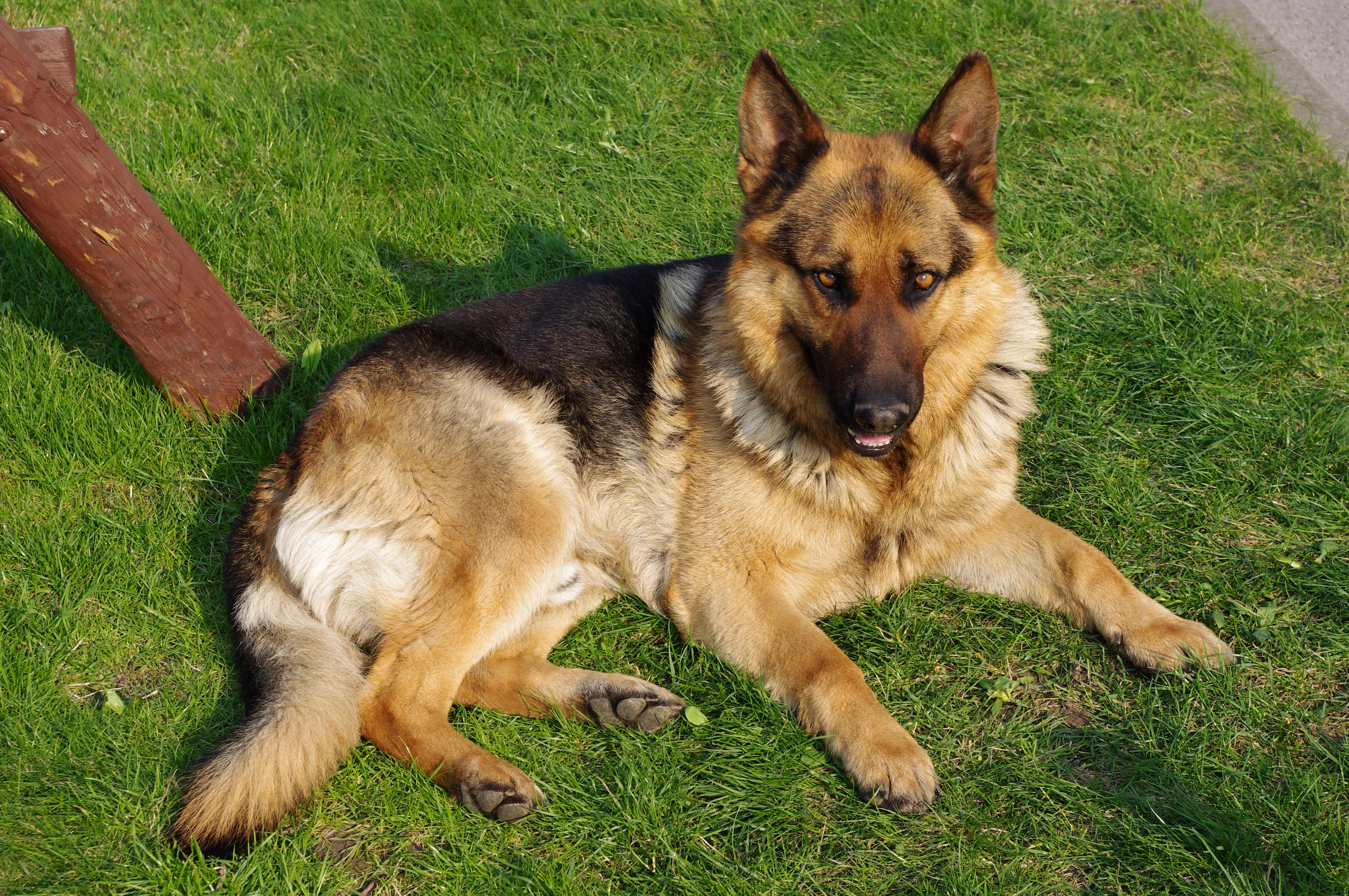
Dog of the Day: German Shepherd
The German Shepherd is today's Dog of the Day because few breeds carry the word "versatile" without making it sound like marketing wallpaper. This is a herding dog, guard dog, service dog, search dog, police dog, film-star dog, family companion, and full-time household security consultant who may consider the mail truck a recurring threat.
At its best, the German Shepherd is steady, intelligent, loyal, athletic, and deeply connected to its people. At its worst, it is an underworked genius with opinions, elbows, hair, and a calendar full of self-assigned patrols. That is the whole owner reality in one sentence: this breed is not difficult because it is dumb. It is demanding because it is paying attention.
German Shepherds were built for work first. The modern breed was developed in Germany in the late 1800s from herding and farm dogs, then shaped around usefulness, nerve, intelligence, stamina, and trainability. The result is one of the world's most recognizable working dogs, and also one of the easiest breeds to misunderstand if someone only sees the handsome outline.
Quick facts about the German Shepherd
- Breed group: Herding
- Origin: Germany
- Also known as: German Shepherd Dog, GSD, Alsatian in some historical contexts
- Typical height: About 22-26 inches at the shoulder in common breed references
- Typical weight: Often around 50-90 pounds, depending on sex, line, and condition
- Typical lifespan: Often listed around 12-14 years, with individual variation
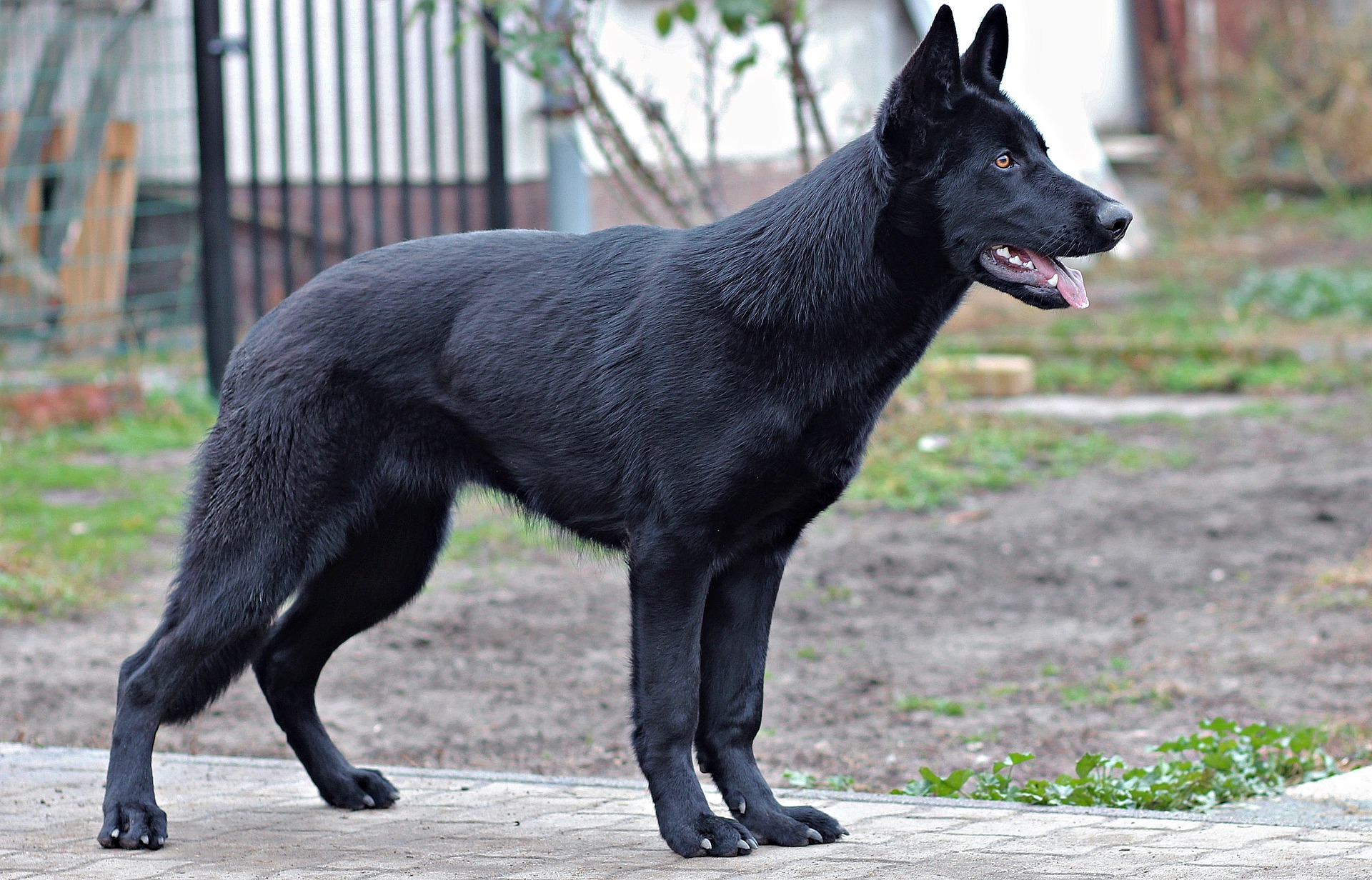
- Coat: Double coat; common colors include black and tan, sable, black, and other breed-standard variations
- Temperament: Intelligent, loyal, confident, alert, energetic, protective, highly trainable
- Best fit: Active owners who want a thinking dog and can provide training, exercise, structure, and socialization
- Watch-outs: Heavy shedding, boredom behaviors, reactivity if poorly socialized, hip/elbow concerns, bloat risk, and the need for real daily work
- Dogthread category: Dog of the Day
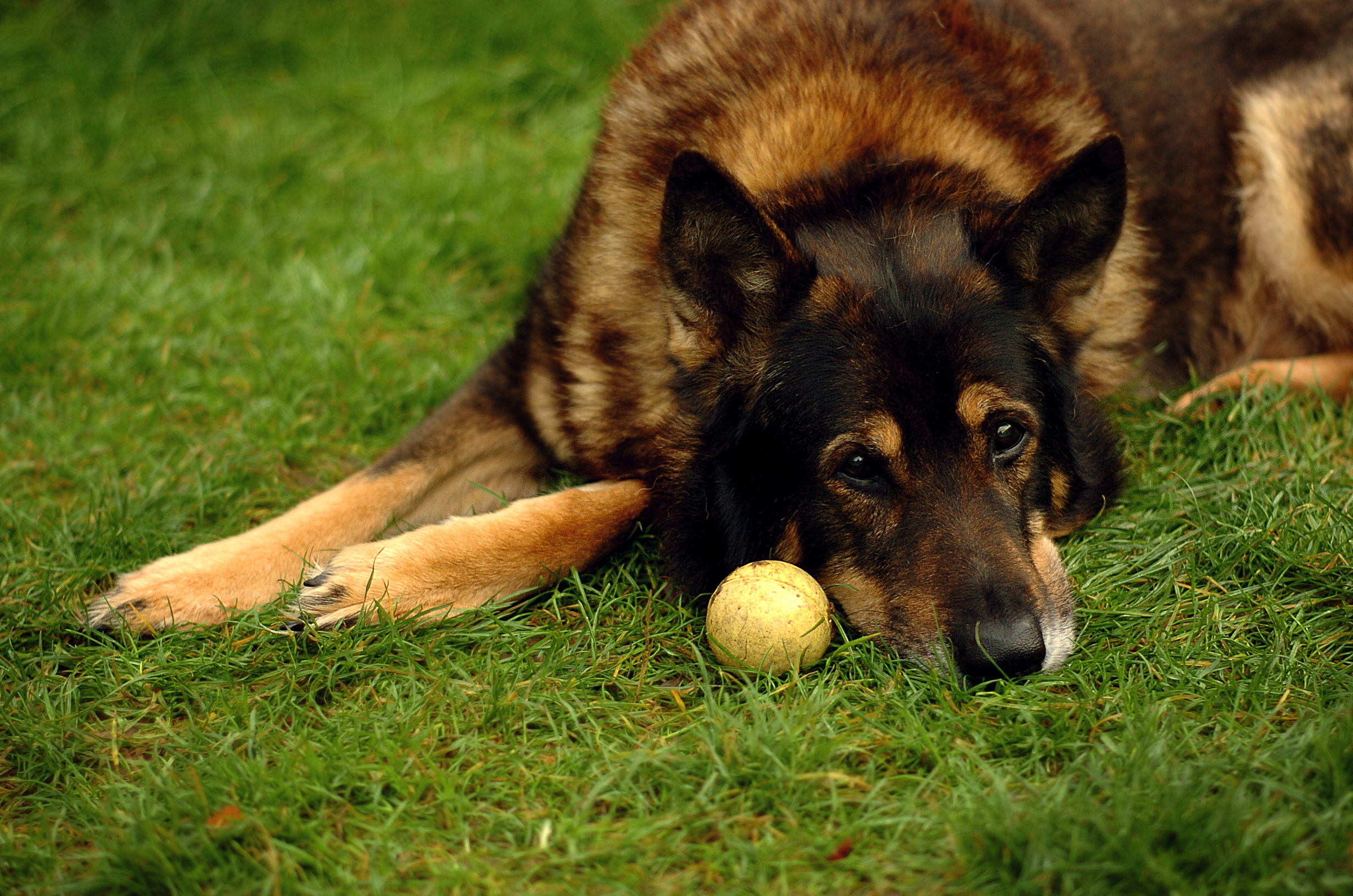
What German Shepherds are like to live with
A good German Shepherd is not just "smart" in the party-trick sense. It notices patterns. It remembers routines. It learns where the leashes are, who belongs at the door, which neighbor carries treats, and exactly how many minutes late dinner has become.
That intelligence can make the breed wonderful to live with. Many German Shepherds are affectionate, responsive, playful, and intensely loyal to their families. They often enjoy training, jobs, games, tracking, fetch, scent work, obedience, hiking, and being included in whatever the household is doing.
The same intelligence can also create problems when the dog is bored or under-guided. A German Shepherd with no outlet may invent one: barking at windows, pacing fences, shadowing people too intensely, guarding resources, chasing movement, dismantling toys with forensic precision, or treating every delivery like a small-border incident.
This breed usually fits best with owners who like training and routine. If someone wants a large dog that will automatically be calm, protective, obedient, social, and low-maintenance without effort, the German Shepherd is a terrible place to gamble. That is not dog ownership; that is buying a motorcycle and hoping it files taxes.
Temperament and owner fit
German Shepherds are often described as loyal, confident, courageous, and steady. Those are good words, but they need a footnote: those qualities are shaped by breeding, early socialization, training, health, and owner handling. A stable German Shepherd is impressive. A poorly bred, poorly socialized, or chronically frustrated German Shepherd can be a lot of dog in the least convenient way.
The breed can be excellent for active families, experienced dog owners, working-dog enthusiasts, and people who enjoy teaching skills. Many German Shepherds are gentle and devoted with children they know, but size, strength, and intensity mean supervision matters. Children should not climb on, tease, corner, or roughhouse with any dog, especially one this powerful.
German Shepherds may not be ideal for homes where everyone is gone all day, where exercise is treated as optional, or where barking and guarding behavior would create constant conflict. They can live in smaller homes if their mental and physical needs are met, but a yard is not a training plan. A bored German Shepherd can be bored on acreage. Real estate does not raise the dog for you.
Where the German Shepherd came from
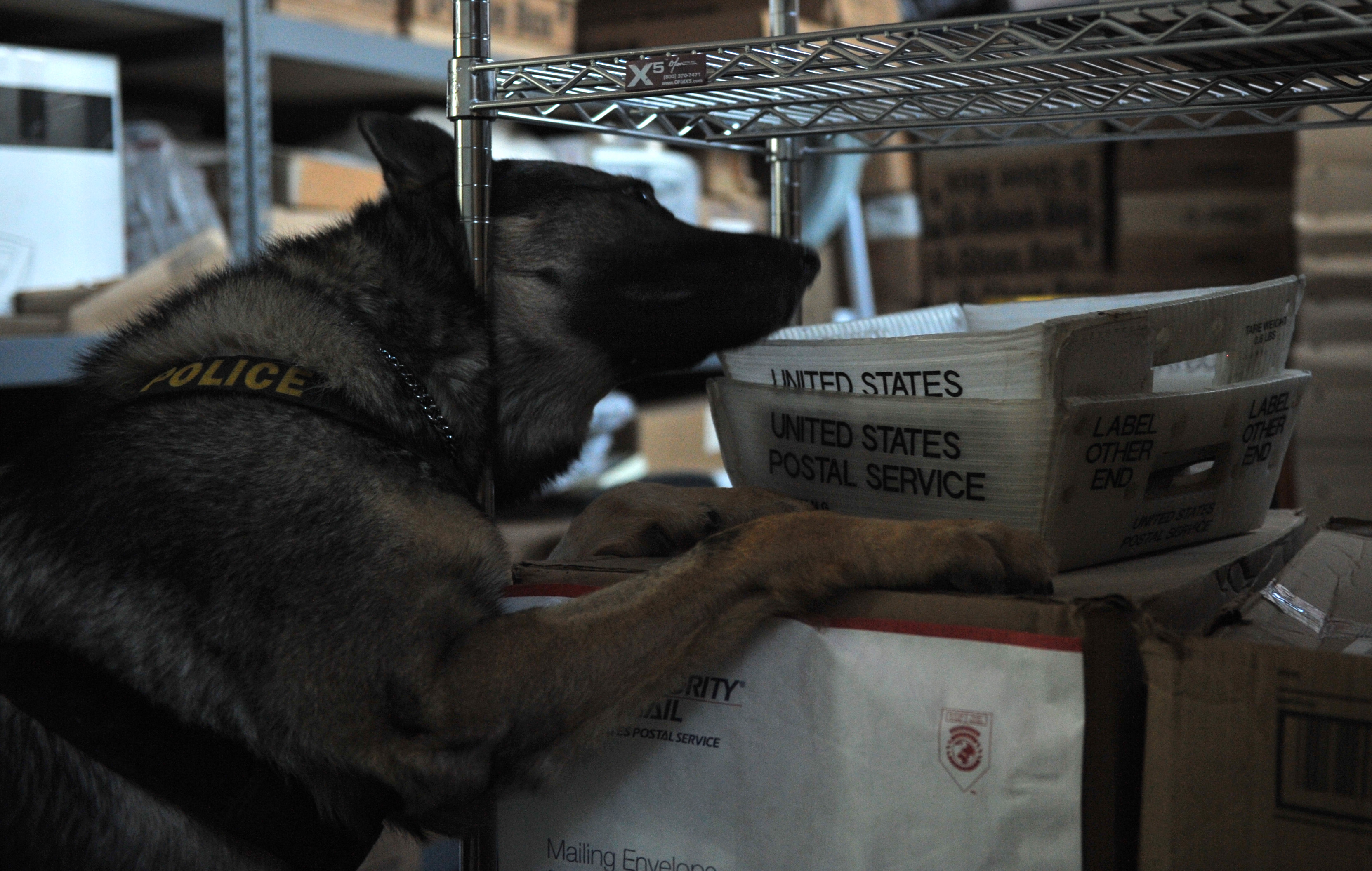
The German Shepherd's story begins with practical herding and farm dogs in Germany. In 1899, Captain Max von Stephanitz purchased a dog later named Horand von Grafrath and helped establish the Verein fur Deutsche Schaferhunde, the German breed association. Horand became a foundation figure for the modern breed.
Von Stephanitz emphasized working ability over decoration. He wanted a dog with intelligence, nerve, stamina, obedience, and physical structure suited to useful work. As sheep-herding needs changed, the breed's skills carried into police, military, guide, search, protection, and service roles.
The breed came to the United States in the early 1900s and was recognized by the American Kennel Club in 1908. After World War I, German Shepherds became famous in North America partly through returning soldiers' stories and partly through movie dogs such as Rin Tin Tin and Strongheart. The celebrity era helped, but the reason the breed lasted was deeper: German Shepherds could do real work.
That history still matters in the living room. The modern family German Shepherd may never move sheep, patrol with a handler, or search luggage, but the instincts under the coat still ask for a job. The job can be obedience practice, scent games, structured walks, sport training, therapy work, or calm household manners. It just cannot be nothing.
Owner reality: brilliant, loyal, and not for everyone
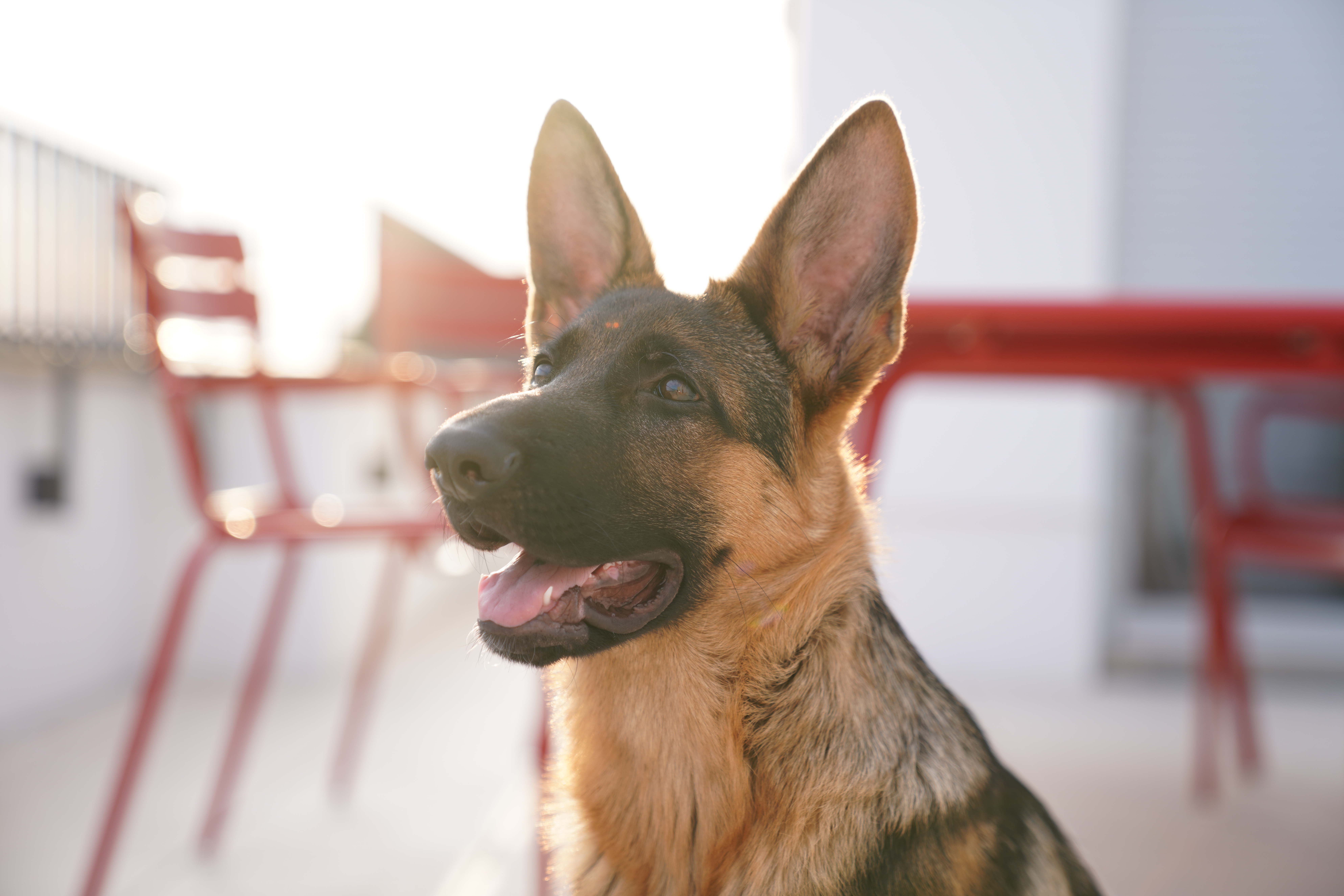
German Shepherd puppies can look like oversized ears attached to a future lawsuit. They are cute, fast-growing, mouthy, curious, and ready to learn. Early training matters because the adorable puppy phase does not last long. The adult version is strong enough to make weak habits expensive.
The best owner reality is excellent: a German Shepherd can be a loyal companion, a responsive training partner, a good watchdog, and a dog that seems to understand the mood of the house. Many owners love the breed because it feels engaged rather than decorative.
The hard parts are not imaginary. German Shepherds shed heavily, especially seasonally. They need daily exercise and mental work. Some are vocal. Some are naturally suspicious unless carefully socialized. Some have high prey drive. Some lines are more intense than casual owners expect.
This is also a breed where responsible sourcing matters. A stable temperament, sound structure, and health-tested background are not luxury upgrades. They are the foundation. Rescue can also be a good path, but adult temperament, dog-social behavior, prey drive, and handling needs should be evaluated honestly.
Care notes: coat, exercise, joints, and bloat awareness
German Shepherds have a double coat that sheds. Brushing once or twice a week may be enough during normal periods, but seasonal shedding can turn the home into a fur-based weather system. Regular brushing, nail care, dental care, ear checks, parasite prevention, and veterinary care are basic ownership, not bonus content.
Exercise should combine movement and thinking. Walks help, but many German Shepherds need more than mileage. Training drills, scent games, fetch with sensible limits, tracking, obedience, agility foundations, trick training, and calm settling practice can all help the dog use its brain.
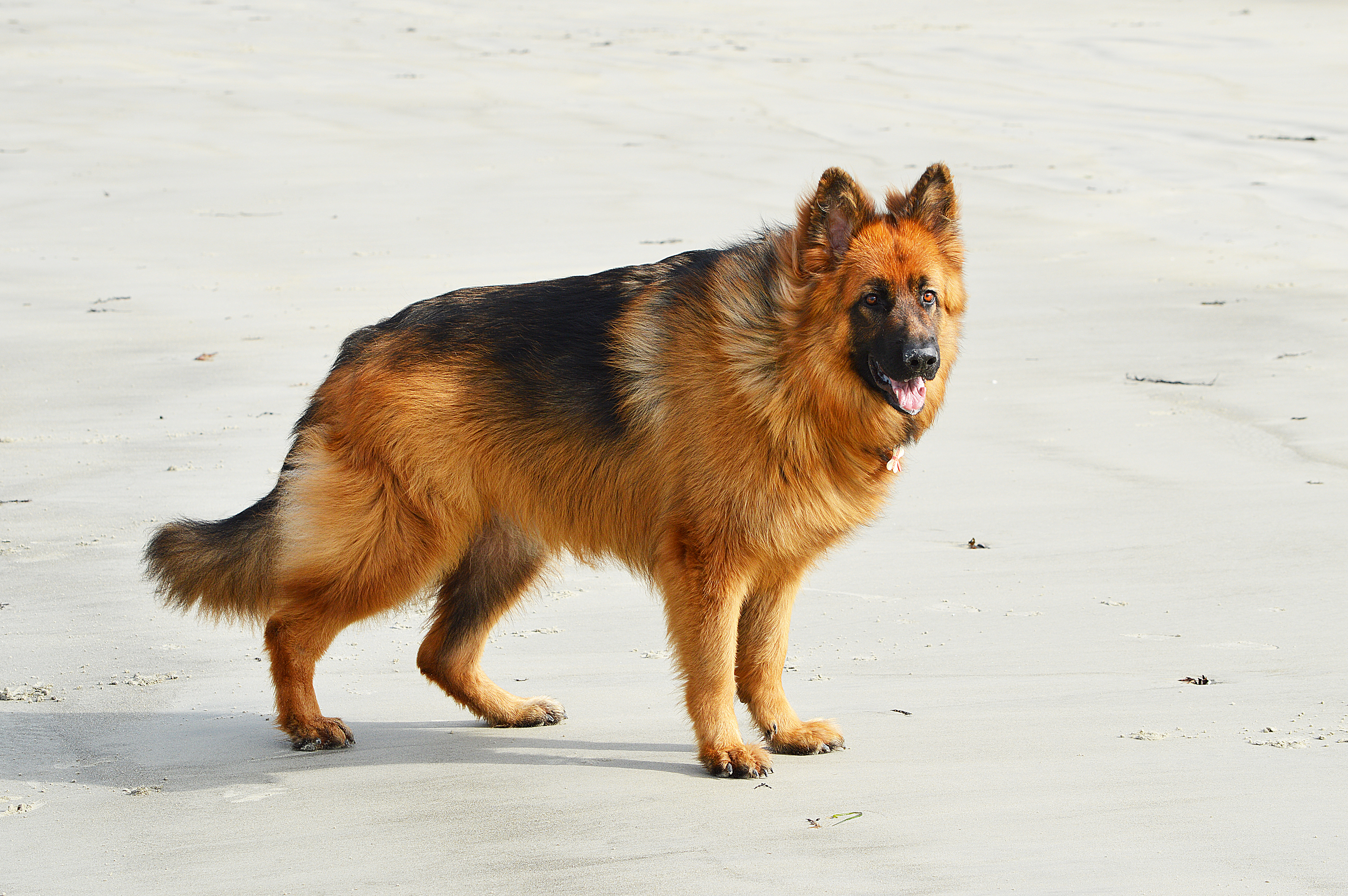
Joint health deserves careful attention. German Shepherds are among the breeds owners commonly associate with hip and elbow problems. No article can diagnose a dog, but owners should take limping, stiffness, pain, bunny-hopping gait, reluctance to rise, or exercise intolerance seriously and speak with a veterinarian. Keeping a dog lean and building sensible exercise habits can support long-term comfort.
Large, deep-chested dogs can also be at risk for gastric dilatation-volvulus, often called bloat. This is an emergency condition, not a wait-and-see internet project. A swollen abdomen, repeated unproductive retching, distress, weakness, drooling, or sudden collapse needs urgent veterinary attention.
German Shepherds are tough dogs, but "tough" is not a treatment plan. The responsible version of loving this breed includes noticing problems early.
Training a German Shepherd
German Shepherds often learn quickly, which is both useful and inconvenient. They learn the behavior you meant to teach and the loophole you accidentally created.
Start early with name response, recall, loose-leash walking, polite greetings, calm handling, crate or confinement comfort, leave-it, settle, and neutral exposure to the world. The goal is not to make the dog meet every person and dog. The goal is to teach the dog that normal life is normal.
Reward-based training, consistency, clear criteria, and short sessions usually work well. Harsh handling can create conflict, anxiety, or defensive behavior, especially in a powerful dog with protective tendencies. If a German Shepherd shows fear, aggression, guarding, severe reactivity, or dangerous behavior, work with a qualified professional who uses humane methods and understands working breeds.
Socialization should be thoughtful. A German Shepherd does not need to become the mayor of every dog park. In fact, chaotic dog-park play can be a poor fit for many individuals. Calm exposure, stable dog friends, controlled training environments, and handler focus are usually more useful than throwing the dog into social chaos and hoping it develops diplomacy.
Fun quirks German Shepherd people recognize
German Shepherds are famous for the head tilt, the serious stare, the dramatic sigh, the shadowing behavior, and the ability to place themselves directly between their owner and any object the owner was trying to reach.
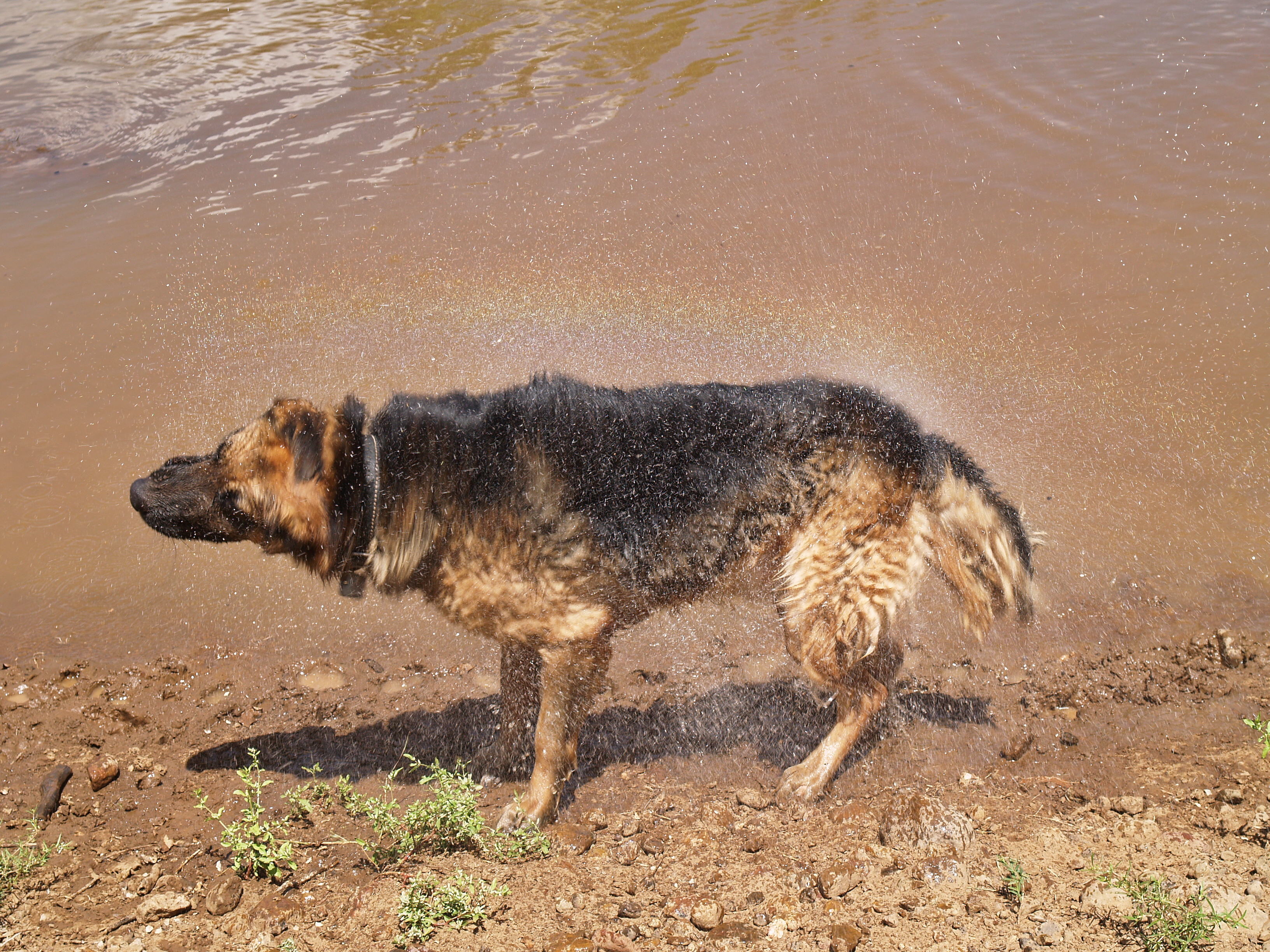
Many are toy-focused. Some carry balls like official documents. Some patrol the yard as if promoted without paperwork. Some are water lovers. Some are dignified until the hose appears, at which point all dignity leaves through the ears.
They can be surprisingly goofy at home. The public image is noble working dog; the private version may be upside down on a rug, squeaking a toy, supervising snacks, or groaning because someone had the nerve to move their foot.
That contrast is part of the appeal. The German Shepherd can look like a statue outside and a needy office intern inside. Both are real.
Is the German Shepherd a good family dog?
A German Shepherd can be an excellent family dog in the right home. The key phrase is "right home." This breed needs training, exercise, socialization, boundaries, and people who understand that protection instincts should be managed, not romanticized.
With respectful children, structured routines, and adults who train the dog, many German Shepherds are loyal and gentle family companions. Without that structure, the breed's size and intensity can become too much.
German Shepherds can live with other dogs and pets, but compatibility varies. Introductions should be careful, and prey drive should not be ignored around small animals. A calm, well-managed household gives the breed a much better chance than a chaotic one.
Best lifestyle fit
German Shepherds often fit:
- active owners who enjoy training
- families with time for daily structure
- people interested in obedience, tracking, scent work, service work, or dog sports
- homes that want an alert companion, not a decorative dog
- owners who can manage shedding, exercise, and socialization
- people who will seek professional help early if behavior problems appear
They are usually a poor fit for:
- owners who want low-effort protection
- homes where the dog will be bored most of the day
- people who dislike shedding
- households that cannot handle strength, barking, or intensity
- anyone who thinks a smart dog trains itself
German Shepherd FAQ
Are German Shepherds good family dogs?
Yes, German Shepherds can be excellent family dogs when they are well bred, well socialized, trained, exercised, and supervised around children. They are usually best for families that want to actively train and include the dog.
Are German Shepherds easy to train?
They are often highly trainable, but not automatically easy. Their intelligence and energy mean they need clear, consistent training. A bored German Shepherd can learn bad habits as quickly as good ones.
Do German Shepherds shed a lot?
Yes. German Shepherds have a double coat and are known for heavy shedding, especially during seasonal coat changes. Regular brushing is part of normal ownership.
How much exercise does a German Shepherd need?
Most need daily physical exercise plus mental work. Walks, training, scent games, fetch with sensible limits, obedience practice, and calm settling routines are often more useful than exercise alone.
Are German Shepherds protective?
Many are naturally alert and loyal, but protection should not be exaggerated or encouraged without expertise. Poorly managed suspicion can become fear, reactivity, or unsafe behavior. Stable temperament and training matter.
Are German Shepherds good apartment dogs?
Some can live in apartments if their needs are met and barking is managed, but the breed is usually easier in homes where daily exercise, training, and decompression are realistic. Space helps, but structure matters more.
What health concerns should German Shepherd owners know?
Owners should be aware of hip and elbow concerns, mobility changes, skin or coat issues, and bloat risk in large deep-chested dogs. For pain, lameness, swelling, distress, or sudden behavior changes, contact a veterinarian.
Is a German Shepherd a good first dog?
Sometimes, but only for committed first-time owners who will train, socialize, exercise, and get help when needed. For casual owners, a German Shepherd can be too intense. This is not the starter pack; this is the advanced settings menu.
Dogthread verdict
The German Shepherd is one of the great working breeds: intelligent, loyal, athletic, watchful, and capable of extraordinary partnership with people. That is exactly why the breed deserves respect.
This is not a dog to collect because it looks impressive. It is a dog to raise, train, guide, and include. Do that well, and today's Dog of the Day can be a brilliant family companion and working partner. Skip the work, and the dog may still find a job. You just may not enjoy the department it creates.
Sources and methodology
This Dog of the Day feature was written as Dogthread editorial synthesis with live source checks for breed facts, history, temperament framing, and conservative health language. Sources reviewed included the American Kennel Club German Shepherd Dog breed profile and working-purpose article, the German Shepherd Dog Club of America breed history timeline, Britannica's German Shepherd overview, and Merck Veterinary Manual material on hip dysplasia in dogs. Dogthread is not providing veterinary, breeder, or trainer advice; owners should consult qualified professionals for individual health or behavior concerns.