
Dog of the Day: Labrador Retriever
Today’s Dog of the Day is the Labrador Retriever: friendly, athletic, famously food-motivated, and absolutely convinced every puddle is a personal invitation.
The Labrador Retriever is the dog many people picture when they say they want “a good family dog.” Labs are cheerful, sturdy, affectionate, and usually game for whatever the household is doing: hiking, swimming, school pickup, couch time, training class, or supervising dinner with the moral intensity of a tiny courtroom judge.
That popularity is not an accident. The Lab combines a sweet temperament with a working-dog background, which means the best ones are both loving and useful. They are trainable, social, resilient, and often wonderfully patient. They are also not low-maintenance. A bored Labrador can become a four-legged demolition committee with a wagging tail and snack-based legal defense.
Labrador Retrievers fit active homes that want a social, medium-to-large dog and can commit to daily exercise, training, weight control, and regular grooming. They are less ideal for people who want a low-shedding, low-energy, independent dog that quietly blends into the furniture. Labs do not blend. They participate.
Quick facts about the Labrador Retriever
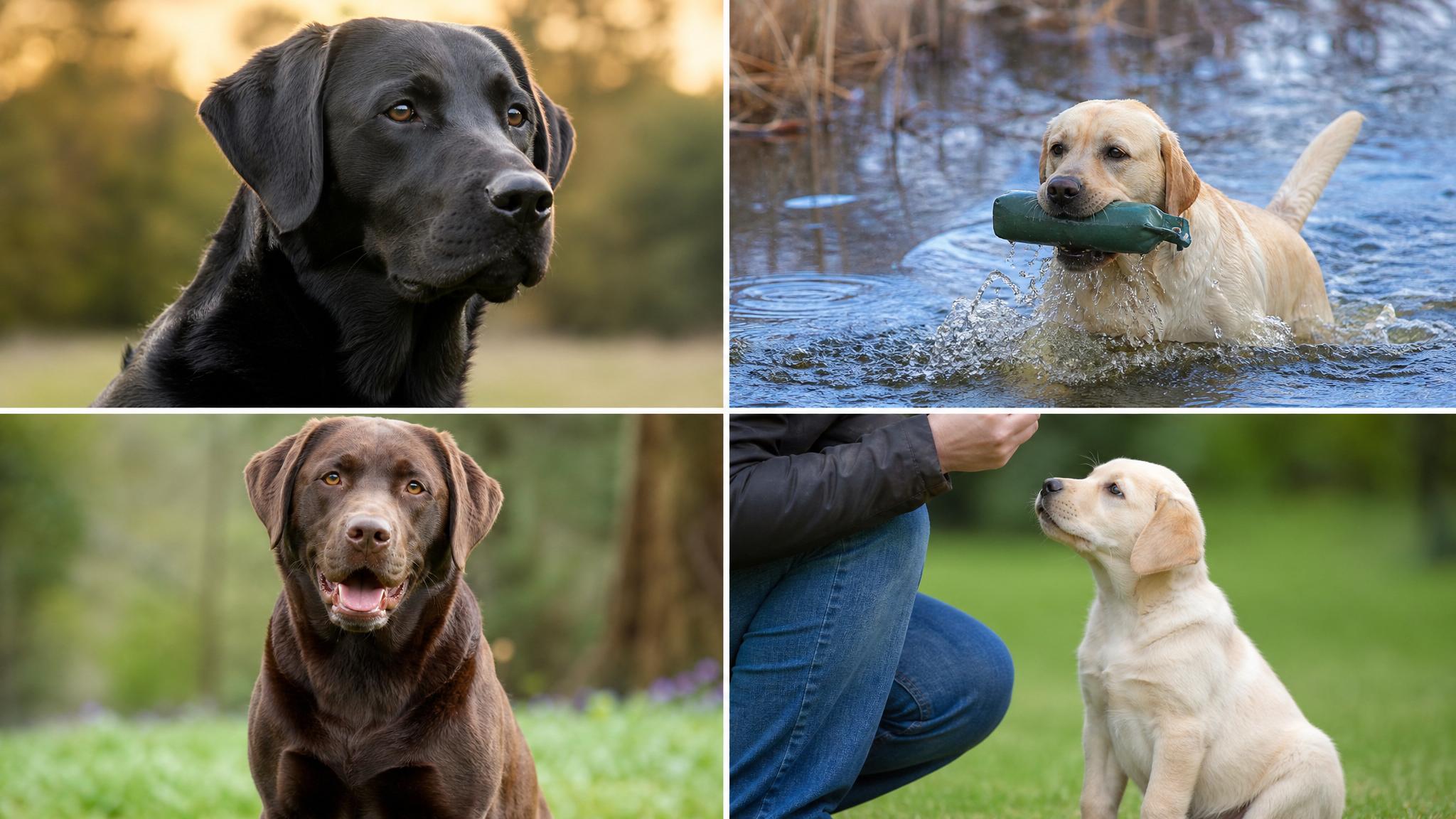
The Labrador’s water-loving, retrieving background still shows up in the modern family dog.
- Breed group: Sporting / retriever
- Origin: Newfoundland roots, refined in Britain as a retrieving gundog
- Typical size: Medium-large to large
- Common weight range: Often about 55-80 pounds, with males usually larger than females
- Typical lifespan: Commonly around 10-12 years, with individual variation
- Coat: Short, dense, weather-resistant double coat
- Recognized colors: Black, yellow, and chocolate
- Shedding: Moderate to heavy; the short coat still gets everywhere because dog hair has ambition
- Temperament: Friendly, outgoing, energetic, eager, affectionate, and people-oriented
- Exercise needs: Moderate to high; daily movement and mental work are important
- Best fit: Active families, outdoorsy owners, first-time owners ready to train, and homes that want an involved companion
- Biggest owner reality check: Labs love food, attention, water, carrying things, and action — often all at once
What Labrador Retrievers are like
Labrador Retrievers are famous for being friendly, and that reputation is mostly earned. A well-bred, well-socialized Lab is often warm with family, interested in visitors, playful with children, and sociable around other dogs. Many Labs carry themselves like every person they meet is a friend they simply have not investigated thoroughly enough yet.
That friendliness should not be mistaken for automatic manners. A happy 70-pound dog can still jump, pull, steal food, knock over a child, or greet guests like a small weather event. Labs need structure just like any other breed. The difference is that their misbehavior often arrives smiling.
Labs are usually eager learners. They tend to respond well to positive, consistent training because they like interaction and rewards. Food motivation can be a gift if you use it wisely. It can also become a problem if the dog learns that counters, backpacks, lunch boxes, and unattended plates are all part of the same buffet system.
The breed’s working history matters. Labrador Retrievers were built to retrieve, swim, work beside people, and keep going in rough conditions. Modern Labs may live in suburbs instead of on boats or hunting fields, but the original wiring is still there. They often love carrying toys, fetching, swimming, scent games, and being given small jobs.
Who a Labrador Retriever fits best
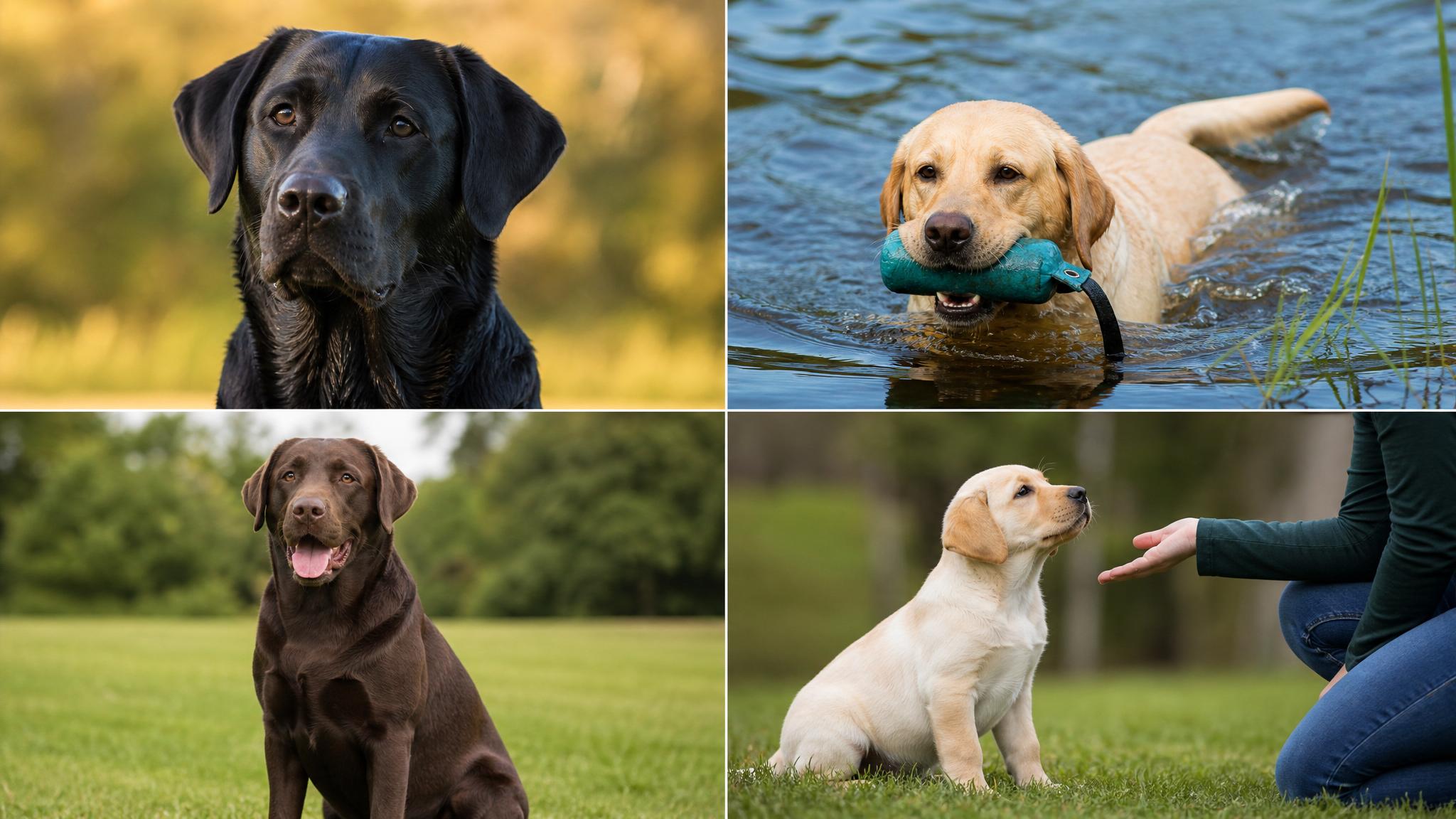
Labs are social companion dogs, but they are still athletes with opinions, energy, and a powerful snack radar.
A Labrador Retriever can be a brilliant match for the right home. They usually fit best with people who want a dog involved in daily life, not one parked politely in the corner until bedtime.
Labs often suit:
- active families that enjoy walks, hikes, play, swimming, or outdoor time
- first-time dog owners who are willing to train consistently
- homes that can manage shedding, mud, and enthusiastic greetings
- people interested in obedience, dock diving, scent games, retrieving games, or therapy-dog work
- families with children who understand respectful dog handling
- owners who want a dog that is affectionate, social, and highly engaged
Labs may be a poor fit for:
- people who strongly dislike shedding or dog smell
- households where the dog will be alone for long stretches without enrichment
- owners who want a low-energy couch ornament
- homes that cannot manage a strong, physical dog on leash
- anyone who free-feeds treats and then wonders why the dog looks like a coffee table with ears
The Labrador Retriever is one of the great family breeds, but “family dog” does not mean “self-training appliance.” Labs thrive when their people give them routines, boundaries, exercise, and clear expectations.
Labrador Retriever temperament and family life
Labrador Retrievers are usually affectionate, resilient, and playful. They often enjoy children, but supervision still matters. A Lab does not need to be aggressive to cause chaos; enthusiasm alone can do the job. Teach kids not to climb on the dog, pull ears or tails, bother the dog during meals, or turn the dog’s bed into a wrestling arena.
With visitors, many Labs are welcoming. That can be lovely, but polite greetings should be trained early. A young Lab who jumps on everyone may still seem cute at 25 pounds. At 70 pounds, that same habit becomes less “adorable puppy” and more “incoming furniture with a tongue.”
Labs are not typically serious guard dogs. Some will bark when someone arrives, then immediately ask the intruder if they brought snacks. They are better known for companionship than suspicion.
With other pets, Labs are often sociable when introduced thoughtfully. Their size, energy, and retrieving instincts can still overwhelm smaller animals. Calm introductions, management, and training are smarter than assuming friendliness solves physics.
The Labrador Retriever origin story
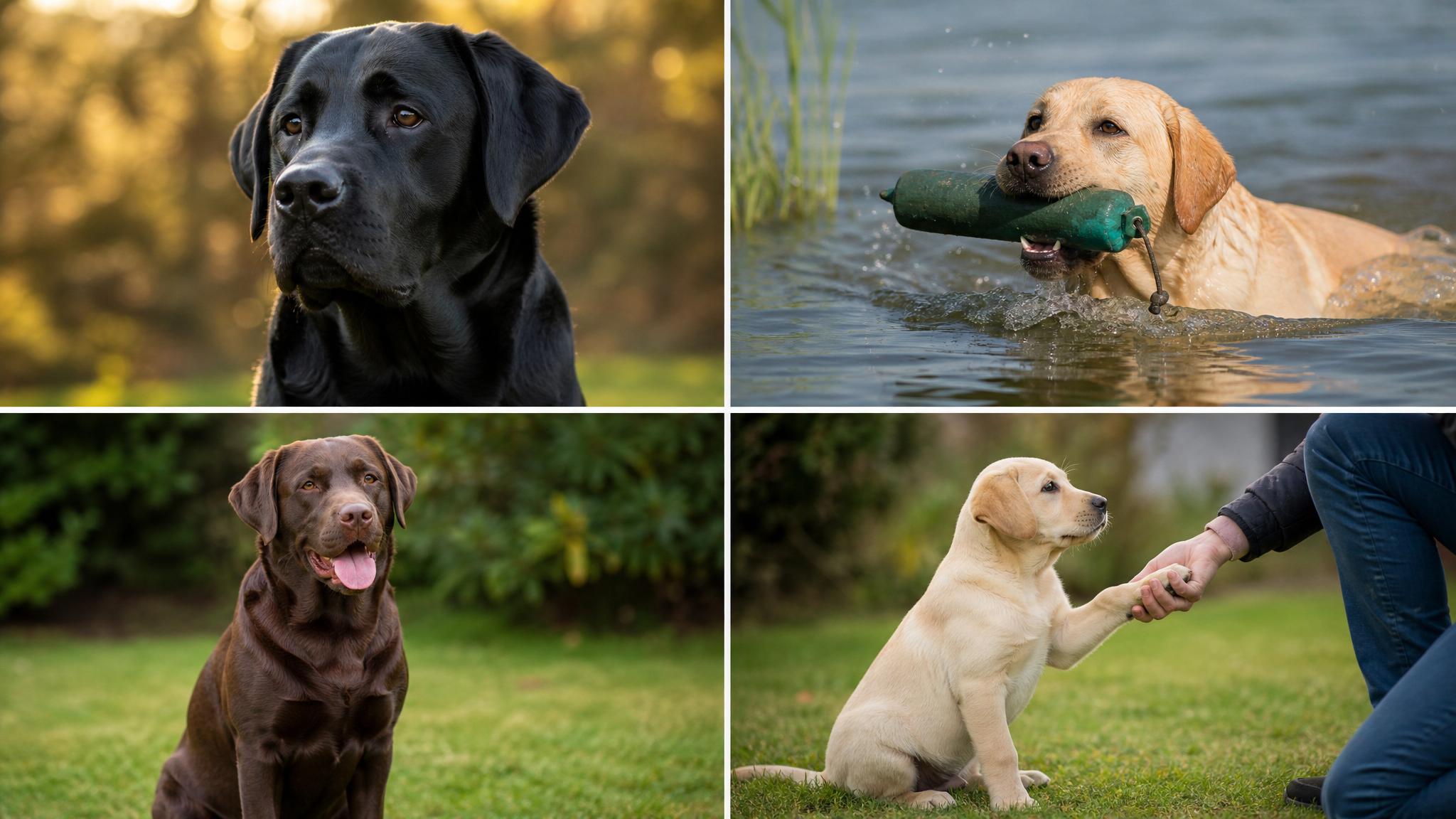
The Labrador’s modern personality makes more sense when you remember the breed came from practical water-retrieving work.
Despite the name, the Labrador Retriever’s roots are strongly tied to Newfoundland. The breed traces back to working water dogs associated with St. John’s, where dogs helped fishermen retrieve lines, work around boats, and handle cold, wet conditions. British sportsmen later refined these dogs into the Labrador Retriever used as a capable gundog and water retriever.
That history explains a lot. The dense coat helps in wet weather. The powerful tail, sturdy build, and swimming ability reflect a dog designed for water work. The retrieving instinct shows up in the modern Lab’s love of balls, bumpers, toys, sticks, socks, and objects that were not technically offered.
Labs became popular because they were useful and pleasant to live with. A good retriever had to work closely with people, carry gently, respond to training, and remain steady in active environments. Those traits translated beautifully into family life, service work, therapy settings, search-and-rescue roles, and dog sports.
The modern Labrador may spend more time beside a sofa than beside a fishing boat, but the working-dog core is still there. If you do not give that brain and body enough to do, the Lab may invent work. Unfortunately, invented Lab work often involves trash cans.
Owner reality: the good, the messy, and the hungry
The good news: Labrador Retrievers are often joyful, affectionate, funny, and deeply connected to their people. They are usually trainable and forgiving, which can make them easier for committed first-time owners than more suspicious or highly sensitive breeds.
The messy news: Labs shed. Their coat is short, but short hair still finds clothes, car seats, carpets, and meals with the determination of a tiny tax department. Regular brushing helps, but it will not turn a Lab into a low-shedding dog.
Labs are also famously food-motivated. This is useful for training and dangerous for unattended sandwiches. Many Labs need careful portion control, measured meals, limited table scraps, and a household agreement that the dog is not starving just because he is staring into your soul beside the refrigerator.
Puppies and adolescents can be mouthy, bouncy, and intense. Retrievers like to hold things. Give them legal options: chew toys, tug toys, fetch toys, and trade games. Do not turn every stolen item into a thrilling chase scene unless you want to create a professional sock criminal.
Care and grooming notes

Exercise helps, but Labs also need calm training, weight management, and recovery time.
Labrador Retrievers have a short, dense double coat. Brushing once or twice a week is often useful, with more during heavier shedding periods. Baths depend on lifestyle. A Lab who swims, rolls in mud, or treats every ditch like a spa subscription will need more cleanup than a tidy city dog.
Check ears regularly, especially for dogs that swim. Moisture and floppy ears can create irritation or infection risk. Keep nails trimmed, brush teeth if possible, and stay current with routine veterinary care.
Labs can be prone to weight gain, and extra weight can make joint stress worse. Responsible feeding, regular exercise, and routine body-condition checks matter. Some Labradors may also face breed-associated concerns such as hip or elbow issues, ear problems, eye conditions, exercise intolerance conditions, allergies, or other health challenges. That does not mean every Lab will have these problems, but it does mean owners should take preventive care seriously.
This article is general breed education, not veterinary advice. If your dog has pain, limping, ear odor, skin changes, unusual tiredness, appetite changes, mobility problems, or sudden behavior changes, talk with a veterinarian. The internet is helpful; it is not a diagnosis with a waiting room.
Exercise and training needs
Labrador Retrievers need daily exercise and mental work. Many Labs do best with a mix of walking, sniffing, retrieving games, training, play, and calm rest. Fetch is useful, but do not rely on endless ball throwing as the whole plan. Add leash manners, recall, impulse control, scent games, food puzzles, and settling practice.
Useful foundation skills include:
- name recognition and recall
- loose leash walking
- polite greetings
- drop it and leave it
- wait at doors and before meals
- calm mat or crate settling
- trading stolen items without drama
- cooperative handling for ears, paws, teeth, and grooming
Labs often mature slowly in behavior. A young adult Lab may have a grown dog’s body and a puppy’s judgment, which is nature’s way of reminding humans they are not in charge of the comedy department. Keep training short, positive, and consistent.
Because Labs can be very food-driven, use treats strategically. Reward the behavior you want, then gradually mix in praise, toys, life rewards, and lower-calorie options when appropriate. Training should build communication, not simply teach the dog that every human hand is a vending machine.
Food, weight, and everyday health basics

Labs are famously food-motivated, so body condition is part of responsible ownership.
A healthy Labrador should look sturdy and athletic, not barrel-shaped. You should be able to feel ribs with light pressure, and the dog should have a visible waist from above. If you are unsure, ask your veterinarian to show you how to assess body condition.
Choose food based on your dog’s age, size, health, and activity level. Puppies, adults, seniors, athletic working dogs, and dogs with medical issues can need different plans. Be especially careful during puppy growth; large-breed puppies should grow steadily, not as fast as possible.
Treats count. Training treats, chews, table scraps, peanut butter, “just a little cheese,” and toddler-floor cleanup all add up. Labs have built entire careers on pretending this is not true.
Fun quirks Labrador people know
Labrador Retrievers often come with a few signature habits:
- carrying toys, socks, shoes, towels, or random household objects
- greeting guests with full-body enthusiasm
- locating snacks through sealed containers and moral opposition
- treating water like a sacred homeland
- leaning into people like affectionate furniture
- wagging hard enough to clear a coffee table
- believing every ball was placed on Earth for them personally
- looking innocent while standing beside evidence
The classic Lab charm is that they are both sweet and ridiculous. They can be noble one minute and drinking from a muddy puddle like it’s a wine tasting the next. That is the package.
A simple first-week plan for a new Labrador Retriever

Labs can be lifelong companions, but the calm adult dog starts with routines, manners, and realistic expectations.
If you are bringing home a Labrador Retriever puppy or adult rescue, keep the first week structured and calm. Do not overwhelm the dog with every relative, neighbor, and delivery driver immediately. The dog does not need a press tour.
Focus on:
- predictable feeding, potty, and sleep routines
- short, positive training sessions
- calm introductions to family members
- safe chew options and toy rotation
- crate, pen, or safe-room comfort
- early leash manners and name response
- rewarding calm behavior, not only excitement
- gentle handling practice for ears, paws, teeth, and brushing
- age-appropriate exercise and plenty of rest
For puppies, avoid forced repetitive high-impact activity while they are growing. For adults, give decompression time before expecting perfect behavior. Labs may be friendly, but transition is still stressful.
FAQ
Are Labrador Retrievers good family dogs?
Yes, Labrador Retrievers are often excellent family dogs when properly trained, socialized, exercised, and supervised around children. They are usually friendly and affectionate, but their size and enthusiasm still need manners.
Do Labrador Retrievers shed a lot?
Yes. Labs have a short, dense double coat and can shed more than people expect. Regular brushing helps, especially during seasonal shedding, but Labradors are not low-shedding dogs.
Are Labrador Retrievers easy to train?
Labradors are generally trainable, eager, and food-motivated. They still need consistency, boundaries, and practice, especially for jumping, leash pulling, stealing food, and polite greetings.
How much exercise does a Labrador Retriever need?
Most Labs need daily exercise plus mental stimulation. Walks, sniffing, training, retrieving games, swimming when safe, and puzzle work can all help. Exact needs vary by age, health, and individual energy level.
Are Labrador Retrievers good for first-time owners?
They can be, if the owner is ready for training, exercise, shedding, and weight management. Labs are forgiving and social, but they are not maintenance-free starter dogs.
Do Labradors like water?
Many Labradors love water because of their retrieving background, but individual dogs vary. Introduce water safely, avoid forcing a nervous dog, and supervise around pools, lakes, rivers, and cold water.
What colors do Labrador Retrievers come in?
The traditional recognized Labrador Retriever colors are black, yellow, and chocolate. Shade can vary within those colors, especially among yellow Labs.
What is the hardest part of owning a Labrador Retriever?
For many owners, the hardest parts are managing energy, food obsession, shedding, jumping, mouthiness, and adolescence. The good news is that Labs usually respond well to fair, consistent training.
Final take
The Labrador Retriever earns its popularity honestly. This is a friendly, athletic, trainable, people-loving dog with a deep history as a water retriever and a modern résumé that includes family companion, service dog, therapy dog, sport partner, and professional snack investigator.
A Lab is a great choice if you want an engaged companion and can provide exercise, training, grooming, and sensible feeding. If you want a clean, quiet, independent dog that asks very little of you, the Labrador may be too much dog in too cheerful a package.
But for the right home, the Labrador Retriever is exactly what the legend says: loyal, funny, affectionate, sturdy, eager, and ready to turn an ordinary day into a group activity.