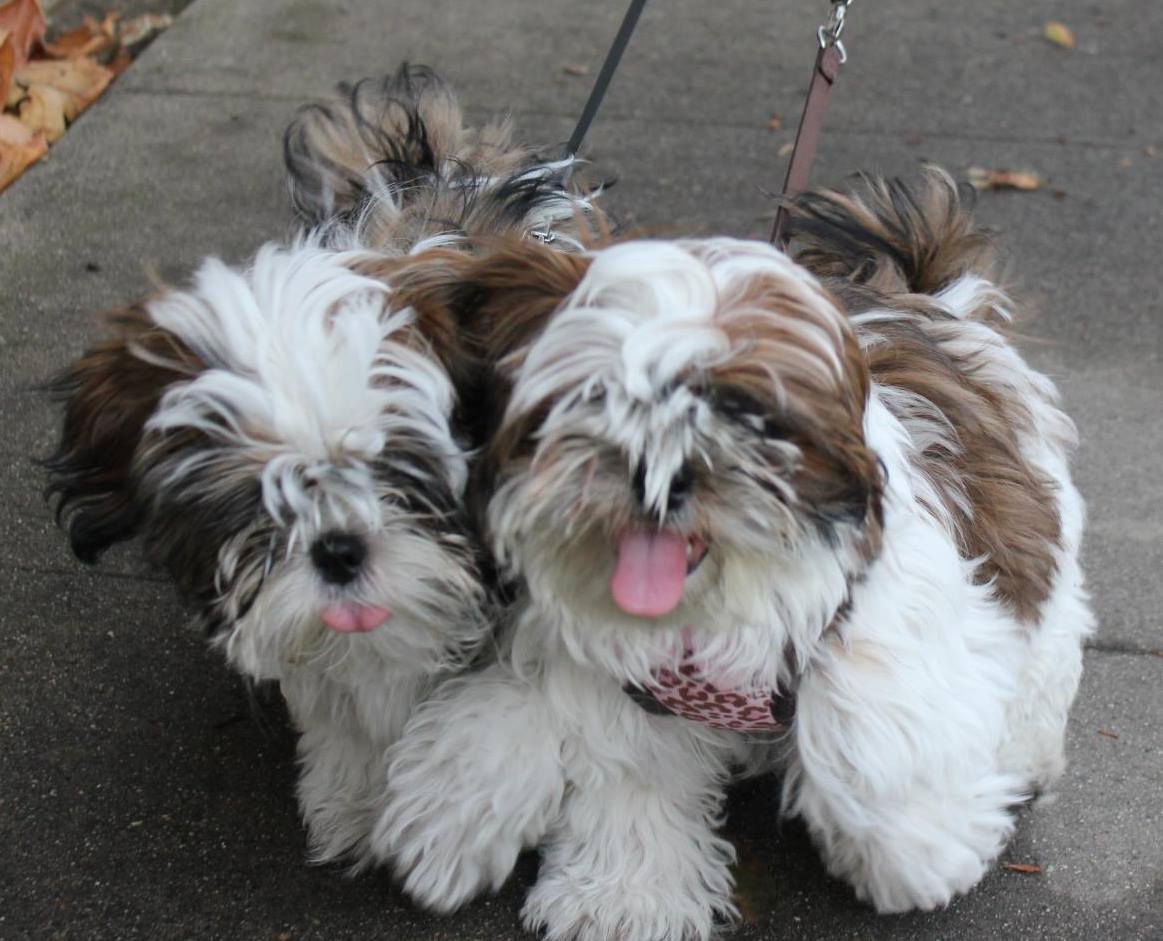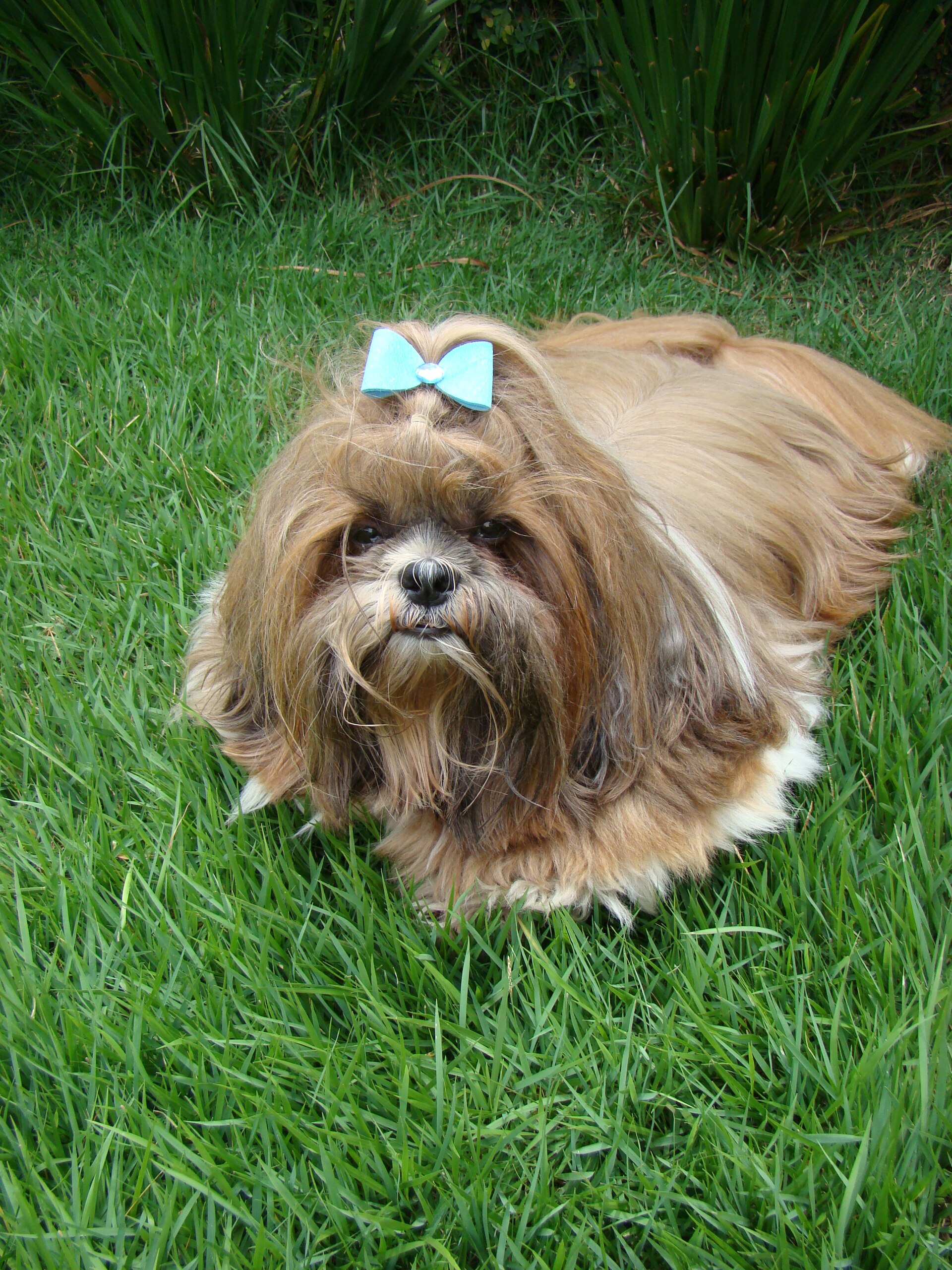
Dog of the Day: Shih Tzu
The Shih Tzu is a small companion dog with a grand history, an expressive face, and a talent for turning any available lap into private property. Bred for companionship rather than field work, this sturdy little dog usually fits best with people who want an affectionate housemate and can commit to daily coat and face care.
Shih Tzus can do well with families, singles, and older adults, including many apartment dwellers. They still need training, exercise, grooming, and careful heat management. Small does not mean maintenance-free; it merely means the maintenance comes in a more portable package.
Shih Tzu quick facts
| Trait | Typical Shih Tzu | |---|---| | Breed group | Toy | | Height | About 9–10.5 inches at the shoulder | | Weight | About 9–16 pounds | | Life expectancy | Commonly 10–18 years | | Coat | Long, dense double coat; many pet dogs wear a short trim | | Shedding | Often described as low-shedding, but the coat still requires frequent care | | Exercise | Moderate daily activity rather than endurance work | | Temperament | Affectionate, lively, alert, outgoing, sometimes stubborn | | Best known for | Companionship, flowing coat, round-eyed expression, and confident personality |
These are breed-level ranges, not promises for an individual dog. Health, size, behavior, and lifespan vary with genetics, care, and life history.
What is a Shih Tzu's temperament like?
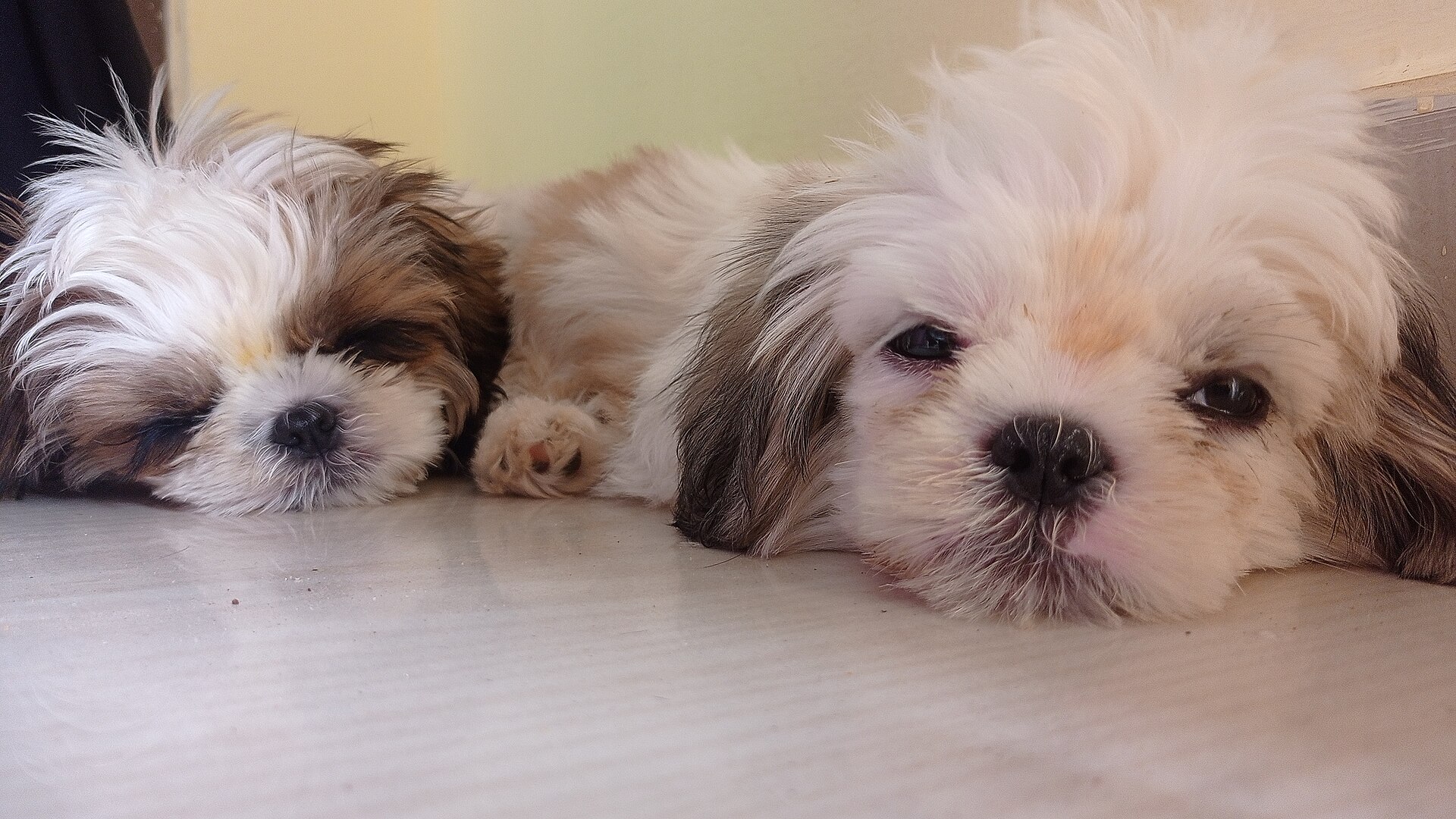
Most Shih Tzus are people-oriented companion dogs: friendly, playful, and happiest near their humans. Many greet familiar people with enthusiasm, keep watch from a sofa back, and follow household activity without needing the workload of a herding or sporting breed.
Their confidence can be charming, but it can also look like selective hearing. Shih Tzus are intelligent enough to learn household rules and basic cues; they simply may not see the urgency in your proposal. Short, upbeat sessions with food, play, and praise tend to work better than repetition or harsh corrections.
Early socialization still matters. Calm exposure to handling, visitors, friendly dogs, household sounds, car rides, and different surfaces can help a puppy grow into a more adaptable adult. Because they are small, owners should prevent rough play and teach children to let the dog approach rather than chase, squeeze, or carry it.
Who is a Shih Tzu a good fit for?
A Shih Tzu may be a good match if you want:
- a compact companion who can live comfortably in a smaller home;
- a dog whose exercise needs can usually be met with walks and indoor play;
- an affectionate breed that enjoys being part of daily family life;
- a dog that can learn manners without requiring a job or intense sport;
- a long-lived companion, while accepting that no lifespan is guaranteed.
The breed may be a poor fit if you dislike grooming, want a rugged running partner, leave a dog alone for long stretches, or expect instant obedience. A household with very young children must also supervise interactions closely: a Shih Tzu is sturdy for a toy breed, but still vulnerable to falls and careless handling.
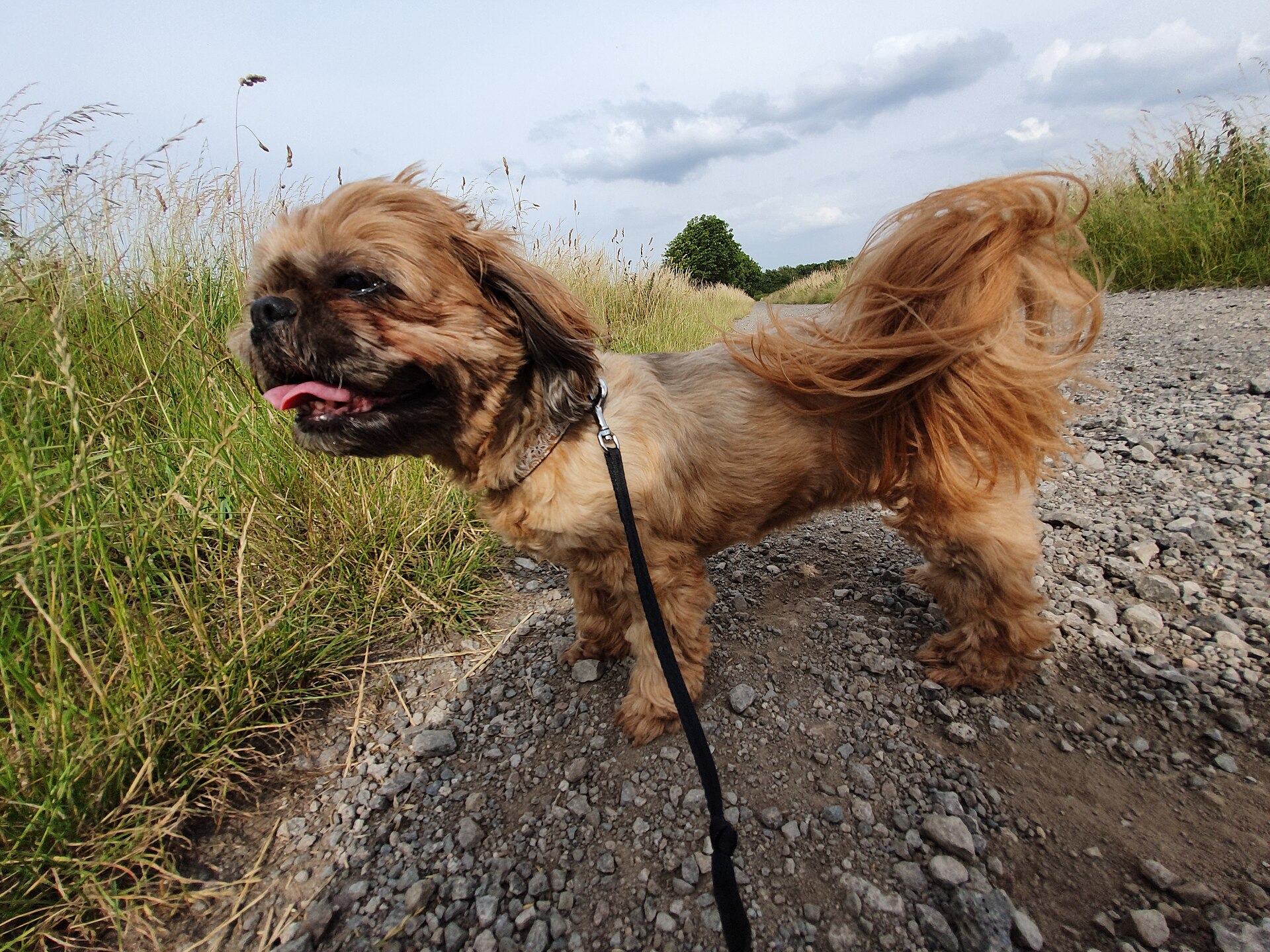
Daily movement is important, but moderation is the theme. A couple of comfortable walks, sniffing time, and play are often more suitable than prolonged running. Adjust activity for age, fitness, weather, and the individual dog's breathing. Stop if the dog struggles to breathe, becomes weak, or cannot recover normally, and seek veterinary advice.
From Tibetan roots to Chinese palace companion
The Shih Tzu's history joins Tibetan companion-dog ancestry with centuries of development in imperial China. Small, lion-like dogs were valued in Chinese courts, and dogs from Tibet were likely crossed with established Chinese toy breeds. The name is commonly translated as “lion dog,” linking the breed's appearance to the lion imagery important in Buddhist culture.
The breed became closely associated with palace life, particularly during the late imperial era. Its purpose was intimate and domestic: warming laps, sharing private rooms, sounding an alert, and providing companionship. That history helps explain the modern Shih Tzu's sociability and preference for staying close to people.
After political upheaval in China, the breed's numbers declined sharply there. Dogs exported to Britain and Scandinavia helped establish breeding populations outside China during the twentieth century. The American Kennel Club recognized the Shih Tzu in 1969.
Breed histories often simplify a complicated record, so exact origin stories should be treated cautiously. The durable point is that the Shih Tzu was shaped primarily as a companion—not as a miniature hunter, guard dog, or herder.
The owner reality: coat, face, eyes, and teeth
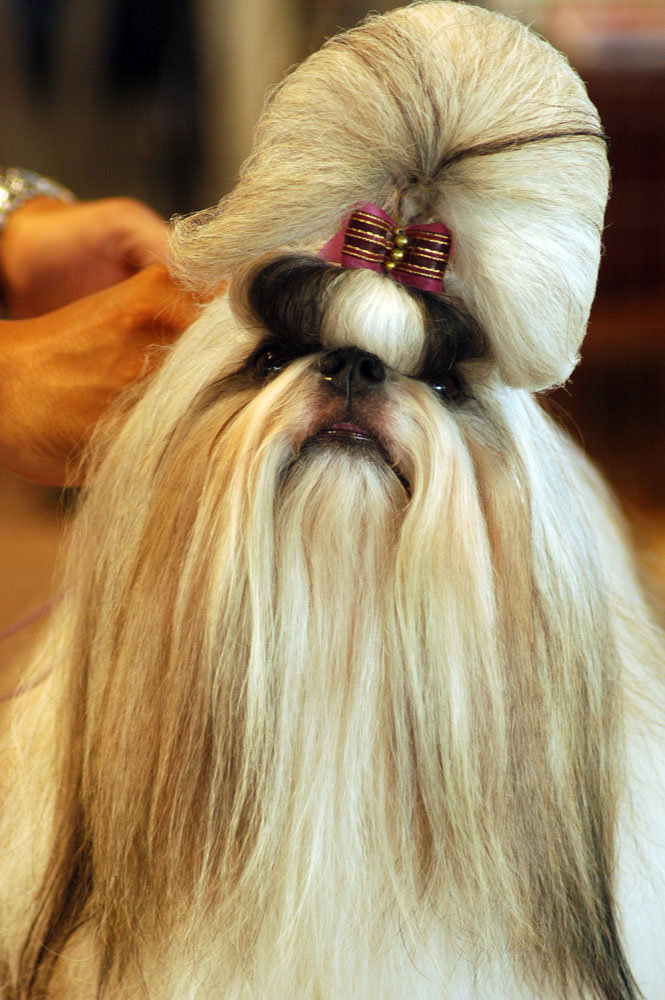
The glamorous floor-length coat is real, and so is the work behind it. A long coat needs frequent, often daily, brushing and combing down to the skin. Friction areas behind the ears, under the legs, around the harness, and near the tail can mat quickly. Tight mats can pull skin and should not be attacked blindly with scissors.
Many pet owners choose a shorter “puppy cut.” That reduces coat length but does not eliminate grooming. The face needs regular cleaning, the coat still needs brushing, nails need trimming, and professional clipping is commonly scheduled every few weeks according to coat growth and condition.
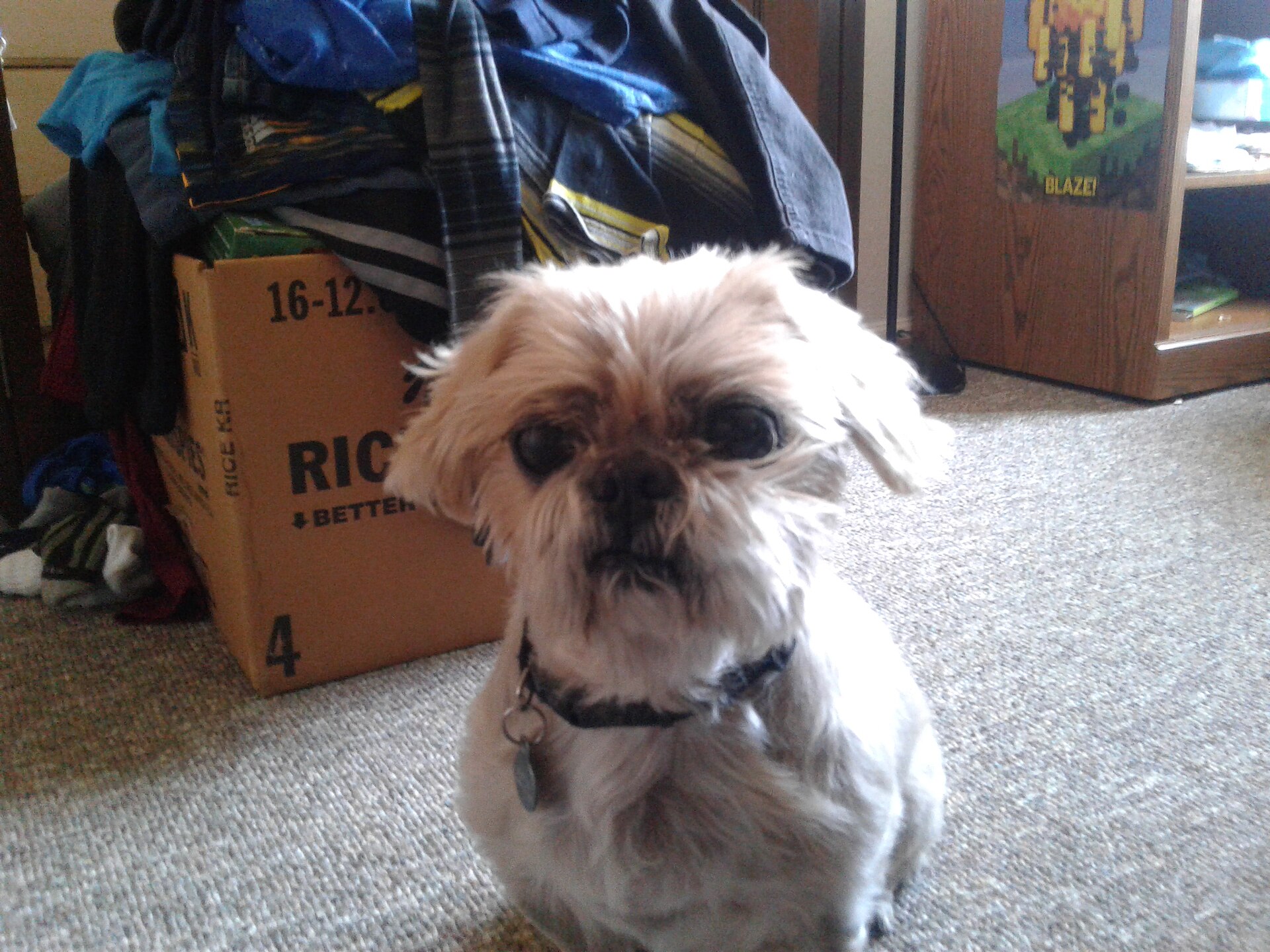
Hair around the eyes should be kept clean and out of the way without poking or pulling. Watch for squinting, redness, discharge, cloudiness, rubbing, or an eye that appears injured; eye problems deserve prompt veterinary attention. Regular tooth brushing with dog toothpaste is also valuable because small dogs can be prone to dental disease. Persistent bad breath, bleeding gums, difficulty eating, or loose teeth call for a veterinary exam.
No dog is truly hypoallergenic. Shih Tzus may release less loose hair into the home than some breeds, but they still produce dander and saliva proteins that can trigger allergies. Anyone with allergies should spend time around adult Shih Tzus before making a commitment.
Training a Shih Tzu without a battle of wills
Start with toilet training, name response, recall, comfortable handling, polite greetings, and walking on a loose leash. Use tiny rewards and sessions of a few minutes. Consistency matters more than intensity.
House-training can take patience because a small bladder, bad weather, and subtle signals make mistakes easier. Offer frequent scheduled trips, reward outdoor success immediately, supervise indoors, and clean accidents without punishment. A safe crate or pen can help with management, but it should not become long-term storage for a social dog.
Handling practice is especially important. Pair gentle touches to paws, ears, face, and body with rewards before grooming becomes difficult. Teach the dog to stand on a mat or rest its chin on a towel for short care sessions. If fear escalates to freezing, growling, or snapping, stop forcing the issue and consult a qualified reward-based professional.
Health and warm-weather care
Shih Tzus have a shortened muzzle. That can make cooling through panting less efficient, especially in hot, humid weather. Walk during cooler hours, provide shade and water, avoid strenuous activity in heat, and never leave a dog in a parked vehicle. Heavy or noisy breathing at rest, blue or pale gums, collapse, confusion, or severe distress is an emergency.
The breed can also experience eye, dental, orthopedic, ear, skin, and breathing problems. This is not a diagnosis checklist, and not every Shih Tzu develops these issues. A veterinarian can set an individual preventive-care plan, while a responsible breeder should explain relevant health screening and allow buyers to verify results rather than accepting vague assurances.
Keeping the dog lean helps reduce unnecessary physical strain. Feed for life stage and body condition, measure portions, and count training treats as part of the daily total.
Fun Shih Tzu quirks

- The name “Shih Tzu” is associated with the Chinese term for lion, despite the breed being considerably less alarming at the door.
- Many have an upswept tail carried over the back, adding to their unmistakably self-important silhouette.
- Their facial hair can grow in several directions, creating the chrysanthemum-like expression described in breed literature.
- A white mark on the forehead is sometimes romantically called the “star of Buddha.” It is a marking, not a sign that your dog has achieved enlightenment—particularly if a sandwich is unattended.
- Shih Tzus often prefer participation to observation. Closing a bathroom door may therefore be treated as an unreasonable policy decision.
Frequently asked questions
Is a Shih Tzu a good family dog?
Often, yes. Many are affectionate and adaptable, but adults must supervise young children and teach gentle handling. Match the individual dog's temperament and history to the household rather than relying only on the breed label.
Do Shih Tzus bark a lot?
They can be alert barkers, but frequency varies. Reward quiet behavior, manage window and hallway triggers, and provide enough activity. Sudden or excessive barking can also signal fear, boredom, discomfort, or another unmet need.
Are Shih Tzus easy to train?
They are capable learners but can be independent. Brief reward-based sessions, clear routines, and patient house-training usually work better than force or drilling.
How often does a Shih Tzu need grooming?
A long coat commonly needs daily attention; a short pet trim still needs regular brushing, face care, nail care, bathing, and repeat clipping. The exact schedule depends on coat length, skin health, and lifestyle.
Can a Shih Tzu be left alone all day?
Regularly leaving one alone for a full workday is a poor fit for many members of this companion breed. Build alone time gradually and arrange appropriate breaks and care. Persistent panic, destruction, or distress needs professional guidance.
How much exercise does a Shih Tzu need?
Most adults benefit from daily walks, sniffing, and play rather than endurance exercise. Adapt the amount to age, health, weather, and breathing comfort.
How this feature was prepared
Dogthread prepared this breed feature as source-informed editorial synthesis, not veterinary advice or a claim of breeder or trainer expertise. Core breed ranges and temperament descriptions were checked against the American Kennel Club breed profile. Historical context was cross-checked with the Encyclopaedia Britannica Shih Tzu overview and breed-level care claims were kept conservative. Individual dogs vary; veterinary guidance and verified health records take priority.
The bottom line
The Shih Tzu is a cheerful, people-focused companion in a small but surprisingly solid package. For an owner willing to manage coat care, patient training, dental and eye routines, and warm-weather caution, this former palace dog can be an adaptable and deeply affectionate housemate.