Dog Shedding Guide: Coat Types, Seasons, and Cleaning Strategy
Dog shedding is normal: old or damaged hairs fall out as the coat renews itself. The amount depends mainly on coat type, the individual dog, daylight and temperature changes, health, and grooming routine. Short-haired dogs can shed heavily, “hypoallergenic” does not mean shed-free, and no safe routine stops normal shedding completely.
The practical strategy is simple: identify the coat, remove loose hair gently before it reaches the furniture, clean the house in layers, and pay attention when shedding changes suddenly. For most dogs, consistent brushing and a repeatable vacuum-and-laundry routine beat occasional grooming marathons.
Dog coat types and how they shed
Coat labels overlap, and mixed-breed dogs may not fit neatly into one box. Use what you can see and feel—length, density, texture, undercoat and tangling—not just the breed name.
| Coat type | Typical shedding pattern | Useful first tool | Main mistake to avoid | |---|---|---|---| | Smooth or short | Loose hairs drop steadily and stick into fabric | Rubber curry or grooming mitt | Assuming short hair means low shedding | | Double coat | Moderate year-round loss plus heavier seasonal release | Pin/slicker brush and suitable undercoat rake | Shaving the coat to control shedding | | Long or feathered | Visible loose hair, tangles and mats behind ears and legs | Pin brush or slicker, then metal comb | Brushing only the surface | | Curly or woolly | Loose hair often stays trapped in the coat | Slicker and comb, with regular professional grooming as needed | Mistaking low visible shedding for low maintenance | | Wire | Variable shedding; some coats need clipping or hand-stripping | Brush and comb matched to the coat | Using specialized stripping techniques without instruction | | Hairless or very sparse | Little coat shedding, but skin care matters | Soft cloth and breed-appropriate skin care | Treating exposed skin like coated skin |
Smooth and short coats
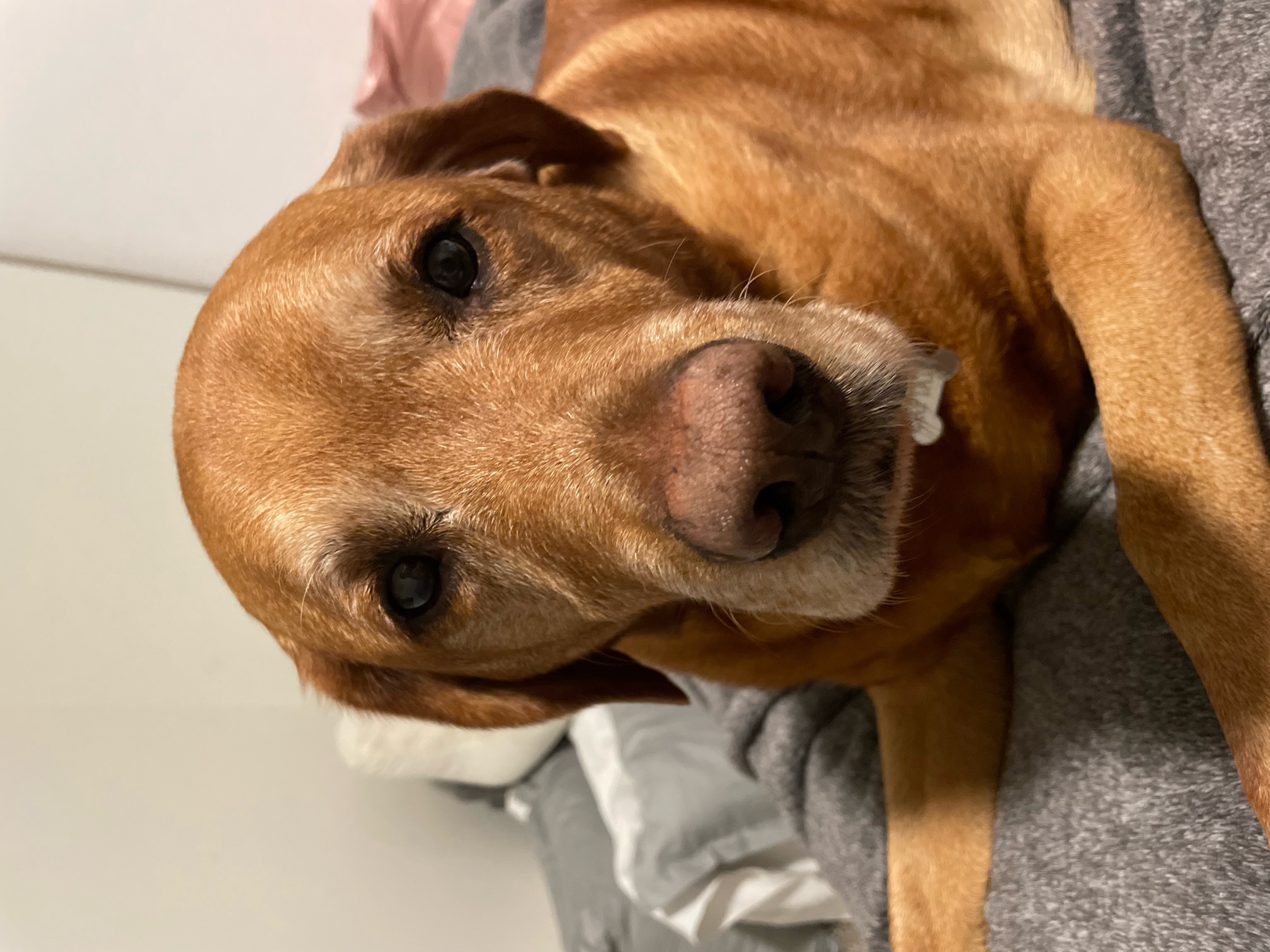
Labradors, Beagles, Boxers and many short-coated mixes can leave surprising amounts of hair. Their small, stiff hairs work into upholstery and car fabric. A rubber curry used with light pressure can lift loose coat without scraping the skin.
Double coats
A double coat has a protective outer layer and a softer insulating undercoat. Huskies, German Shepherds, Golden Retrievers and many other breeds shed some hair throughout the year and may release much more undercoat during seasonal changes.
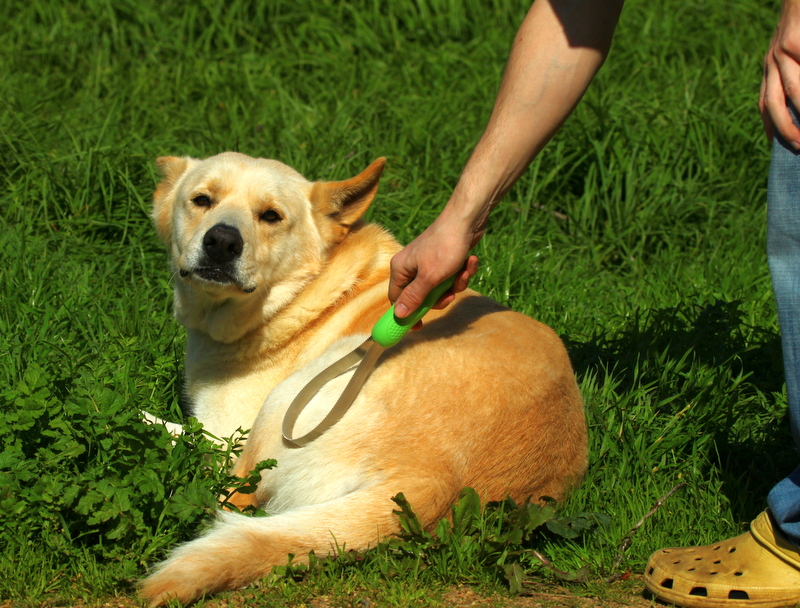
Brush in sections and stop before the skin becomes pink or irritated. An undercoat rake can help when its tooth length and spacing suit the dog, but aggressive repeated passes can damage coat or skin. Shaving a double coat is not a routine shedding solution; ask a veterinarian or experienced groomer when clipping is medically necessary.
Long, feathered and silky coats
Long hair is easier to see, but tangles can hide loose undercoat. Work gently from the ends toward the body, support the hair near the skin, and check friction areas behind the ears, under collars, in armpits and around the back legs. A comb after brushing confirms whether you reached through the coat.
Curly and woolly coats
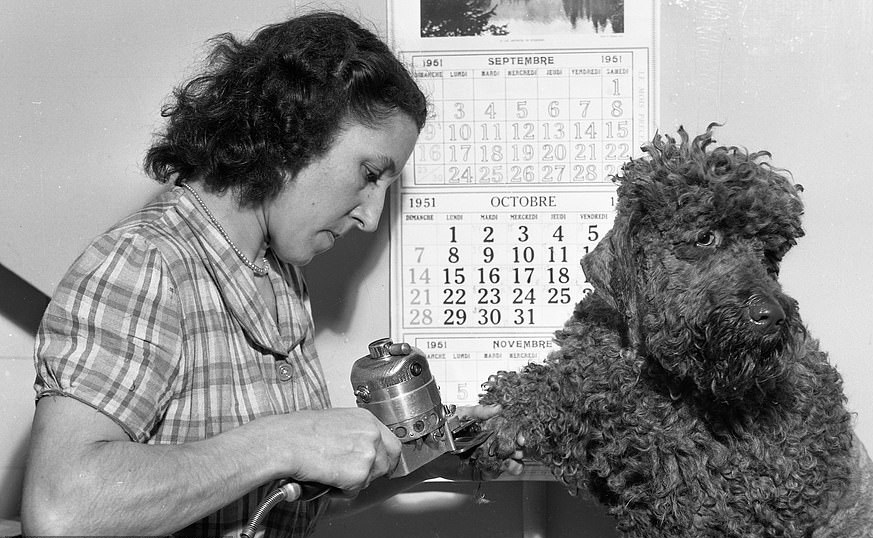
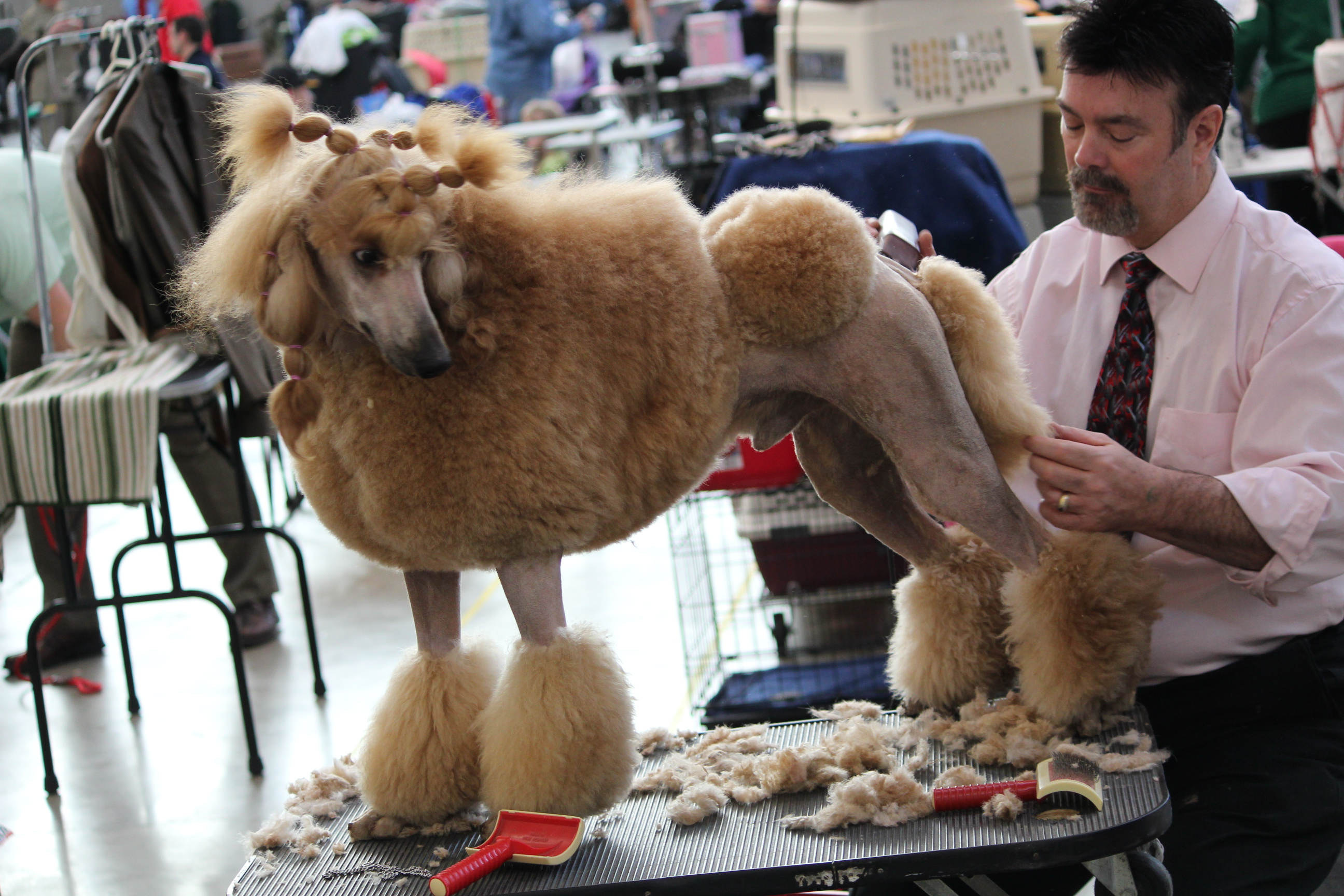
Poodles and many curly-coated dogs may drop less hair around the home because loose strands remain caught in the coat. That does not make the coat self-cleaning. Trapped hair can contribute to mats, so these dogs usually need regular brushing, comb checks and scheduled trimming.
When do dogs shed the most?
Many dogs shed year-round. Dogs with seasonal double coats often release more undercoat as daylight and temperature patterns change, commonly around spring and fall. Indoor lighting, heating, climate, spay/neuter status, age and individual genetics can blur that calendar, so a house dog may shed steadily rather than in two tidy events. Fur has never respected a spreadsheet.
Puppies can also change coat as the adult coat comes in. Senior dogs may develop coat changes for several reasons, including normal aging or medical issues. Track your own dog’s baseline instead of expecting every dog of the same breed to follow an identical schedule.
A brushing routine that reduces loose hair safely
- Check the skin first. Look for redness, sores, parasites, tender areas and tight mats.
- Choose a coat-appropriate tool. Rubber for many smooth coats; pin or slicker brushes and combs for longer coats; a properly sized undercoat tool only where there is undercoat.
- Use short, gentle sessions. Brush in the direction the coat grows and reward calm handling.
- Work in sections. Part dense or long hair so you are not only polishing the top layer.
- Finish with your hands or a comb. You should not feel hidden tangles, sharp tool scratches or hot, irritated skin.
- Stop if the dog is uncomfortable. Pulling harder does not turn a wrong tool into the right one.
For a typical dog, several short sessions each week are easier on everyone than one huge session after the coat has packed up. During a heavy seasonal shed, brief daily brushing may help. Curly, mat-prone or specialized coats may need a groomer-designed schedule.
Should you bathe a shedding dog?
Bathing can loosen dead hair, but too-frequent bathing or poorly rinsed shampoo can dry or irritate skin. Use a dog-formulated product, protect the eyes and ears, rinse thoroughly, and dry the coat fully without overheating the dog. Brush only when the coat condition and tool are appropriate; pulling at wet tangles can hurt.
Bath frequency varies with coat, activity, skin condition and veterinary guidance. A dog who rolled in something unspeakable has filed an exception to the schedule.
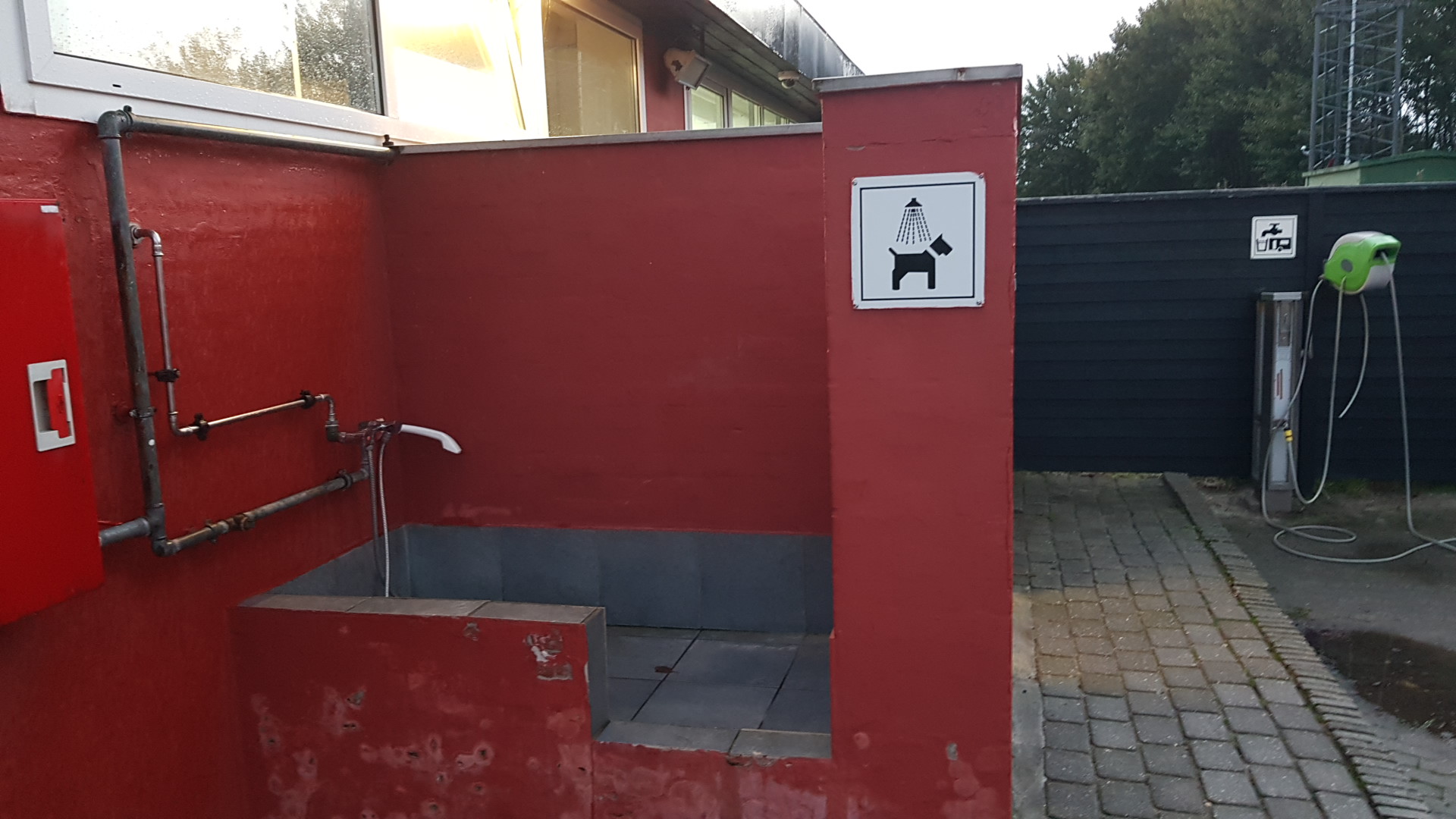
The cleaning strategy: contain, capture, then deep-clean
Trying to make a shedding home completely fur-free is a fine way to lose an argument with biology. Aim for controlled zones and a schedule you can maintain.
1. Contain hair at the source
- Groom in an easy-clean area or outdoors when weather and the dog’s comfort allow.
- Wash dog bedding and removable furniture covers regularly.
- Put washable throws on favorite sleeping spots.
- Keep a towel and grooming mitt near the main entry.
2. Capture loose hair frequently
- Vacuum high-traffic areas and edges before hair builds into drifts.
- Use slow passes; fast vacuuming often leaves embedded hair behind.
- Use a rubber squeegee, damp rubber glove or upholstery tool on fabric, testing a hidden area first.
- Empty vacuum bins and clean filters according to the manufacturer’s instructions.
3. Deep-clean on a slower cycle
- Move furniture and clean baseboards periodically.
- Launder blankets and covers according to their labels; remove loose hair before washing so it does not simply migrate.
- Clean vehicle seats and cargo liners before hair becomes compacted.
- Replace heating and cooling filters on the schedule appropriate for your system and household.
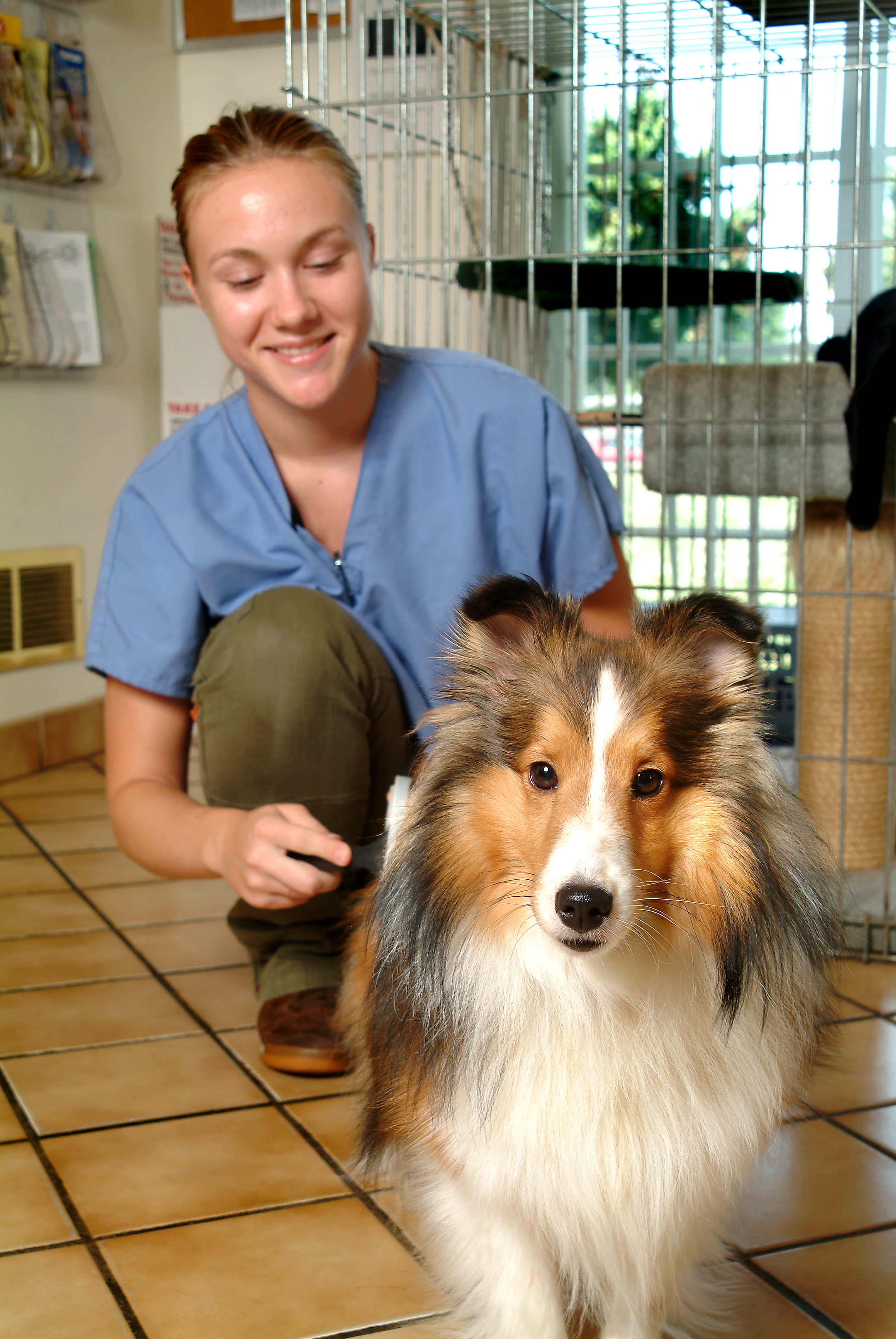
A practical weekly shedding plan
For a moderate shedder, start here and adjust:
- Daily: two-minute hand check; remove visible hair from the dog’s bed or favorite chair.
- Two or three times weekly: 5–10 minutes of coat-appropriate brushing.
- Weekly: wash the dog’s main bedding cover and vacuum upholstery, edges and vehicle areas the dog uses.
- During coat blow: add short brushing sessions and more frequent vacuuming rather than making each session rougher.
- Monthly: inspect tools, vacuum filters, mats and hidden high-hair areas.
A heavy double-coated dog may need more. A low-shedding curly dog may leave less hair in the house but need much more combing and professional coat maintenance. Cleaning effort and grooming effort are different currencies.
What does not work well
Shaving solely to stop shedding
Clipping does not stop follicles from releasing hair. It may change how the loose hair looks and can disrupt the protective function or regrowth of some coats. Do not shave a double-coated dog as a casual household-cleaning shortcut.
Overusing deshedding blades
More removed hair is not always better. Repeated aggressive passes can break healthy hairs and irritate skin. Use light pressure, follow the tool instructions, and ask a groomer to demonstrate if you are unsure.
Supplements without a reason
A complete, appropriate diet supports skin and coat health, but supplements are not universal shedding cures. Some can interact with medical conditions or add unneeded nutrients. Discuss persistent coat concerns and supplements with your veterinarian.
Changing everything at once
If you switch food, shampoo, tools and cleaning products together, you will not know what helped—or what caused irritation. Change one sensible variable at a time unless a veterinarian directs otherwise.
When shedding may signal a health problem
Normal shedding is generally distributed across the coat and does not leave inflamed skin or distinct bald areas. Arrange veterinary advice if you notice:
- sudden or dramatic hair loss outside the dog’s normal pattern
- bald patches, broken hair or a thinning coat
- persistent scratching, licking or chewing
- redness, odor, scabs, sores, dandruff or oily skin
- visible fleas or other parasites
- lethargy, weight change, thirst changes or other illness signs
- coat change after starting medication
Skin disease, parasites, allergies, infection, hormonal disorders, pain and other conditions can alter the coat. A grooming guide cannot diagnose the cause. If the skin is painful, raw, rapidly worsening or accompanied by broader illness, contact a veterinarian promptly.
Frequently asked questions
Why is my dog shedding so much?
Heavy shedding may be normal for your dog’s coat or season, especially during undercoat release. Compare it with the dog’s usual pattern. Sudden change, baldness, itching, inflamed skin or illness signs warrants veterinary advice.
Do short-haired dogs shed less?
Not necessarily. Many short-coated dogs shed steadily, and their stiff hairs can be harder to remove from fabric than longer hairs.
Are hypoallergenic dogs shed-free?
No. “Hypoallergenic” is not a guarantee of no shedding or no allergic reaction. Dogs produce allergens in dander, saliva and other material, and individual reactions vary.
How often should I brush my dog?
It depends on coat type, tangling risk and season. Many dogs benefit from several short weekly sessions; heavy seasonal shedders may need brief daily brushing, while curly or mat-prone coats need a routine designed around preventing tangles.
Does dog food stop shedding?
No food stops normal coat renewal. An appropriate complete diet supports general coat health, but sudden or abnormal hair loss needs a veterinary assessment rather than a marketing promise.
What is the best vacuum for dog hair?
Prioritize strong upholstery performance, an effective floor head for your surfaces, accessible filters, easy bin or bag maintenance and readily available replacement parts. The best machine is one you can use frequently without performing minor surgery on the brush roll.
Methodology and update note
This guide is an editorial synthesis of established coat-care principles and conservative dog-health guidance. It does not claim veterinary diagnosis, professional grooming credentials or hands-on testing of specific products. Coat terminology varies, so recommendations are organized by observable coat structure and dog comfort rather than breed labels alone.
Review this guide when grooming standards or veterinary guidance materially change. Product-specific brush and vacuum comparisons belong in separately verified buyer guides so this evergreen page can remain focused on coat type, safe routine and cleaning strategy.