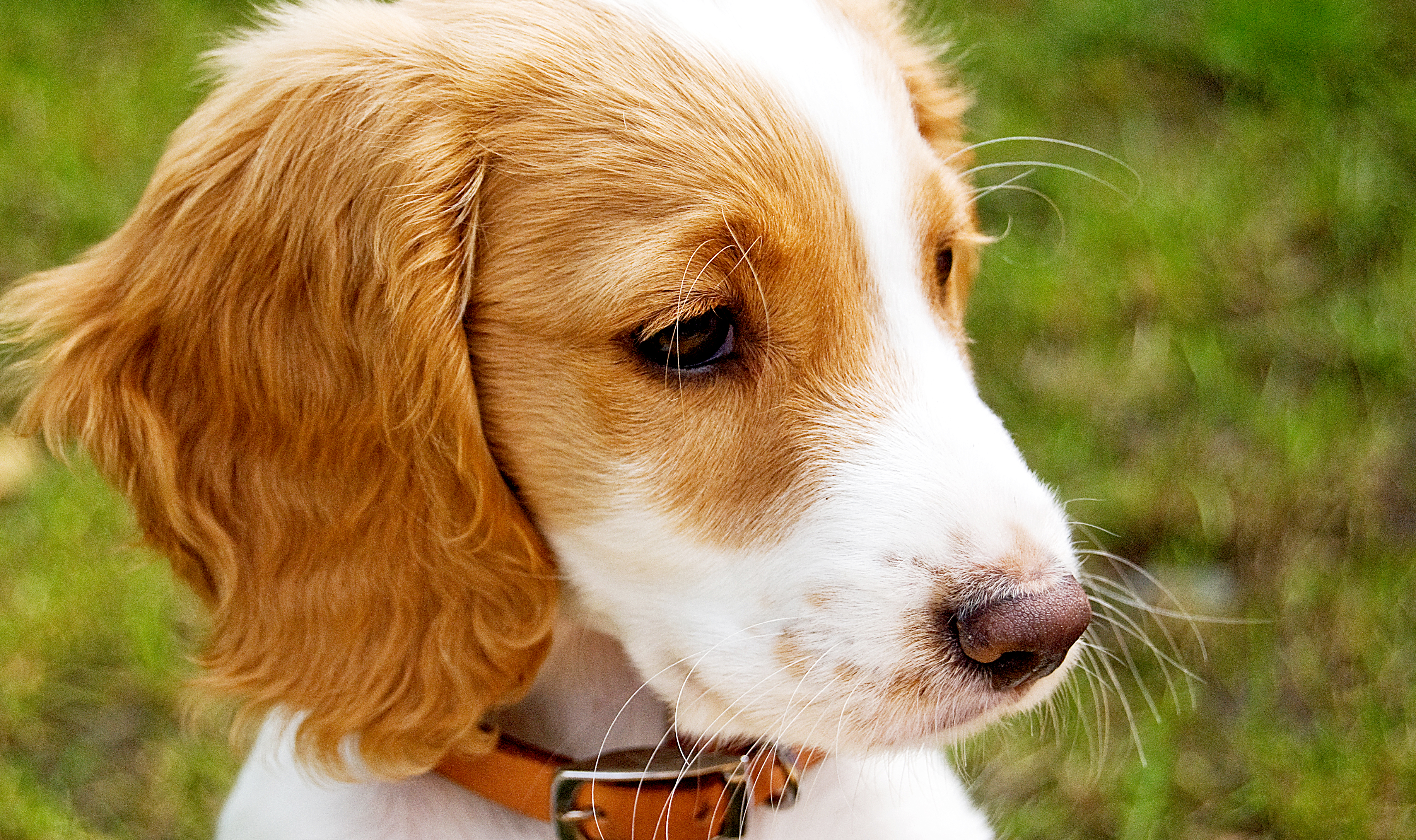
Dogs Life: Cocker Spaniel — A Purpose-Bred Life in Its Prime
The woodcock lifted almost under my nose.
One instant there was only wet bracken, blackthorn and the iron smell of November rain. The next, broad wings beat through the stems and the bird climbed crookedly between the alders. I stopped. Behind me, Thomas brought up his gun. The shot folded into the wood, and a brown feather turned in the air.
I had done the part for which generations of small spaniels had been shaped: enter cover a larger dog might skirt, find a bird a man could neither see nor smell, force it into flight within gunshot, then bring it back without spoiling it.
I was born in southern England in the 1890s, when the Cocker had only recently become a breed in its own right. My name was Moss. Thomas was a tenant farmer with a modest walking gun, not a lord with beaters and acres of driven birds. A good day with me put woodcock, pheasant or rabbit in his bag and food on his table.
This is a historical reconstruction, not the biography of a documented dog. Moss and Thomas are fictional composites. The work, the landscape and the purpose behind the breed were real.
I Was the Small One Chosen for Thick Country
My first country was a strawed box, my mother's belly and six littermates pushing for milk. Before I knew a whistle, my nose worked. I nosed under sacking, followed the keeper's boots and worried at pheasant wings hung beyond my reach.
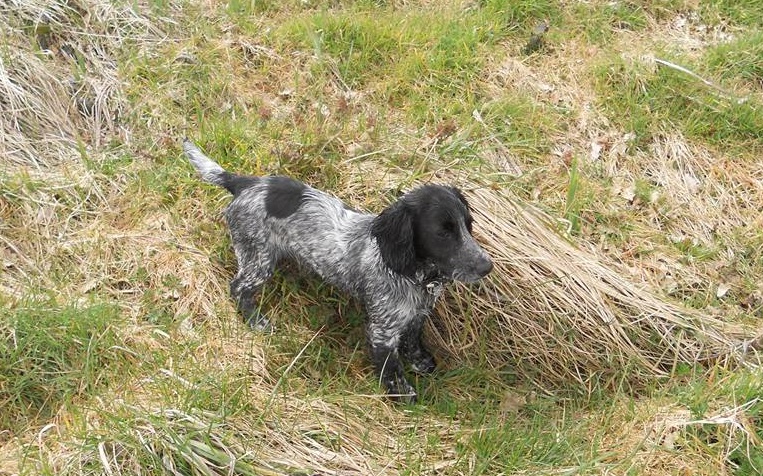
Spaniels had served European and British hunters for centuries. Land spaniels searched cover; water spaniels worked wet ground and water. For a long time, their names described size and task more than sealed pedigrees. Smaller land spaniels became known as cockers because they were especially useful on woodcock. Bigger littermates might be called springers because they sprang game.
That old division lived in my body. I was compact enough to slip beneath hazel and through bramble tunnels, but strong enough to push into them. My ribs gave room for hard breathing. My legs were not built for a greyhound's race; they carried me in busy quarters around a walking gun. My coat softened the scrape of thorn and shed some weather without becoming the heavy armour of a larger dog. My hanging ears and feathering collected burrs and mud—the price of working low in cover.
The breeder watched for more than shape. He wanted the puppy who searched willingly, used his nose, recovered after surprise and returned to people with his prize. Courage without control would drive birds far beyond the gun. Obedience without initiative would leave cover unsearched. The useful Cocker needed both fire and a handle.
I was the pup who went into the hedge and came back when called.
Thomas Put a Whistle Around My World
Thomas began with my name, a soft whistle and a scrap of liver. Then came the turn whistle, the stop and the recall. He hid a rabbit-skin dummy in short grass and let the wind bring it to me. When I picked it up, he crouched instead of chasing. I ran to him because his hands promised praise, not theft.
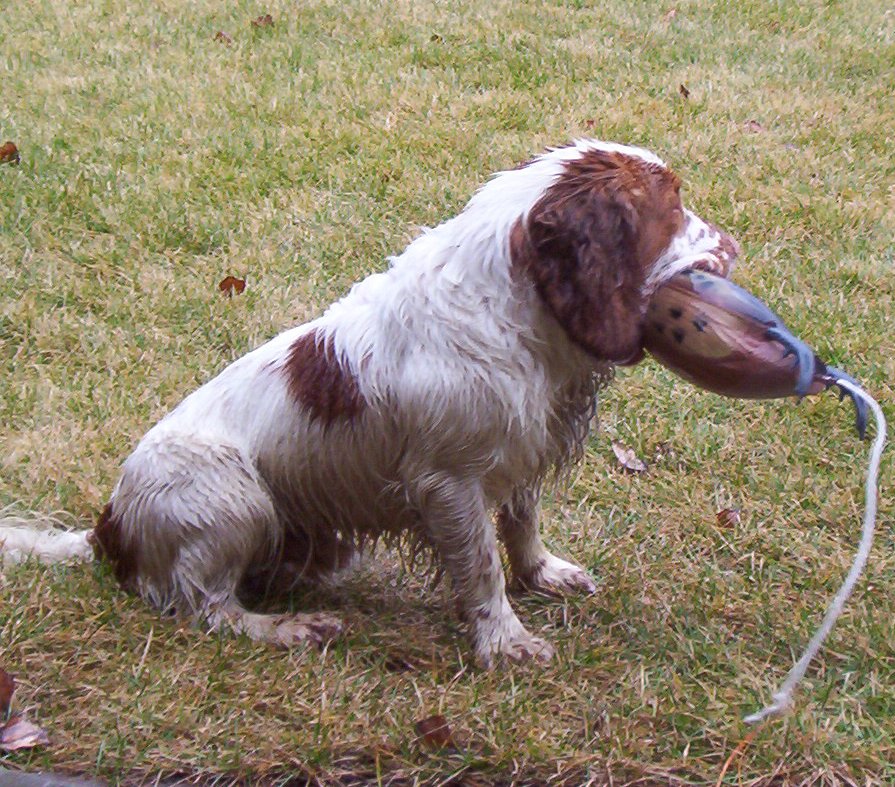
The lessons moved into rushes and bracken. Thomas walked me across the wind in a close zigzag, first left, then right, always near enough that anything flushed would rise within the useful circle of his gun. He did not need me to point and hold a bird. A spaniel's bargain was different: quest hard, get close, flush boldly, then stop.
Stopping was the difficult part. Every nerve in me wanted the flying thing. Thomas used patience, the whistle and a long cord until the sound could reach through excitement. A reckless chase might empty the entire covert, put me beneath another gun or send a wounded bird farther away. Control was not parlour manners. It protected the day's work and my life.
Retrieving completed the lesson. I learned to follow the fall, wait to be sent, hunt the area when the bird disappeared, take it gently and deliver to hand. Thomas selected no single miracle. He assembled a working dog from inherited desire and hundreds of ordinary repetitions.
The First Woodcock Taught Me My Name
Woodcock country keeps secrets at ground level. The bird sits tight by day beneath holly, alder, young birch and wet bramble, its mottled back dissolving into dead leaves. A man can pass within steps and never know it is there.
On my first true hunt, rain had darkened every trunk. Thomas carried a break-action gun and enough cartridges to make him careful. We walked a narrow woodland edge where pasture drained into a soft bottom.
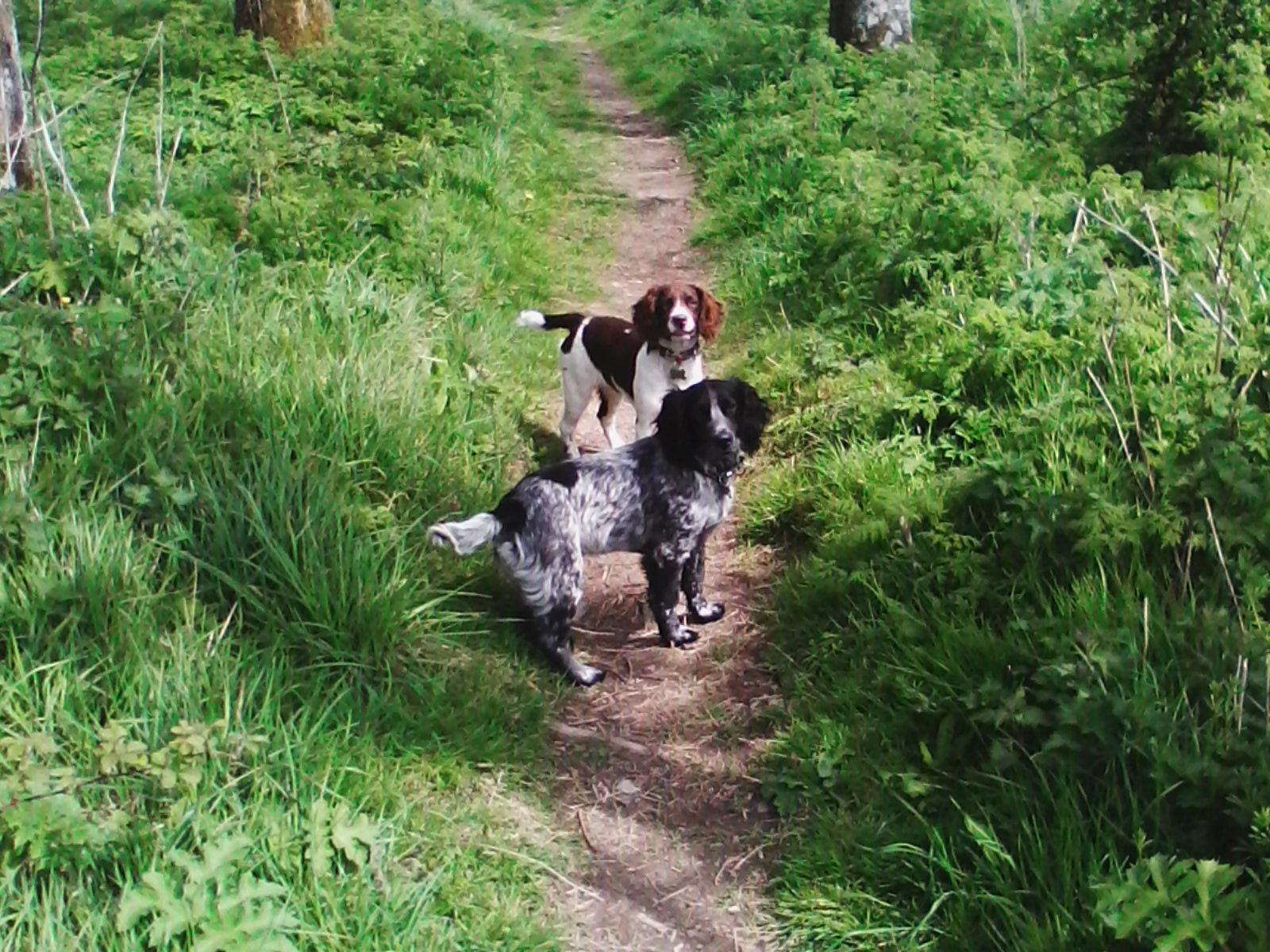
I worked the wind. Rabbit lay everywhere—warm runs, droppings, crushed grass—but another scent held me. It was faint, earthy and alive beneath the leaf mould. I pushed through thorn until the bird erupted at my face.
I chased three strides before the whistle found me. I stopped trembling. Thomas did not shoot. The bird had risen wild and unsafe through branches, but he came forward smiling.
That missed bird mattered. I had found what men had spent centuries asking small spaniels to find. The next time I quartered closer. The next time I stopped sooner. A useful gun dog was not born finished; breeding put the question in me, and work taught me the answer.
In My Prime, We Hunted as One Animal
By four years old, I knew Thomas's pace from the sound of his boots. If he slowed, I narrowed my cast. If cover opened, I stretched a little wider. His whistle turned me before I wasted ground. My tail told him when scent thickened, though he could not smell a feather.
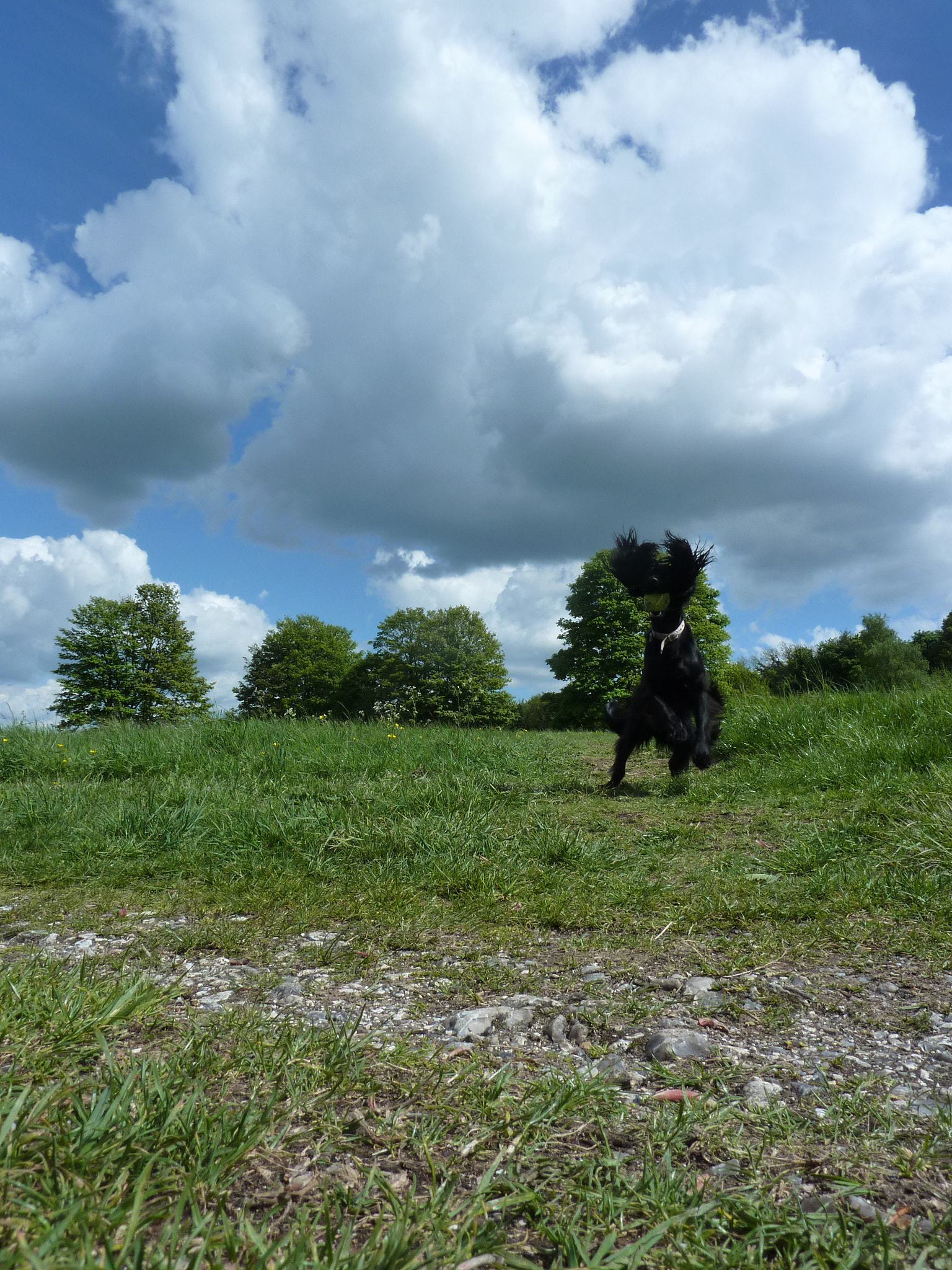
We hunted for a walking gun. There was no line of beaters driving hundreds of birds toward waiting sportsmen. Thomas moved through the country, and I made the invisible game available to him. In thorn I was his reach. In scent I was his warning. After the shot I was his memory of where the bird had fallen.
A good Cocker worked with bustle but not chaos. My small size let me enter tight places and kept my pattern naturally close. My nose located birds in cover dense enough to defeat human eyes. My willingness to flush converted hidden game into a possible shot. My soft mouth recovered meat that might otherwise be lost. My merry, people-oriented nature made long training and close partnership possible.
Those traits changed every hour of my life. I noticed hedges before roads and wind before scenery. A walk without searching felt unfinished. I came home wet beneath the belly, ears knotted with seed and paws sore from thorn. Thomas checked me by lantern, worked burrs free and dried me near the range. Selection had made work pleasurable to me, but it had not made work costless.
The Bird in the Alder Bottom
The day Thomas trusted me completely came after hard frost.
A woodcock rose from an alder bottom, and his first barrel struck it without bringing it down cleanly. The bird flew low, crossed a stream and vanished into a wall of bramble. We had not come merely to make birds fly. A wounded bird left unrecovered meant suffering and wasted food.
Thomas marked the fall and sent me. Water erased the easy ground line. On the far bank I cast, found the bird's scent and entered a tunnel no man could pass. The woodcock ran before me. I slowed rather than bursting ahead, worked the pocket, then pinned its location and took it when it tried to flutter away.
I returned through water with the bird alive in my mouth. Thomas ended its suffering quickly and placed it in the bag.
That retrieve was my practical value in one small scene. His gun could reach across the stream; his body could not cross the bramble. His eyes had lost the bird; my nose had not. Together we recovered what neither of us could have recovered alone.
A Cocker's Gifts Had a Back Edge
Humans selected energy because cover did not search itself. At home, that energy still needed somewhere to go. They selected persistence because a bird might sit beneath the ugliest thorn. The same persistence could make me deaf to a casual call. They selected closeness to the handler because my work happened within gun range. That closeness made separation hard for some of my kind.
My coat protected without making me too large or slow, but feathering trapped mud and seeds. My ears suited the spaniel outline and lay close to the head, but after wet days they needed inspection. My compact body entered cover readily; it also placed my eyes and skin near every thorn.
Purpose did not create a flawless animal. It created useful trade-offs. The Cocker made sense when the whole life made sense: exercise, training, searching, retrieving, partnership and rest.
What I Put on the Table
Thomas did not measure me in ribbons. He counted fewer wasted hours and fewer lost birds.
I found game concealed from him. I kept it close enough for a fair shot. I reduced the crippling loss that followed a poor fall. I let one walking gun hunt country that would otherwise require more men. The bag brought meat, but our partnership brought something else: access to a hidden landscape.
Through me, Thomas knew when a woodcock had run under holly, when a pheasant had doubled back and when an apparently empty hedge was alive. I translated scent and movement into the language of my body. He translated it into decisions.
That was why the breed existed. Not to decorate a hearth, though I slept happily beside one. Not merely to be merry, though joy made me easy company. I was a small specialist who turned dense cover into human opportunity.
When the Bramble Grew Taller
Age first showed in the pause before I jumped a ditch. Then my casts shortened. Cold entered my shoulders and stayed there. Thomas brought a younger dog, Fern, into the kennel.
I taught her without dignity. She stole my bedding, bit my ears and ran straight through scent that should have turned her. In the field, Thomas worked her beside me. When my tail quickened, hers did too. When the whistle stopped me, she learned that excitement had a boundary.
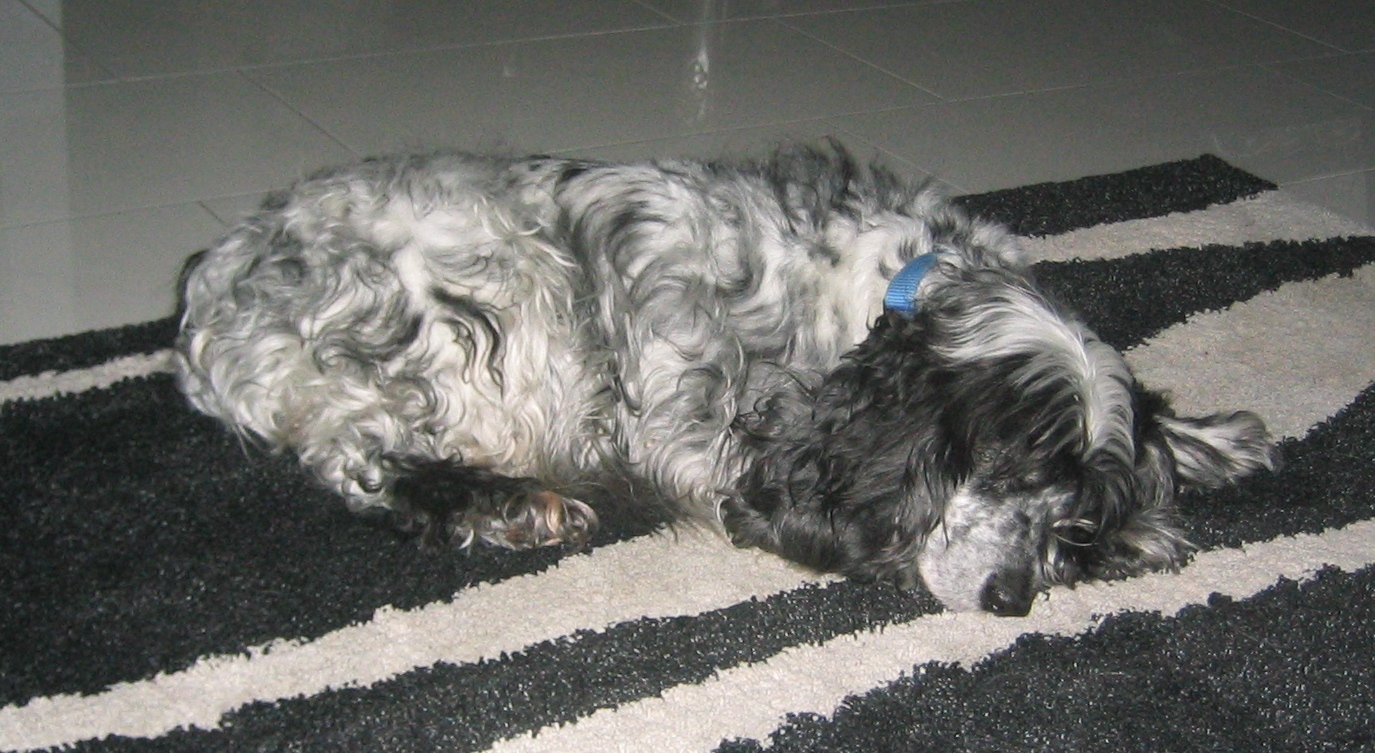
Eventually Fern took the long days. I still joined Thomas for short edges near home. My nose remained young after my legs grew old. Sometimes the smell of woodcock reached me from a damp hedge and my body leaned toward it before pain reminded me of the years.
Thomas never treated retirement as uselessness. I had paid for my place many times—in birds recovered, country searched and mornings when neither of us worked alone.
What Followed Me Out of the Wood
In 1892, Britain's Kennel Club recognized the Cocker Spaniel as a distinct breed. Type would continue to change. Show and working lines would pull toward different emphases, and English and American Cockers would later be recognized separately. But the old word remained tied to the woodcock and the little spaniel that hunted it.
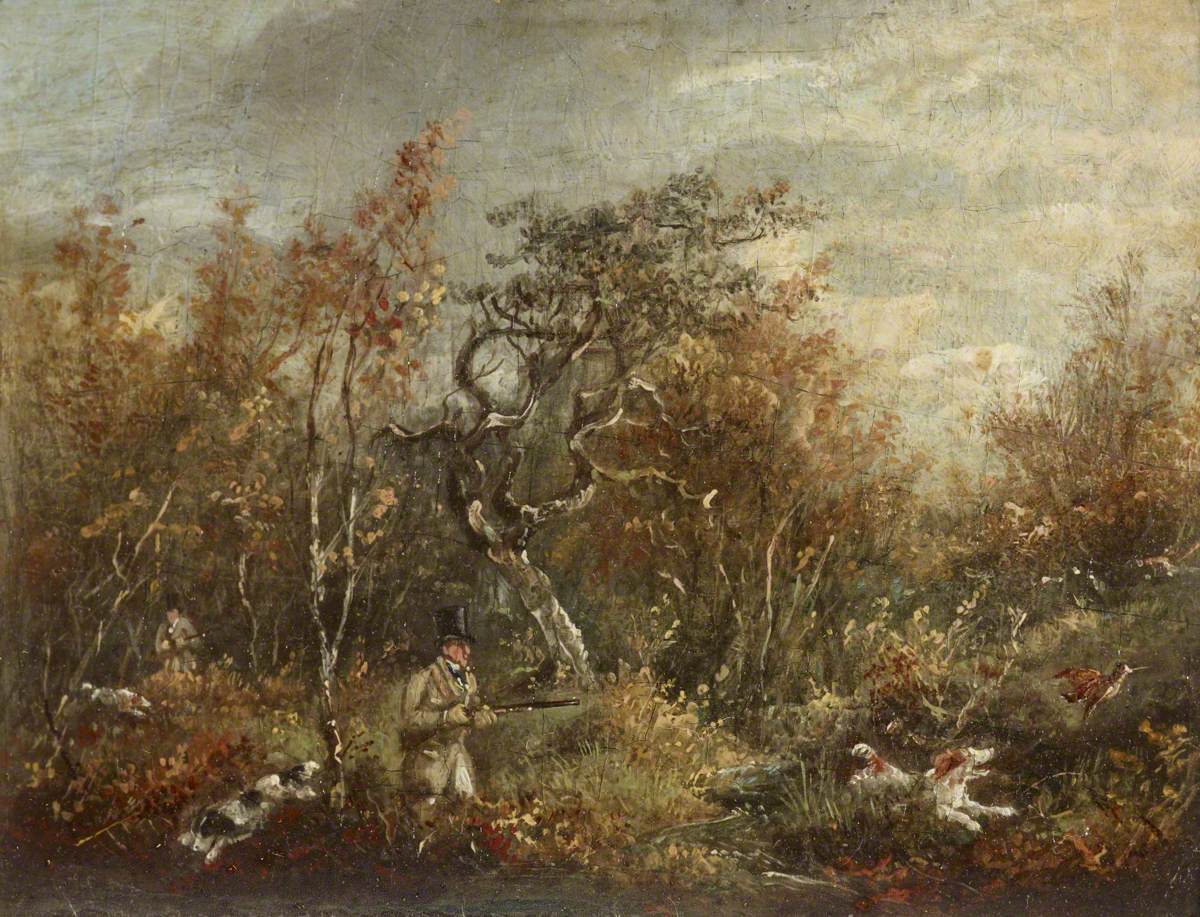
My legacy was not that every descendant had to face a gun. It was that the breed's familiar qualities came from consequential work. The busy nose, quick response, compact power, soft carrying mouth, merry closeness and refusal to be discouraged were selected because people depended on them.
When I died, Fern knew the whistle and the crossing pattern. Thomas knew how to trust a dog without surrendering judgment. The covert still held birds, hidden as completely as ever.
Another small spaniel went in after them.
Historical Note and Sources
This Dogs Life feature is an editorial reconstruction set in southern England in the 1890s. Moss and Thomas are fictional composites; no claim is made that their particular hunts occurred. The breed purpose and period context draw on the American Kennel Club's Cocker Spaniel history, the AKC English Cocker Spaniel overview, and the FCI English Cocker Spaniel standard. Historical claims are kept general where spaniel classification changed over time. Image credits and licenses are retained in the package metadata.