Dogs Life: Dachshund — A Purpose-Bred Life in Its Prime
I was born low to the straw.
That is the first thing I remember: not faces, not words, but the nearness of the ground. Warm littermates pressed against my sides. Damp earth under the boards. Leather, wool, woodsmoke, horse sweat, cold iron, and the thick wild smell that clung to the men when they came back from the forest.
I was a Dachshund in German hunting country, a badger dog before I was anyone's pet. My name came from the work: Dachs for badger, Hund for dog. The men did not say it softly. They said it the way they said axe, lantern, spade, powder, horn.
I was not made to look charming in a parlor. I was made to go where a man could not follow.
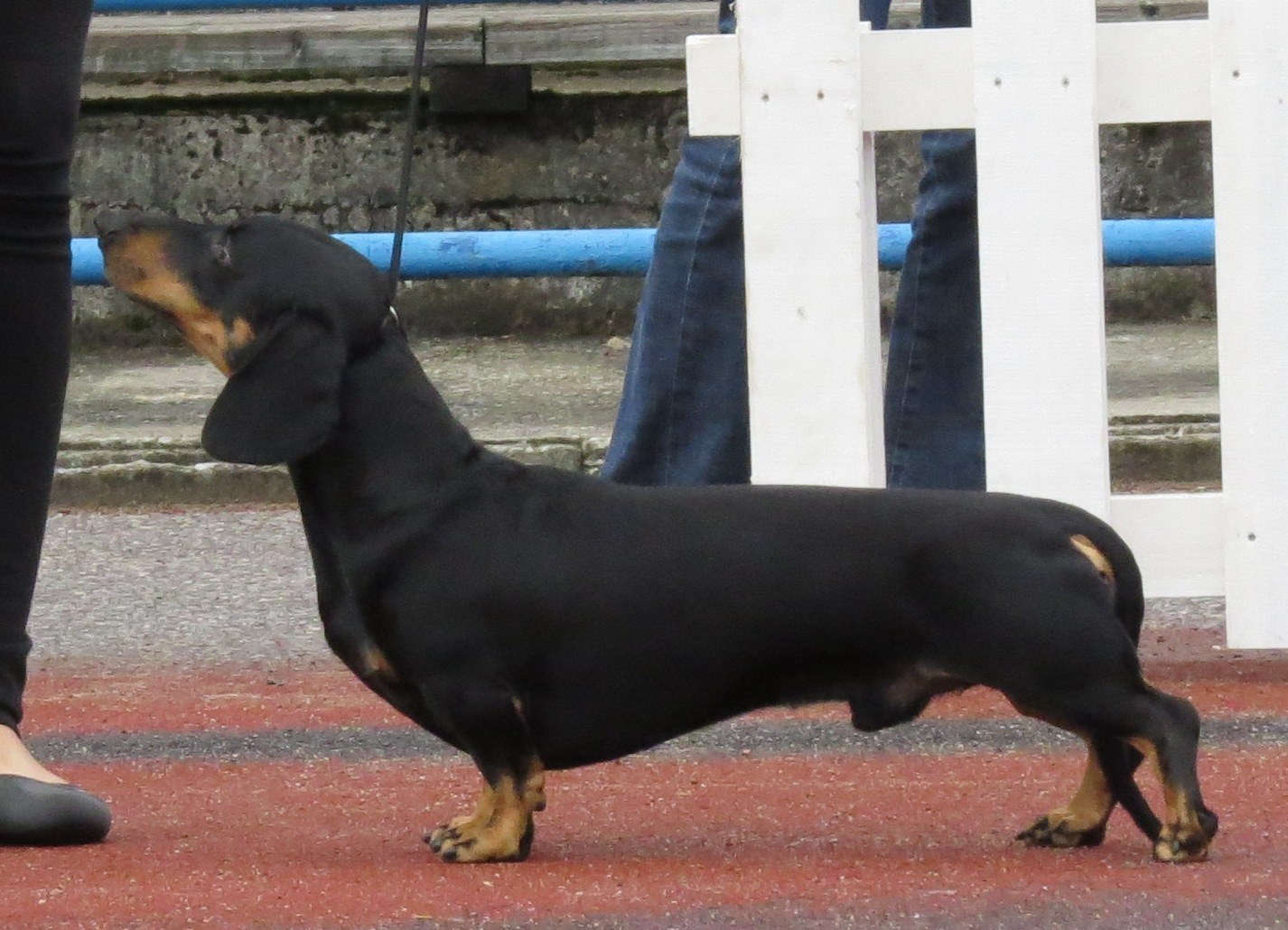
My body was long because a tunnel is long. My legs were short because the earth roof sits low over a badger's home. My chest was strong because digging and pushing through soil are not delicate work. My nose was serious because the hunt began with scent. My voice was loud because a hunter above ground needed to know where I was below it. My courage was not decoration. In a badger's den, courage was the difference between work and uselessness.
That is what people selected in us: low bodies, hard feet, loose skin, deep chests, strong jaws, sharp noses, loud tongues, and a mind stubborn enough to keep working when the quarry turned to fight.
The world made room for many kinds of dogs. Mine was underground.
Puppyhood in the Yard
My mother had a scar along one ear and no patience for foolishness.
She taught us with her body first. Push too hard at the bowl and she pinned you. Bite too sharply at a littermate and she answered once, fast. Sleep when the yard sleeps. Wake when the men open the kennel door. Do not waste noise, but when you speak, mean it.
The handler who raised us was a forester's man, broad through the hands, narrow with praise. He did not choose pups because we were pretty. He lifted us, weighed us, looked at our feet, ran a thumb along our ribs, checked our mouths, and watched which of us went nose-first toward strange smells.
I was not the largest pup. I was the one who kept going back to the hole under the woodpile.
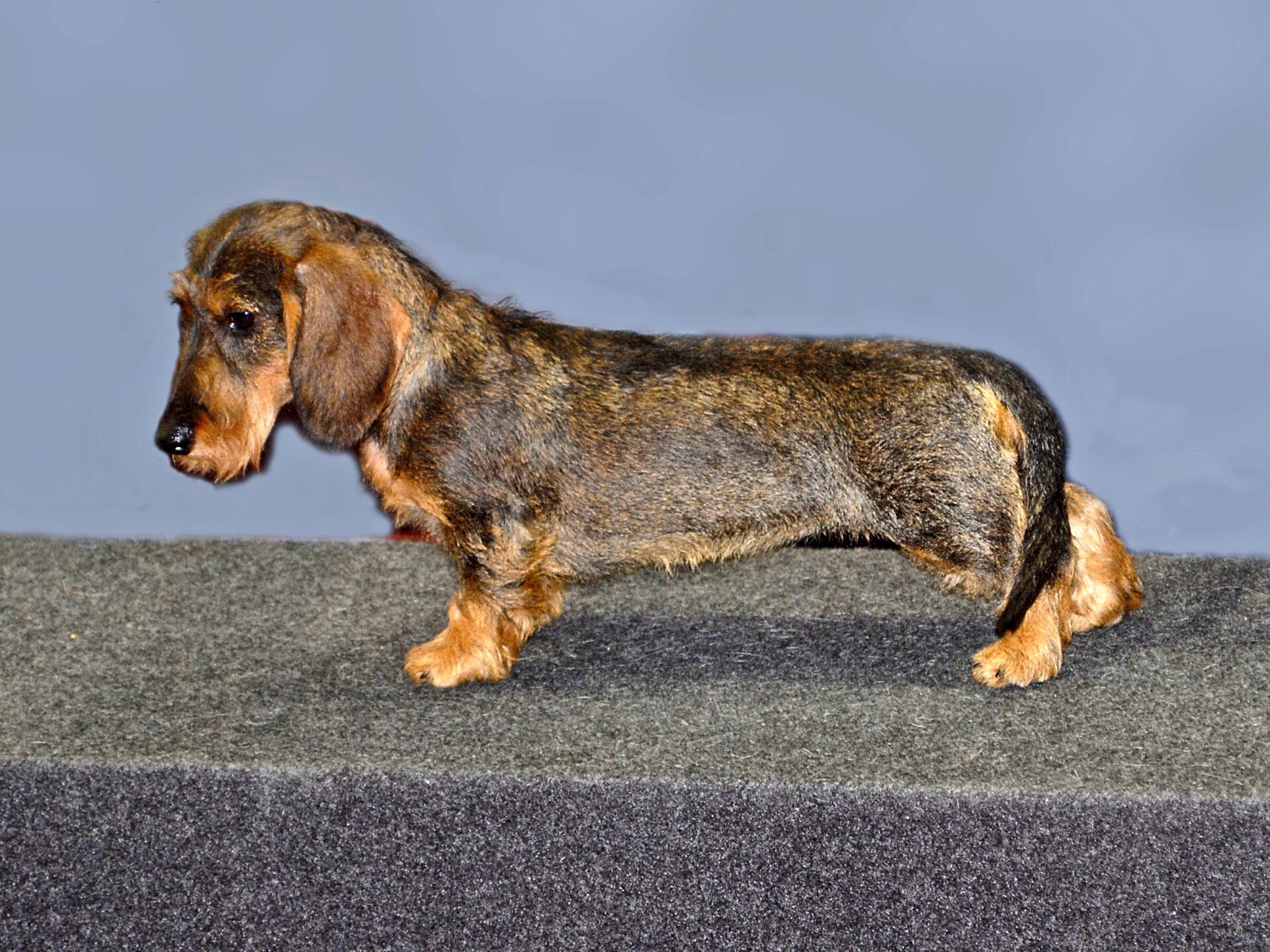
The older dogs watched us from the yard fence. Smooth coats, wire coats, red dogs, black-and-tan dogs: all shaped for the same argument with the earth. Some had worked badger. Some had pushed fox from cover. Some had trailed wounded deer with their noses low and their voices carrying through trees.
The first lesson was not bravery. It was attention.
Scent arrived before sight. Rabbit under hedge. Fox through wet grass. Man across the yard. Badger musk on an old hide. I learned that the world had layers, and the truest one was written low, where my nose lived.
The handler dragged old skins through the yard and let us puzzle out the line. He praised the pup who found the turn, not the pup who ran fastest in the wrong direction. He let us bark into a wooden tube so we learned the sound of our own voices trapped and thrown back at us. He gave us darkness in small measures.
A hunting Dachshund had to be bold, yes. But boldness without sense gets buried.
Learning the Ground
My first training tunnel smelled of damp boards, stale fur, and other young dogs' fear.
I went in badly. Too fast at first, scraping my shoulders, claws skittering. Then I stopped because the roof pressed close over me and the light behind me went thin. Outside, the handler waited. He did not crawl in after me. That was the point.
A dog under ground is alone.
The first time I opened my voice in that tunnel, I surprised myself. The bark came out deeper than my body should have allowed, hard and ringing. It traveled through wood and earth. Above me, the handler tapped once in answer.
There. That was the bargain.
I would go where he could not. I would tell him what I found. He would listen.
As I grew, the tunnels grew more complicated. Turns. Narrow places. A dead end. A scent trail laid lightly, then crossed by another. I learned to push forward without panic, reverse when I had to, brace my feet, and use my shoulders like tools. My long back bent through curves. My low legs gave me purchase. My ears kept dirt from pouring into my head. My tail, thick at the base, gave the handler something to find if I backed out muddy and furious.
The men cared about my voice almost as much as my nose. A silent dog underground made the hunter blind. A useless barker made him foolish. A good dog spoke with purpose: here, I have scent; here, I have quarry; here, the tunnel changes; here, I am holding.
I was bred to be heard through dirt.
Why We Were Made Low, Brave, and Loud
Badgers were not stories to the farmers.
They dug through banks, damaged fields, raided, fought, and vanished into fortresses under hedgerows and forest edges. A man could dig, smoke, set nets, and wait. But a good dog changed the work. A dog could enter the sett, press the quarry, hold it, bolt it, or mark its place so the men knew where to dig.
That was real value. Not entertainment first. Not ornament. Food, land, skins, control of damaging animals, and practical hunting work in country where a small, tough dog could save hours of blind labor.
Every part of me had a reason.
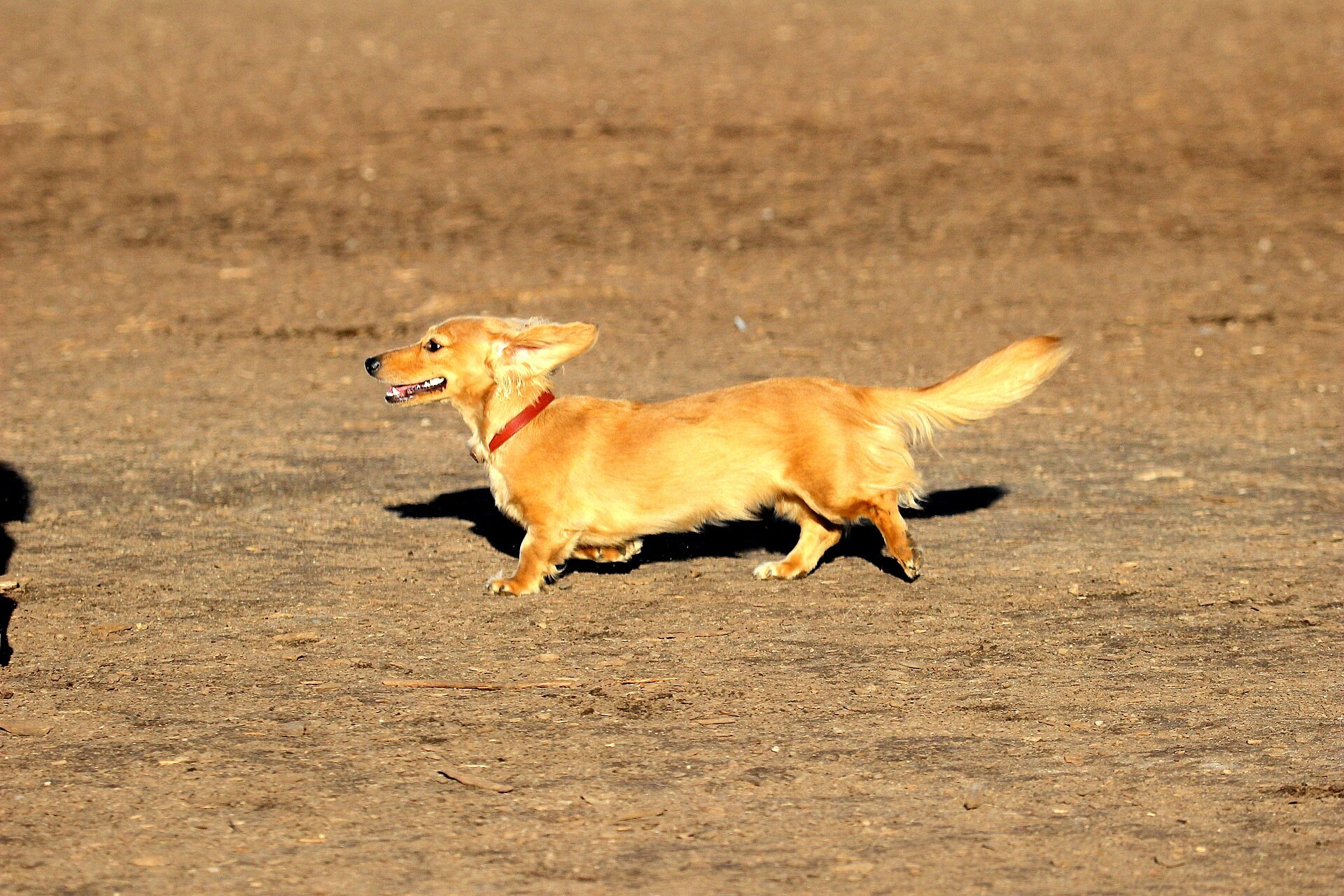
My short legs kept me close enough to the ground to enter burrows and push through cover without lifting my body into branches and thorns. My long ribcage gave room for lungs and heart. My forequarters were strong for digging and bracing. My nose let me work an old line when the animal itself was gone from sight. My independence let me decide underground when no human hand could guide me. My stubbornness, the thing house people later complained about, was simply persistence bred into flesh.
And my bark mattered because the hunt happened in two worlds at once.
Below, I smelled hot earth, fur, musk, stale air, roots, clawed dirt, and danger. Above, the handler heard my voice through the ground and made decisions. Where to dig. Whether to call me off. Whether the quarry was moving. Whether I was in trouble.
A quiet, obedient little dog would have been safer to own and worse at the job.
The men did not need safe. They needed useful.
My First Badger
The morning of my first real badger, frost silvered the grass and the handler's breath smoked over his beard.
I remember the weight of the collar. The pressure of his hand at my shoulder. The older dog beside me, scarred muzzle gray at the lips, already trembling with knowledge. We crossed a field with two men, a spade, nets, and a lantern hooded against the pale morning.
The sett lay under a bank where roots gripped the soil. Even from outside I smelled him: rank, deep, oily, old. Not rabbit. Not fox. Badger filled the ground like a threat.
The old dog went first. His voice rolled back at us, muffled and serious. The handler listened, head tilted. Then he drew the old dog out and set me at the mouth.
I entered because every lesson in my body pointed forward.
The tunnel swallowed sound strangely. My claws scratched. Earth brushed my whiskers. The badger smell grew hotter. I moved slowly now, because speed in a tunnel is for fools. A bend. A narrowing. Roots against my back. Then a chamber opened ahead and the darkness had weight in it.
The badger turned.
I will not make him a villain. He was not evil. He was himself: heavy, armed, furious, and home. His claws struck earth. His jaws clicked. His smell filled my mouth.
Fear came into me clean and sharp.
Then my voice answered it.
I barked until the earth seemed to bark with me. I stayed out of reach, lunged when he shifted, backed when he drove, pressed when he turned. I was not there to die bravely. I was there to hold, worry, announce, and make the hidden thing known.
Above, the men moved. I heard the muffled scrape of digging. The badger pushed. I gave ground and took it back. Soil fell over my face. My shoulder burned. My voice went raw. Still I spoke.
When the light finally broke through from above, it came like a second dawn.
The handler pulled me clear by collar and chest, not roughly, not gently either. There was blood along my lip and mud packed in my ears. He looked me over, wiped my muzzle with his sleeve, and said one word.
Good.
I carried that word for years.
Prime Working Years
In my prime I was not a cute dog. I was a tool with a heartbeat.
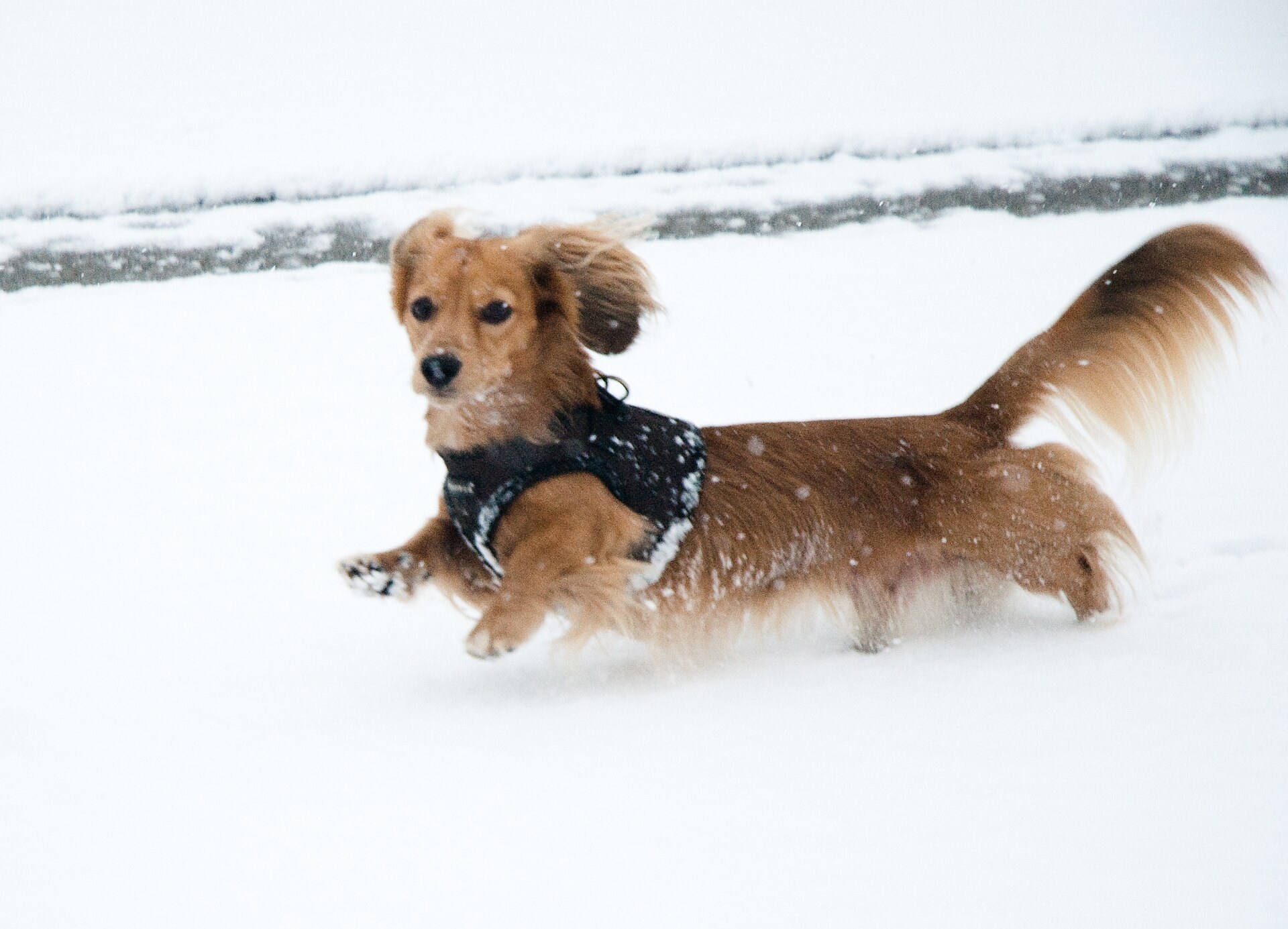
The village knew my voice. So did the fields, the hedges, the barns, the forest rides, and the damp places where tracks held after rain. I worked below ground when badger or fox demanded it. I worked above ground when a wounded deer needed finding. I hunted with my nose down, body swinging close to earth, tail lifted just enough for the handler to read me through brush.
I learned the difference between fresh scent and old memory. Fresh badger was thick and immediate. Fox was sharper, lighter, sly in the nose. Wounded deer laid a line with blood and stress and broken green stems. Rabbit made young dogs silly. I was not young anymore.
The handler trusted me because I made fewer grand mistakes than louder fools.
He knew my barks. He knew when I had found a live den, when I had pushed too deep, when I was baying quarry, when I was angry at a root, and when I needed the spade. Men who do not know dogs think command is everything. In our work, listening mattered more.
The practical value of my life was measured in solved problems.
A fox bolted from a drain before lambing season. A wounded roe found before meat spoiled and suffering stretched. A badger sett marked so men could work from the right place instead of tearing up half a bank. A hunter kept from crawling blind into danger. Time saved. Food recovered. Land protected. Work made possible.
No one wrote a poem about that. They did not need to. The farm ledger understood.
Partnership With My Handler
My handler's name was Matthias, though I knew him mostly by bootfall.
Left foot heavier than right. A cough in cold weather. Pipe smoke in his coat. Leather creaking when he crouched. He did not chatter at dogs. He spoke in short words and expected us to carry the rest.
He was not soft with me. A working life has no use for softness that makes a dog weak. But he was fair, and fairness is worth more than fussing. He checked my feet after long days. He washed bites. He rested me when my shoulder swelled. He fed me before he drank too much with the other men, which is a mark of character in any century.
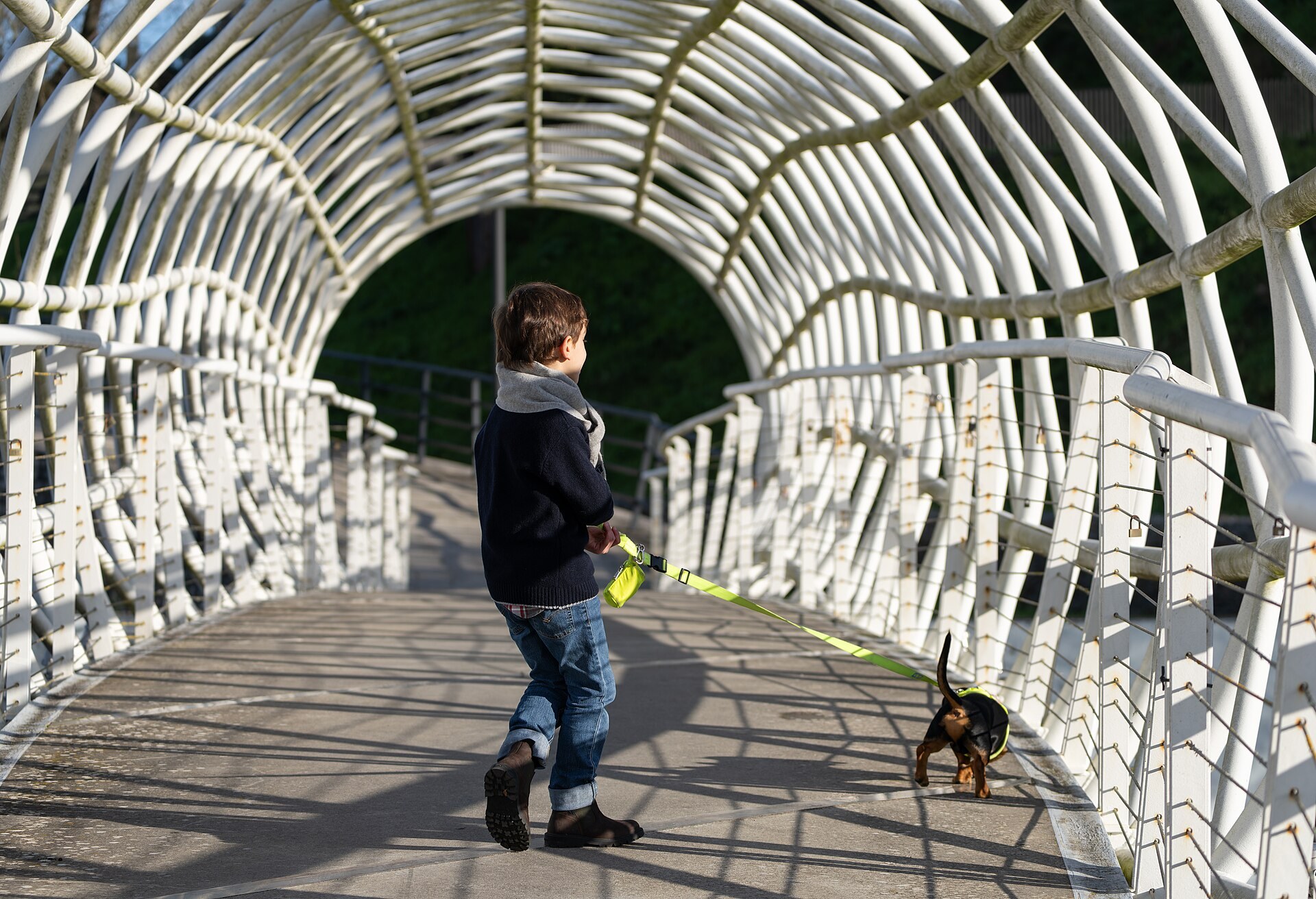
When I was underground, we were separated by earth but joined by attention. I could not see him, and he could not see me. Still, I knew when he was above me. I knew the tap of his spade. I knew the pause before he chose to dig. I knew when he trusted me to hold.
People talk about obedience as if the finest dog is the one that waits for every instruction. That would have made me useless. Matthias needed a dog who would enter alone, judge pressure, keep enough distance to stay alive, and speak truth through soil.
He did not love me like a child. He loved me like a man loves a sharp knife, a sound horse, a dry roof, a loyal friend who does not require speeches.
That was enough.
The Day I Learned Cost
Not every hunt ended cleanly.
One autumn, after heavy rain, we worked a bank that should have been avoided. The soil was swollen and treacherous, but a fox had gone to ground there after taking birds from a yard. I was set in because I was experienced and because experienced dogs are the ones sent when men are worried.
The tunnel ran narrow, then dropped. I found the fox in a side chamber and gave voice. The earth shifted while I worked him. Not a collapse, not fully, but enough to close the easy turn behind me.
For the first time since puppyhood, I felt the ground become too small.
I backed, hit soil, pushed, failed, barked once in anger, then forced myself still. Panic kills underground. Breath matters. Sound matters. I bayed steadily, not at the fox now, but for Matthias.
Above, the spade began.
I do not know how long it took. Time underground has no clock. There was only dirt in my mouth, fox stink ahead, pressure behind, my own lungs, and the far blunt bite of iron working down toward me.
When Matthias reached me, he hauled me out with both hands and fell backward into the mud with me against his chest. He cursed at me for frightening him. Then he held me there too long for a man who did not love dogs softly.
After that, I understood why breeders kept nerve in us, but also why the best handlers valued judgment. Courage alone is cheap. Courage with discipline is the expensive thing.
Old Age by the Hearth
Age came to me as stiffness in the morning.
My voice stayed strong longer than my shoulders did. That felt unfair. I could still tell the world what I intended; my body simply no longer agreed as quickly. Younger dogs began taking the deep work. I despised them until I realized they were making the same stupid mistakes I once made, which gave me something useful to do.
I corrected them in the yard. I showed them that scent begins before the hole. I snapped at one who chewed harness. I stood over another who tried to steal food instead of waiting. I listened when they entered the training tunnel and judged their voices with the severity of an old soldier watching boys march badly.
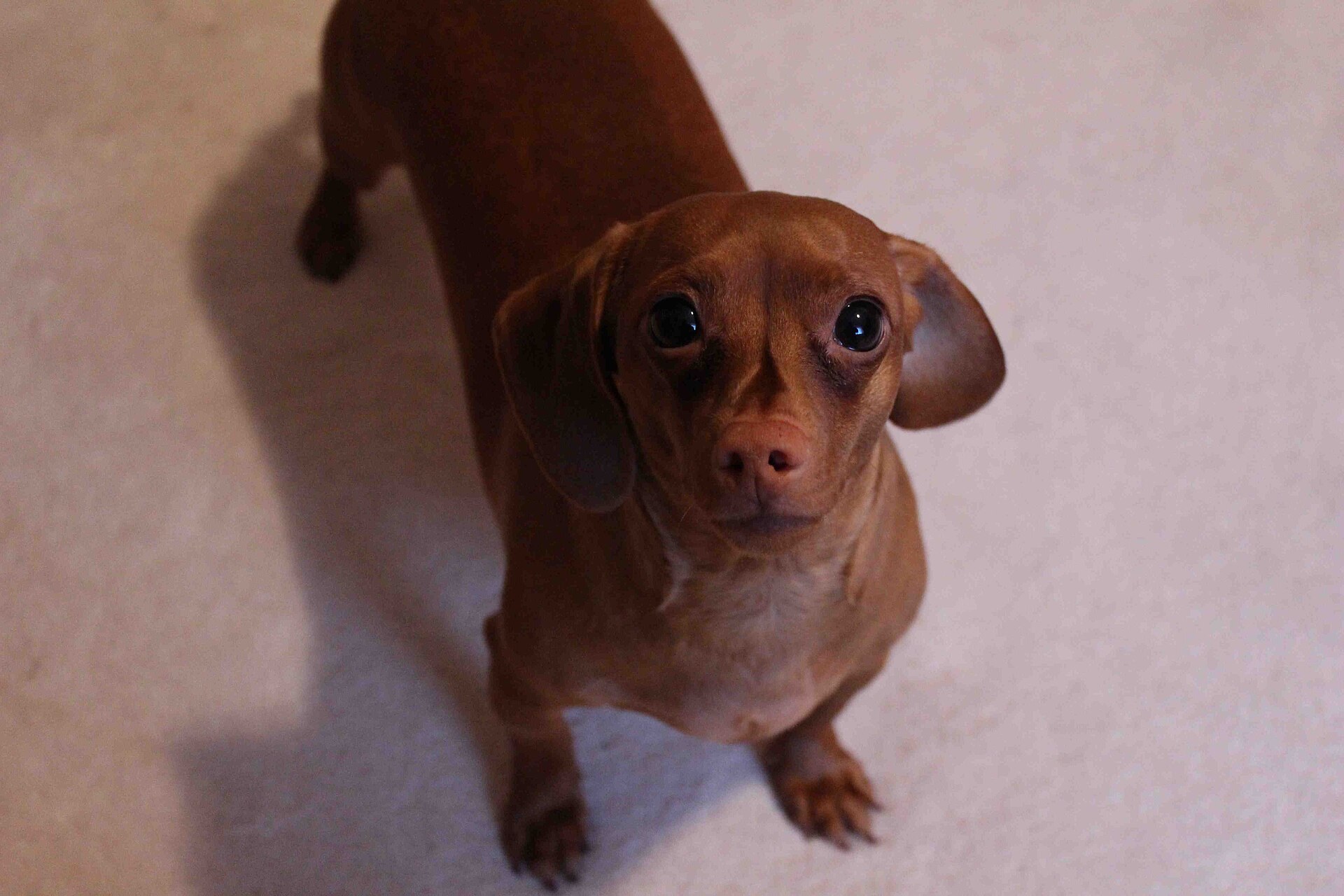
Matthias took me on easier days. Tracking above ground. Short checks near the village. Walks that pretended to be work because neither of us wanted to admit what they were.
I slept closer to the hearth then. The children liked me better old because I was less likely to knock them over with purpose. I let them touch my ears. I let them laugh at my shape. I had been inside enough earth not to care what children thought of my legs.
Sometimes I dreamed and barked in my sleep.
The younger dogs lifted their heads when I did.
What My Life Left Behind
I left no grand monument.
I left lines of dogs who carried my shape: low, long, loud, stubborn, clever, brave past the point of convenience. I left a handler who trusted small dogs more than strangers expected. I left fields with fewer mysteries, wounded game recovered, foxes bolted, badger setts read correctly, and hours of human labor saved by a nose close to the ground.
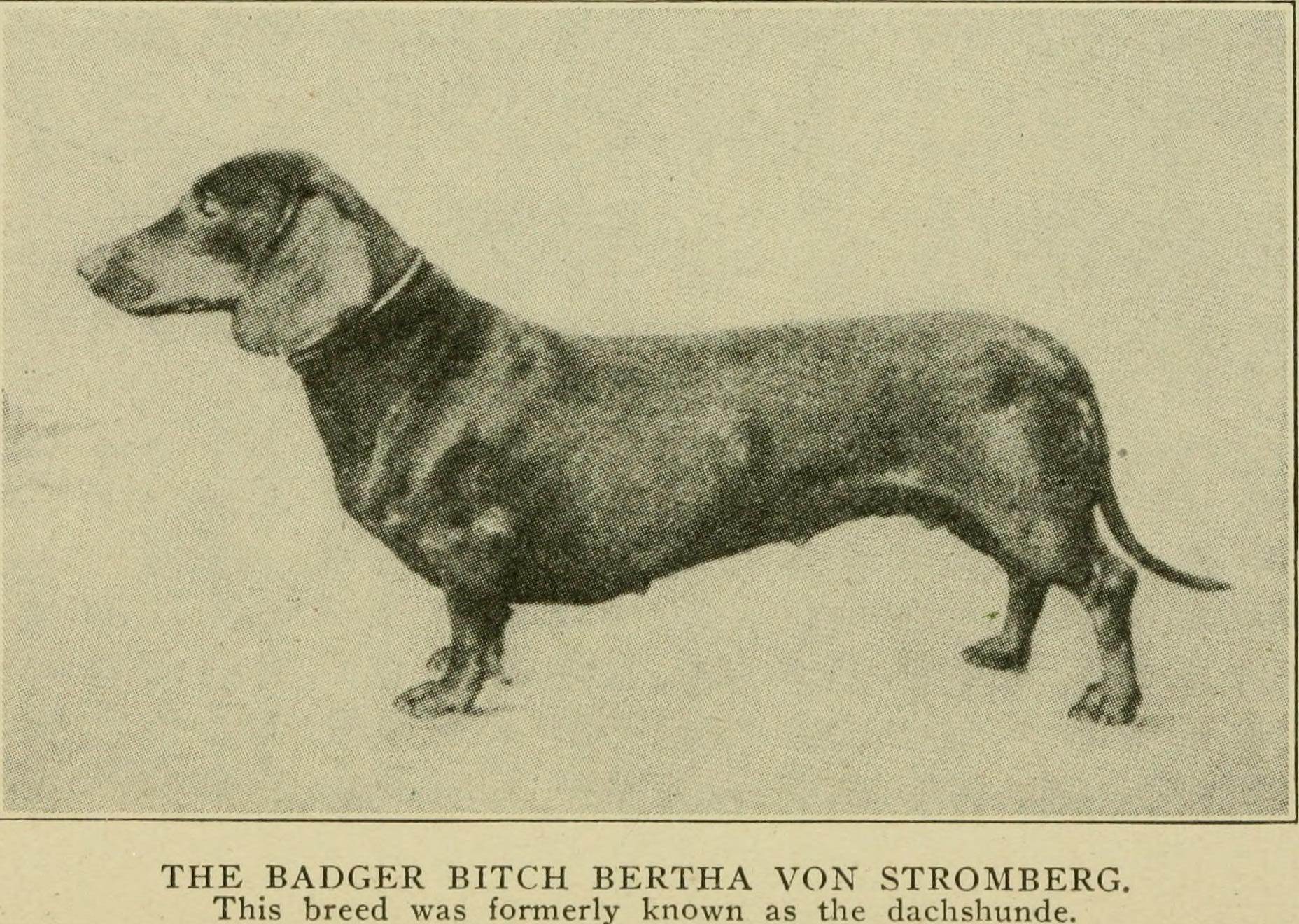
The Dachshund was created because people needed a dog small enough for the earth and strong enough for what lived there. They selected for a body that could enter burrows, a voice that could carry through soil, a nose that could solve hidden trails, and a temperament that would not fold when the tunnel turned dangerous.
Those traits shaped my whole life. I ate like a worker, slept like a worker, learned darkness early, trusted my own nose, argued when argument was useful, and bonded to a man who needed more than obedience from me.
Modern people see the long back, the bright eye, the absurd confidence. Some laugh. I do not mind. A dog who has shouted at a badger in the dark can survive being called funny.
But if you want to understand my kind, begin with the hole in the bank.
Kneel there in wet grass. Smell the cold earth breathing out. Hear the hunter go quiet. Hear the small dog enter where the man cannot.
Then wait for the voice underground.
That voice is the Dachshund's real history. Low, brave, loud, and useful.
Historical Grounding Notes
This Dogs Life article is a historically grounded reconstruction, not a claim about one documented individual Dachshund. It draws on established breed-history references describing the Dachshund as a German hunting dog developed for badger and other above- and below-ground work, with selected traits including a long low body, strong forequarters, scenting ability, courage, persistence, and voice.
The story does not claim veterinary, breeder, trainer, or hands-on hunting authority. Its purpose is to show how the breed's original work shaped daily life for a successful badger dog and what practical value that dog delivered to people at the time.