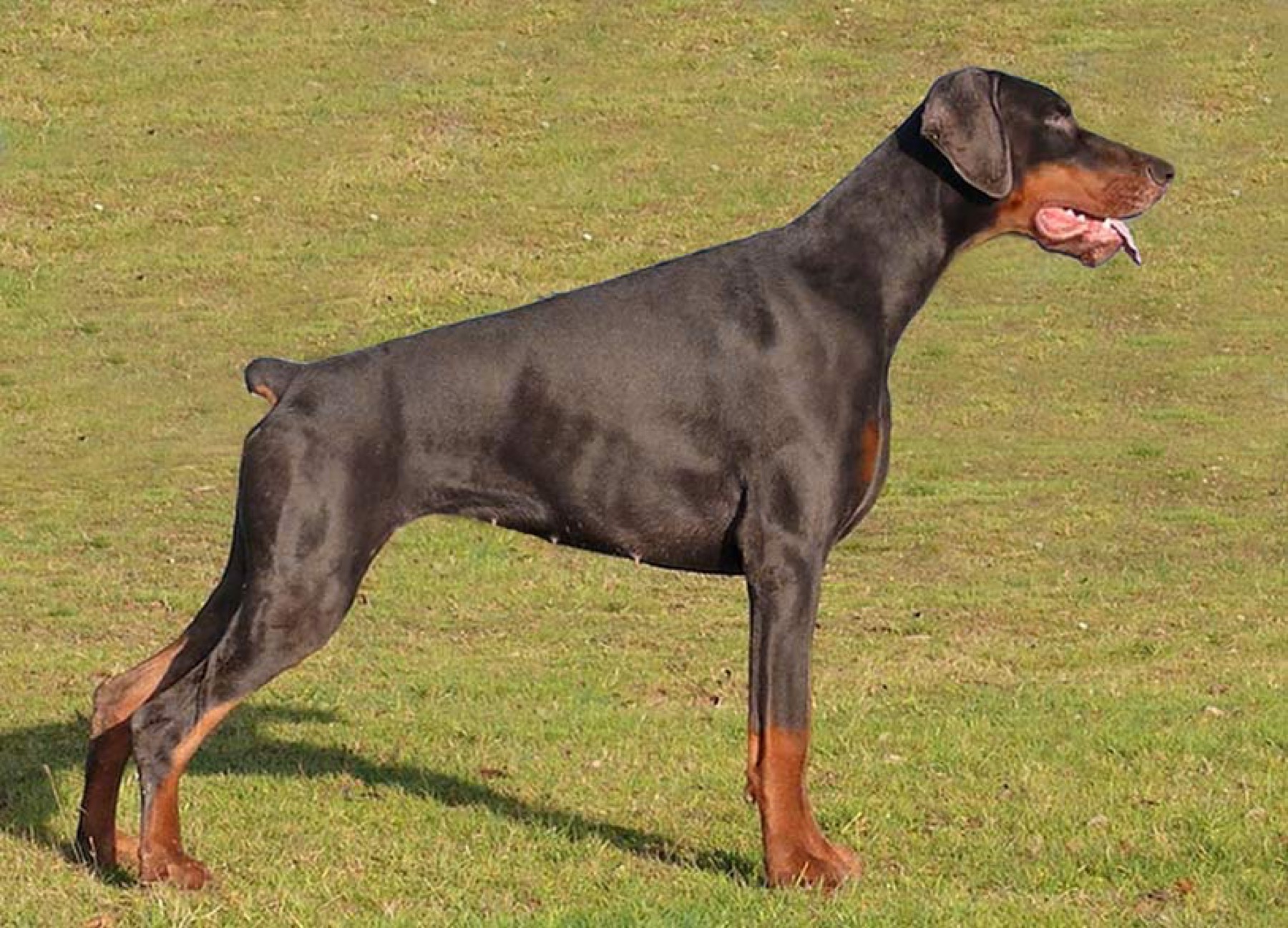
Dogs Life: Doberman Pinscher — A Purpose-Bred Life in Its Prime
I was born in Apolda with my eyes closed and my purpose already waiting.
It was the late nineteenth century, in the German state of Thuringia. The town smelled of coal smoke, damp stone, horse sweat, leather, and the sharp metal breath of its bell foundries. Beyond the last houses, roads ran between fields and wooded slopes. A man carrying public money on those roads could be watched, followed, and robbed.
My master collected taxes. His name was Karl Friedrich Louis Dobermann. He also worked in roles commonly described as night watchman and dogcatcher, which meant he knew both dangerous streets and the dogs available around them. He wanted something more exact than a large, noisy yard dog. He needed a dog that stayed close, read trouble early, obeyed under pressure, and made a would-be thief reconsider before steel ever left a pocket.
So men selected dogs for nerve, vigilance, strength, speed, trainability, and devotion to one handler. The exact recipe of breeds was never recorded with certainty. What mattered was the result: an athletic protection dog built to move beside a working man.
I was one of those early dogs. This is a historical reconstruction, not the biography of a documented individual. But the work, place, human need, and traits behind my life were real.
Born Behind the Dog Yard
My first world was warm milk, straw, and the shove of littermates.
Our mother slept lightly. Even while we climbed over her, one ear followed boots beyond the wall. When strangers entered, her body changed before she made a sound. Her head rose. Her mouth closed. Her weight came forward.
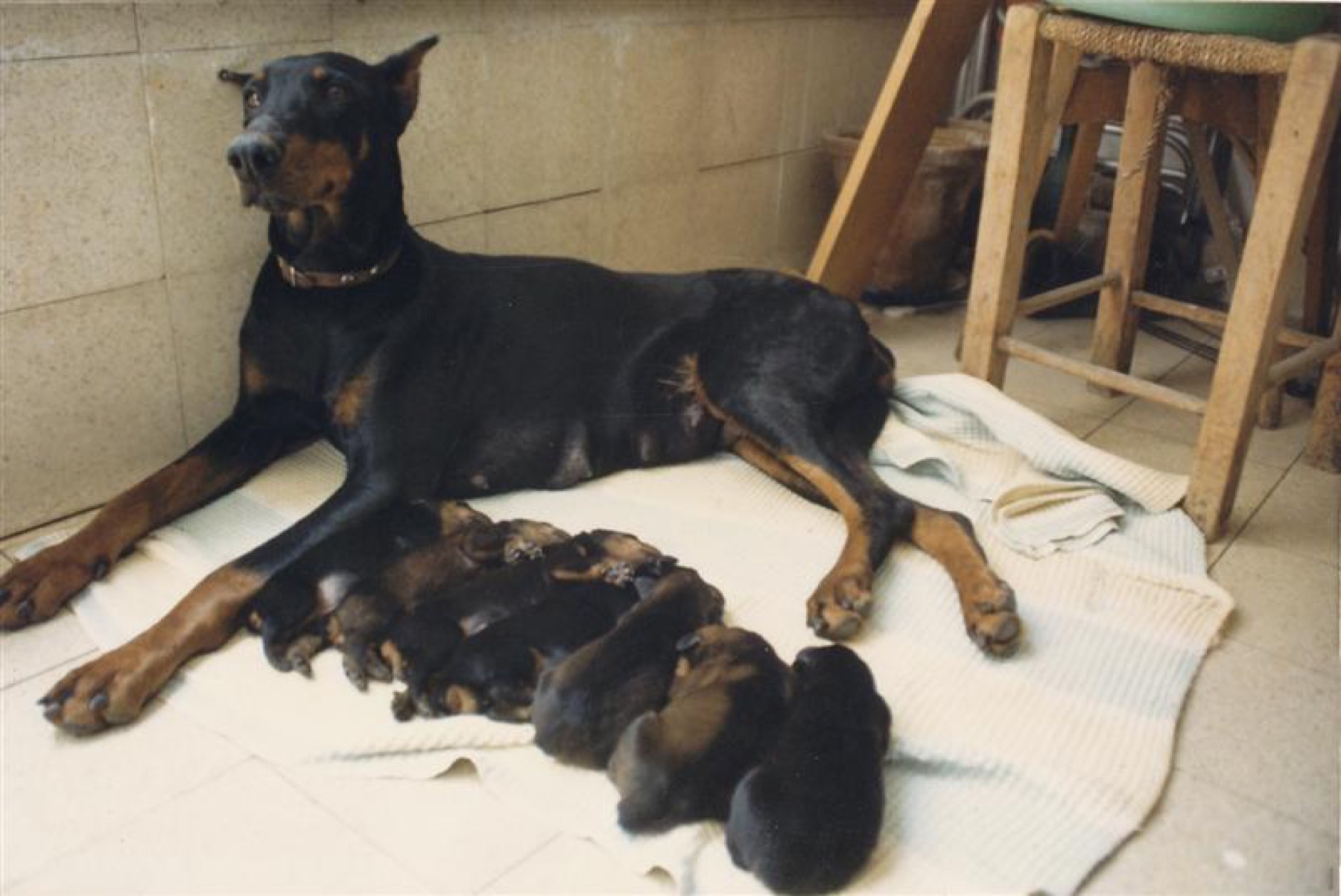
The people noticed such things. They did not choose only the biggest puppy or the darkest coat. They watched who recovered after a dropped pail, who approached a new person without shrinking, who followed a moving hand, and who could become excited without losing his mind. A protection dog needed courage, but courage without control was merely another danger.
I learned the yard by nose: wet rope, old wood, iron hinges, chickens beyond the fence. I wrestled hard, slept hard, and began to follow the man with the leather satchel. His boots had a particular rhythm. By the time my ears lifted, I could pick his step from all others.
He did not reward me for hating the world. He rewarded attention. That distinction shaped my life.
Learning to Walk at a Man’s Knee
My training began with ordinary discipline.
Come when called. Give way at a doorway. Stay where placed. Walk near the left boot without dragging ahead. Release what was in my mouth. Accept hands on my feet, shoulders, teeth, and collar. Wait while coins changed hands.
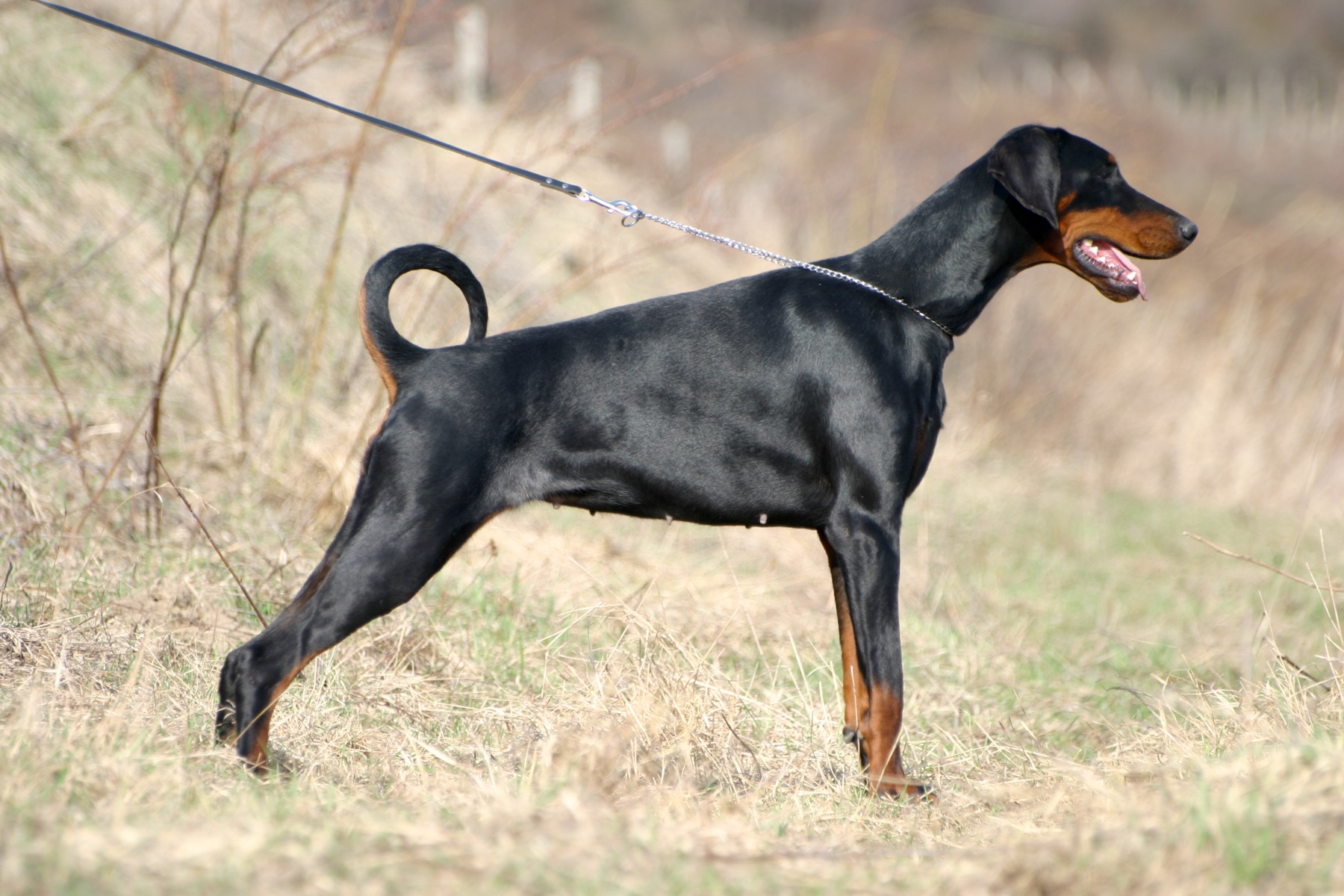
Only after those lessons held did the harder work make sense. My master taught me that alarm was not attack. A still body, a low warning, and my position between him and another man could solve a problem before violence began. If he relaxed, I was to relax. If he moved, I moved. If he ordered me back, I came back.
That demanded the traits people were fixing in my kind. I needed enough suspicion to notice the wrong approach, enough confidence not to panic, enough intelligence to learn patterns, and enough attachment to treat one man’s decisions as more important than my own excitement.
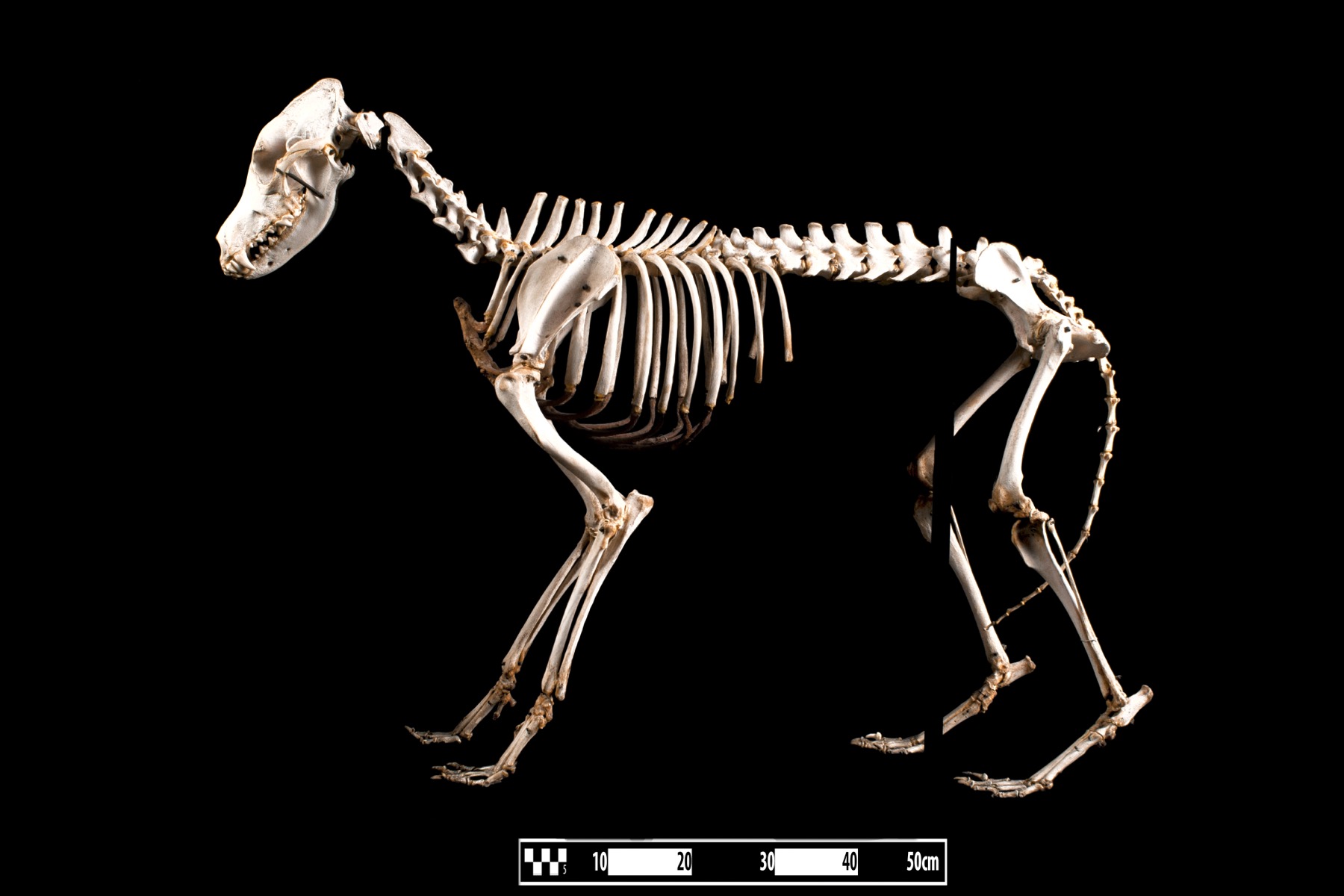
My body changed with the work. I grew deep through the chest but remained clean and quick. Long legs covered ground beside a horse or a walking man. A short, close coat did not collect burrs and mud like a heavy one, though it gave little comfort in hard winter rain. Strong jaws were part of the threat I carried, but speed and presence prevented more fights than teeth ever finished.
Why My Kind Had to Be Different
Europe already had mastiffs, shepherd dogs, terriers, pinschers, and cattle dogs. My master was not trying to preserve an ancient picture. He was solving a practical problem.
He needed a personal dog, not a dog left behind a gate. I had to work in public, pass carts and livestock, wait in offices and courtyards, then change instantly when a quiet road felt wrong. A lumbering dog could intimidate but might not keep pace. A frantic dog could sound an alarm but could not be trusted around taxpayers. A timid dog failed at the moment his purpose arrived.
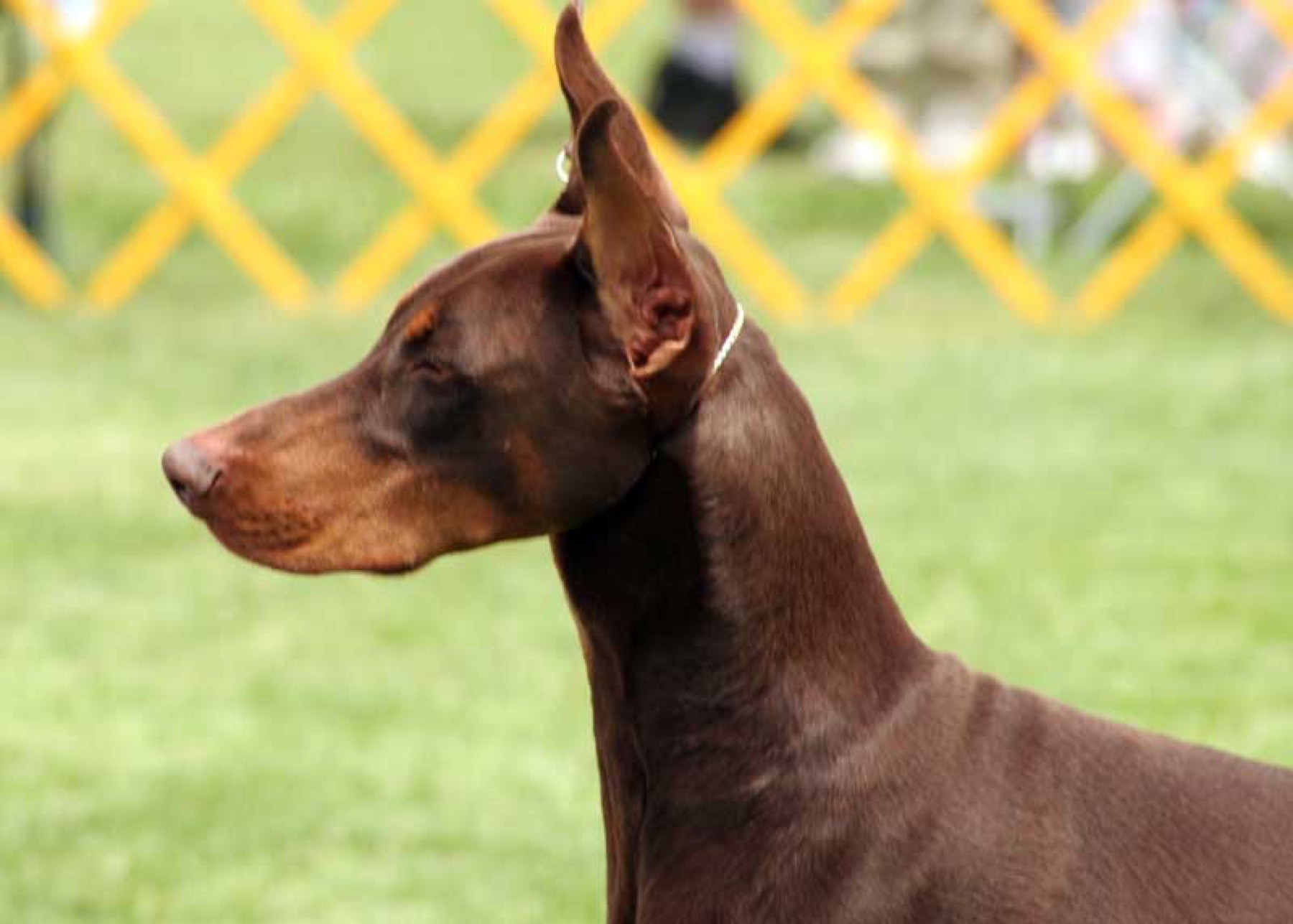
The desired combination was unusual: powerful but mobile, watchful but manageable, bold but closely responsive. Later breeders refined the outline and standardized the name. In Germany, the breed became the Dobermann, carrying its maker’s name. Elsewhere, “Pinscher” remained attached for years.
No honest historian can list every breed that went into us. Claims have included German pinscher-type dogs, butcher’s dogs that contributed to the Rottweiler, shepherd dogs, and later crosses used by breed developers. The records are too thin for certainty. The sure fact is selection by function: dogs that protected effectively and worked closely were bred forward.
Every trait changed my daily life. Alertness meant I never fully ignored footsteps. Attachment meant separation from my master felt wrong. Energy meant long roads settled me better than confinement. Sensitivity meant crude punishment could confuse what clear handling made precise. My gifts were not decorations. They were demands.
The Leather Satchel
When I reached working maturity, the satchel became part of our mornings.
My master checked its strap, his coat, and my collar. We left Apolda while shop shutters were opening. Iron-rimmed wheels struck the road. Bakers swept their thresholds. Then the town thinned, and the sounds behind us gave way to crows and our own footfalls.
I did not understand taxes. I understood routine and tension. At one house a farmer might complain loudly and then count coins with red hands. At another, a door opened only a crack. My master had to look at papers and money; while his eyes were occupied, mine were free.
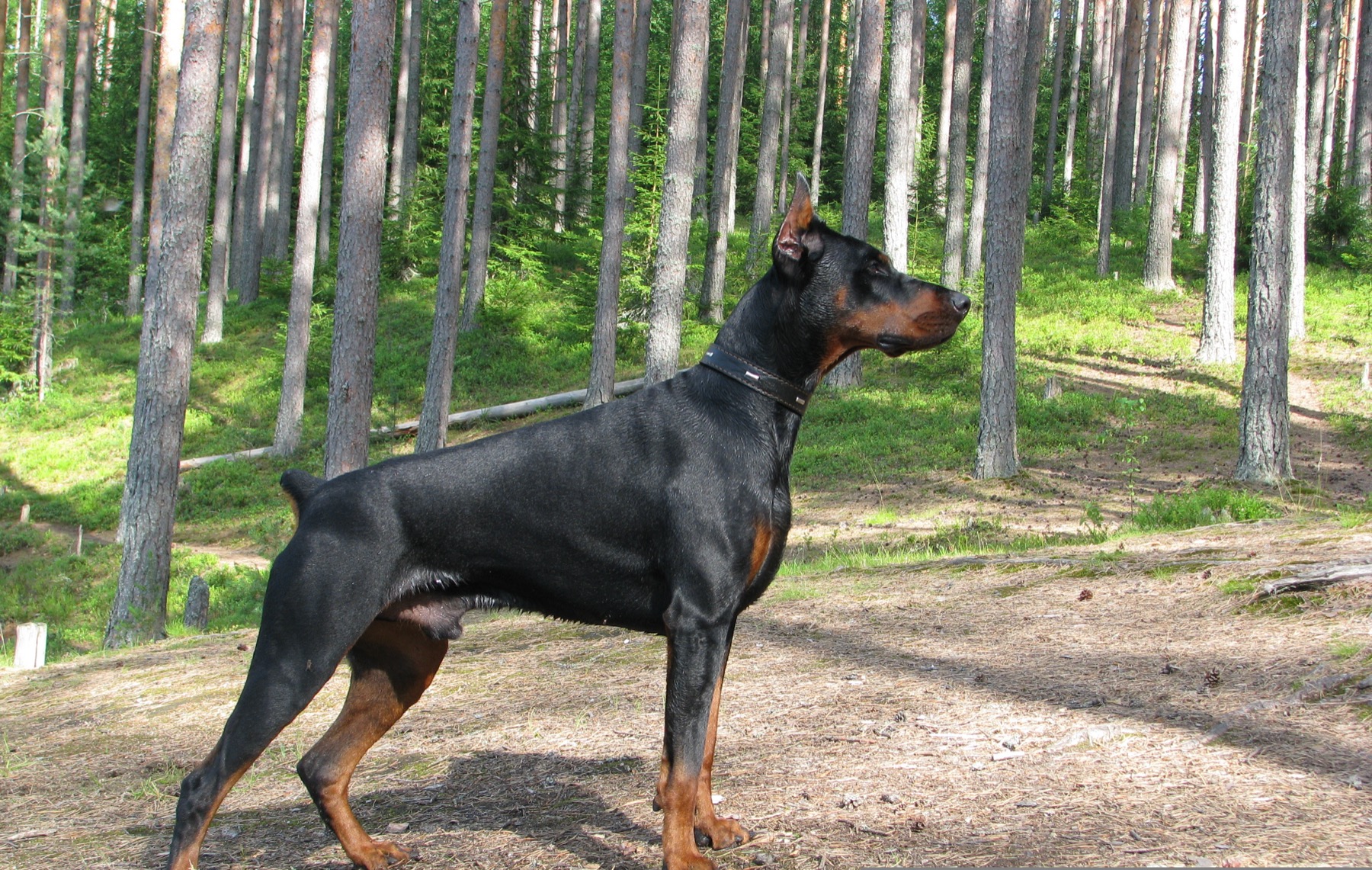
On the road, I worked ahead and beside him in small adjustments. I checked a hedge where a scent was fresh. I turned when gravel moved behind us. When travelers approached normally, I yielded space and watched. When one angled toward the satchel instead of passing, I stepped between.
That step was my real product.
It bought my master distance and time. It told a stranger he had been seen. It let a man carrying money continue his route with less need for another armed escort. My value was not measured by how often I bit. It was measured by how often nothing happened because I was there.
The Road Through the Trees
One autumn evening, we returned late from villages west of town. Rain had darkened the trunks. Water ticked from beech leaves, and the road held the smells of every cart that had passed.
I caught one scent twice.
The first time it crossed behind us. The second time it waited ahead.
I slowed. My master felt the lead change and stopped without scolding. A man stepped from the trees as if he had simply chosen that moment to rest. Another shape remained farther back.
My master moved the satchel behind his leg. I moved in front of it.
The stranger spoke lightly, but his hand stayed inside his coat. I did not lunge. I stood tall, mouth closed, weight forward. When he took one step nearer, I gave a single bark from the bottom of my chest.
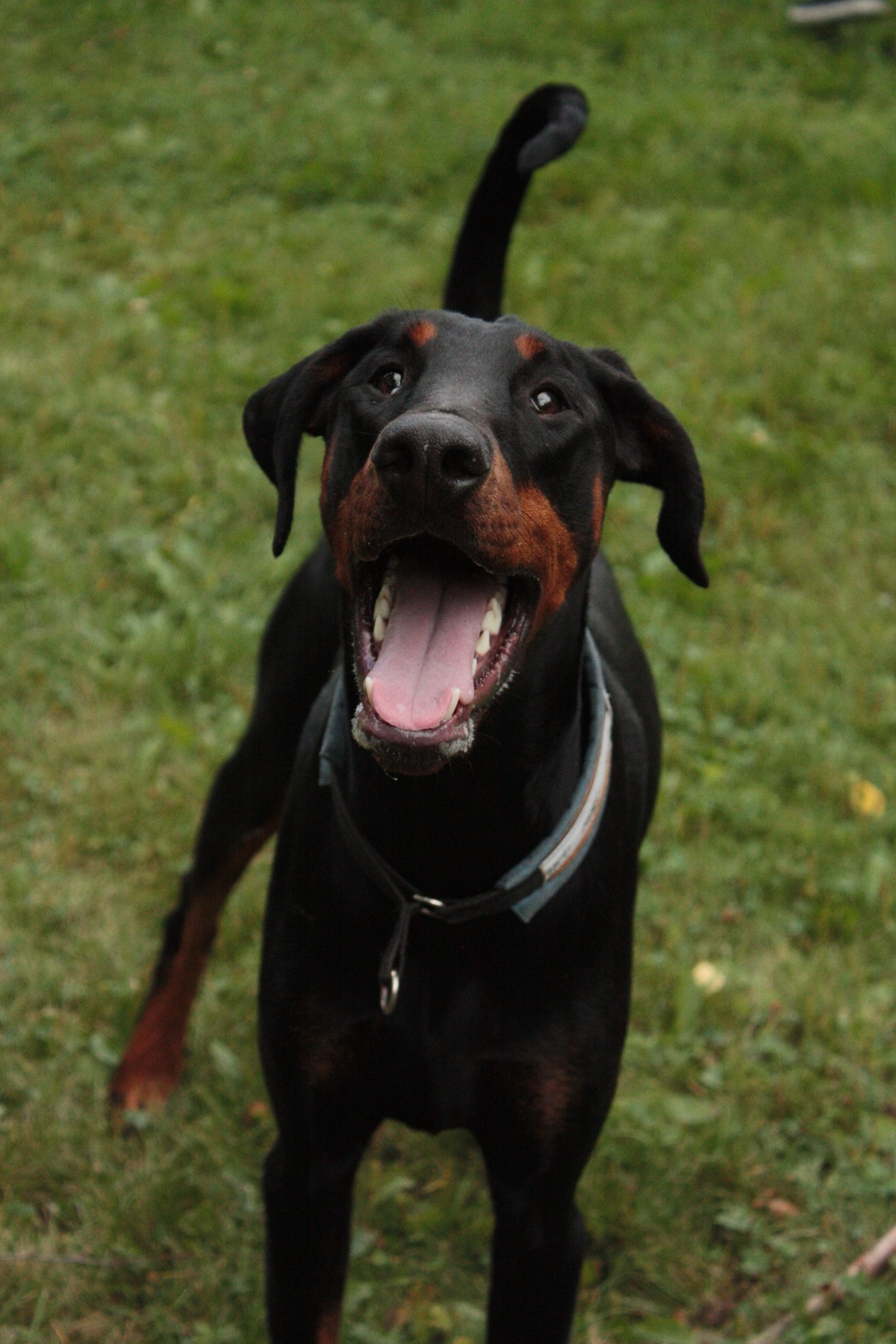
He stopped. The second shape withdrew first. Then the man on the road laughed without humor, called me an ugly devil, and backed into the trees.
We walked on. My master kept one hand on my collar until the town lights appeared. He said my name once, quietly.
No heroic battle followed. No robber fell bleeding in the mud. That was success. A working protection dog’s finest victory is often the violence that never begins.
My Prime Was a Partnership
In my strongest years, I could travel all day and still rise at a sound after dark. Yet muscle alone did not make me useful. My master and I had accumulated hundreds of small agreements.
I knew when his anger was business and when it meant danger. He knew the difference between my interest, uncertainty, and warning. If my nose lifted toward a harmless dog, he kept walking. If my head locked toward a hedge, he looked too.
That mutual reading made us more capable than either of us alone. He understood money, law, addresses, and human lies. I understood scent, movement, distance, and the instant before a body committed itself.
The same closeness could make my kind difficult in careless hands. We were bred to notice, to act, and to remain near our people. Left without work or guidance, those qualities did not vanish; they found their own employment. But in a disciplined partnership, they saved time, reduced fear, protected property, and gave one man the confidence to do a risky public job.
When My Legs Began to Slow
Age arrived first in the cold.
My close coat had never been generous, and now winter entered my joints. I still rose when the satchel moved, but my back legs took longer to gather beneath me. On steep roads, my master shortened his stride without admitting why.
Eventually a younger dog came with us. He was all angles, appetite, and certainty. He watched me as I had once watched older dogs. I showed him the useful things without kindness: do not waste breath on every cart; do not crowd the man at a doorway; do not chase what leaves the road; believe the nose, but wait for the hand.
My work narrowed. I guarded the house and yard. From the doorway I recognized the returning boots before anyone else. The young dog ranged farther, but when he came home he smelled of the same roads.
I did not feel discarded. A purpose-bred dog understands usefulness in many forms. In youth, I carried threat beside the satchel. In age, I carried memory. My presence taught the next dog how calm a guardian could be.
One evening my master sat beside me on the step and rested his hand over my ribs. The bells of Apolda sounded across the roofs. I had heard them as a puppy, as a young fool straining at a collar, as a dog in his prime returning with the money safe. Now I heard the space after each strike.
The Life That Continued After Mine
Louis Dobermann died in 1894. The breed he began did not end with him. Other breeders developed and standardized it, and dogs carrying his name moved into police work, military service, guarding, sport, and family life around the world.
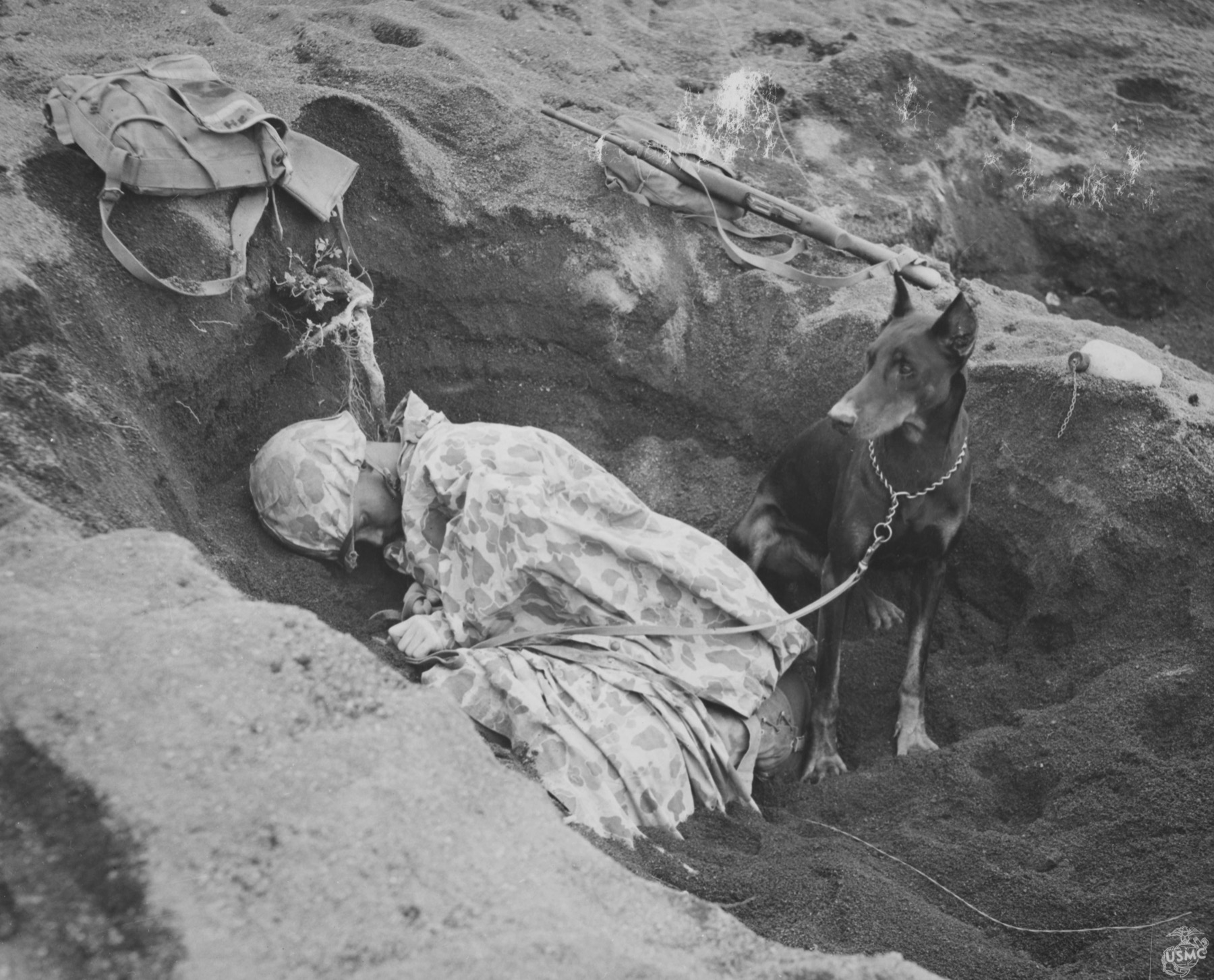
Decades later, Dobermans would stand watch beside soldiers in places my master never knew. Their jobs changed, but the old combination remained recognizable: athletic power, quick perception, courage, trainability, and attachment strong enough to make another person’s safety feel personal.
People sometimes remember protection dogs by their teeth. They should remember the roads.
Remember the working man who had to carry money where help was not close. Remember that a dog could extend his awareness beyond human hearing and sight. Remember that controlled presence could prevent a confrontation, and that partnership could make dangerous work ordinary enough to finish before supper.
I was bred because one man needed to come home with his satchel and his skin intact. I gave him warning, deterrence, companionship, and courage he did not have to carry alone.
That was my work. That was my successful life. And every time one of my descendants stands quietly between a human and danger—waiting, watching, under control—the old road out of Apolda opens again.
Historical Notes Behind the Story
- Karl Friedrich Louis Dobermann lived in Apolda, Thuringia, and is credited with creating the foundation of the breed in the late nineteenth century.
- Breed histories commonly connect his work collecting taxes—and his access to dogs through other municipal roles—with his desire for a capable personal protection dog.
- The exact ancestral mix is not documented well enough to state as fact. This story therefore describes functional selection without pretending there is a settled breed recipe.
- The road encounter and narrator are reconstructed. They illustrate the credible deterrent role for which early dogs were developed; they are not presented as a documented incident.
- Modern Dobermans vary by breeding, training, health, and individual temperament. Historical purpose does not guarantee modern behavior.
Frequently Asked Questions
Why was the Doberman Pinscher originally bred?
The breed was developed in late-nineteenth-century Apolda as a close-working personal protection dog. Louis Dobermann’s tax-collection work is traditionally cited as the practical need: he wanted an alert, courageous, athletic, trainable dog to accompany him on potentially dangerous rounds.
Was Louis Dobermann really a tax collector?
Established breed histories describe him as a tax collector and associate him with other municipal work, often including night watch and dogcatching. Some details vary between accounts, so the story uses only the broad points repeated by major breed references.
Which breeds created the Doberman?
There is no complete, reliable breeding record. Several breeds and local dog types have been proposed, but exact recipes are speculation. What can be said confidently is that early developers selected for protection ability, courage, alertness, athleticism, and handler responsiveness.
What practical value did an early Doberman provide?
The dog offered early warning, visible deterrence, close protection, and companionship on risky routes. Its presence could reduce the chance of an attack and help one person travel and handle money with greater security.
Is this the true story of one historical dog?
No. It is a disclosed historical reconstruction narrated by a fictional representative dog. The setting, breed purpose, and working context are grounded in published histories; the private moments and road incident are narrative devices used to show how that purpose affected a dog’s full life.