Dogs Life: Jack Russell Terrier — A Purpose-Bred Life in Its Prime
I was bred to go where the hounds could not.
They carried the fox's line across pasture and covert, a great moving cry beneath horses and red coats. But when the scent ended at a dark hole in a Devon bank, the whole field could be stopped by one animal underground. That was when my owner dismounted, opened the terrier bag, and set me on the earth.
I was small enough to enter. I had the courage to keep going, the nose to find what I could not see, and the voice to tell the men above where the work had gone. My task was not to kill blindly. A useful foxing terrier was expected to locate and hold the fox at bay so men could dig to the right place or send the quarry out for the hounds. Courage without sense could bury a dog. Silence could leave him lost. Too much size could leave him wedged.
That is why my kind was made as we were.
Born in the Sporting Parson's Shadow
I was born in Devon in the last quarter of the nineteenth century, after the Reverend John Russell had spent decades breeding the white-bodied working terriers that carried his name. I never knew the parson. His famous first terrier, Trump, belonged to an earlier generation. But his idea lived in dogs like my dam and sire: a fox terrier made for work, not merely for a show bench.
Our coats were mostly white so a huntsman could distinguish dog from fox in confusion above ground. Tan or black markings might sit on the head or tail. Some coats were smooth, some rough, some broken between the two. A weather-resistant jacket mattered in wet hedges and cold earth, but no coat was worth much if the body beneath it could not follow a fox.
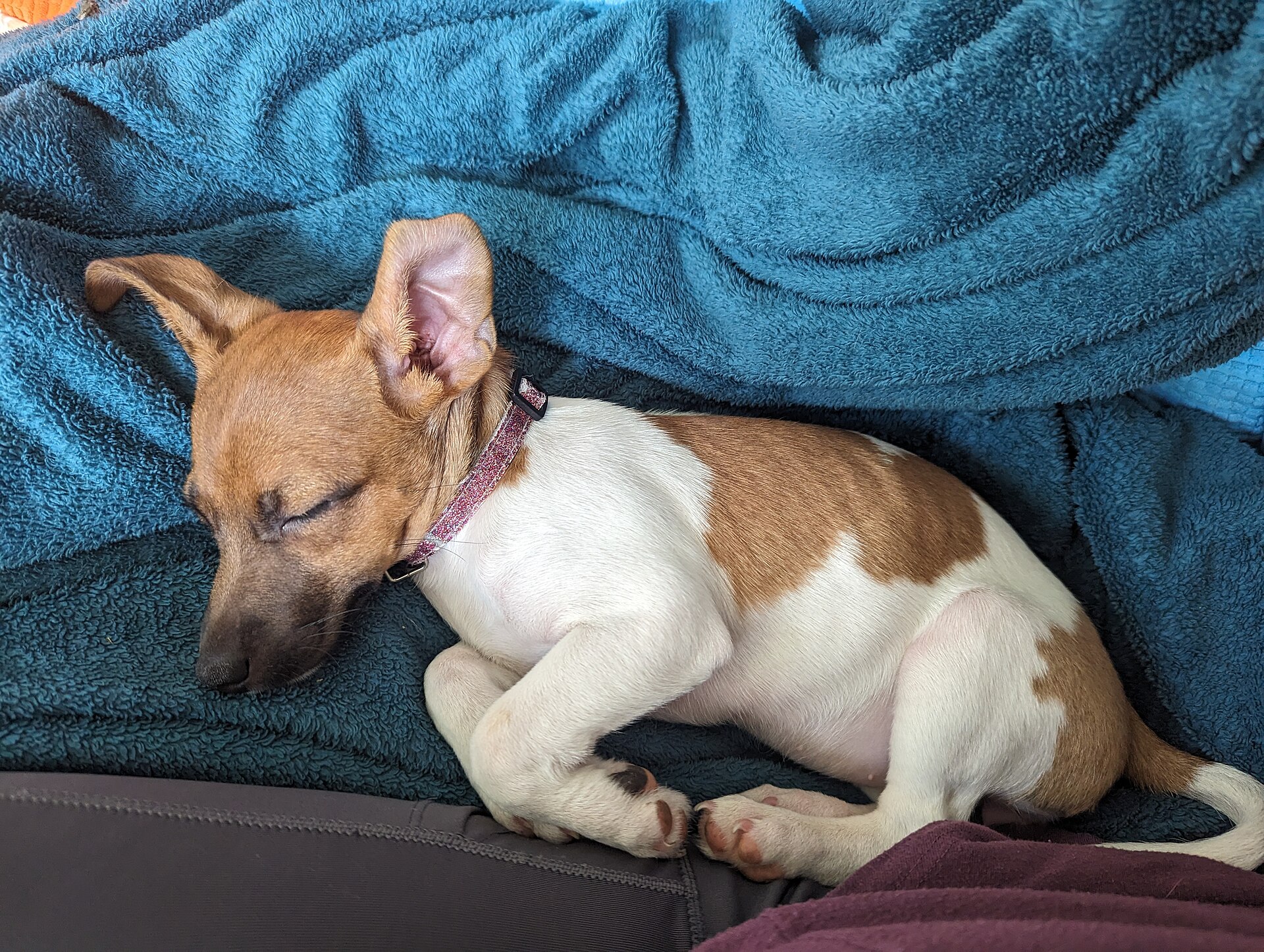
There were four of us in the litter. From the beginning, people watched more than our markings. Which pup pushed through the straw to investigate a new smell? Which recovered after a pan clattered? Which followed a dragged scrap into shadow and used his voice when it vanished? The boldest pup was not automatically the best. A fool runs into danger because he does not understand it. A working terrier must understand enough to go anyway.
My owner chose me because I was curious, quick to recover, and loud when frustrated. He put two fingers under my jaw, studied my chest, and said I might fit.
Fit was not vanity. Underground, inches could decide whether I worked or suffocated.
Learning the World Above Ground
My first education was ordinary: my name, the whistle, the stable yard, horses' legs, hounds' noise, and the command to come away when every nerve told me to continue.
The kennels smelled of damp straw, iron bowls, old leather, and many dogs. Hounds crowded one another with deep voices. Horses struck sparks from cobbles and breathed clouds into winter air. I learned not to dart under a hoof. I learned that the horn changed men's posture before it changed anything else. I learned my owner's bootstep among a dozen.
He did not want a terrier that fought the pack or worried livestock. Gameness had a boundary. My fire belonged to the quarry and the job. A dog who spent it on kennel quarrels was wasting the very thing he had been bred to give.
The hounds taught me the larger hunt. Their noses owned the open line; mine had to solve close darkness. I ran near them on short exercises, then rode in a leather terrier bag or followed with a terrier man when distance demanded it. The horses covered country faster than my short legs should have allowed, yet stamina still mattered. A terrier arriving winded was no use at the earth.
My owner introduced me to pipes and shallow artificial tunnels before he trusted me in a natural earth. He let me investigate. He listened for my bark. He called me out. That last lesson was the hardest and perhaps the most important: courage had to remain connected to obedience.
The Nose, Chest, Coat, and Voice They Chose
Humans often call a Jack Russell brave as though bravery were the whole recipe. It was only one ingredient.
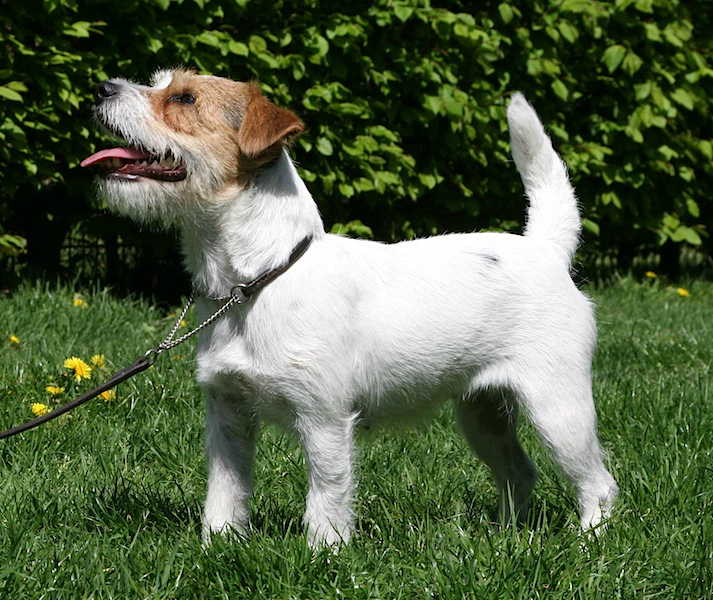
My nose had to carry a fox's hot, musky scent through roots, stale soil, and the smells of rabbit and badger. My ears folded close enough to keep out loose earth. My eyes were dark and protected rather than exposed. My jaws were strong, but the point was persistence and control, not reckless combat.
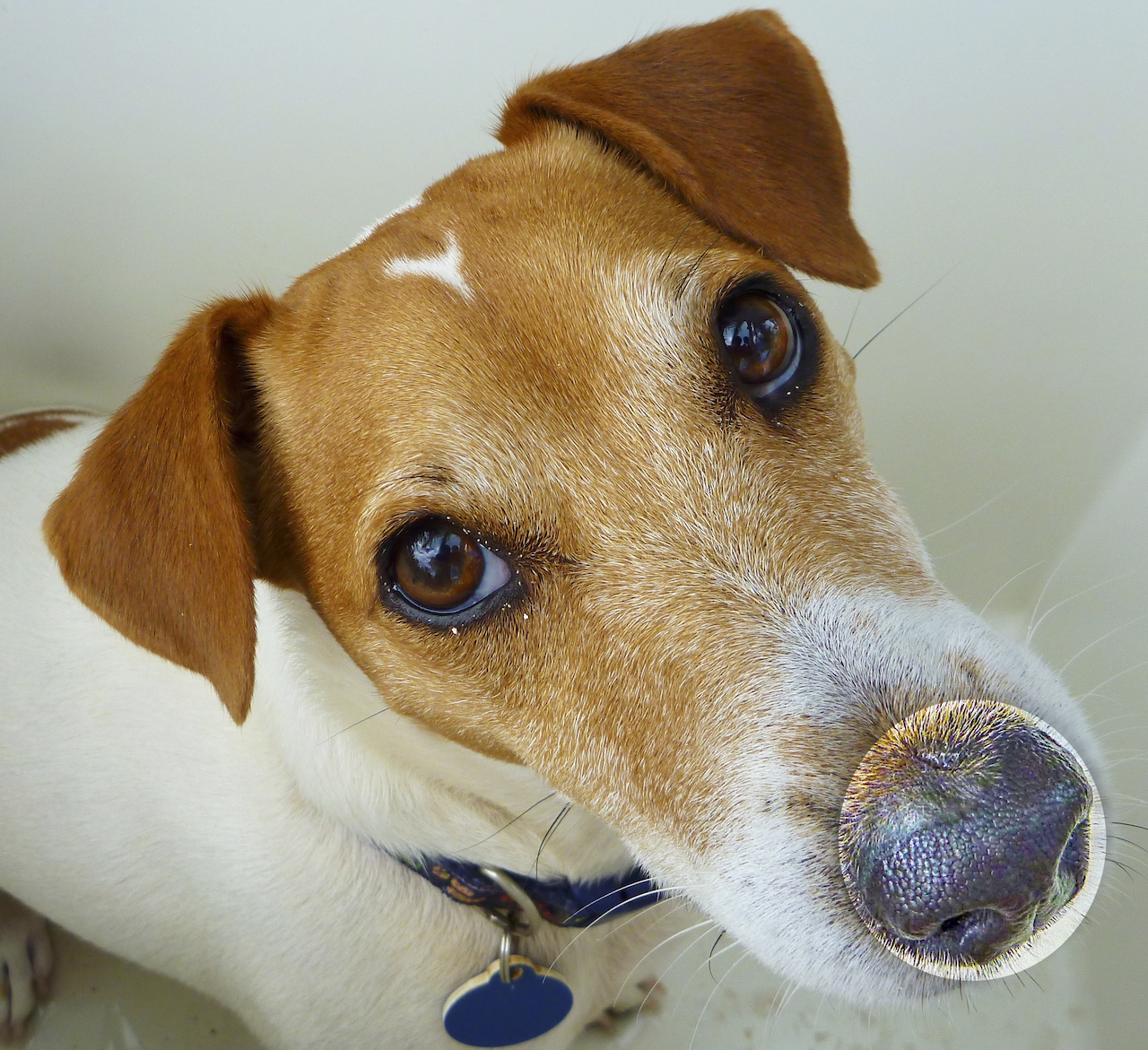
My chest was narrow and flexible enough for tight passages. My legs gave me useful speed above ground without making me too tall below it. A tail of practical length gave the terrier man something to grasp in an emergency, though pulling any dog from an earth was no neat trick. My white body made me visible when I burst from cover. My coat turned some rain and shed dirt after it dried.
Then there was my voice.
Above ground, barking can sound like mere noise. Underground, it became information. Men pressed an ear to the soil and listened. My bay told them I had found the fox. A changing sound suggested movement. Silence might mean I had shifted, become blocked, or come to harm. Before electronic locators, the terrier's voice and the men's judgment were the map.
We were also bred for sense—the difficult virtue. I needed enough independence to work beyond sight, enough steadiness not to fling myself uselessly forward, and enough obedience to leave when called. Too timid, and I would not face the dark. Too hard, and I might ruin the hunt or myself. The finest balance lived somewhere between.
My First Fox
My first true earth lay in a bank under thorn roots after rain.
The hounds had driven across two fields, checked at a lane, recovered the line, and carried it into a small covert. Then their music tightened around the bank. Men shouted them back. Horses steamed. The terrier man knelt, found the entrance, and looked at my owner.
I remember his hand on my ribs. I remember wet soil and fox scent rising together. Then the daylight narrowed behind me.
The passage scraped both shoulders. Roots combed my back. I moved by smell and touch, pushing loose earth behind me. The fox was ahead: alive, close, and dangerous. I could not see him until a pale wedge of face appeared beyond a turn.
Every selected piece of me arrived at once. I wanted forward. Training held me at a workable distance. I barked.
The sound struck the tunnel and came back into my own skull. Above, boots moved. A spade bit soil. I held my place, barking, shifting when the fox shifted, refusing to leave but not rushing into teeth I could not avoid.
At last, light broke through from above. The men opened the earth carefully. The fox bolted from another mouth, the hounds spoke, and the hunt moved away. My owner lifted me out mud-black except for my head.
He checked my eyes, mouth, feet, and breathing before he praised me. That mattered. A terrier's courage was valuable; the good handler did not treat it as disposable.
My Working Prime
In my best years, I learned to read a stopped hunt before any man reached for me.
The change began in the hounds. Their flowing cry broke into questioning notes. The field compressed. Riders watched the huntsman. Somewhere near a bank, drain, quarry, or rocky earth, the fox had gone from a moving scent to a hidden body.
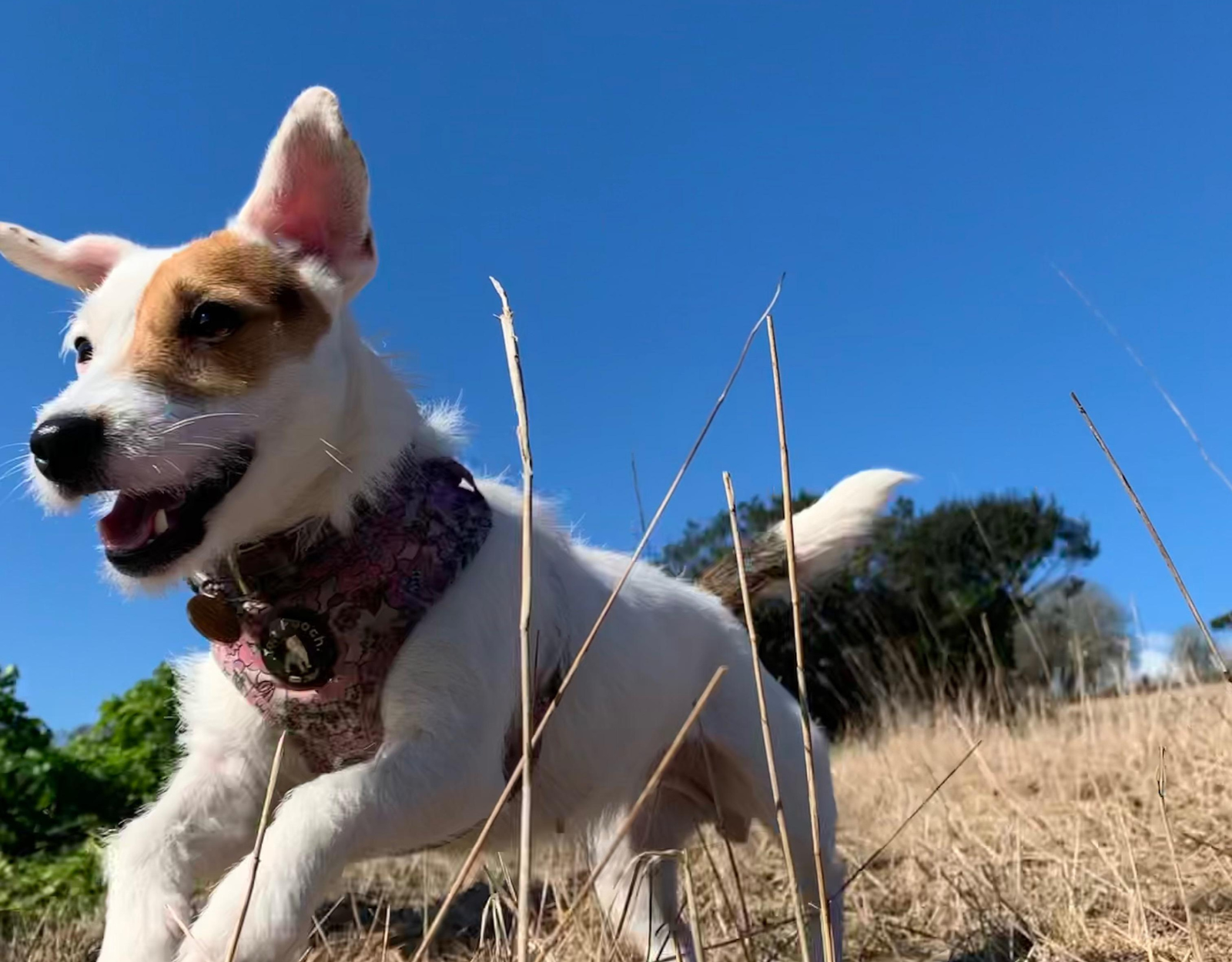
My daily value was precision. Fifty hounds, a field of horses, and hours of human effort could be held by one earth. I could enter the place built to exclude them. My bay could locate the fox more accurately than digging at random. When the quarry was bolted, the hunt could continue. When it could not be reached safely, sensible men could stop before collapsing the earth on dog and fox alike.
Not every day ended dramatically. Sometimes an earth proved empty. Sometimes scent failed. Sometimes the fox had passed through. A working terrier earned trust by telling the truth with his behavior, not by manufacturing excitement.
I also killed rats around feed stores and stable walls, work without horns or spectators but with obvious value. Rats spoiled grain, fouled stores, and multiplied wherever horses and hounds were fed. My quick reactions and determination served the yard as directly as my underground work served the hunt.
The traits chosen for foxing governed the rest of my life. I noticed every hole. I pursued movement. I investigated hedges other dogs passed. After a working day, I slept hard by the stable stove. On an idle day, I found my own business, which was rarely the business humans preferred.
Purpose did not switch off when the hunt coat came off.
The Man at the Other End of the Job
My owner was called Will. He worked horses better than he spoke to people. His hands smelled of saddle soap, tobacco, and earth. He knew the local coverts, which drains ran clear, which banks had old rabbit holes, and which earths became dangerous after heavy rain.
Our partnership was not soft, but it was close. He carried me when the pace was too great, fed me before he fed himself on late returns, and put a finger along every rib after hard work. I watched his face before entering. If he was calm, I was steadier. If his urgency rose, mine rose with it.
He trusted me underground because he could not command every decision there. I trusted him above because he was the one who listened, dug, and brought me back into daylight.
That exchange was the heart of the work. Selective breeding put courage, nose, voice, and persistence into my body. Training gave those forces shape. Partnership made them useful.
Will never called me a hero. Men who depend on animals often save their grand words for animals they do not know. He called me a good dog when I deserved it. I preferred that.
What Courage Cost
The old work carried risks, and history should not polish them away.
Earths collapsed. Dogs became stuck or lost. Foxes defended themselves. Badgers occupied holes a young terrier might enter without understanding the difference. A narrow chest helped, but no body made underground work safe. The same determination that made a dog valuable could keep him in danger after retreat would have been wiser.
Handlers varied too. Some respected the terrier and quarry; others prized hardness beyond sense. My life story describes the useful ideal, not every practice carried out in its name.
Modern fox hunting is legally restricted in Britain, and contemporary terrier work, where lawful, sits under different rules and welfare expectations. This story belongs to an earlier working world. It explains the breed's formation; it does not instruct anyone to recreate the hunt.
The honest truth is that humans selected an animal willing to enter a place humans could not safely follow. We gave them access, information, and control. In return, a decent handler owed us judgment.
Old Bones by the Kennel Door
Age announced itself on cold mornings. My back took longer to straighten. The terrier bag felt better than running beside the horses. Will began carrying a younger dog, bright-eyed and certain that every hole had been dug for him personally.
At first, I hated him.
Then I watched him make my old mistakes: crowding too close, spending his voice before he had found anything, forgetting the recall because the scent had become the whole world. Will corrected him. I growled when he climbed over me by the stove. Between us, he improved.
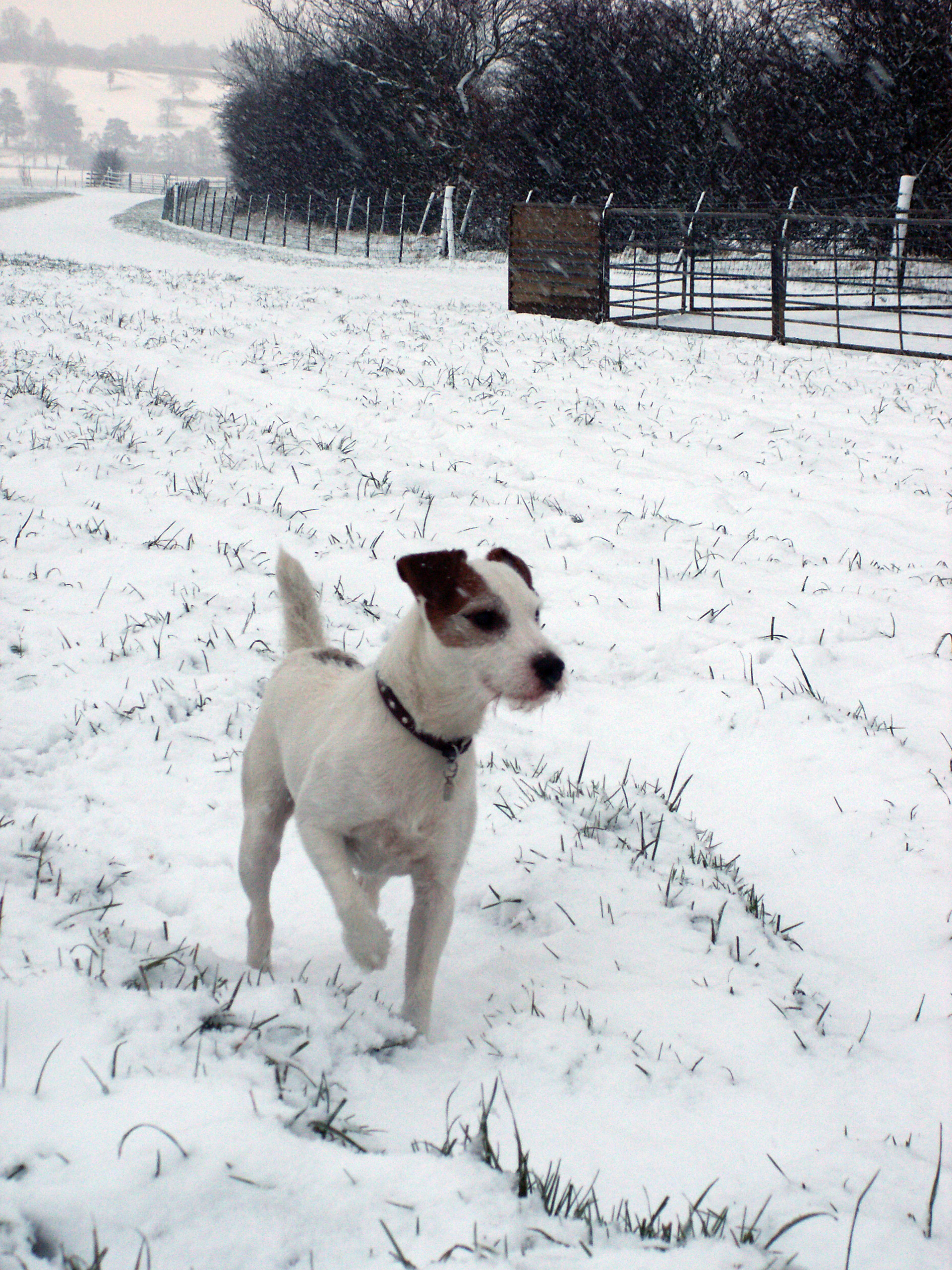
I still worked the stable yard. Rats did not care about my gray muzzle. I still inspected tack-room corners and woke at the horn. On easier days Will took me along, but his hand held me back when the ground was dangerous. A younger dog entered. I listened from above.
That was the hardest part of old age: knowing exactly what work needed doing and feeling another body sent to do it.
Yet retirement was not emptiness. I had warmth, familiar horses, kennel noise, and the man whose silences I understood. I had earned the right to lie where the stable sun crossed the boards.
What I Left Behind
I left no monument, only usefulness carried forward.
Perhaps one of my pups inherited the narrow chest. Another, the clear bay. One might have had my sense about when to hold and when to give ground. Breeders kept dogs that could do the job, and working reputation traveled farther than pedigrees among practical men.
The Jack Russell Terrier was created because mounted foxhunting had a gap in it. Hounds could pursue across country, but they could not enter a fox earth. A small, predominantly white, courageous, vocal, scent-driven terrier could. That dog saved time, guided digging, bolted quarry, controlled vermin, and allowed humans to complete work their own bodies could not perform.
The bargain shaped everything about me: my size, chest, coat, color, nose, voice, independence, appetite for pursuit, and refusal to quit. These traits gave Will real value. They also made stillness possible only after purpose.
People later argued over standards, names, leg length, and show rings. Those arguments came after the essential fact. Before I was a type on paper, I was a dog expected to fit into darkness, speak from under the earth, and come back when the work was done.
That is the life I remember: hounds in full cry, leather creaking, wet Devon soil, Will's hand at my ribs, and the small black entrance where the whole wide day narrowed to the job I had been born to do.
Historical grounding notes
This is a historically grounded fictional reconstruction, not the biography of a documented individual dog. The narrator is placed in late-nineteenth-century Devon, within the working tradition associated with the Reverend John “Jack” Russell (1795–1883), an English clergyman, fox hunter, and breeder of working fox terriers.
The account draws on established descriptions of the type's original purpose: a mainly white, small and flexible foxing terrier selected for scent, courage, voice, stamina, practical conformation, and enough judgment to work below ground alongside hunts operating with hounds and horses. Details vary across kennels and eras. The modern Jack Russell Terrier, Parson Russell Terrier, and Russell Terrier are governed by distinct registries and standards; this story concerns the older working tradition from which those names developed.
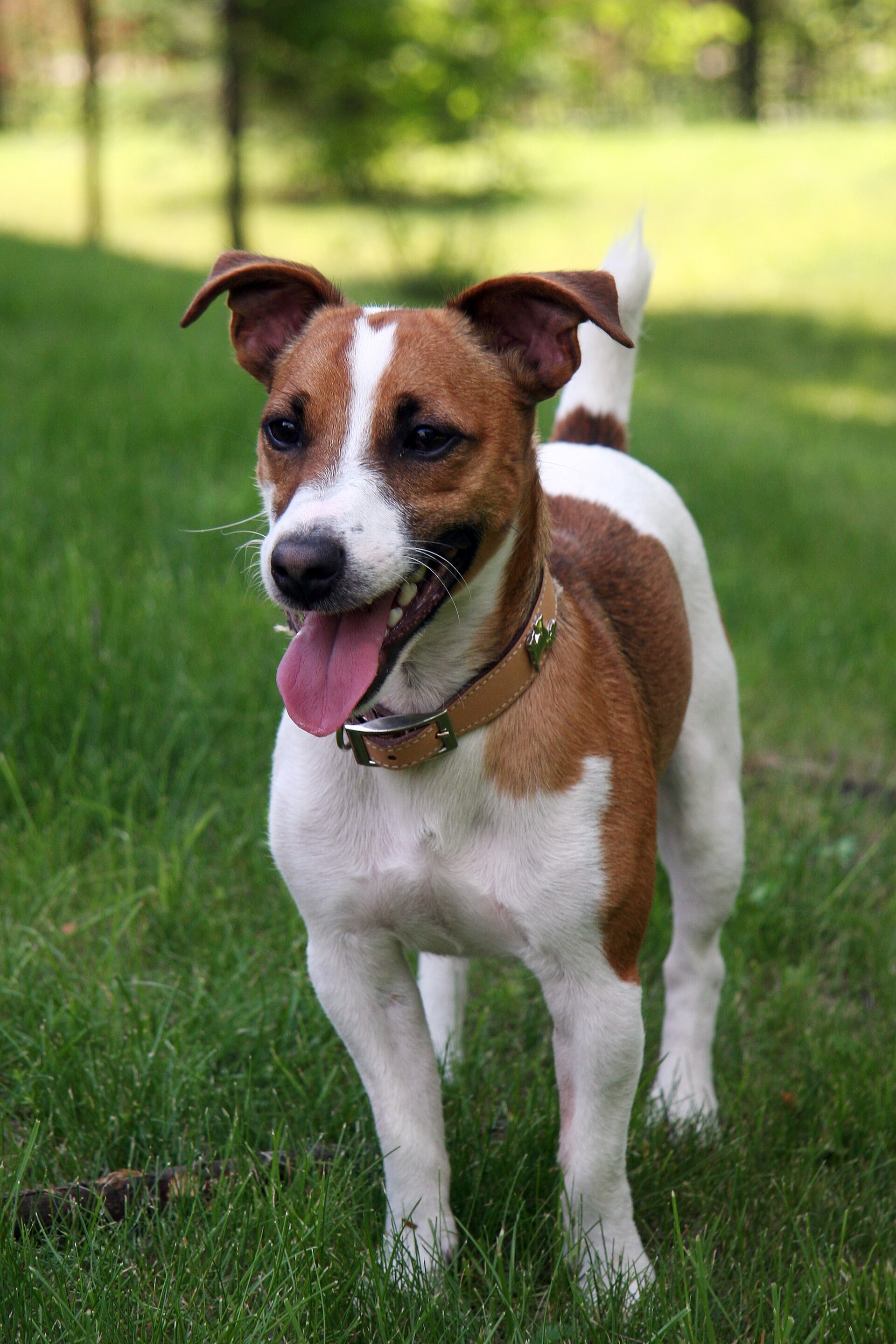
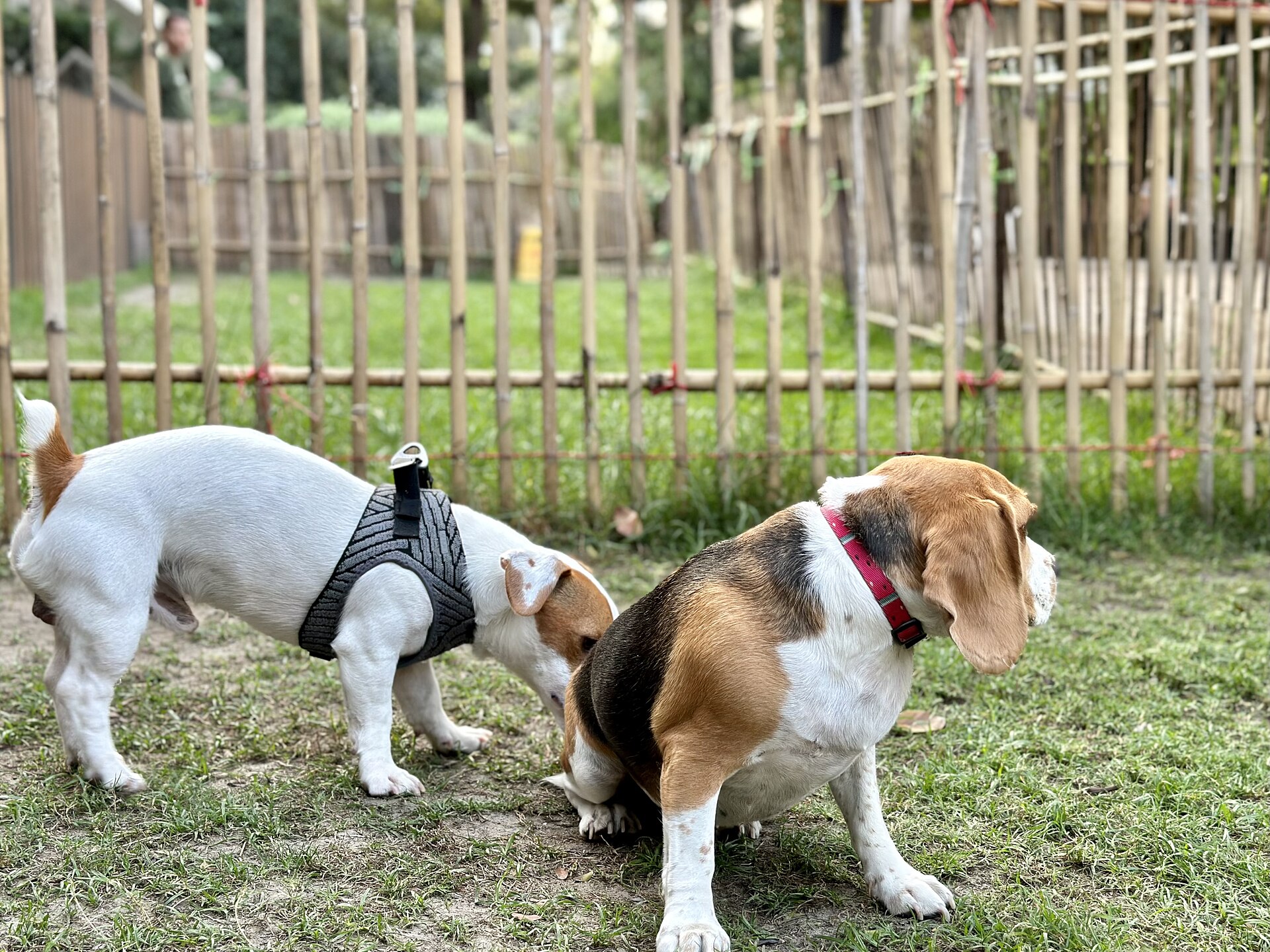
The embedded photographs show real modern Jack Russell Terriers and related working-type context. They illustrate breed traits but are not presented as nineteenth-century records.