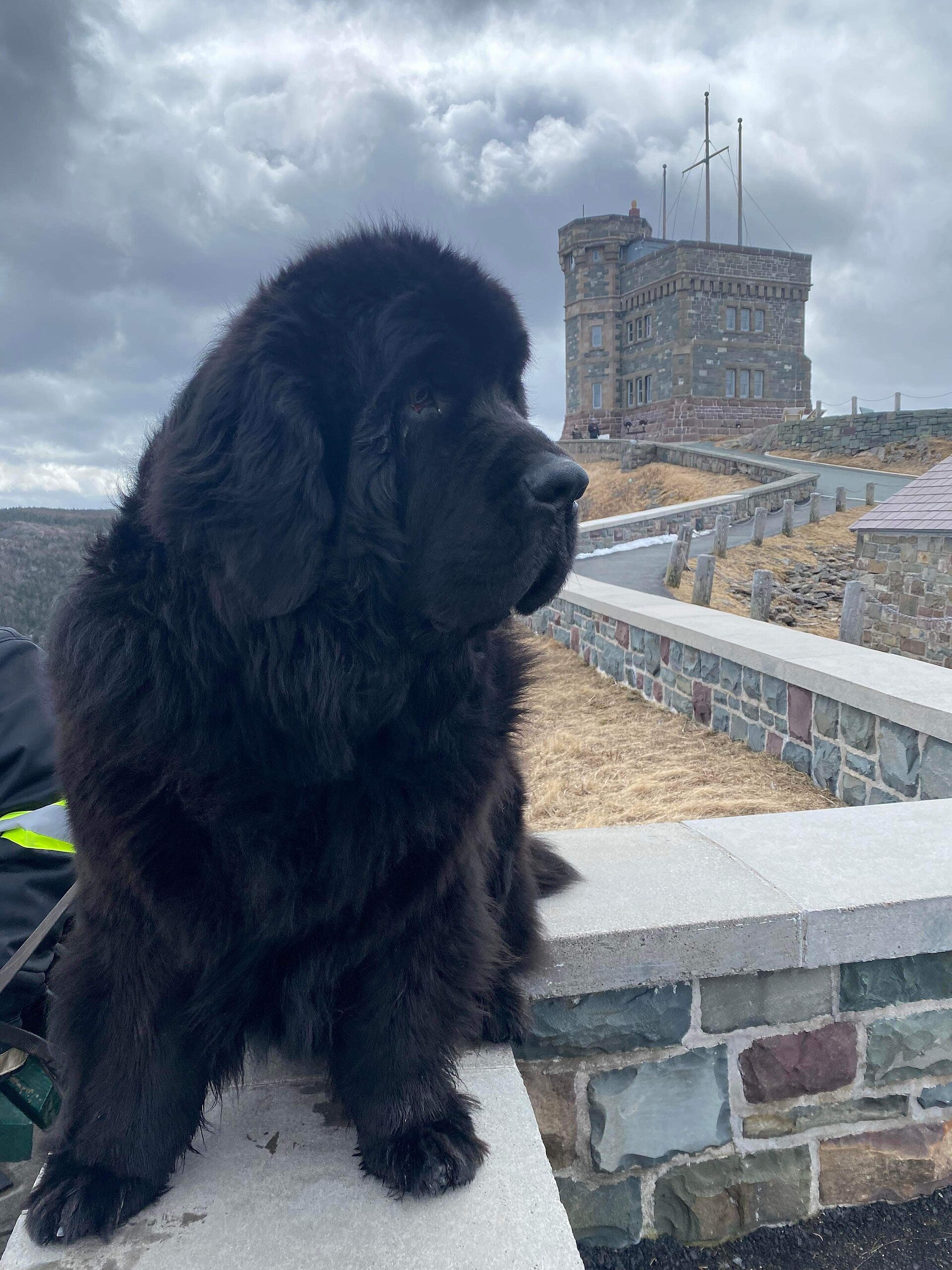
Dogs Life: Newfoundland — A Purpose-Bred Life in Its Prime
I was born where the sea did not politely end at the shore. It struck rock, climbed wharves, froze rope stiff and came into the house on every coat and boot.
My Newfoundland historical working dog story begins in an outport on the island in the middle decades of the nineteenth century. I belonged to a fisherman I will call Thomas. The name is imagined, but the work was real: dogs of my kind lived around fishing crews, carried and retrieved lines, helped move loads and became famous for entering cold water when people could not safely do the same.
Thomas did not keep me because I looked grand beside a fire. He kept me because a working family could not afford useless mouths. I had to know the boat, the rope, the weather and him.
I Was Bred for the Water Before I Ever Saw It
My mother was a broad black bitch who watched human hands. My father was remembered for swimming through chop without surrendering a line. No one in our village spoke of genetics. They spoke of which dogs came home, which could be trusted around a pitching boat and which pups learned without being broken by correction.
That was selection in its plainest form. Fishermen kept and bred dogs that were powerful, willing, steady and at home in water. Over generations, those choices shaped a useful body: a deep chest, strong limbs, a water-resistant double coat and large feet suited to swimming. Size gave us strength, but steadiness made that strength safe.
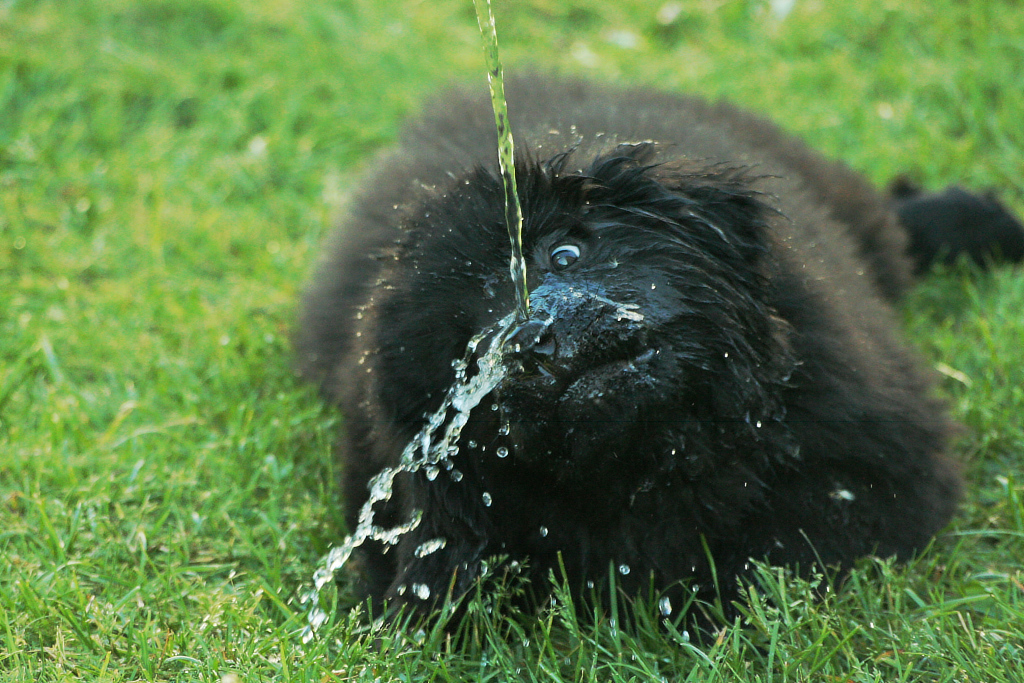
My coat changed every ordinary day. Spray gathered on the outer hair while the thick layer beneath held warmth close to my skin. Ice still formed at the tips. Cold still hurt. I was a dog, not a miracle. But I could remain useful in water that quickly punished a lightly built animal.
My temperament mattered just as much. A frantic dog in a small boat is another hazard. Thomas wanted me watchful without being quarrelsome, bold without charging blindly and strong without fighting his hands.
Puppy Lessons on a Working Shore
My first training ground was not a field. It was a cluttered stage above the water, slick with scales and salt. I learned to step over coiled line rather than through it. I learned that a command spoken once from the boat mattered more than gulls screaming over offal.
Thomas began with short retrieves. He tossed a wooden float into quiet water and sent me after it. When I returned, he traded praise and a piece of dried fish for a clean release. Then he tied the float to a light cord. Later came heavier rope, wet and dragging.
The lesson was never simply “fetch.” I had to take the object without shredding it, turn for shore, pull steadily and deliver it to a waiting hand. If I dropped the line a few yards short, the sea took back our work.
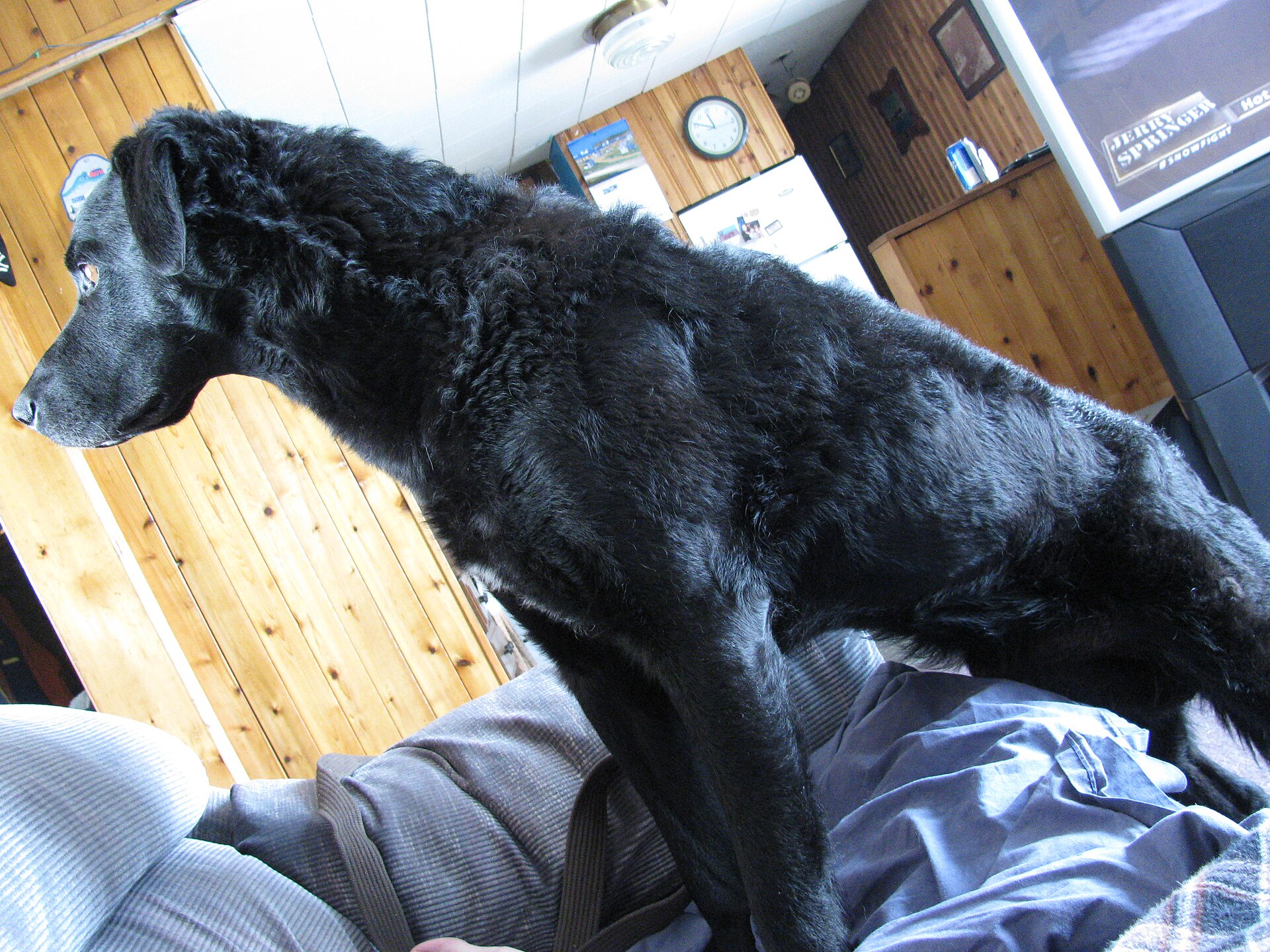
I also learned the boat. I lay low when the gunwale rolled. I waited before jumping because a badly timed leap could knock a man off balance. Thomas taught me to follow his pointing arm and to swim toward a person rather than merely toward whatever splashed loudest.
We practiced close to shore before anyone trusted me in a hard sea. That trust arrived by inches.
The Work of My Prime
At four years old I was in my full strength. My working day began before dawn, when the harbour smelled of kelp, wood smoke, bait and tarred rope. Thomas loaded gear while I watched his shoulders. A dog who works beside one person long enough learns the weather in that person’s movements.
Some jobs were humble. I carried small bundles. I helped pull a handcart. From the water, I brought in a light line that allowed men ashore to haul a heavier rope. I retrieved objects that slipped overboard when sending the boat after them would cost time or invite danger.
None of this sounds heroic. That is the point. Most value is not a statue-worthy rescue. It is twenty small labours completed before breakfast.
A line carried through surf could help bring a boat in. A recovered tool did not have to be replaced. A hauled load spared a fisherman’s back. A dog alert on the wharf gave a family one more set of eyes around children and water.
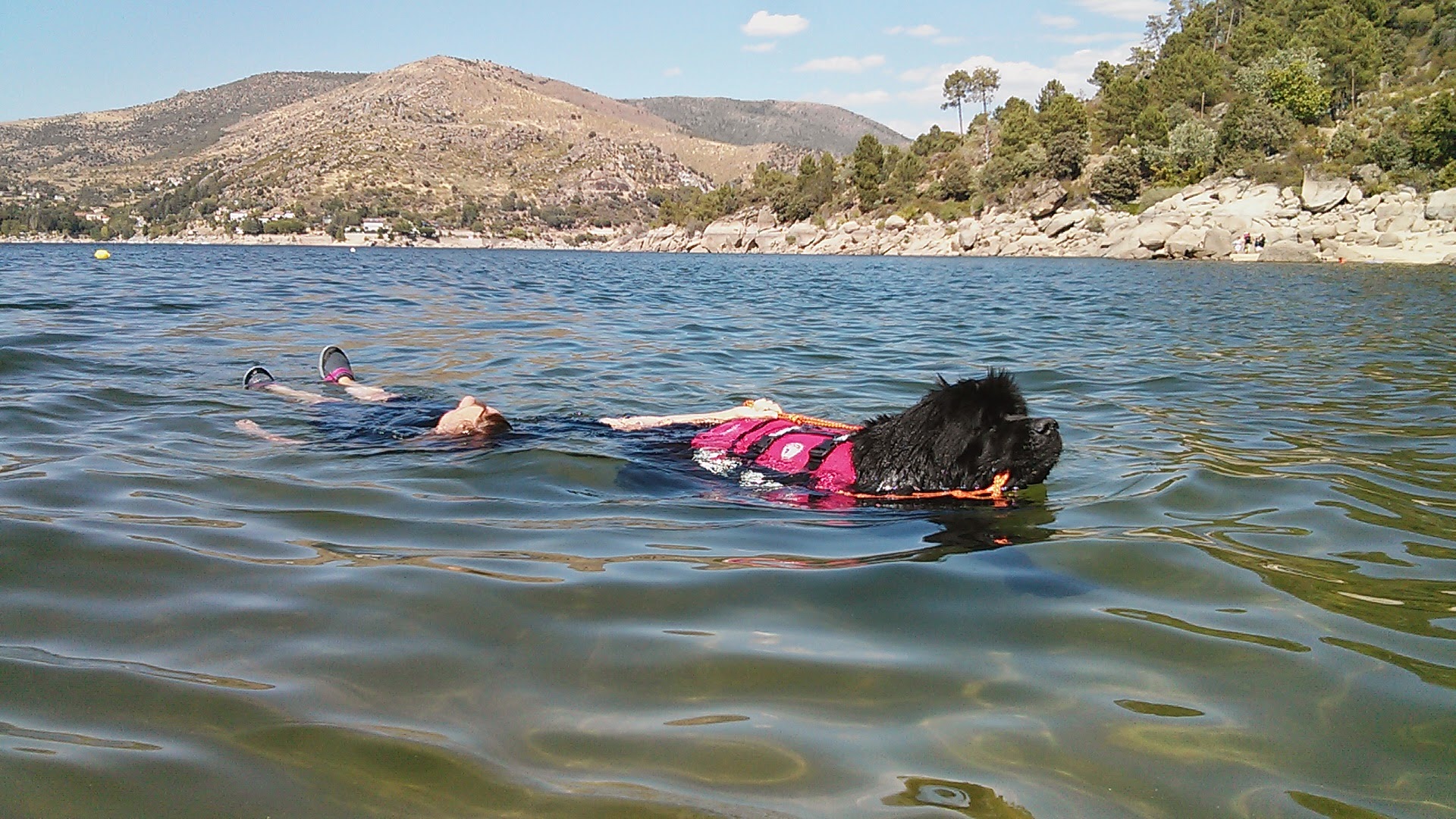
The traits bred into me decided how I moved through every hour. My strength made rope work possible. My coat extended the time I could work in cold water. My swimming ability let me cross a distance men could not cross as quickly while burdened by boots and wool. My trainability turned those physical gifts into directed work. My calmness kept me from spending all that power foolishly.
One trait without the others would have been less valuable. Strength without judgment is merely weight. Courage without obedience can drown beside the person it means to save.
The Day the Sea Took Thomas
The rescue people remembered happened in early autumn. The day looked manageable from shore, which is one of the sea’s old tricks. Wind pressed across the harbour mouth, and the returning boat came in quartering against short, steep waves.
Thomas stood to clear a fouled line. The boat lifted. His boot slipped. He went over without ceremony.
Cold water changes a man quickly. His wool coat drank the sea. He surfaced close enough for me to hear him pull breath, but the boat had already moved past him.
I went from the stern when I was sent. The shock closed around my ribs. I swam with my head low and my eyes on Thomas. He reached for me too high at first and pushed my head under. I twisted free, came beside him again and gave him the thick hair and body he could hold while I turned toward the boat.
I did not pull him alone all the way to shore. That is how stories become nonsense. I kept him afloat and moving until the crew reached us and hauled him over the gunwale. A trained, powerful water dog bought them distance and time. In cold Atlantic water, time was the whole price.
Afterward Thomas pressed his forehead against mine. Neither of us said anything useful.
A Partner, Not a Legend
People later made our kind into symbols of rescue. Some stories were true; some grew in the telling. The honest version is impressive enough.
Newfoundlands were useful because people shaped a population of dogs around difficult coastal work and then trained individual animals for the tasks at hand. We were not born knowing every command. We were not immune to cold, exhaustion or fear. We succeeded when inherited ability met repetition, judgment and partnership.
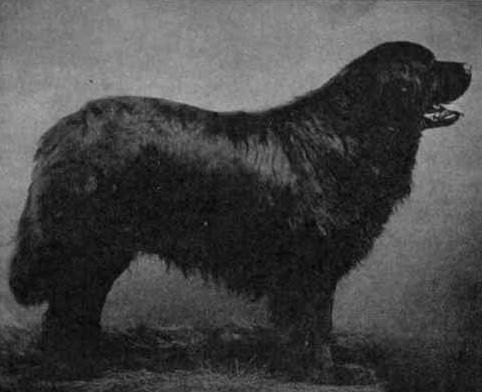
Thomas knew my limits. He did not send me through surf merely to show that I would go. On dangerous days, he fastened equipment carefully and kept me aboard. A valuable working dog was not disposable. Feeding me through winter cost the household something, so keeping me sound was practical care as well as affection.
I knew him too. I knew when his voice meant urgency and when it meant wait. I knew which hand would reach for the rope. Working partnership is often described as loyalty, but loyalty was only the beginning. What made us effective was a shared vocabulary built from thousands of ordinary repetitions.
What Changed as I Grew Old
By nine, I took longer to climb from the water. The cold settled into my joints after work. Younger dogs began doing the longest retrieves, and I watched from the stage with the irritation of an old hand who can still see every mistake.
My job narrowed rather than vanished. I carried lighter things. I accompanied children between house and wharf. I demonstrated a clean line retrieve for a young dog who had more enthusiasm than sense. When Thomas pushed the cart uphill, I still leaned into the traces beside him, though we both stopped more often.
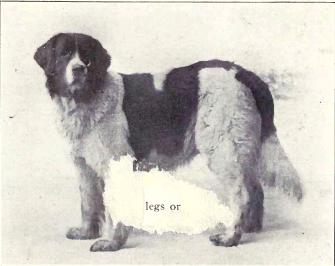
Age revealed the purpose of my temperament. A dog bred only for force becomes less useful when force fades. A dog bred to attend, cooperate and remain steady can keep serving in quieter ways.
One winter I no longer went out in the boat. Thomas laid my blanket near the stove. His son, grown tall, worked the water with another black dog at his heels. I could smell wet rope when they returned and tell from their pace whether the day had gone well.
The Life We Left Behind
I died before engines remade every harbour and before breed standards fixed our appearance on paper. The working dog of Newfoundland was already travelling beyond the island, admired in Britain and elsewhere for size, character and water ability. In time, people would preserve the breed in homes, show rings and organized water-rescue work.
What should remain from my life is not the idea of a furry hero waiting for dramatic music. It is something more useful.
Human beings created dogs like me by rewarding practical traits over generations. They selected strength because ropes and loads were heavy. They selected a protective coat and swimming ability because the North Atlantic was cold. They selected composure, responsiveness and a willingness to work with people because power had to be controlled in boats, on wharves and around families.
Those choices changed my whole existence. They decided what work felt satisfying, what weather I could withstand, how closely I watched Thomas and where I belonged each morning.
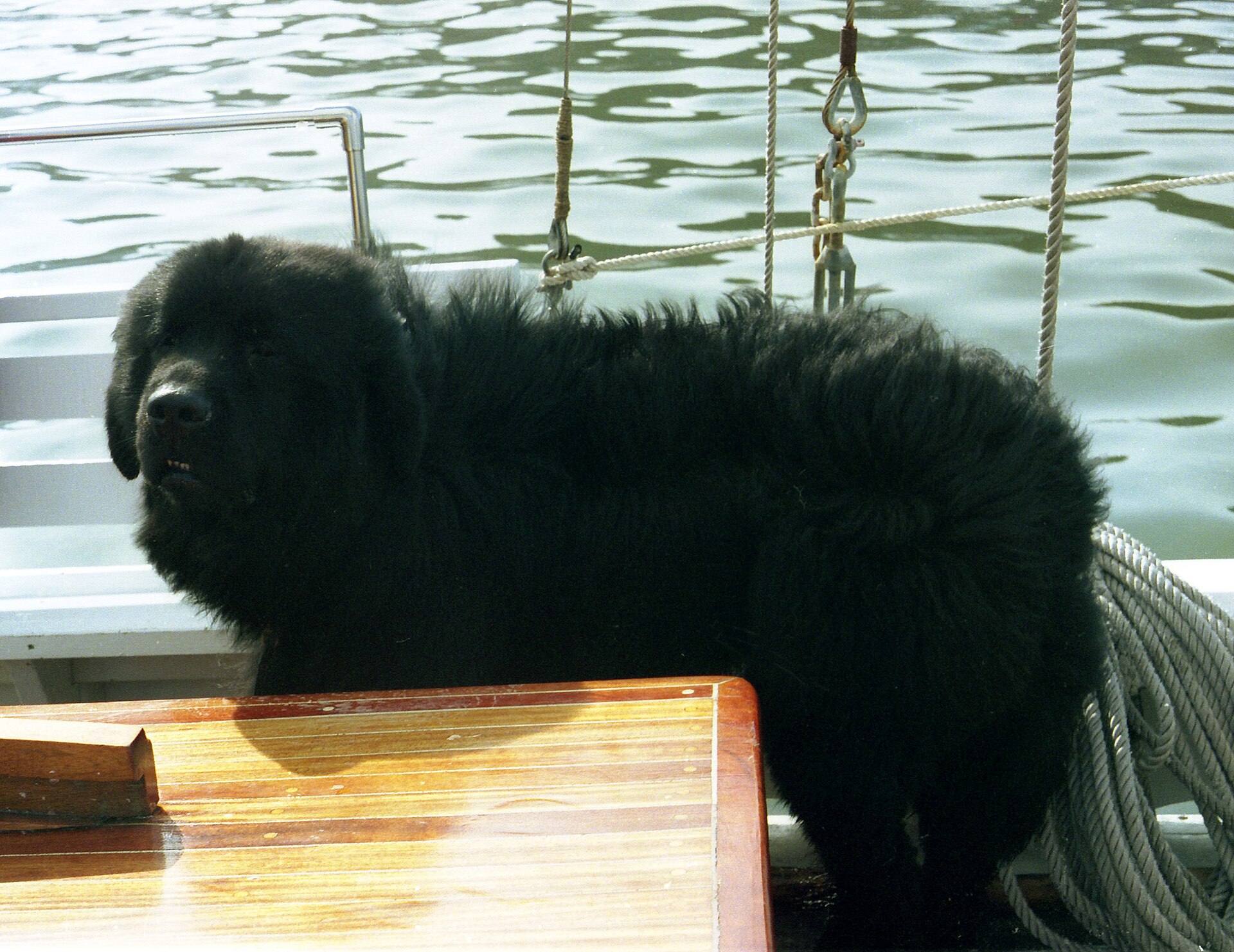
In return, I delivered labour, recovered property, moved lines, helped haul loads and—on one hard day—kept a man alive long enough for other men to reach him. I turned food and training into strength a family could use.
That was the bargain at the heart of my breed. Thomas gave me a place beside him. I made that place worth keeping.
Historical Note
This story uses a fictional dog and handler to represent documented Newfoundland working traditions; it is not presented as the biography of a specific animal. Breed histories consistently connect Newfoundlands with the island’s fishermen, cold-water work, hauling and lifesaving. Exact ancestry and the details of individual early dogs are less certain, so the narrative avoids claiming a single settled origin theory.
Sources and further reading
- American Kennel Club: Newfoundland breed overview
- The Kennel Club: Newfoundland breed standard
- Newfoundland Club of America: breed history and working heritage
- Encyclopaedia Britannica: Newfoundland
- Wikimedia Commons source and license pages are linked in the image metadata supplied with this article.
Questions About Newfoundland Working Dogs
Why were Newfoundland dogs bred?
Newfoundlands developed as powerful, cooperative working dogs associated with fishing communities on the island of Newfoundland. Their traditional work included retrieving or carrying lines, hauling and helping people in water.
What made a Newfoundland valuable in cold water?
The useful combination was a large, powerful body, strong swimming ability, a dense water-resistant double coat, trainability and a steady temperament. No dog is immune to hypothermia or rough water, but these traits suited the breed to demanding coastal work.
Did Newfoundland dogs really rescue people?
The breed has a long and well-documented lifesaving reputation, and water rescue remains part of organized Newfoundland working activities. Individual historical tales vary in how firmly they can be verified, which is why this article uses a representative fictional narrator rather than attaching invented details to a real dog.