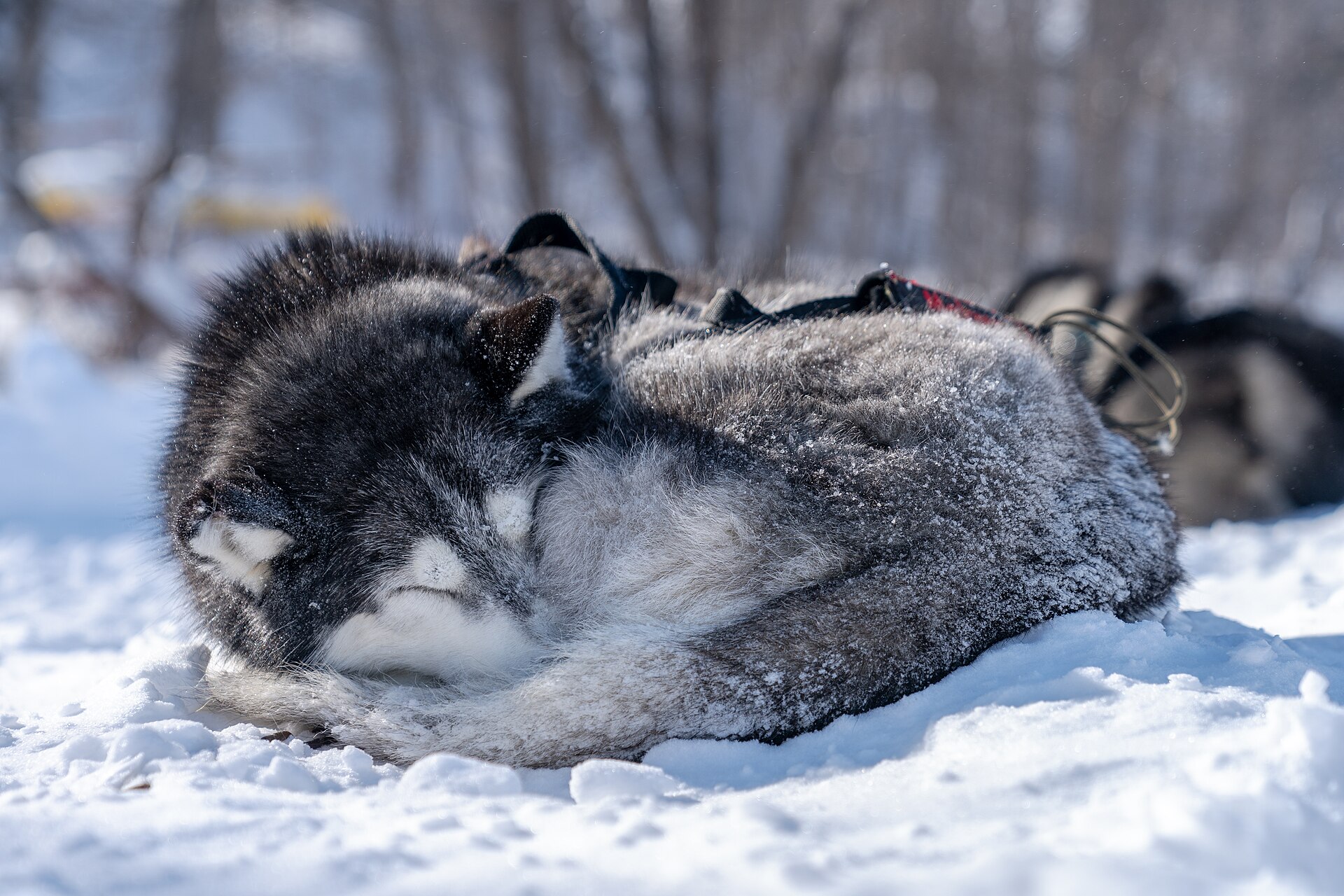
Dogs Life: Siberian Husky — A Purpose-Bred Life in Its Prime
I was born where the wind had teeth.
Before I knew my own feet, I knew snow under my belly, fish on human hands, smoke pressed low by cold air, and the sound of runners scraping over hard crust. The people around me did not keep useless things. A bowl, a knife, a line, a hide, a dog: everything had to earn its place because winter counted waste like an enemy.
I was a Siberian sled dog, a Chukchi dog before strangers across the water began calling my kind Siberian Huskies. My body was not made for guarding a palace or dragging impossible weight for a few yards. I was made for distance. For cold. For a light load moving steadily over country so wide that a man alone became small inside it.
That is what our people selected for: dogs with dense coats, hard feet, quick recovery, clean movement, pack sense, and the will to go on without burning themselves empty. We had to pull with other dogs, sleep in bitter weather, eat what the country allowed, and rise again when the trail was still there in the morning.
This was not romance to us. It was transportation, food, trade, messages, survival, and home.
Puppyhood Beside the Sleds
My first world was a tangle of bodies.
We slept against our mother and against one another, noses buried where warmth could be stolen. Outside the shelter, the older dogs sang at dusk. They did not bark like yard dogs in warmer places. They threw their voices into the dark until the whole camp seemed alive with them.
The humans moved with purpose. They cut fish, mended harness, checked lines, shaped runners, and watched the weather the way a dog watches a dropped scrap. Children came close to us. Old hands turned our paws over, felt our ribs, lifted our lips, and judged us without ceremony.
A pup was not chosen because he was pretty. A soft coat mattered if it held warmth. A compact body mattered if it saved heat. Straight legs mattered if they could take miles without wasting motion. A friendly nature mattered because a sled team lives in contact: dog to dog, dog to handler, dog to child, dog to camp.
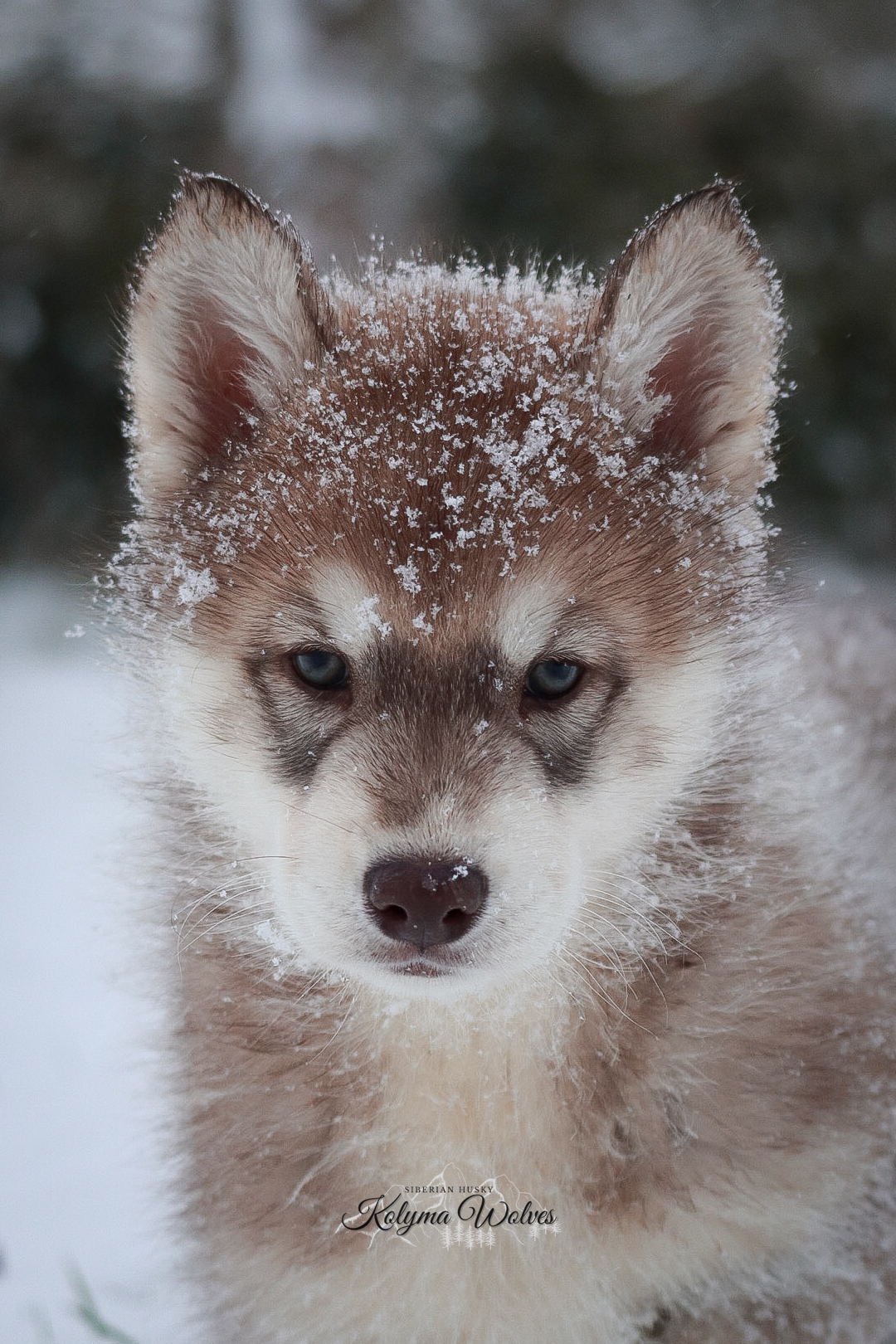
Even as a pup, I learned that food came after patience. I learned that teeth used wrongly brought correction. I learned that the old dogs could settle a fight with one look. In a team, anger wasted strength. Panic tangled lines. A dog who could not live near other dogs could not work long in harness.
My legs grew under me, narrow and quick. My ears lifted. My coat thickened until snow could lie on it without melting at once. I began to follow every moving thing: a sled rope dragged over the ground, a child running, ravens hopping at a distance, the lead dogs leaning into their collars when the harness came out.
I wanted the line before I understood the work.
The First Harness
The first harness felt like a question around my chest.
I bit at the strap. I twisted. I tried to run sideways, then forward, then backward, which pleased no one. The older dogs ignored my foolishness. They had seen pups discover dignity the hard way.
The man who handled me was patient in the practical manner of men who cannot afford to spoil a useful animal. He did not ask me to pull a real load at first. He let me feel the tug. He let me learn that pressure on the chest meant lean, not fight. He let me run beside a steady dog whose stride taught me what human words could not.
The line straightened. The sled moved. Something in me answered.
A sled dog learns with his whole body. The command to start becomes the tightening of shoulders ahead of you. The command to stop becomes the sound of snow under braking runners. A turn becomes the lean of the team before the trail bends. The best lessons come from repetition: short trips, then longer ones; easy weather, then hard; empty sled, then weight.
We were not bred to sprint ourselves senseless. That was important. A dog too heavy ate too much and tired too soon. A dog too light broke down or could not hold the cold. The useful dog had enough substance to pull, enough lightness to travel, and enough judgment not to waste himself in the first mile.
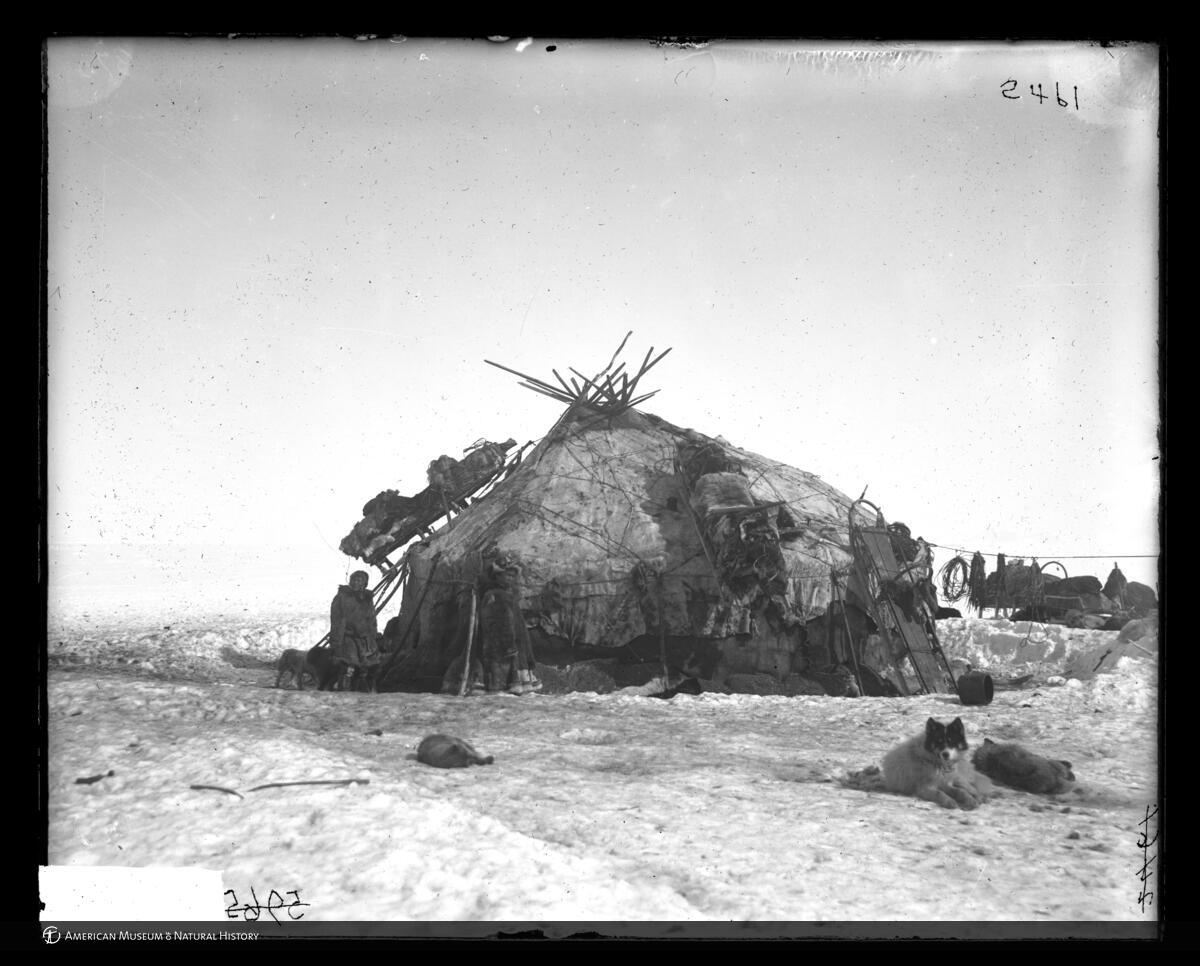
The people had chosen dogs like that for generations because their country demanded it. Across the Chukchi Peninsula and the Arctic coast, travel could mean hunting, visiting family, carrying trade goods, moving camp, or reaching help. Dogs extended human range. They turned frozen distance into a road.
I learned that my value began where human legs ended.
Why We Were Made This Way
My kind was shaped by hunger and weather before kennel books had anything to say about us.
A person in the north needed a team that could travel far in low temperatures, pull modest loads, and still have enough left to do it again. The dog had to be economical. Food was not poured from bags stacked in a store. Food came from the work of people, weather, animals, season, and luck. A dog that needed too much and gave too little was not a luxury. He was a problem.
So the people kept and bred the dogs that fit the life.
They selected for endurance because a short burst did not bring a sled home. They selected for dense double coats because cold finds every weakness. They selected for efficient movement because wasted motion becomes hunger. They selected for sociability because teams must sleep, feed, travel, and wait together without turning every pause into blood. They selected for alertness and independence because a trail can vanish under drift, ice can lie badly, and a dog in front may feel trouble before the driver sees it.
That independence was not disobedience, though humans often confuse the two. A good lead dog had to answer the driver, but he also had to refuse foolishness when snow hid danger. A good team dog had to pull in rhythm, but he also had to keep his feet, avoid tangles, and recover after cold nights.
Our beauty came later in human eyes: the mask, the plume tail, the bright expression, the tidy body. In our own world, the beauty was function. Coat over skin. Foot over snow. Lung over distance. Mind over panic.
Prime Working Years on the Chukchi Trails
In my prime, I knew the trail through my pads.
Morning began before full light. Harness came stiff from the cold. Breath smoked from dogs and people together. The sled creaked when the load settled: fish, hides, tools, goods for trade, sometimes a child wrapped tight, sometimes a tired elder, sometimes nothing but gear and hope.
The driver checked us one by one. He knew who pulled honestly, who saved himself, who liked to nose at the dog beside him, who needed a place closer to the front, who ran best in wheel near the sled. I was not always lead. Few dogs are. I ran where I was useful, and that changed with the team, the load, and the weather.
When the command came, we leaned.
There is a clean feeling when a team finds one gait. The sled gives up its stubbornness. The gangline hums. Snow speaks under the runners. The dogs ahead of you become not separate bodies but a single animal with many backs.
We ran at a pace a body could keep. That was the secret strangers sometimes missed. The best distance work is not wild speed. It is discipline made invisible. Step, breathe, pull. Step, breathe, pull. Mile after mile until the camp behind you becomes memory and the place ahead grows real.
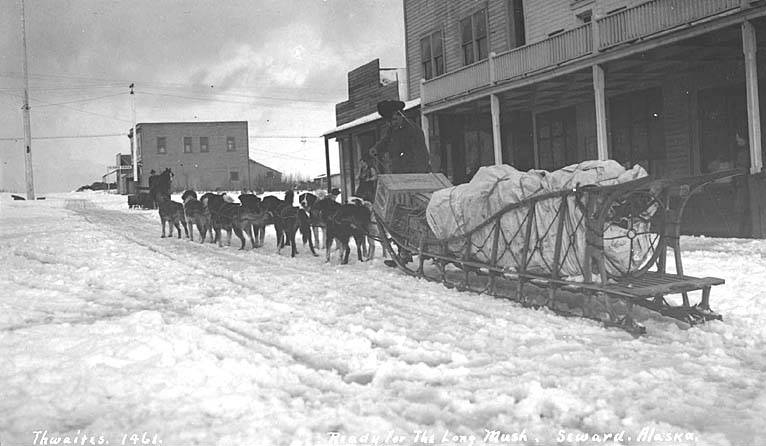
On good days the trail hardened under clear cold, and sound traveled so far that people seemed to speak from the sky. On bad days, wind filled old tracks, ice boomed, and snow came sideways until every dog wore white lashes. Then the team mattered more than courage. Alone, courage is just noise. Together, it becomes motion.
The value we delivered was plain. We carried food. We carried people. We shortened journeys. We made winter travel possible when boats could not move and wheels meant nothing. We brought news across frozen country. We helped hunters and families reach places that would have been dangerous or impossible on foot.
A dog did not need to understand trade to know that the sled had to arrive. We understood the line, the cold, the handler's voice, and the pull.
Partnership With My Handler
My handler smelled of smoke, fish oil, leather, wool, and snow.
I knew his hands before I knew his face. Hands that untangled lines. Hands that checked feet. Hands that shared food when a trip ran long. Hands that corrected without rage, because rage in cold country is a waste of heat.
He was not my owner in the soft sense people use now. He was my partner because our lives overlapped where the work was hardest. He read the sky. I read the trail. He packed the sled. I felt the load through the harness. He chose the route. The lead dogs tested it with their bodies.
There were times when I loved him most for saying nothing.
After a hard run, he would move down the team, loosening harness, checking shoulders, clearing ice from paws. If a dog was sore, he saw it. If a dog was spent, he knew. A man who ignored his dogs did not stay lucky for long. The team was not equipment. Equipment breaks quietly. Dogs tell you before they fail, if you are worthy of hearing it.
At night, we curled into ourselves. Nose to tail. Tail over nose. The thick coat trapped warmth. Snow could drift against us and we would wake under it, alive and annoyed rather than dead. That, too, was part of the breed's making. We carried our shelter on our backs.
Across the Water to Alaska
Later, men brought dogs like me across the water to Alaska.
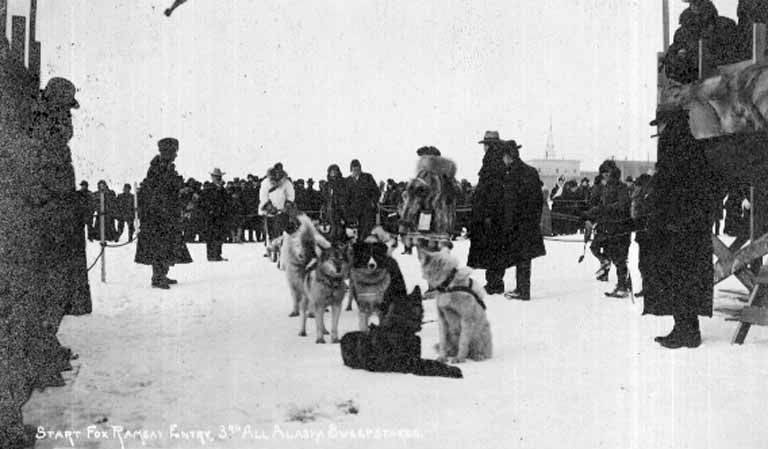
I did not understand borders, only ships, strange smells, new voices, and snow that had its own character. Nome was harder-edged than the old camps: miners, freight, money, shouting, race talk, supply piles, and men measuring dogs with hungry eyes.
Some laughed at the smaller Siberian dogs when they first saw them. They were used to heavier freight animals and thought power meant bulk. Then teams of Siberians ran and kept running. They pulled light loads over long distances at speed enough to make men stop laughing.
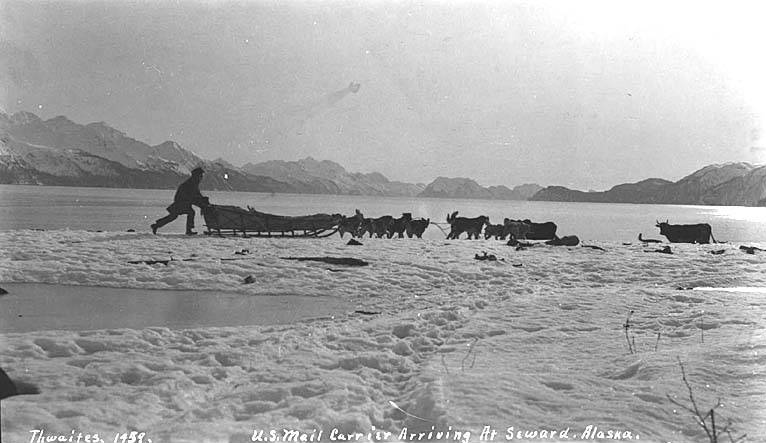
The early northern freight runs were not games. Sled teams carried mail, medicine, food, mining supplies, tools, and human hope between settlements where winter could close the world. A delay might mean hunger. A missed message might mean isolation. A medicine that arrived late might as well have never been sent.
In that country, our old selection still mattered. We were not the largest dogs on the trail, but we were efficient. We could run in teams, tolerate cold, eat modestly for the miles we gave back, and keep moving when the work was repetitive enough to wear down a showier spirit.
The Alaskan men gave us new races, new routes, and new fame. But the work underneath was familiar: harness, snow, distance, human need.
The Hard Run
The hardest run of my life began with quiet.
Not peaceful quiet. The other kind. The kind that comes when the driver has looked at the weather and decided the trail must still be taken.
The load was not heavy, but the cold made everything heavier. Wind scoured the exposed ground and packed drifts in the hollows. My breath froze on my whiskers. The dog ahead of me had ice along his ruff. The sled runners screamed over hard snow, then sank where the trail softened.
We crossed open stretches where there was no kindness in the world, only white and gray and the black line of dogs ahead. The driver kept us steady. No waste. No shouting unless the wind stole the first command. The lead dogs lowered their heads and found what trail remained.
A young dog beside me surged early, proud and foolish. By midday he had learned. Pride does not pull past exhaustion. Rhythm does.
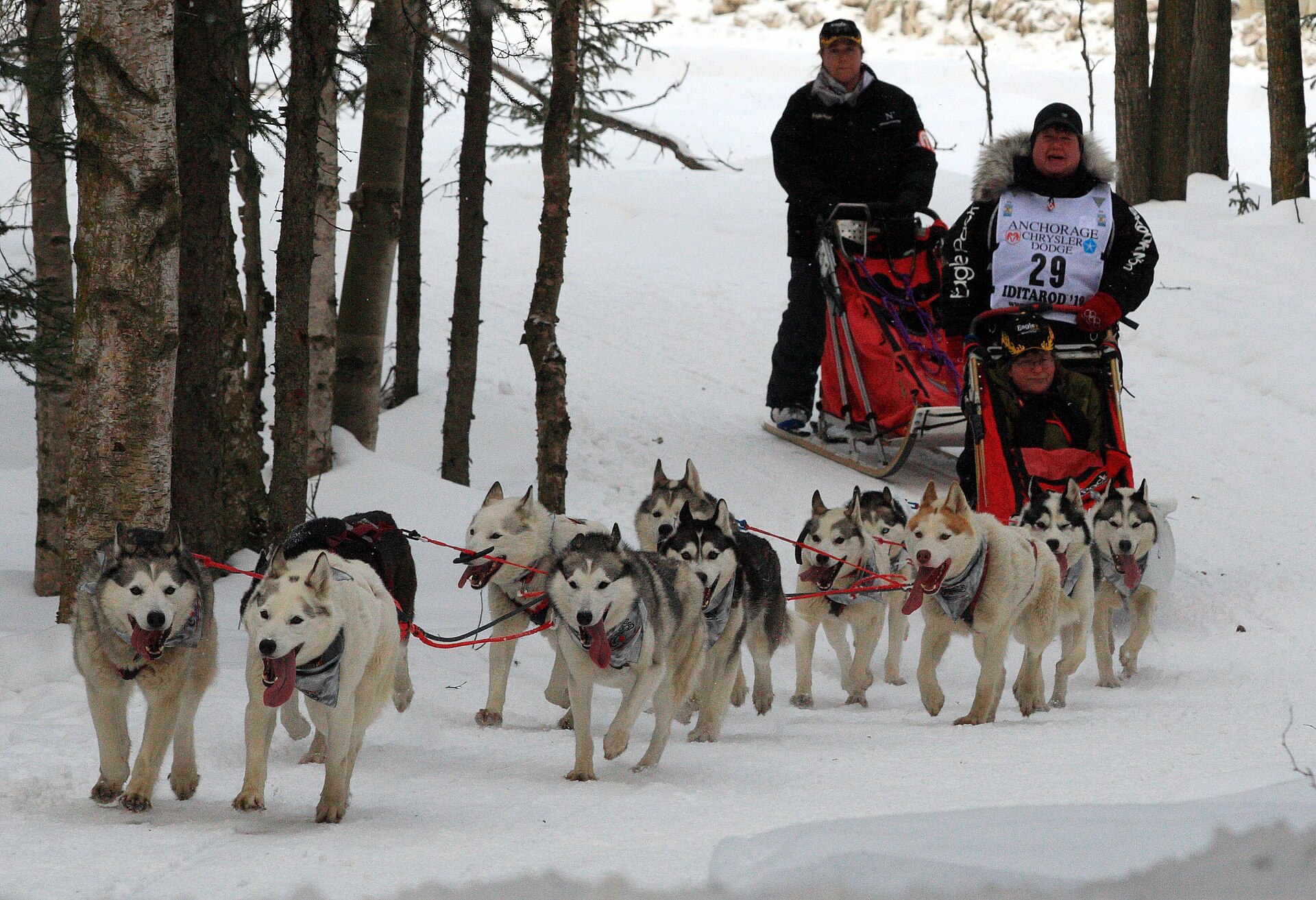
That day taught me the deepest thing about my breed: we were selected not merely to endure pain, but to make endurance ordinary. The good sled dog did not turn every mile into drama. He made a habit of continuing.
When we reached shelter, the humans moved quickly. The load was taken in. Dogs were fed. Lines were checked. The driver put his forehead briefly against my shoulder, not as a grand gesture but because we were both still standing.
I slept without dreams.
Fame, Serum, and What People Remember
Humans remember names.
Balto. Togo. Seppala. Nome. The serum run. The storm. The miles. The statues and stories that came afterward.
Those stories matter. In 1925, sled-dog teams carried diphtheria antitoxin through brutal winter conditions to Nome when the town needed it badly. The famous dogs earned their place in memory. But every named dog stood on the back of a larger truth: northern communities already depended on sled dogs because the work was real before the newspapers arrived.
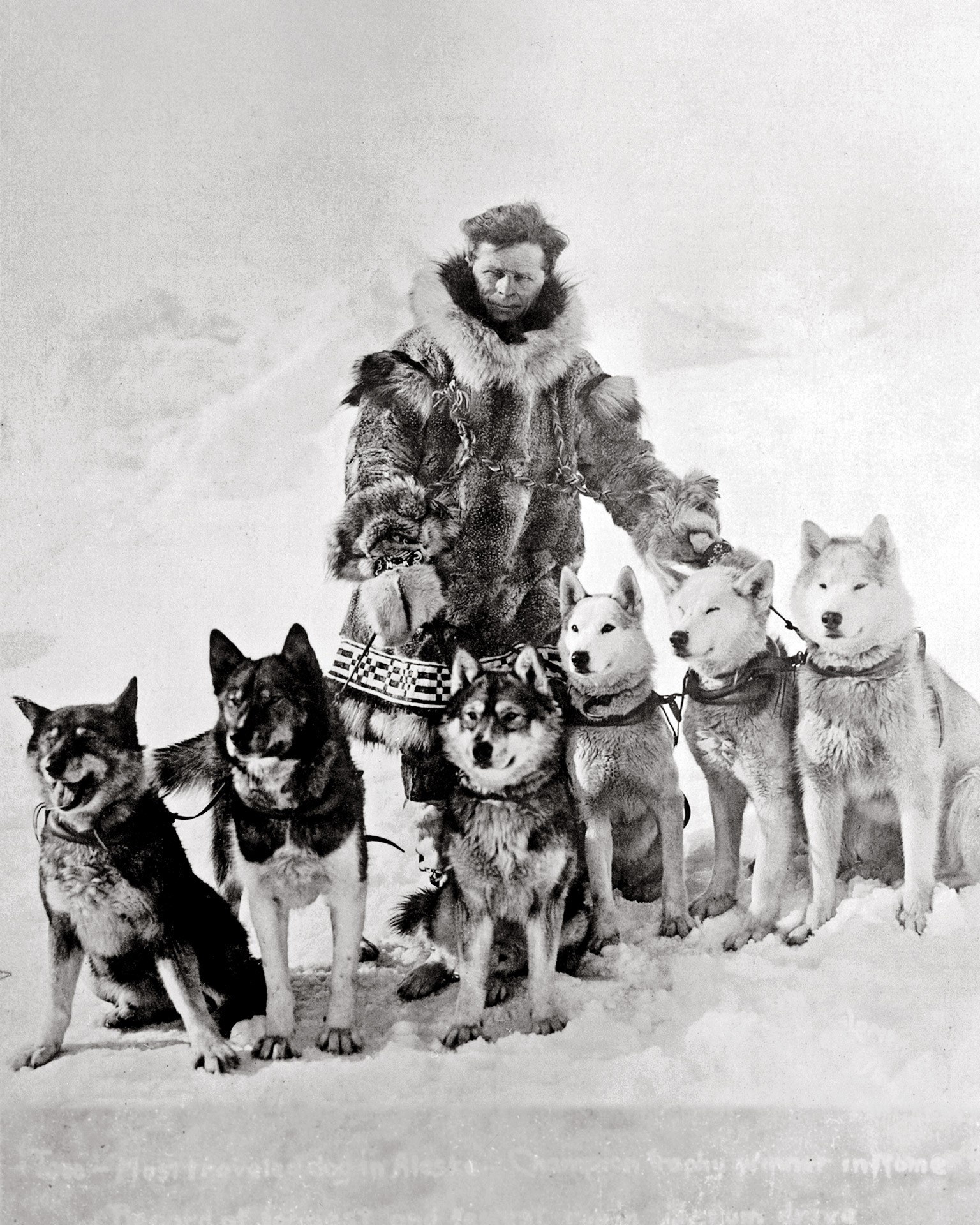
I was not Balto. I was not Togo. Most working dogs are not remembered by strangers, and that is not a tragedy. The mail that arrived did not know my name. The child carried warm in the sled did not write it down. The freight delivered before a storm did not build a statue.
But work does not become less valuable because it leaves no monument.
A purpose-bred dog lives in useful repetitions. Harness on. Line tight. Trail found. Load delivered. Feet checked. Sleep. Again.
What My Traits Cost Me
The same traits that made me valuable also ruled my days.
I was friendly because a dangerous dog in camp was a bad bargain. I was social because a team cannot be made of loners. I was energetic because the trail was long. I was independent because snow country punishes blind obedience. I was efficient because food had cost. I was vocal because my kind carried feeling in sound, and silence was never our strongest gift.
People later would admire the blue eyes, the mask, the curled tail, the lively face. They would also complain that Siberian Huskies run, roam, dig, pull, argue, sing, and make their own decisions. I would have told them those are not accidents. They are history with paws.
A sled dog bred for distance does not become still because a fence is tidy. A dog bred to work in a team does not enjoy being forgotten alone. A dog bred to think at the front of a line will not always find human convenience convincing.
Selection gives, and selection asks.
My life made sense because the work matched the dog. My body emptied itself into a purpose and came home tired in the right way. Without that, the same fire could have become trouble.
Old Age by the Runners
Age came first in my shoulders.
Not all at once. A stiffness after cold nights. A shorter stride when the team first started. A soreness that warmed out slowly instead of vanishing with the first mile. The handler saw it before I admitted it.
Younger dogs took my place on the longer runs. I hated them for a week. Then I hated them less because they were terrible at being me, which gave me work to do.
I taught by correction, by posture, by refusing to move aside when a pup tried to crowd the line. I showed them how to settle before a run, how not to chew gear, how to sleep under weather, how to wait for food without turning the camp into a fight. I showed them that the harness was not a toy and the team was not a place for vanity.
Sometimes I still ran short trips. Those were gifts. The first pull on the chest, the sled waking behind us, the line drawing tight: old bones remembered.
More often, I lay near the sleds and watched. Watching is not nothing. An old dog holds the shape of the work for the young ones. He becomes part of the camp's memory.
Legacy
I left no written record.
I left miles.
I left trails packed by repeated passage, goods delivered, people carried, weather crossed, younger dogs steadied, and a handler who could go farther because I had gone with him. I left the proof that a medium-sized dog, correctly made and honestly worked, could turn Arctic distance into human reach.
The Siberian Husky was created because people in severe northern country needed a dog that could pull light loads at a steady pace over great distances, live with other dogs and people, conserve energy, tolerate cold, and keep enough independence to be useful when the trail became uncertain. Those selected traits shaped everything about my daily life: how I ate, slept, moved, learned, bonded, argued, rested, and aged.
I was not bred for a couch, though I could love warmth. I was not bred for a ribbon, though a handsome dog may still be useful. I was bred for the long white road between need and arrival.
If you want to know my kind at our best, do not begin with the eyes. Begin with the line.
Feel it tighten. Hear the runners. Watch the team lean together into weather that would stop a man alone.
That was my life. That was my purpose. That was the gift we gave: not brute force, but distance made possible.
Historical grounding notes
This Dogs Life article is a historically grounded reconstruction, not a claim about one documented individual Siberian Husky. It draws on the breed's Chukchi sled-dog origins, its selection for endurance and efficient light-load pulling in cold climates, and its early twentieth-century use in Alaska for racing, freight, mail, and emergency travel.
The story avoids veterinary, breeder, trainer, and hands-on mushing authority claims. Its focus is the original working value of the Siberian Husky: helping people travel, carry supplies, communicate, and survive across frozen northern distances.