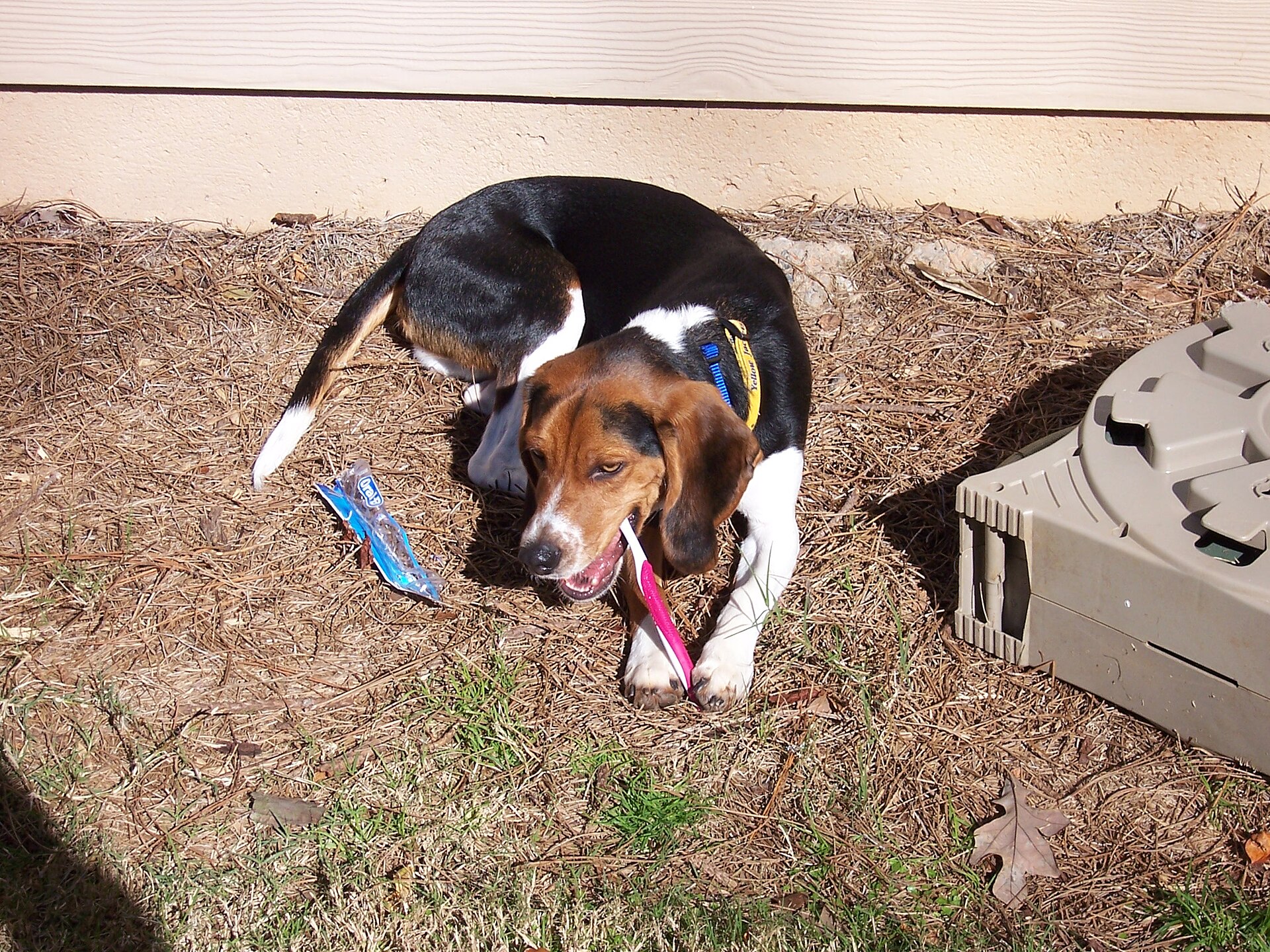
Are Dental Chews Enough for Dogs?
No. Dental chews can help reduce plaque or tartar when they are appropriately sized, used as directed, and backed by credible evidence, but they are not a complete dental-care plan. Most dogs still benefit from regular toothbrushing, routine veterinary mouth checks, and professional dental treatment when an examination shows it is needed.
Think of a dental chew as a useful extra, not a toothbrush you can throw across the kitchen.
What Dental Chews Can Actually Do
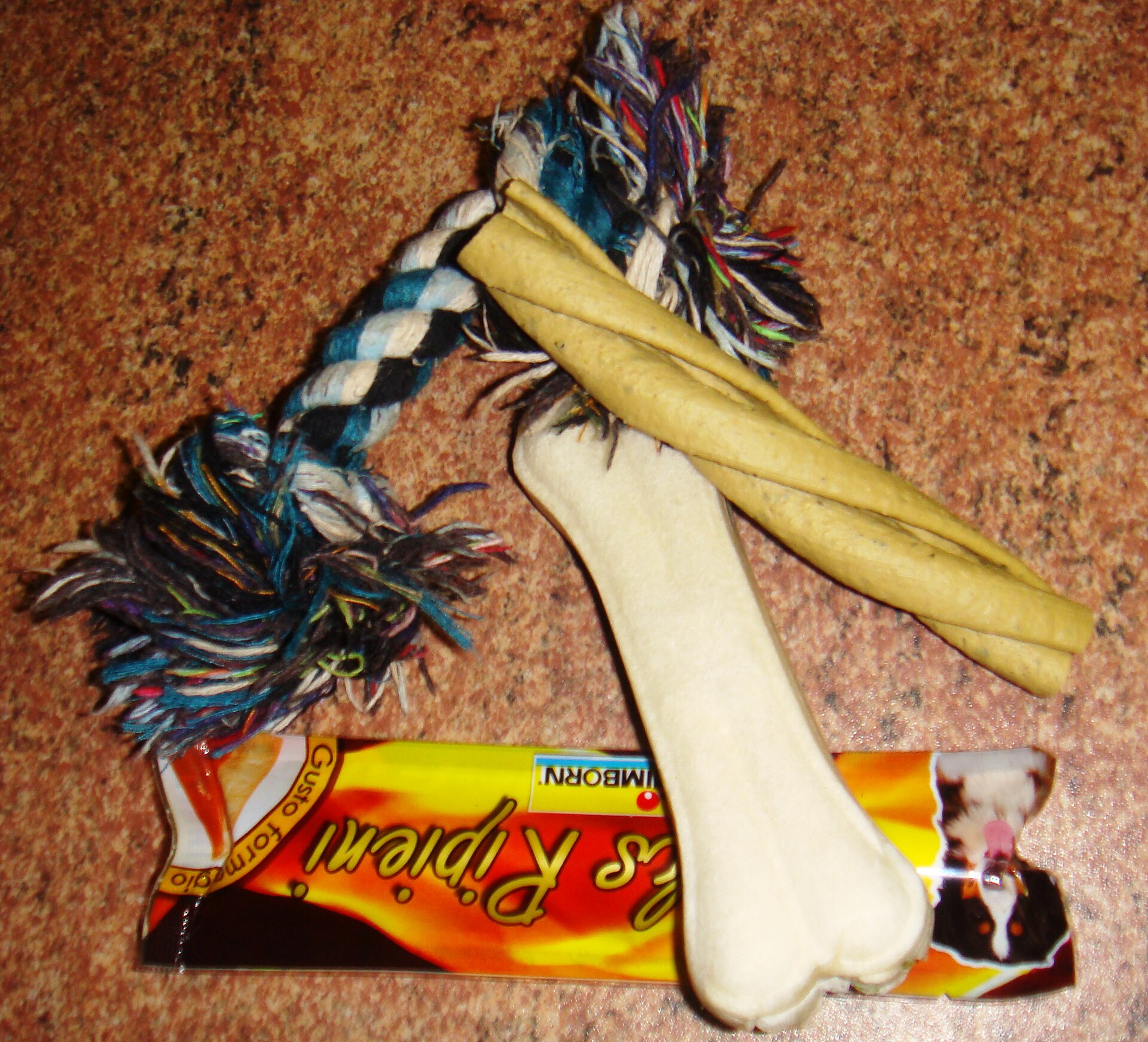
Chewing creates friction against some tooth surfaces. Certain products also use shapes, textures, or ingredients intended to help control plaque or tartar. That can make a well-chosen chew worthwhile, especially for a dog that is still learning to accept brushing.
The important phrase is some tooth surfaces. A chew does not work evenly around the mouth, does not reliably clean below the gumline, and cannot tell you whether a tooth is fractured, loose, infected, or painful.
The Veterinary Oral Health Council (VOHC) reviews submitted product data and awards its seal to products that meet its standards for helping control plaque, tartar, or both when used as directed. The seal is a useful evidence signal; it is not a promise that the product replaces veterinary care.
Why Chews Do Not Replace Brushing
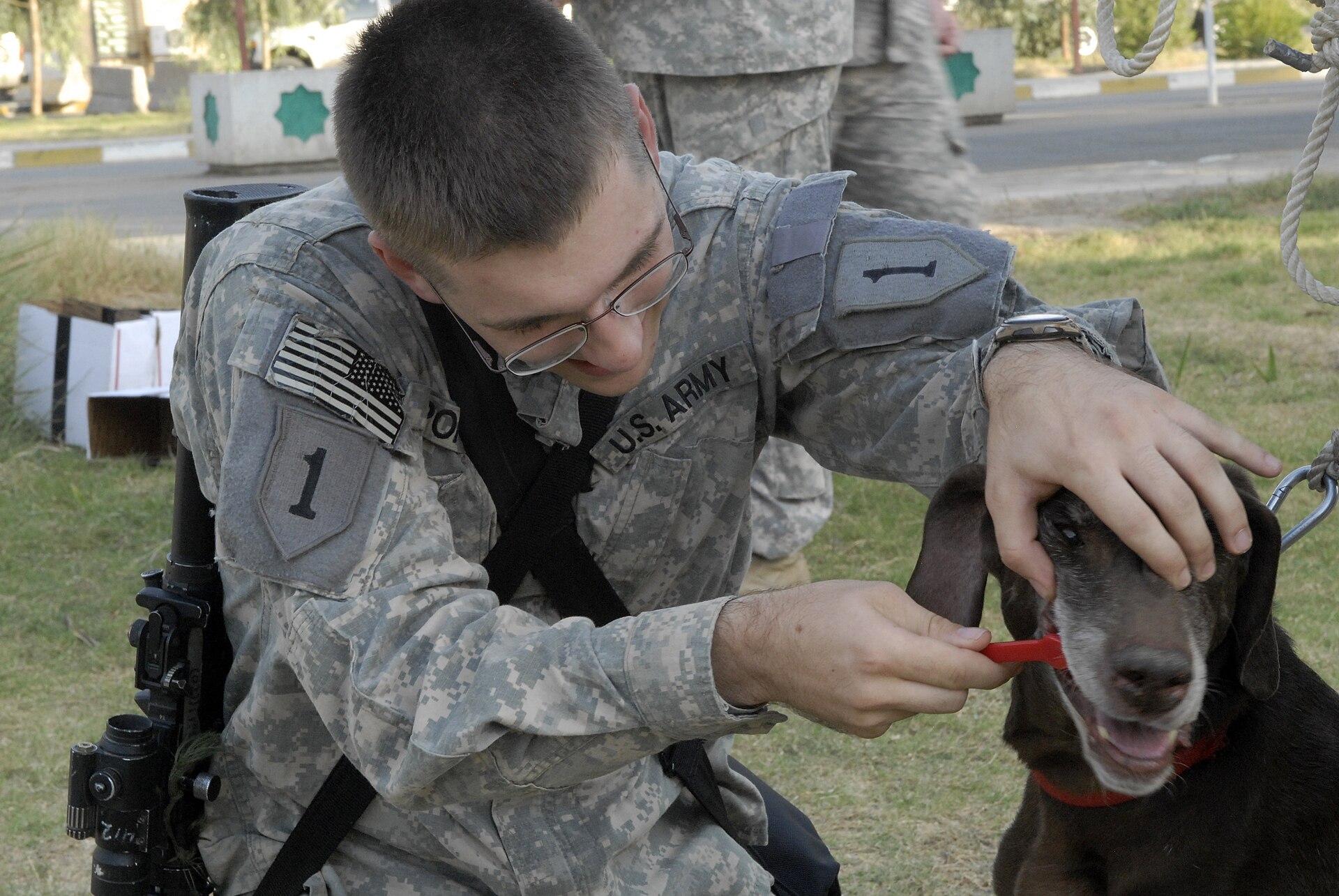
Plaque forms as a soft film on teeth. Brushing physically disrupts that film across the reachable outer surfaces, including areas a dog may barely contact while chewing. For home care, frequent brushing with a dog-safe toothpaste remains the most direct way to remove plaque before it hardens.
Chews are less consistent because dogs use them differently. One dog slowly works both sides of its mouth; another crunches twice and swallows. Dogs may also favour one side because of habit or discomfort, leaving other teeth largely untouched.
If daily brushing is unrealistic today, do not abandon the whole plan. Brush as often as your dog comfortably allows, build the habit gradually, and use an evidence-backed chew as support. Partial, safe care done consistently beats a heroic dental campaign that lasts three evenings.
A Simple Dental Routine That Works Better
A practical routine has four parts:
- Brush frequently. Use a soft dog toothbrush or finger brush and toothpaste made for dogs. Never use human toothpaste unless your veterinarian specifically directs you to a suitable product.
- Use a suitable dental chew if it fits your dog. Check the current VOHC accepted-products list, follow the weight range and feeding directions, and supervise.
- Look at the mouth regularly. Watch for red or bleeding gums, heavy tartar, swelling, broken teeth, unusual drooling, or a sudden change in chewing.
- Include dental health in veterinary visits. Your veterinarian can advise whether your dog needs a more detailed examination or professional cleaning.
For the full routine, see Dogthread’s dog dental care guide.
How to Choose a Dental Chew
Start with evidence, then check whether the product suits the individual dog.
Look for the VOHC seal
A VOHC-accepted product has supporting data reviewed against the council’s standards. Check the current list rather than trusting an old package photo or an unsupported “vet recommended” claim.
Match the size to your dog
Use the manufacturer’s weight range and directions. A chew that is too small may be swallowed whole; one that is too large or hard may be difficult or unsafe for a particular dog.
Consider calories and ingredients
Dental chews count as food. Include their calories in the daily total, especially for small dogs or dogs on weight-control plans. If your dog has food sensitivities, digestive disease, a prescription diet, or another medical condition, ask your veterinarian before adding one.
Watch how your dog chews
Supervise the first uses. A useful dental chew should encourage controlled chewing, not gulping. Remove pieces that become small enough to swallow whole, and stop if the chew causes coughing, gagging, vomiting, distress, or repeated digestive upset.
Avoid extremely hard objects
Very hard chews can contribute to broken teeth. If you are unsure whether a product is appropriate for your dog’s teeth or chewing force, ask your veterinarian rather than conducting a kitchen-counter materials-science experiment with your dog’s molars.
When a Dental Chew May Be a Poor Fit
Speak with your veterinarian before relying on chews if your dog:
- gulps treats or tries to swallow large pieces;
- has loose, fractured, crowded, or painful teeth;
- has inflamed or bleeding gums;
- has a history of choking or digestive obstruction;
- is on a restricted or prescription diet;
- has trouble chewing;
- is a very young puppy without an age-appropriate product; or
- already shows signs of dental disease.
Dental treats are prevention tools, not treatment for an established mouth problem.
Signs Your Dog Needs a Veterinary Dental Check
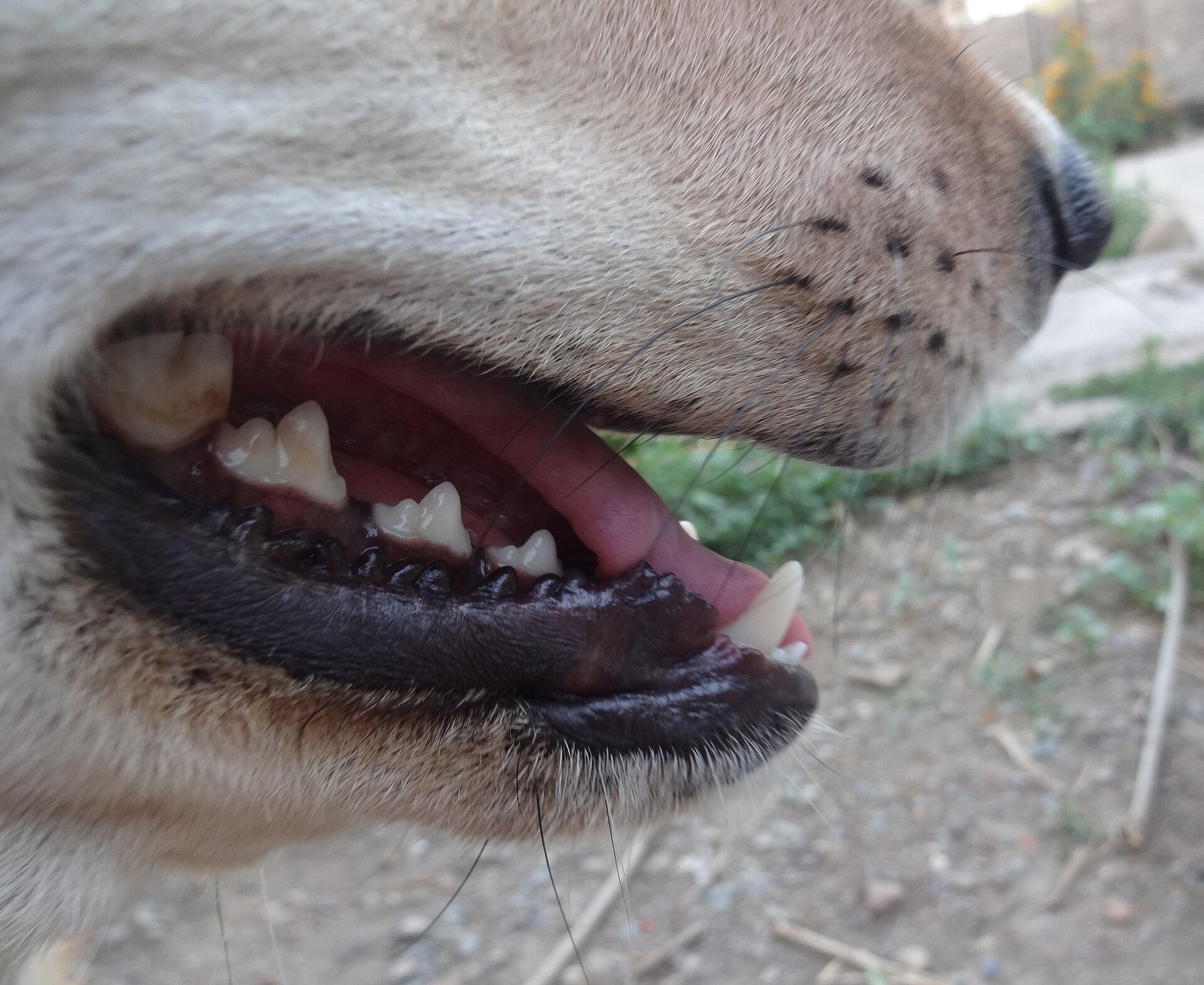
Bad breath alone can have several causes, but persistent strong odor deserves attention—especially with other changes. Arrange veterinary care if you notice:
- difficulty eating, dropping food, or chewing only on one side;
- pawing at the mouth or resisting face handling;
- red, swollen, or bleeding gums;
- visible broken, loose, or discoloured teeth;
- facial swelling;
- heavy brown or yellow buildup;
- unusual drooling or blood on toys; or
- reduced appetite, irritability, or withdrawal.
Dogs often keep eating despite oral pain. A normal appetite does not prove the mouth is comfortable.
Can Chews Remove Existing Tartar?
Do not expect a chew to remove substantial hardened tartar or treat disease below the gumline. Visible improvement on an easy-to-reach tooth is not the same as a healthy mouth.
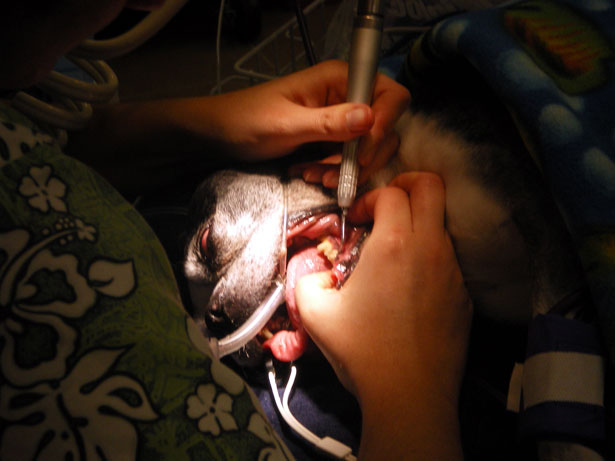
A professional veterinary dental procedure can include a full oral assessment, cleaning above and below the gumline, and dental imaging or treatment when indicated. The right timing depends on the individual dog, not a universal once-a-year rule.
What If Your Dog Will Not Tolerate Brushing?
Build cooperation in tiny steps:
- let your dog lick a small amount of dog toothpaste from a finger;
- briefly touch the outside of the lips;
- lift one lip for a second;
- touch one or two outer teeth with a soft brush;
- stop while the dog is still comfortable;
- add time gradually over days or weeks.
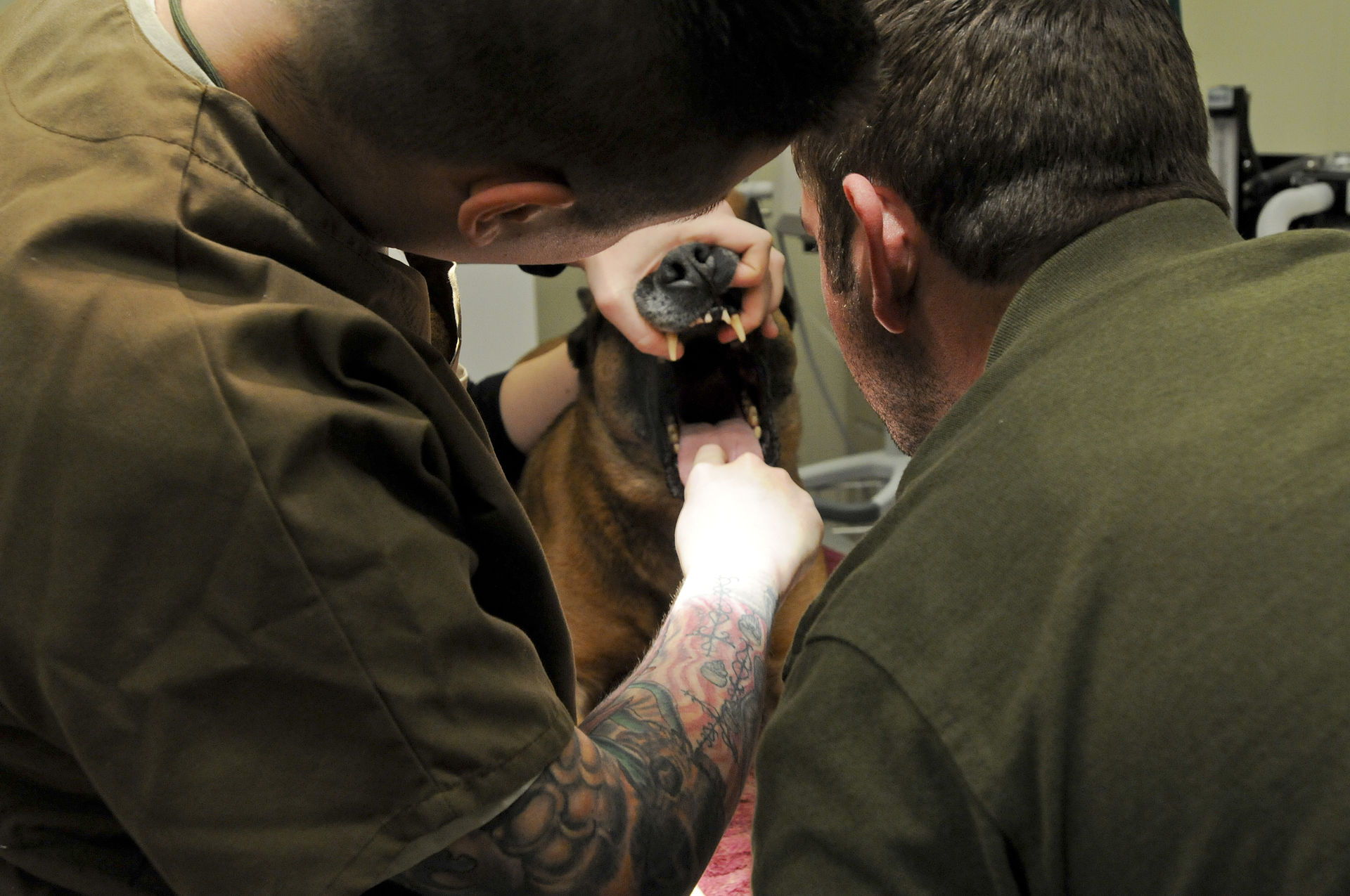
Do not force the mouth open or continue through fear, struggling, or signs of pain. If handling suddenly becomes difficult, pain may be part of the problem. Ask your veterinary team for help before pushing ahead.
A VOHC-accepted chew or another veterinarian-recommended home-care product may help fill gaps while brushing skills improve, but it should be chosen for your dog rather than treated as an automatic substitute.
Frequently Asked Questions
Can I give my dog a dental chew every day?
Follow the product directions and your veterinarian’s advice. Many products are designed for daily use, but size, calories, ingredients, medical history, and chewing style all matter.
Are dental chews better than nothing?
An appropriately selected, evidence-backed chew may be helpful when used safely. It is still best viewed as one part of home care, alongside brushing when tolerated and veterinary assessment.
What is the best dental chew for dogs?
There is no single best chew for every dog. Start with the current VOHC accepted-products list, then choose by body weight, chewing behaviour, dietary needs, and veterinary guidance.
Do dental chews fix bad breath?
They may reduce odor associated with plaque in some dogs, but persistent or worsening bad breath can accompany dental disease or another health issue. A chew should not be used to cover up a problem.
How often should I brush my dog’s teeth?
Frequent brushing is most useful because plaque reforms quickly. Daily is a strong goal, but a gradual routine your dog accepts is more valuable than forced brushing.
The Bottom Line
Dental chews can earn a place in your dog’s routine, but they are not enough on their own. Use a product with credible evidence, match it to your dog, supervise chewing, account for calories, and keep brushing and veterinary dental checks in the plan. If your dog has pain, bleeding, broken teeth, heavy tartar, facial swelling, or difficulty eating, skip the treat experiment and call your veterinarian.