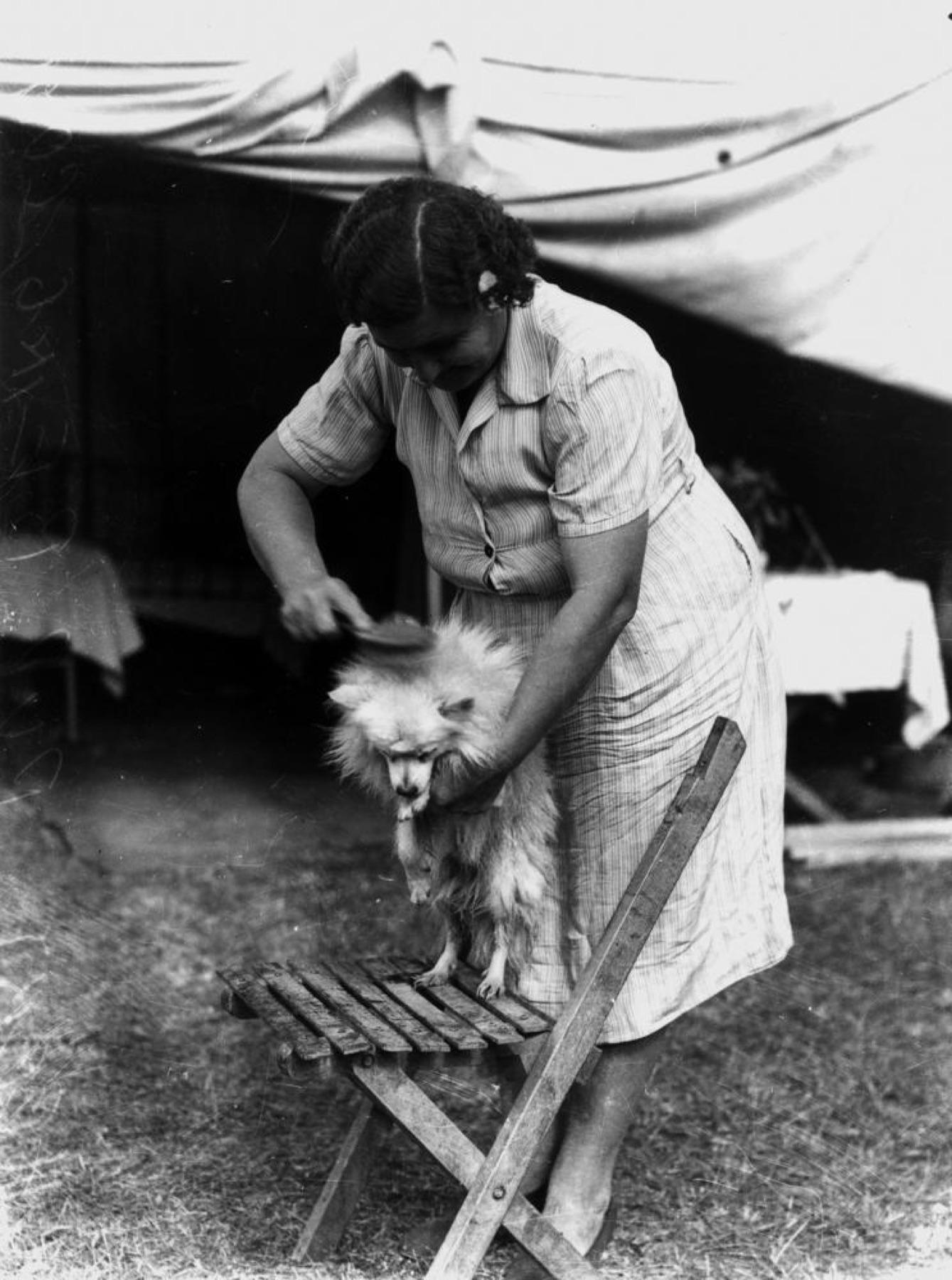
Best Dog Brushes for Shedding by Coat Type
The best dog brush for shedding depends more on coat structure than breed size. A rubber curry is usually the most comfortable starting point for smooth, short coats; a slicker plus metal comb suits many long or curly coats; and a rounded-pin undercoat rake can help dense double coats during seasonal shedding. Wire-coated dogs often need a pin brush or comb and breed-specific grooming rather than aggressive “de-shedding.”
There is no single brush that is best for every dog. This guide compares brush types and commonly available examples from published specifications and owner-facing product information. Dogthread did not conduct hands-on testing, so treat named products as a shortlist to compare—not laboratory winners.
Disclosure: Dogthread may earn a commission if you buy through some links, at no extra cost to you. Recommendations are based on coat fit, design, published specifications, and practical buying criteria, not paid placement or claimed hands-on testing.
Quick picks by coat type
| Your dog's coat | Best starting tool | Examples worth comparing | Usually skip | |---|---|---|---| | Smooth, short, single coat | Rubber curry or grooming mitt | KONG ZoomGroom, similar soft rubber curries | Sharp rakes and hard wire used with pressure | | Short, dense double coat | Rubber curry plus undercoat rake | ZoomGroom; Safari-style rounded-pin undercoat rake | Blade-heavy tools as the everyday brush | | Medium or long double coat | Long-pin slicker, comb, optional undercoat rake | Chris Christensen Big G; Hertzko self-cleaning slicker; sturdy steel comb | One short slicker that only skims the topcoat | | Curly or wool coat | Long-pin slicker plus metal comb | Big G or comparable long-pin slicker; greyhound-style comb | Assuming low shedding means low grooming | | Silky or feathered coat | Pin brush, gentle slicker, metal comb | Rounded pin brush; flexible slicker; steel comb | Forceful raking through tangles | | Wire coat | Pin brush and comb; breed-specific stripping tools if appropriate | Rounded pin brush; stripping tools chosen with a groomer | Fur-cutting de-shedding blade without understanding the coat |
Best simple answer: buy the gentlest tool that reaches the loose hair in your dog's actual coat, then use a metal comb to check whether you reached the skin without scratching it.
Best for smooth, short coats: a rubber curry
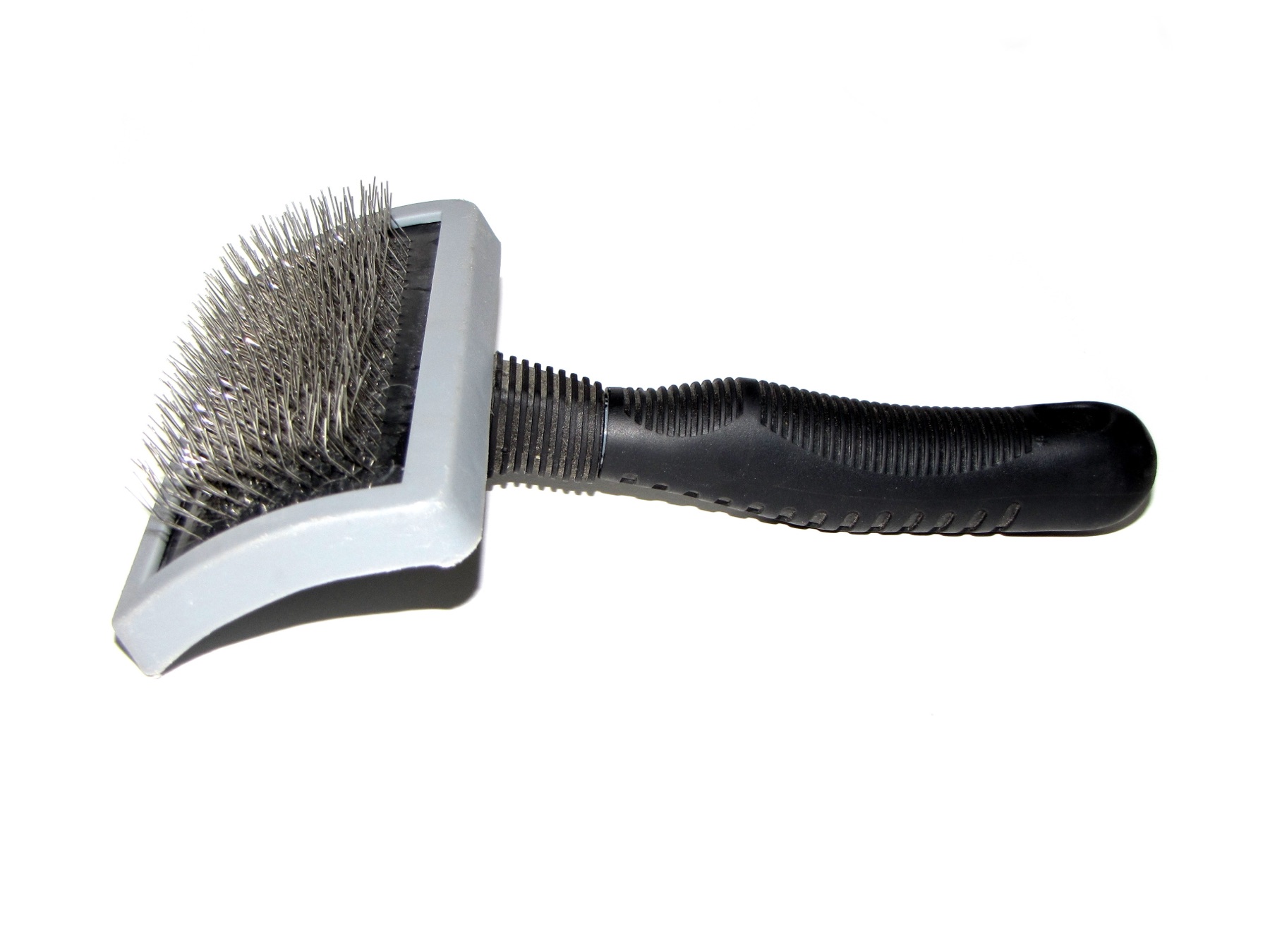
A flexible rubber curry is our best starting style for Beagles, Boxers, French Bulldogs, many bully breeds, and other smooth-coated dogs. Soft rubber nubs loosen surface hair while giving you good feedback about pressure. The tool also works during a bath, provided the manufacturer says it is suitable for wet use.
The KONG ZoomGroom is the familiar comparison target in this category. Its appeal is simple: no metal teeth, an easy-to-rinse body, and rubber “fingers” that collect loose hair. Similar curries can work just as well if the rubber is flexible, the handle fits your hand, and the size suits the dog.
Fits: dogs with close-lying coats; bath-time grooming; dogs wary of scratchy tools; small homes where a washable brush matters.
Skip it if: your dog has a thick undercoat, long furnishings, mats, or tightly curled hair. A curry may lift loose surface hair but cannot reliably check deeper tangles.
Best for short, dense double coats: curry plus undercoat rake
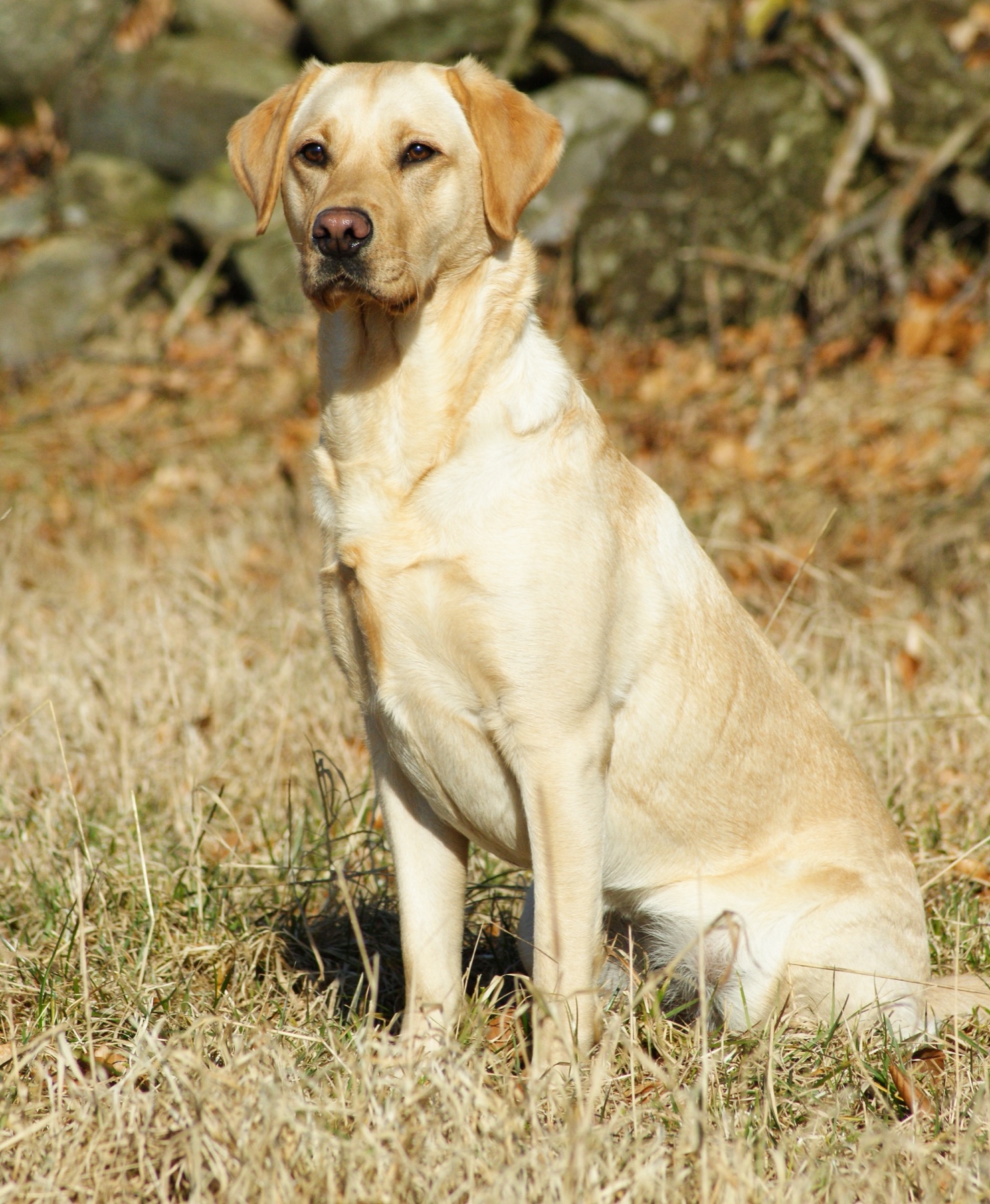
Labradors, Pugs, Corgis, and similar dogs can have short topcoats hiding a remarkable amount of undercoat. Start with a rubber curry for surface shedding. During a seasonal coat blow, add a rounded-pin undercoat rake used in short, gentle passes.
A Safari-style undercoat rake is a reasonable product type to compare, but inspect the teeth rather than trusting the label. They should be smooth and rounded, with a width that you can control. Stop if the tool catches, scrapes the skin, or pulls attached hair.
This pairing fits medium and large double-coated dogs particularly well because one tool loosens surface hair while the other reaches fluffier undercoat. Small dogs may need a narrower rake. A huge grooming head on a Corgi is not efficiency; it is a garden implement with branding.
Skip the rake on irritated skin, very sparse areas, or any coat you cannot identify. Ask a groomer to show you the correct tool and pressure if the coat is packed or the dog is uncomfortable.
Best for medium and long double coats: long-pin slicker plus comb
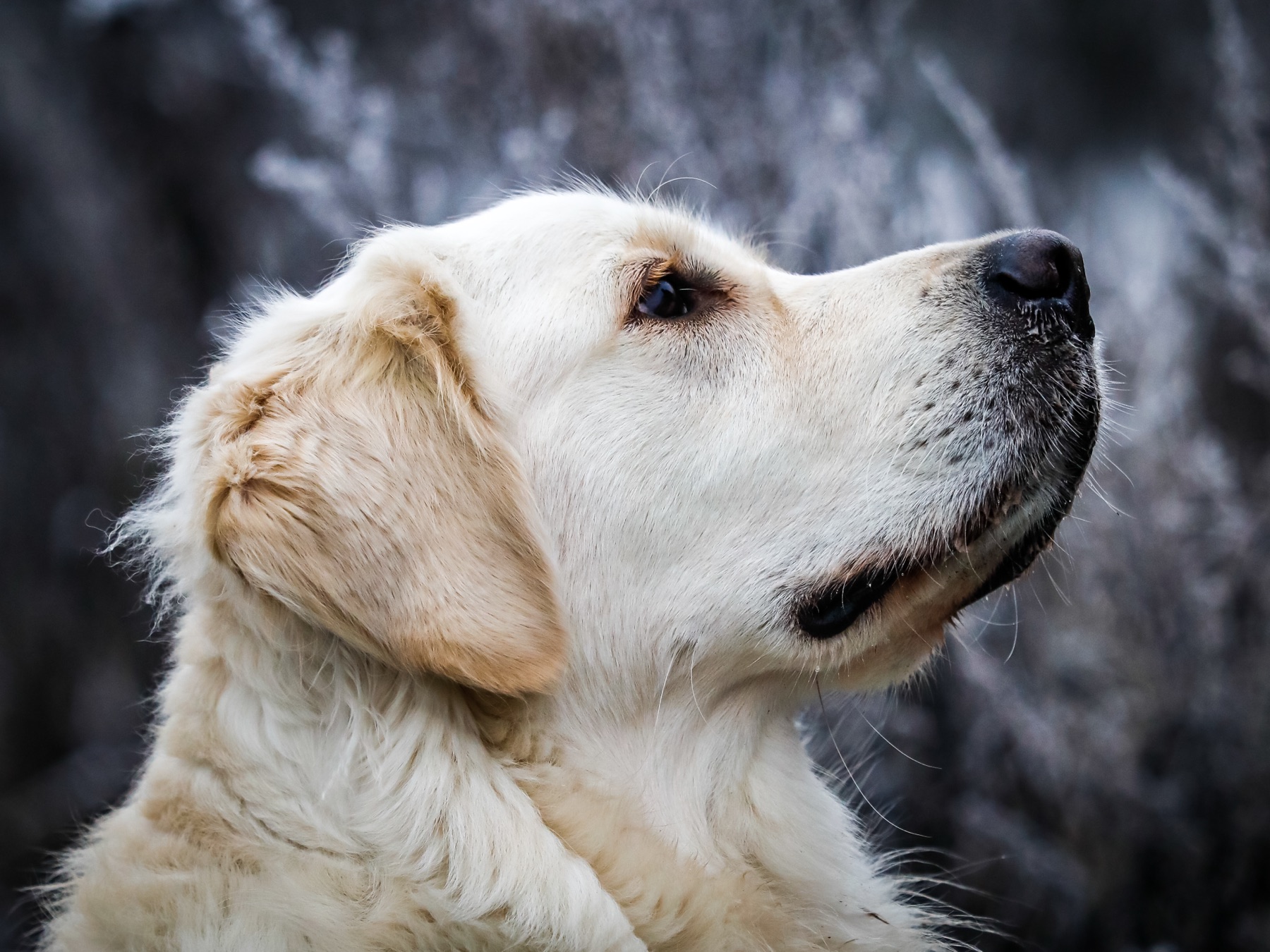
Golden Retrievers, Australian Shepherds, Border Collies, Bernese Mountain Dogs, and many spitz breeds need a brush that can work through layers without merely polishing the top. A long-pin slicker followed by a sturdy metal comb is the most versatile setup.
The Chris Christensen Big G is a premium benchmark with long, densely arranged pins and multiple sizes. The Hertzko self-cleaning slicker is a mainstream alternative whose retracting pin bed makes collected hair easier to remove. Neither is automatically right for every dog: the Big G may be more brush—and more money—than a small, lightly coated dog needs, while any self-cleaning mechanism adds moving parts and must still have smooth pins.
Work in small sections. Lift the coat, brush from near the skin toward the ends without scraping, and check the section with a comb. Pay attention behind the ears, around the tail, under the collar, and at the back of the legs.
Fits: dogs with feathering, substantial undercoat, or layered medium-to-long coats; owners willing to brush by sections.
Skip this setup as a DIY fix for tight mats. Pulling harder hurts and can injure skin. A professional groomer can choose the safest way to remove a compacted mat.
Best for curly and wool coats: slicker plus a full comb check
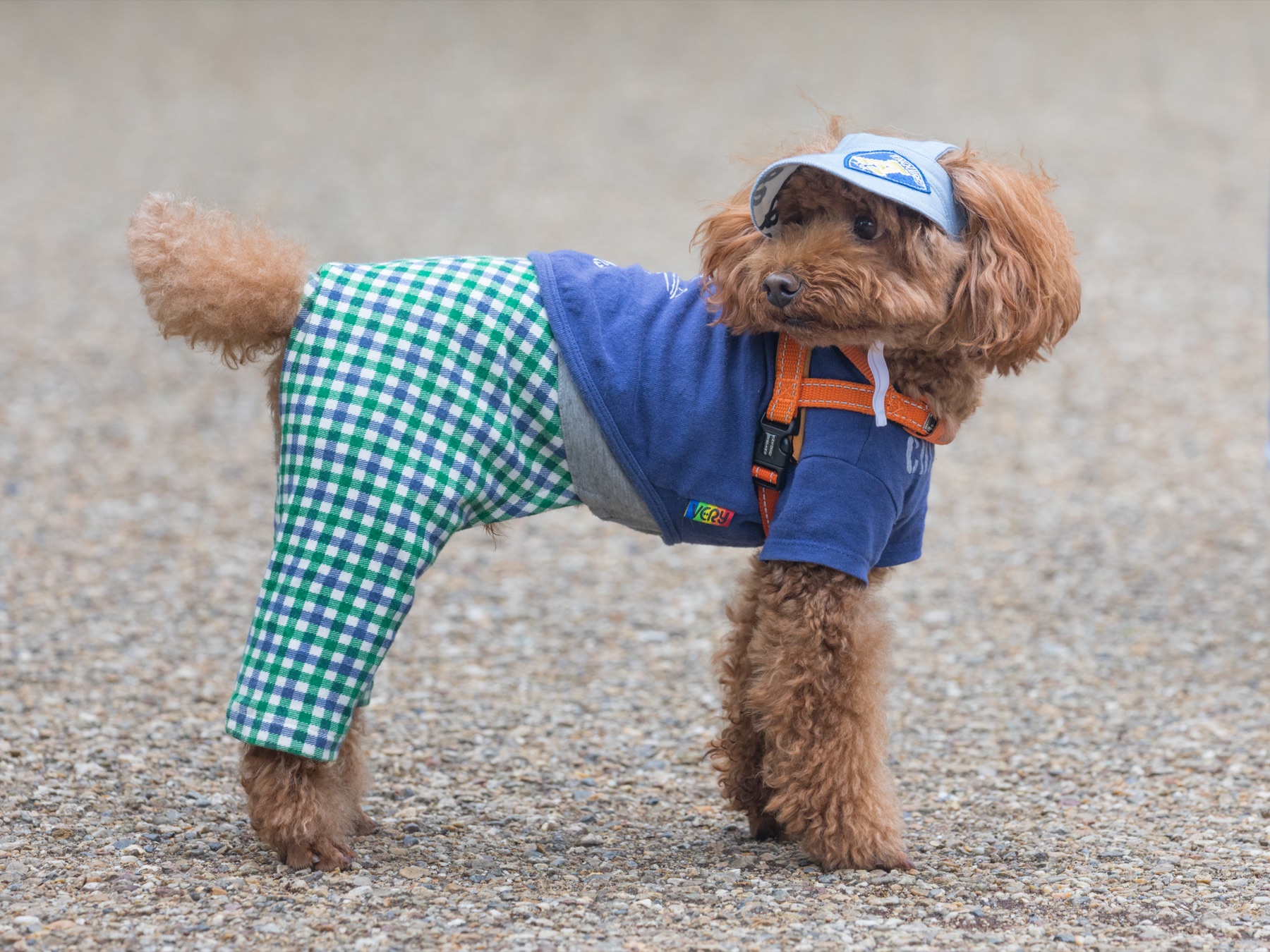
Poodles, Bichon Frises, and many curly-coated mixes often drop less hair around the home because shed strands remain trapped in the coat. That does not mean the coat maintains itself. Trapped hair and friction can create mats close to the skin while the surface still looks fluffy.
Use a long-pin slicker in small sections, then run a metal comb from skin to tip. If the comb does not pass through, the section is not finished. Choose a slicker with smooth pins and a head small enough for armpits, legs, and other tight areas. A larger slicker can save time on a Standard Poodle's body, while a Toy Poodle needs a much more controlled tool.
Fits: curly coats maintained at home between professional grooms; owners who will comb-check rather than judge by appearance.
Skip it if: you want one five-minute weekly session to handle a long curly coat. Coat length, bathing, drying, and clipping schedule all affect the workload. Get a groomer to demonstrate line brushing before committing to a high-maintenance style.
Best for silky and feathered coats: pin brush plus comb
Yorkshire Terriers, Maltese, spaniels, setters, and dogs with long feathering benefit from a rounded pin brush that separates hair with less static and tugging than a dense slicker can create. Follow with a metal comb, especially behind ears and on feathered legs.
A flexible slicker may still help in tangle-prone areas, but use it as a controlled tool, not a rake. Detangling spray made for dogs can add slip; never use a human product without checking that it is dog-safe.
Fits: longer single coats, fine silky hair, feathered ears and legs, and dogs brushed frequently before tangles tighten.
Skip: forceful brushing on wet, tangled hair or repeatedly working one sore spot. Hold hair near the skin to reduce pulling and stop if the dog flinches or tries to escape.
Best for heavy seasonal shedding: an undercoat rake—with restraint
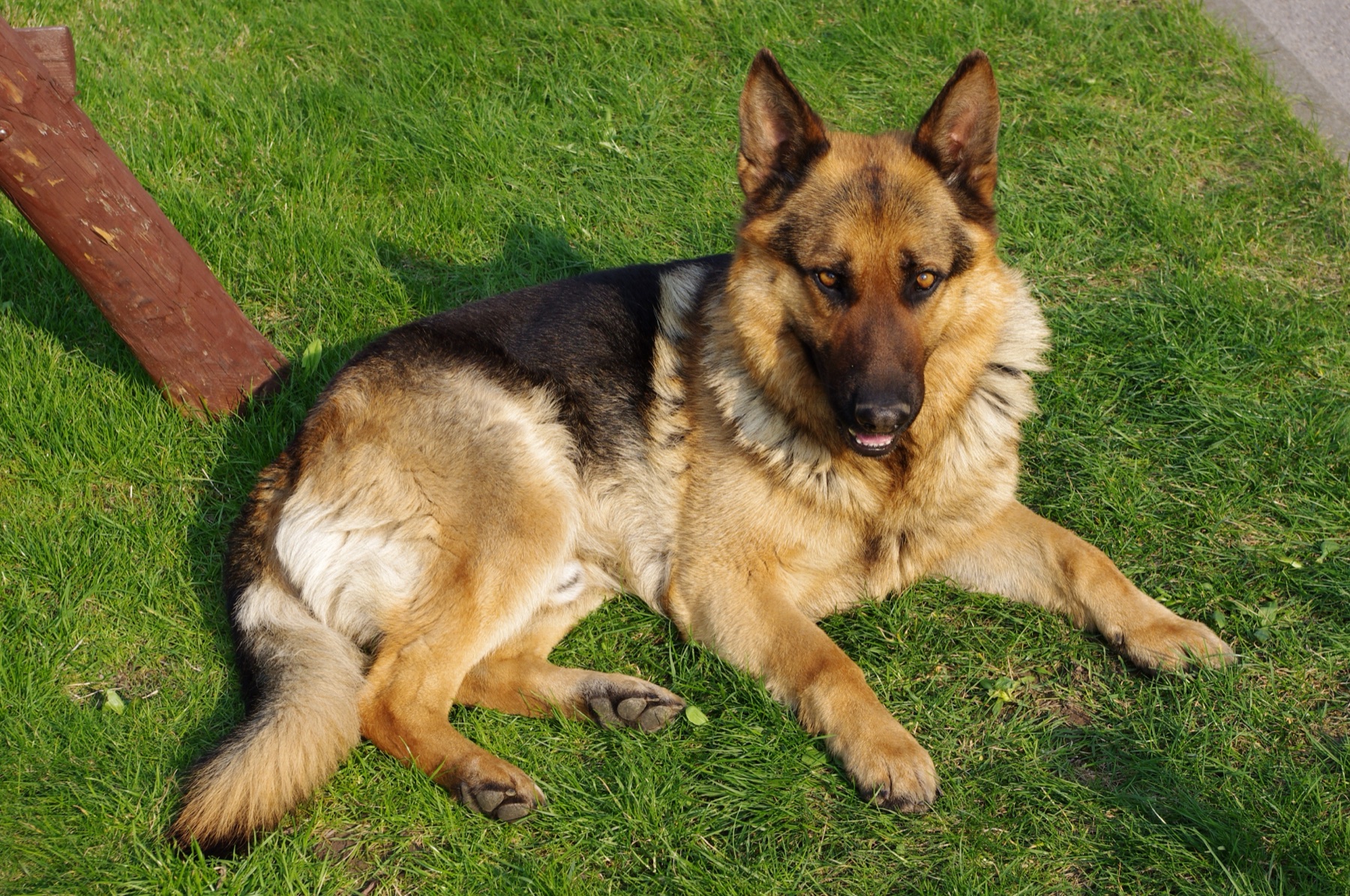
German Shepherds, Huskies, Malamutes, and other heavily coated breeds can release undercoat in handfuls. A wide, rounded-pin rake can make seasonal sessions more efficient, followed by a slicker or comb for detail work.
Be cautious with products marketed as de-shedding blades. Some have fine metal edges that remove large amounts of hair quickly, but the dramatic pile on the floor does not prove the tool is treating the coat gently. Overuse can break or cut healthy guard hairs and irritate skin. If you compare a FURminator-style tool, confirm the correct coat and size, follow the maker's frequency guidance, and use minimal pressure.
Fits: intact, healthy double coats during a coat blow; large dogs when the tool width remains controllable; homes that need shorter, more frequent sessions.
Skip: puppies with changing coats, dogs with skin disease, thin or damaged coats, and breeds whose coat should be hand-stripped or maintained by another method unless a groomer recommends it.
What about wire coats?
Terriers, Schnauzers, and other wire-coated dogs are a poor match for generic “remove as much hair as possible” advice. Their texture may be maintained by clipping, hand stripping, or a combination, depending on breed, coat, age, and whether the goal is pet comfort or show presentation.
For routine home care, a pin brush and comb can find tangles and debris. Choose stripping knives, stones, or rakes only after someone experienced with that coat demonstrates their use. A tool that cuts coat is not interchangeable with one that pulls naturally released hair.
How to choose a dog brush without wasting money
Use these buying criteria before comparing star ratings:
- Identify the coat, not just the breed. Mixed breeds and individual dogs vary. Look for undercoat, curl, feathering, wire texture, and tangle-prone areas.
- Match pin length to coat depth. Pins must reach through the coat without being driven into skin.
- Inspect every working edge. Rough seams, bent wires, sharp corners, or burrs are a hard no.
- Choose a controllable head width. Large tools cover a broad back; narrow tools are safer around legs, ears, and small bodies.
- Prefer comfort over hair-pile drama. A brush is useful only if the dog can tolerate regular sessions.
- Consider cleanup and storage. Retractable pins are convenient; simple fixed tools are easier to inspect and have fewer failure points.
- Check replacement and return policies. Coat fit is difficult to judge from packaging, especially when buying online.
Price often buys better pin finishing, handle comfort, durability, and size options—not magic. A modest rubber curry that fits the coat beats an expensive rake used on the wrong dog.
How to brush safely and tell whether it is working
Let the dog sniff the tool, begin on an easy body area, and reward calm cooperation. Use short sessions and light pressure. Brush in the coat's growth direction unless a groomer has shown you a coat-specific technique.
Check your work with your fingers and, where appropriate, a comb. The skin should not become red or scratched. Stop if you find sores, parasites, unexplained hair loss, a painful lump, or matting tight to the skin. Those are reasons to speak with a veterinarian or qualified groomer, not invitations to press harder.
Dogs vary in sensitivity. A brush marketed for a particular breed can still be wrong for an individual dog. Uncertainty is part of buying grooming tools; a good return policy and a professional demonstration are worth more than a thousand reviews from coats unlike yours.
Who should skip home de-shedding tools?
Skip aggressive de-shedding and arrange professional advice if your dog has significant matting, inflamed skin, recent surgery, unexplained coat change, pain during handling, or a coat whose maintenance method you do not understand. A veterinarian should assess sudden hair loss, persistent itching, sores, odor, or major changes in shedding.
Owners with a handling-sensitive dog may also get better results from cooperative-care training and very short sessions before buying a more powerful brush. The goal is sustainable grooming, not winning one wrestling match in the laundry room.
Frequently asked questions
What type of dog brush removes the most shedding hair?
For a dense double coat, a correctly sized undercoat rake often removes the most loose undercoat. For smooth short coats, a rubber curry is usually more appropriate. “Most hair” is not the same as “best”: the right tool removes released hair without scratching skin or damaging healthy coat.
Is a slicker brush good for shedding?
Yes, especially on medium, long, curly, and feathered coats. Choose a pin length that reaches the coat depth, use light pressure, and follow with a metal comb where tangles are a concern. Slickers are less useful as the only tool for a very short smooth coat.
Can I use a de-shedding tool every day?
Usually not as a default. Fine-toothed de-shedding tools can irritate skin or damage coat when overused. Follow the manufacturer's directions for the exact tool and coat, and use a gentler everyday brush between sessions.
How often should I brush a shedding dog?
Frequency depends on coat length, undercoat, season, health, and how quickly tangles form. Short, regular sessions are often easier on the dog than occasional marathons. Long, curly, or mat-prone coats may need very frequent attention; ask a groomer for a schedule tailored to the current coat length.
Should I brush before or after a bath?
Remove loose hair and tangles before bathing unless your groomer recommends another method. Water can tighten some mats. After bathing, dry the coat safely and brush only with appropriate technique; never use high heat close to the skin.
The bottom line
For most homes, the smartest brush kit is small: a rubber curry for smooth coats, a long-pin slicker and metal comb for longer or curly coats, or a rounded undercoat rake added cautiously for dense double coats. Buy for coat depth, dog size, handling tolerance, and the places your dog tangles—not for the biggest pile of hair in an advertisement.
This buyer guide supports Dogthread's broader dog shedding guide, which covers seasons, coat cycles, and home cleanup in more detail.