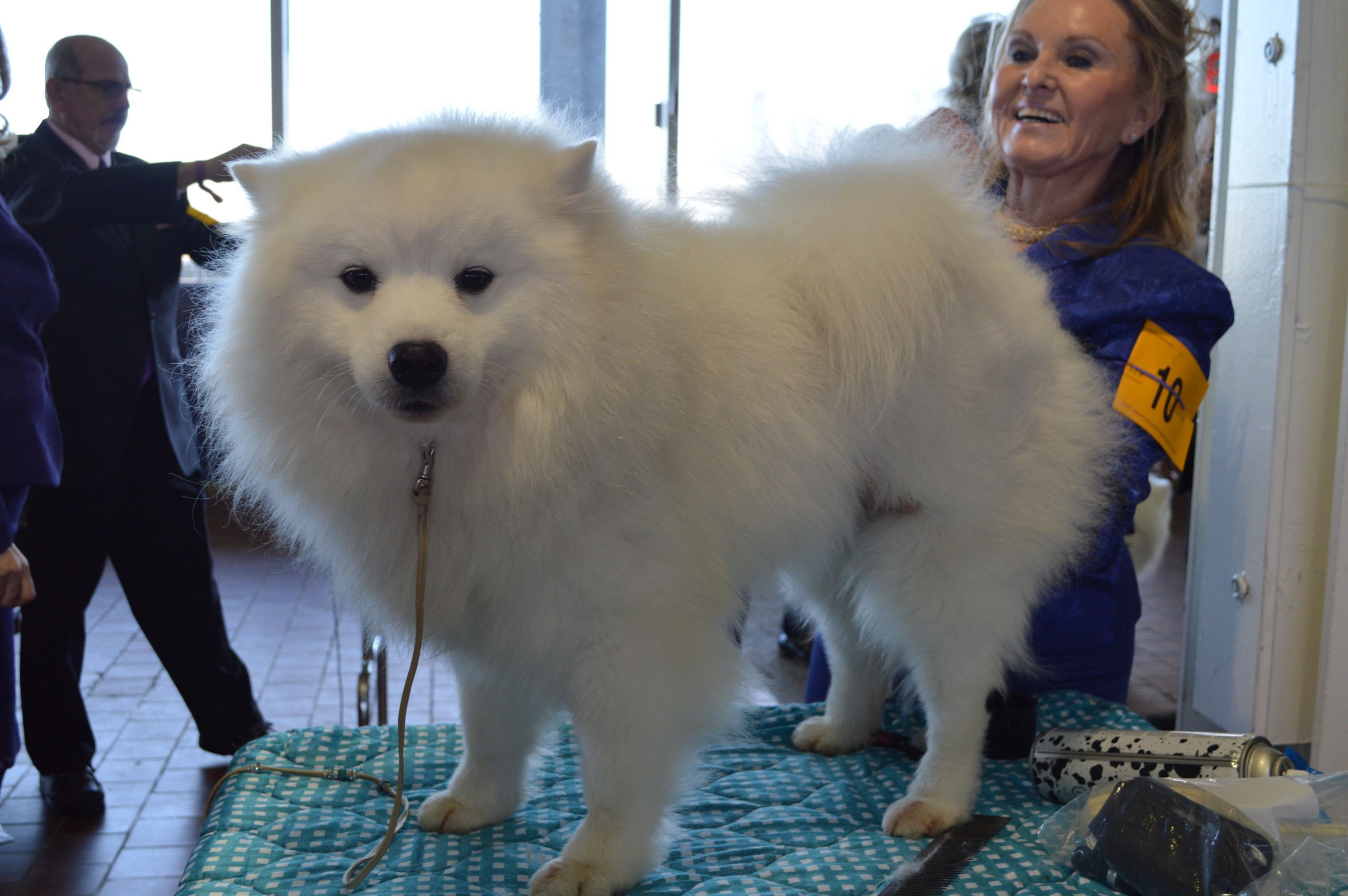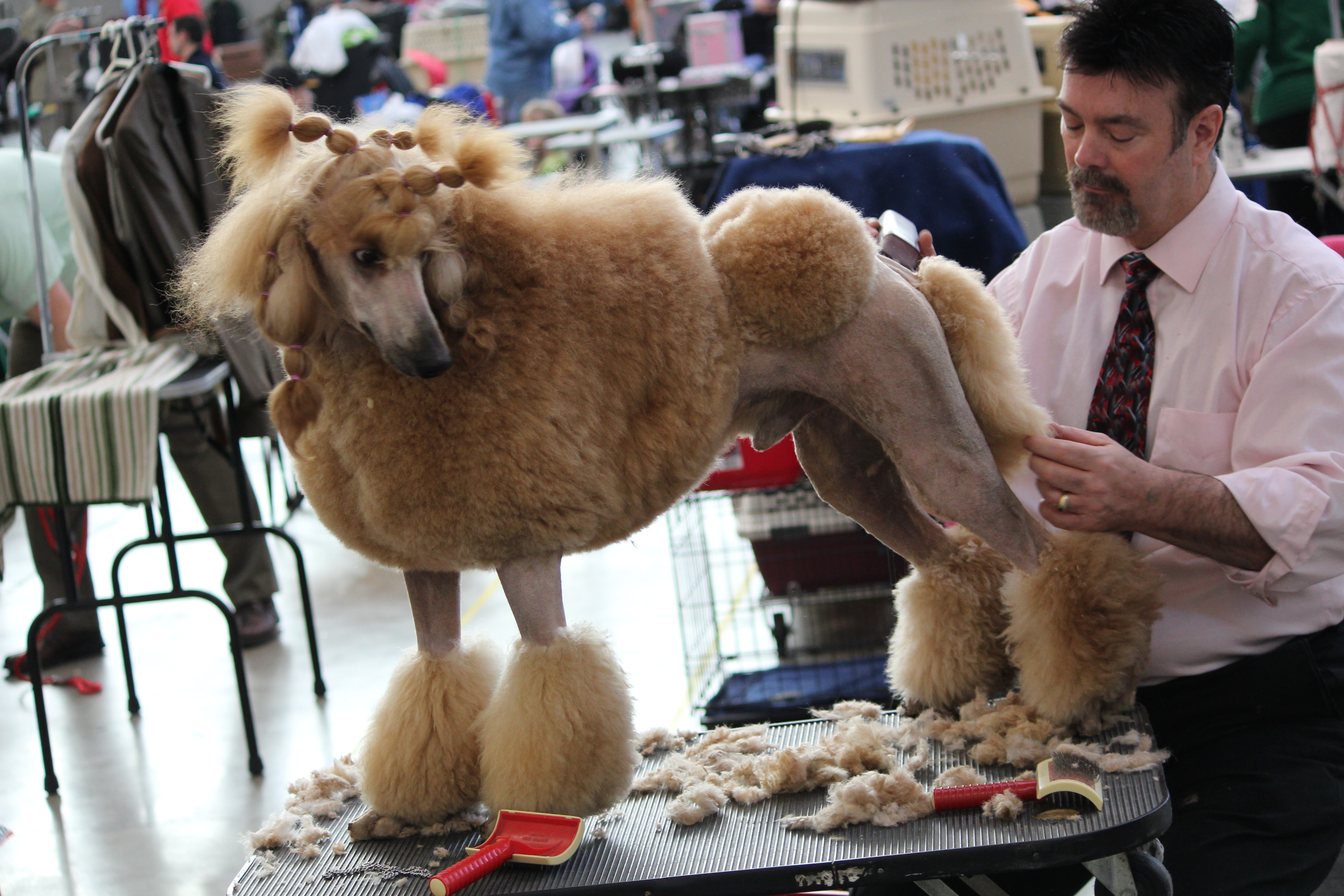
Dog Grooming at Home: Brushing, Nails, Baths, and Calm Handling
Home dog grooming works best as a short, repeatable care routine, not an occasional wrestling match. Brush for the coat your dog actually has, trim only small amounts of nail at a time, bathe with dog-safe products when the coat needs it, and teach handling in tiny steps. Stop when you find pain, inflamed skin, tight mats, a damaged nail, or fear that is getting worse.
The simplest workable routine is:
- check the coat, skin, paws, nails, ears, and eyes once a week;
- brush often enough that loose hair and tangles never become a painful project;
- trim nails before they become long enough to alter the dog's stance or snag;
- bathe based on coat, lifestyle, and veterinary guidance rather than a rigid calendar;
- reward calm participation and end before the dog is overwhelmed.
Build a basic home dog-grooming kit
You do not need a rolling cabinet full of chrome instruments. Start with tools matched to your dog:
- a coat-appropriate brush;
- a sturdy metal comb for checking longer or curly coats;
- dog nail clippers or a pet nail grinder you can control;
- styptic powder and gauze for a minor nail nick;
- dog-formulated shampoo;
- several absorbent towels;
- a nonslip bath mat;
- small, high-value treats;
- a bright light for skin and nail checks.
A rubber curry suits many smooth, short coats. A pin brush or slicker plus comb is more useful for longer, feathered, or curly coats. Dense double coats may also need a rounded undercoat rake during seasonal shedding. Wire coats and tightly matted coats deserve coat-specific guidance from a qualified groomer before you reach for aggressive tools.
Inspect anything that touches the dog. Bent pins, sharp seams, overheated grinder heads, cracked clipper blades, and strongly scented human products have no place in the kit.
Brush by coat type, not by marketing label
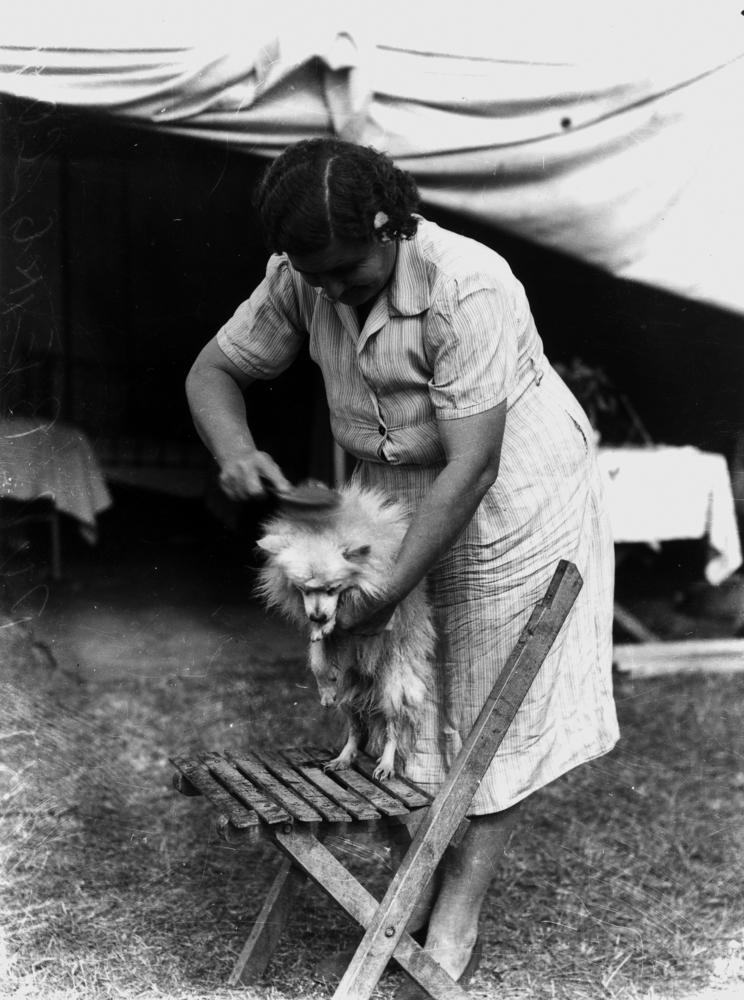
Brushing removes released hair and debris, spreads natural oils, exposes skin changes, and prevents small tangles from tightening. The correct technique depends on coat depth and texture.
Smooth, short coats
Use a soft rubber curry or grooming mitt in gentle passes, generally following hair growth. These coats may shed heavily even though they rarely mat. Stop if the skin becomes pink or the dog starts flinching.
Double coats
Work through the topcoat without scraping the skin. During a coat blow, a rounded undercoat rake can lift loose undercoat, but more hair in the tool does not automatically mean better grooming. Repeated hard passes can irritate skin and damage healthy coat. Do not routinely shave a double coat unless a veterinarian or experienced groomer recommends it for a specific reason.
Long, silky, feathered, or curly coats
Divide the coat into small sections. Support the hair near the skin, brush from the ends toward the roots as tangles release, then use a metal comb to check from skin to tip. Common trouble spots include behind the ears, under the collar, armpits, groin, tail, and feathered legs.
If the comb cannot pass through, the section is not finished. If a mat is tight to the skin, stop. Skin can be pulled into a mat, making blind scissor work dangerous. A professional groomer can remove it with better visibility and equipment.
For a deeper tool-by-tool decision guide, see Dogthread's best dog brushes for shedding by coat type and dog shedding guide.
Trim dog nails in small, controlled steps
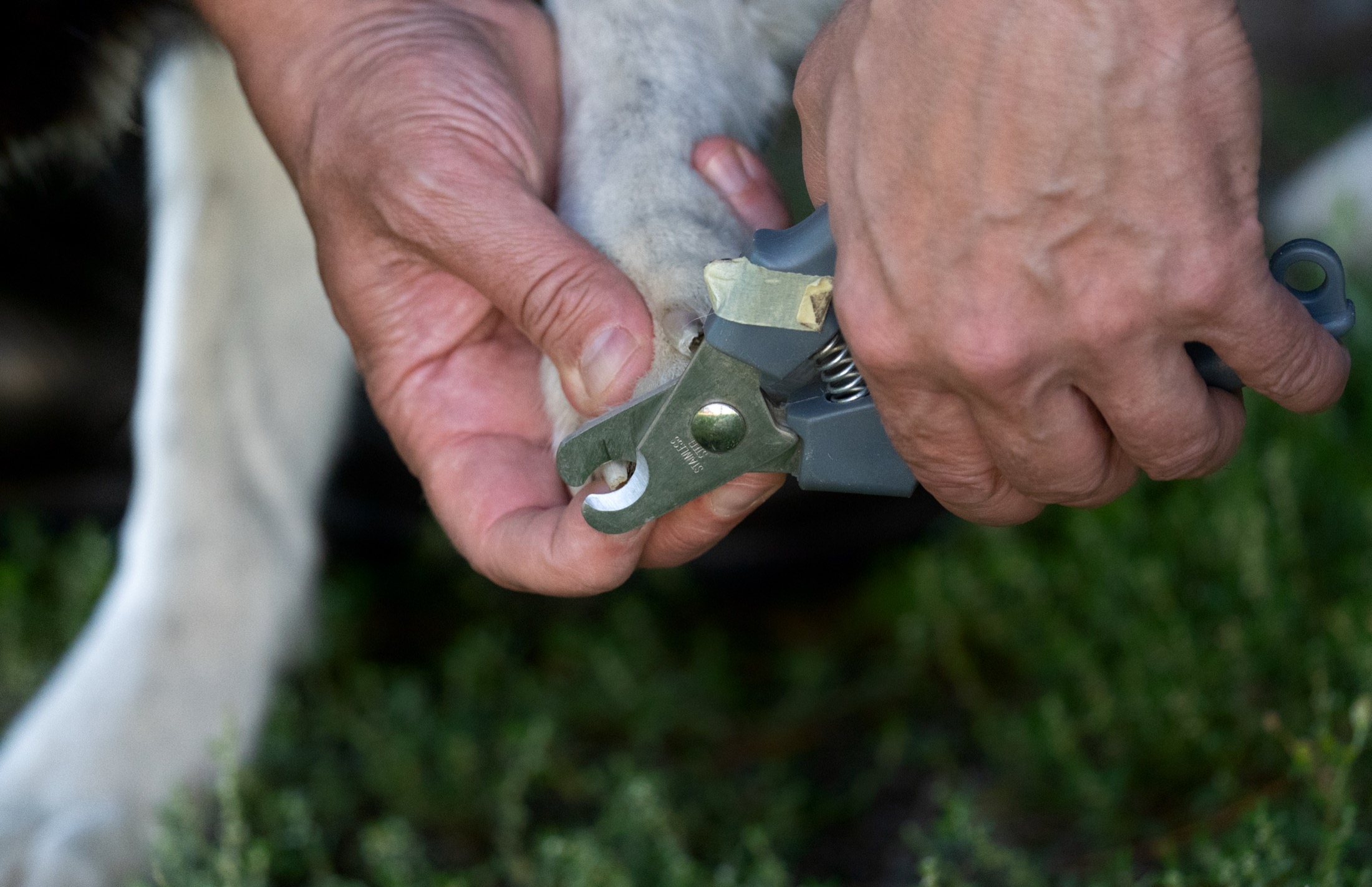
The living center of a nail—the quick—contains blood vessels and nerves. Cutting into it hurts and bleeds. Pale nails may show the quick as a pink core; dark nails require more caution because the boundary is harder to see.
Use this low-drama process:
- Put the dog on a nonslip surface in good light.
- Handle one paw and reward. If that is today's limit, stop there.
- Hold one toe without squeezing the whole paw.
- Remove a very small amount from the nail tip.
- Check the cut surface before taking another sliver.
- Reward and pause between nails.
With dark nails, take thin slices and stop as the center begins to look darker or develops a small central dot. If you cannot identify a safe stopping point, let a groomer or veterinary professional demonstrate on your dog. A grinder can make gradual removal easier for some people, but its sound and vibration require training, and heat builds if it stays against one nail.
There is no universal nail-trimming interval. Surface, exercise, nail growth, and anatomy differ. Nails that click loudly, snag, curve toward the pad, or make the toes splay need attention. Dewclaws do not contact the ground and can overgrow unnoticed.
If you nick the quick, stay calm. Apply styptic powder and steady pressure according to the product directions. Contact a veterinary clinic if bleeding is heavy, does not stop promptly, the nail is torn, or the dog is in significant pain. Do not continue the session just to finish the checklist.
Bathe without drying the skin or frightening the dog
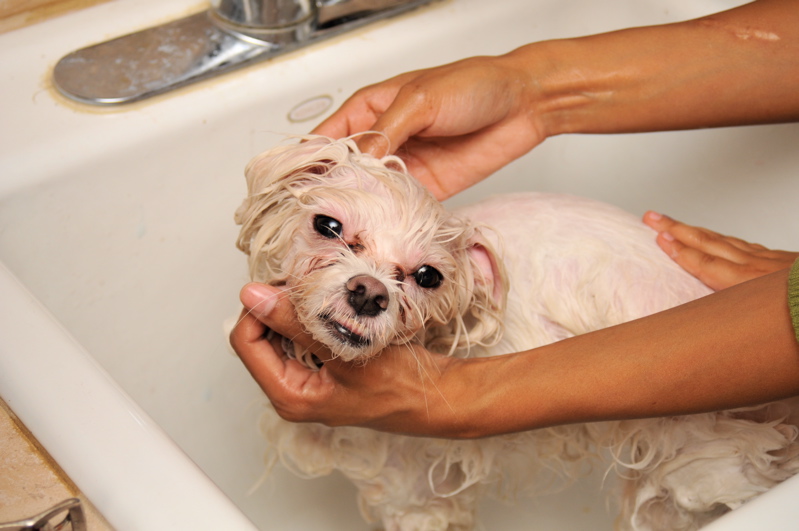
Brush out loose hair and manageable tangles before the bath because water can tighten mats. Put a nonslip mat in the tub, prepare towels and shampoo within reach, and use comfortably lukewarm—not hot—water.
Wet the coat gradually. Keep water and shampoo away from the eyes and ear canals. Lather dog-formulated shampoo through the coat without vigorous scrubbing, then rinse far longer than seems necessary. Residue can irritate skin. Towel-dry gently; if you use a dryer, keep airflow comfortably cool, moving, and far enough away that it never heats the skin.
Bath frequency depends on the dog. A muddy retriever and a mostly indoor short-coated dog do not need the same schedule. Coat type, skin condition, swimming, allergies, and prescribed products all matter. Bathe when the dog is dirty or smelly, or on a schedule advised for that dog's coat and health. Human shampoo is generally the wrong choice because it is formulated for human skin.
Persistent odor, greasy coat, dandruff, sores, redness, hair loss, or repeated itching can signal more than dirt. Ask a veterinarian instead of trying increasingly frequent baths or stronger products.
Make calm handling part of the grooming plan
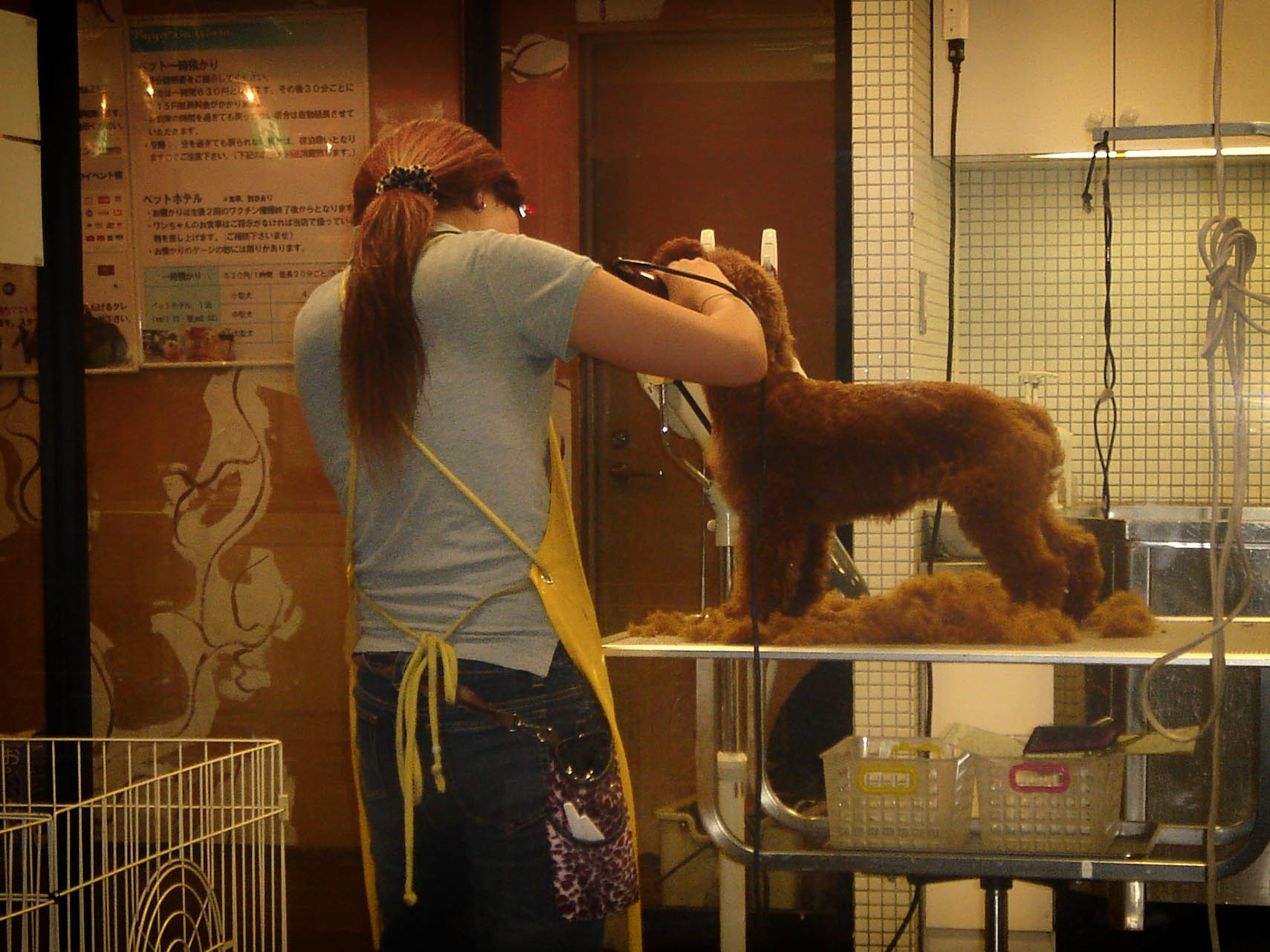
Calm handling is trained before it is needed. The goal is not to hold a dog still until the dog gives up; it is to make touch predictable and to build voluntary cooperation.
Start away from the full grooming setup:
- Touch the shoulder for one second, reward, and release.
- Slide a hand briefly down a leg, reward, and release.
- Touch a paw, lift it slightly, then put it down before the dog pulls away.
- Show the brush or clippers, reward interest, and put the tool away.
- Pair one gentle brush stroke or the sound of the grinder at a distance with a treat.
- Add duration or difficulty only while the dog remains comfortable.
Useful consent signals can be simple: the dog stands on a mat, rests a chin on a towel, or offers a paw. A release from that position means pause. You can still provide essential care, but honoring easy pauses makes future cooperation more likely.
Watch the whole dog. Turning the head away, lip licking, freezing, a tucked tail, panting in a cool room, repeated paw withdrawal, growling, or trying to leave can mean the session is too difficult. Back up to an easier step. Punishing a warning can remove the warning without removing the fear.
For dogs with a bite history, intense panic, pain, or rapidly escalating distress, get help from a veterinarian and a qualified reward-based behavior professional or fear-aware groomer. Sedating a dog with leftover or unprescribed medication is unsafe.
Use a realistic grooming schedule
Schedules should prevent discomfort, not create calendar guilt. Use this as a starting framework and adjust for the individual dog.
| Check | Starting rhythm | Adjust when | |---|---|---| | Skin, coat, paws, nails, ears, eyes | Weekly visual and hands-on check | More often after outdoor adventures, swimming, or a health change | | Brushing | Short sessions from several times a week to daily for mat-prone coats | Coat blows, longer coat length, and friction areas need more attention | | Nails | Check weekly; trim small amounts as needed | Dewclaws, fast growth, limited hard-surface walking, or abnormal wear | | Bath | When dirty or smelly, plus any coat-specific plan | Follow veterinary instructions for skin disease or medicated shampoo | | Professional grooming | Based on coat length, clipping needs, behavior, and owner skill | Book sooner for matting, discomfort, or tasks you cannot do safely |
One five-minute session can be enough. Brush the body today, work on paw handling tomorrow, and trim two nails the next day. Dogs do not award medals for completing all four paws while everyone is miserable.
Know when home grooming should stop
Home care is not the right setting for every problem. Stop and seek professional help for:
- mats tight to the skin or widespread coat compaction;
- wounds, hot spots, swelling, parasites, unexplained lumps, or painful skin;
- sudden hair loss, severe itching, or strong persistent odor;
- a torn nail, nail growing into a pad, or uncontrolled bleeding;
- ear pain, discharge, marked redness, or head shaking;
- severe fear, snapping, or handling that cannot be done safely;
- any grooming need complicated by recent surgery or a medical condition.
A groomer handles coat maintenance and styling. A veterinarian diagnoses and treats medical problems. A behavior professional can help with fear and cooperative-care training. Sometimes the best home-grooming skill is knowing when to put the clippers down.
Frequently asked questions
What order should I groom my dog at home?
Start with a calm body check, then brush out loose hair and manageable tangles. Trim nails in a separate short session if needed. Bathe after brushing, rinse thoroughly, dry safely, and do a final gentle comb check once the coat is appropriately dry.
How often should a dog be groomed?
It depends on coat type, coat length, shedding, lifestyle, skin health, and nail growth. Check the whole dog weekly, then set brushing, bathing, nail care, and professional grooming intervals based on what that check reveals.
Should I cut a mat out with scissors?
Not when it is tight to the skin. Dog skin can be pulled up inside a mat and cut accidentally. Loose end tangles may be brushed out gently, but tight or widespread matting is safer in professional hands.
Are nail clippers or grinders better?
Neither is universally better. Clippers are quick and quiet but remove more nail at once. Grinders allow gradual shaping but introduce noise, vibration, and heat. Choose the tool you can control and condition the dog to accept.
Can I use human shampoo on my dog?
Use a dog-formulated shampoo unless a veterinarian specifically directs otherwise. Human products are designed for human skin and may contain fragrances or ingredients that irritate a dog.
What if my dog hates being groomed?
Rule out pain first, then split grooming into very small handling exercises paired with rewards. Stop before panic. A fear-aware groomer, veterinarian, or qualified reward-based behavior professional can create a safer plan for dogs with severe distress or bite risk.
How this guide was prepared
Dogthread prepared this guide as source-informed editorial synthesis, not as veterinary advice or a claim of hands-on professional grooming expertise. Safety principles were checked against public dog-grooming guidance from the American Kennel Club, its nail-trimming guidance, VCA Animal Hospitals, and the ASPCA. Individual dogs and medical needs vary; a veterinarian's directions take priority.
The bottom line
Good home dog grooming is preventive care built on the dog's comfort. Use the right brush, remove tiny amounts of nail, bathe with appropriate products, and treat calm handling as a skill you train. Short successful sessions beat forced marathons—and make the next brush, bath, or nail trim easier instead of harder.